
Reviewed · VINEYARD TOURS
Saint-Émilion: Family Vineyard Visit with Wine Tasting
At Château Haute-Nauve, wine is not presented as a grand mystery. Florent or Marie-Anne, members of the fourth generation to run this Saint-Émilion estate, walk you from vine to bottle in plain, practical terms. You’ll see the tanks and barrels, learn how fermentation and pressing work, then sit down for four wines, including two Grand Cru selections.
I like the small group of no more than 10 and the direct access to the family owners. I also like the price: at $18, this gives you a real cellar visit and four tastings without the cost of a formal château tour. The main consideration is transport. You must make your own way to Château Haute-Nauve, and there is no food included.
Key points at a glance
- Fourth-generation hosts: Meet Marie-Anne or Florent, who explain the estate’s family story and daily wine work.
- Four wines included: Taste two Saint-Émilion Grand Cru wines, one Saint-Émilion wine, and one rosé.
- A complete production tour: See the vineyard, fermentation tanks, pressing equipment, and traditional barrel cellar.
- Small and personal: Groups are limited to 10, making it easier to ask questions and follow the explanation.
- Good value at $18: The fee covers the tour and tasting, with bottles available to buy or ship home.
- Bring sensible footwear: Comfortable shoes and a hat matter, especially when part of the visit takes place outdoors.
Why this Saint-Émilion visit feels personal
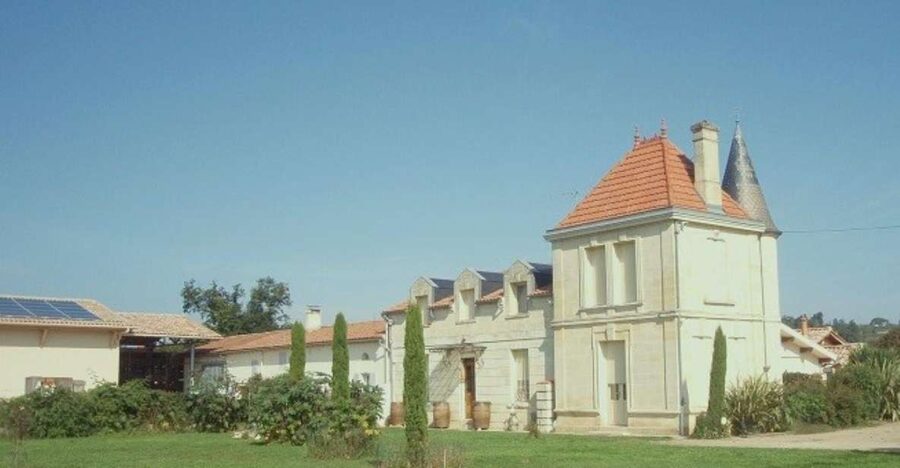
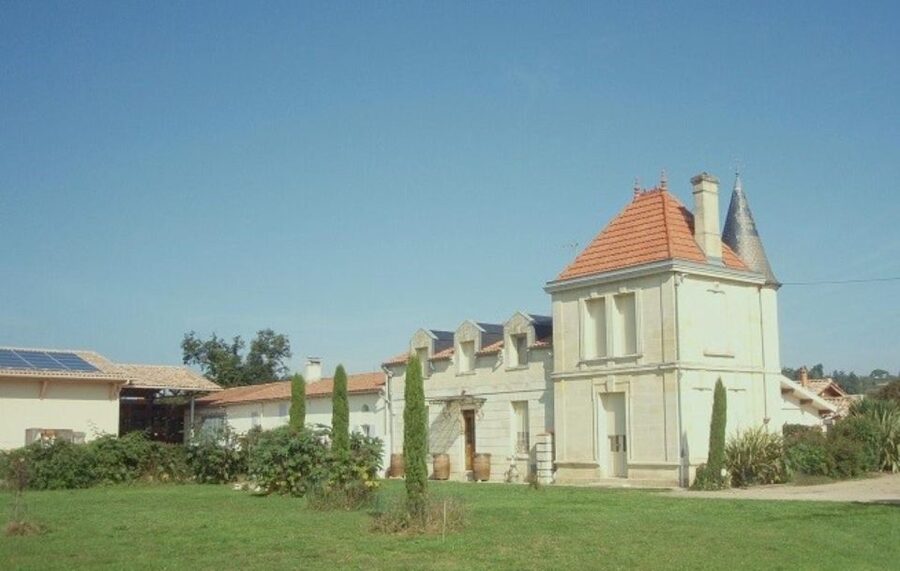
Many wine tours in Bordeaux focus on an impressive building, a famous name, or a polished tasting room. Château Haute-Nauve offers something more direct: a family estate where the people leading the visit are tied to the property itself.
The château has been in the family since 1930. Marie-Anne and Florent represent the fourth generation, so the family story is not a decorative introduction before the real tour begins. It is part of the way the estate is explained, from older traditions to current production methods.
I like that distinction. You are not simply being shown a collection of barrels. You are hearing how one family has kept its work going across several generations, while also making room for new ideas. One visit specifically highlighted the estate’s willingness to question some French wine-industry habits while retaining traditional methods. That combination gives the tour more personality than a standard production talk.
Florent is often the guide, and the experience is built around his easy, patient style. He has been praised for explaining technical subjects clearly, answering extra questions, and using videos when that helps visitors understand the process. The tone is friendly rather than stiff, which matters if you know little about wine.
The tour is available in French and English. That makes it a practical choice for international visitors, and the small group size helps if you want to ask about a grape, a tank, a vintage, or the wines in your glass.
More Vineyard Tours in France
- Saint-Émilion: Bordeaux Vineyard Tour and Wine Tasting
★ 4.8 · 578 reviews - Bordeaux: Vineyards Wine Tasting Half-Day Trip
★ 4.2 · 470 reviews - Half-Day Wine tour across Bordeaux’s Vineyards
★ 3.5 · 429 reviews
From the Saint-Émilion vines to the family story
The visit begins at Château Haute-Nauve, not in central Saint-Émilion. You go directly to the estate, where the tour introduces the vineyard and the grape varieties connected with the Saint-Émilion appellation.
This opening section gives useful context before you enter the production areas. You learn why the local grapes matter and how the estate’s setting connects to the style of wine being made. Do not expect a long vineyard hike. The full experience lasts 75 minutes, so the outdoor portion is part of a compact route rather than a major countryside walk.
A hat and comfortable shoes are sensible. You may be outside among the vines, and the ground may not be as smooth as a town pavement. The advice is simple, but it can make the first part of the tour much more pleasant.
The vineyard visit also helps you understand the scale of the estate. Instead of treating Saint-Émilion wine as an abstract label, the guide links it to the actual vines, the family’s work, and the decisions made during the growing season. If you already know Bordeaux wine, this is a chance to connect familiar terms with one working property. If you are new to wine, it gives you a firm starting point.
The family angle is especially useful here. Marie-Anne or Florent can explain the estate’s past from the point of view of people who are responsible for its future. That tends to make the history more grounded than a list of dates and inherited titles.
The vinification cellar explains what happens after harvest
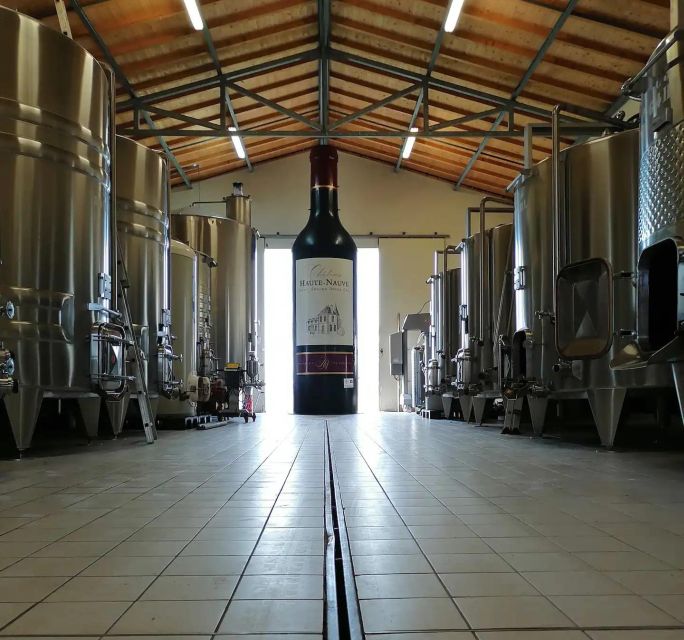
The next stop is the vinification cellar, where the tour follows the grapes after they leave the vineyard. This is where you learn about fermentation, pumping, and pressing.
These are the parts of winemaking that can seem confusing during a tasting. The cellar visit gives them a physical setting. You can see tanks and production equipment while the guide explains how the wine moves through each stage. The process is not treated as magic. It is a sequence of choices, timing, and careful handling.
I find this section valuable because it answers the questions that often get skipped at a quick tasting. What happens to the grapes after harvest? Why are tanks needed? What does pumping do? Where does pressing fit into the process? At Château Haute-Nauve, those subjects are part of the main visit.
The guide may also use videos to make technical points easier to follow. That is helpful for mixed groups, where some people may already understand fermentation and others may be hearing the terms for the first time.
The format keeps the explanation moving. You are not stuck in one room listening to a lecture. You move from the vines to the cellar, see the equipment, and then continue to the barrel room. That physical progression makes the production method easier to remember.
Still, this is not a full winemaking course. In 75 minutes, you get a clear working explanation rather than detailed chemistry or a lengthy discussion of every stage. If your main interest is laboratory-level detail, you may want a more technical workshop. For most visitors, the balance is right.
The barrel cellar brings in tradition and atmosphere
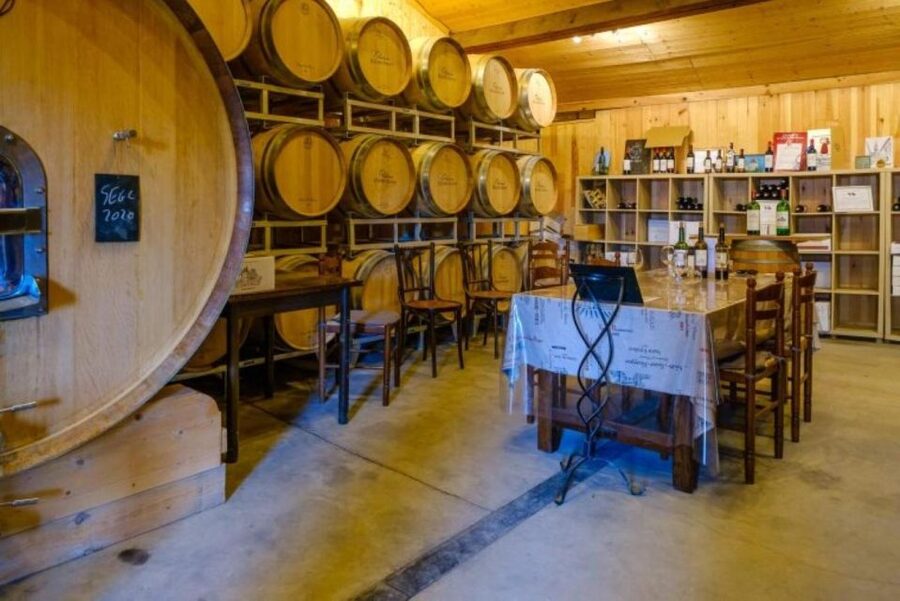
The barrel cellar is the most atmospheric stop on the route. Here, the focus shifts from fermentation and pressing to aging and the traditional methods used at the estate.
The barrels help explain why the final wine is not simply the result of the grape variety. Time, storage, and the way the wine is handled after fermentation all shape what reaches the bottle. You learn how the estate ages its wines and how the cellar fits into the broader production cycle.
This is also where the family’s respect for older methods becomes clear. Château Haute-Nauve is not presented as a factory or a glossy showroom. The visit shows the working side of wine, including the practical spaces where the wine rests and develops.
The cellar itself adds a sense of place, but the guide’s explanation remains the key part. Florent has been praised for making technical subjects clear without losing his humor. That is useful in a barrel room, where the setting can look impressive but the details are easy to miss.
You should expect a traditional cellar visit, not a theatrical performance. There are no promises of elaborate food pairings or a grand meal. The reward is the connection between the cellar, the estate’s methods, and the wines you taste at the end.
More Wine Tastings in France
- Bordeaux: Cité du Vin Entry Ticket and Wine Tasting
★ 4.6 · 3,885 reviews - Montmartre Hill French Gourmet Food and Wine Tasting Walking Tour
★ 5.0 · 2,588 reviews - From Paris: Loire Valley Castles Day Trip With Wine Tasting
★ 4.6 · 1,727 reviews - From Bordeaux: Afternoon Saint-Emilion Wine Tasting & snack
★ 4.8 · 1,581 reviews
Four wines make the final tasting more useful
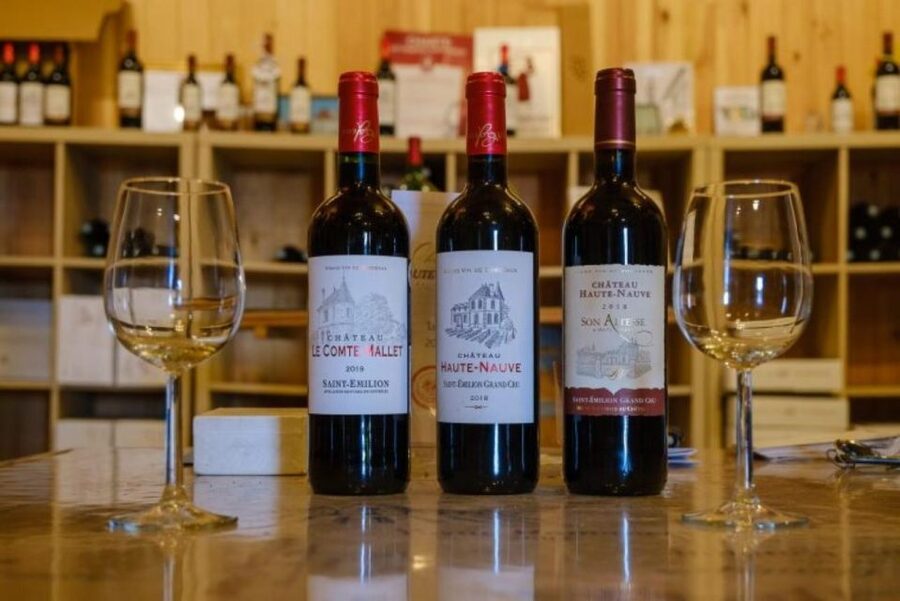
The visit ends with a guided tasting of four Château Haute-Nauve wines:
- Two Saint-Émilion Grand Cru wines
- One Saint-Émilion wine
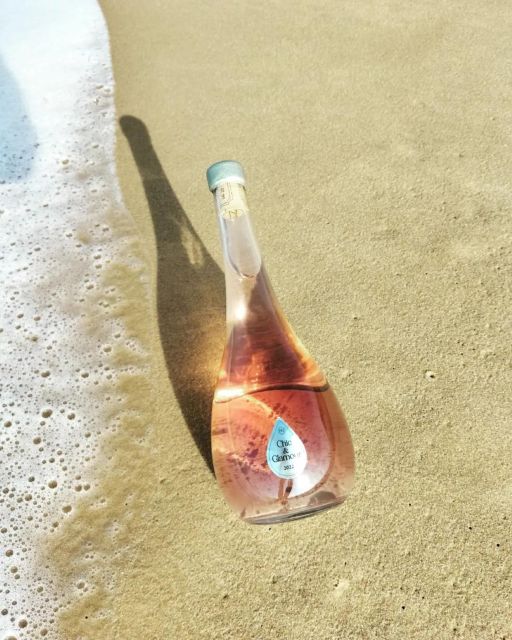
- One rosé
That lineup gives you a useful comparison. The two Grand Cru wines let you consider differences within the estate’s higher-designation offerings. The Saint-Émilion wine gives you another point of reference, while the rosé changes the pace and shows a different side of the property.
The tasting is meant to be relaxed and guided. You are not just handed four glasses and left to guess. The wines are connected to the vineyard and cellar work you have just seen, so the tasting acts as the final step in the explanation.
I like this order. Tasting first can leave beginners focused only on whether they like a wine. Seeing the production areas first gives you something else to notice. You can think about how the wine was made, how it was aged, and how the different bottles relate to the same family estate.
The tasting is also a good place to ask direct questions. You might ask about the difference between the Saint-Émilion and Grand Cru wines, the purpose of the rosé, or which bottle would suit a particular meal. Florent has been praised for taking time with questions, and some visits have lasted longer than the scheduled hour and 15 minutes when the conversation continued.
Do not expect food to accompany the wines. Food is not included, so plan this as a wine-focused stop rather than a lunch or aperitif experience.
Buying bottles gives the visit a practical ending
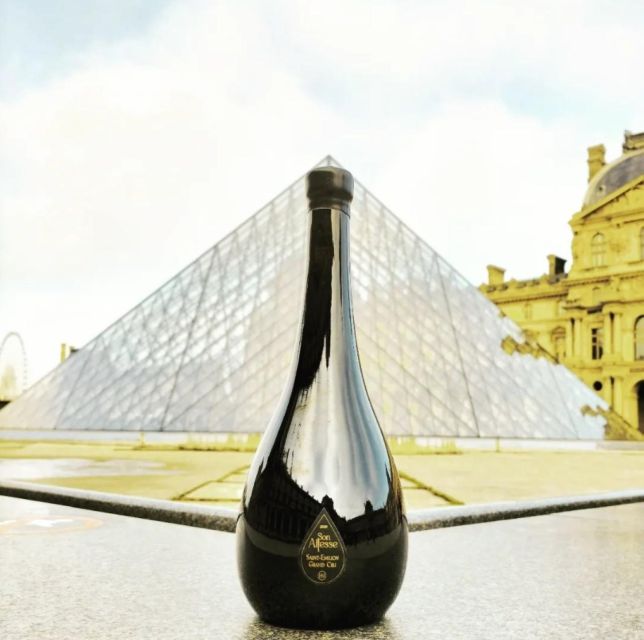
After the tasting, you can purchase your favorite wines from the estate. Shipping can also be arranged, which is useful if you do not want to carry bottles through the rest of your trip.
This option gives the tour a clear practical advantage. You taste the wines first, hear how they are made, and then decide what you actually want. You are not buying blindly from a shelf.
Several visitors have bought bottles, and some have taken home cases. That does not mean you need to purchase anything. The tour remains worthwhile as a visit even if you leave with only your notes and memories. But if you find a wine you like, buying directly from the estate gives you a more personal souvenir than picking up an anonymous bottle at an airport shop.
Ask about shipping if you are flying home or continuing around France. The experience provides that option, but the supplied details do not specify destinations, costs, or delivery times. Those points should be confirmed at the estate before you buy.
Is $18 good value for 75 minutes?
Yes, particularly if you want more than a quick tasting. For $18 per person, you receive a guided visit to the vineyard, production cellar, and barrel cellar, plus four wines. The guide is one of the family owners, and the group is capped at 10 people.
That is a strong package for Saint-Émilion, where château visits can become expensive once a formal tasting and several wines are included. The price is especially fair for first-time wine visitors who want the basics explained without committing to a long or costly program.
The value also comes from the range of the tour. You are not paying only for four glasses. You get the family background, the grape varieties, the fermentation and pressing process, barrel aging, and the chance to ask questions in a small group.
There are limits. The tour is short, so the vineyard portion cannot cover every detail of estate work. Transportation is not included, food is not included, and the tour is tied to a specific meeting point at Château Haute-Nauve. If you need a pickup from Bordeaux or central Saint-Émilion, this is not a transport-inclusive excursion.
One practical tip is to plan your route before booking. Visitors have used taxi or ride-hailing services from Saint-Émilion, but the experience itself does not provide transportation. Give yourself enough time to reach the château and return afterward.
Who will enjoy this family vineyard tour?
I would choose Château Haute-Nauve if you want a friendly introduction to Bordeaux wine with real access to the people running the estate. It suits couples, small groups of friends, and families with adults who want a manageable 75-minute activity.
It is also a good match if you prefer direct explanations over grand ceremony. The family ownership, small group, and relaxed tasting keep the focus on the work and the wine.
Beginners should feel comfortable here. The guide explains the process step by step, and English is available. You do not need to arrive with a vocabulary of wine terms.
Wine fans will also find enough substance to make the visit worthwhile, especially in the cellar sections. You can ask about production methods, aging, and the differences between the four wines. Just keep your expectations realistic: this is a compact estate visit, not an advanced certification class.
I would think twice if your priority is a meal, a long walk through the countryside, or a famous grand château with ornate rooms. None of those is the main point here. This is a working family winery, and that is precisely its appeal.
Practical details before you book
The experience lasts 75 minutes, though the visit may run longer if the guide continues answering questions. Starting times vary, so you need to check availability for your chosen date.
The meeting point is Château Haute-Nauve. Transportation is not included, so work out your route in advance. Comfortable shoes are recommended, along with a hat for the outdoor part of the tour.
Tours are offered in French and English. Groups are limited to 10 participants, which helps keep the visit personal and makes conversation easier.
You can cancel up to 24 hours before the activity for a full refund. The reserve-now-and-pay-later option lets you hold a place without paying immediately, which is useful if your Saint-Émilion plans are still moving around.
Should you book Château Haute-Nauve?
Book this tour if you want a personal family welcome, a clear explanation of winemaking, and four wines for $18. The strongest part is the combination of access and value: Marie-Anne or Florent guides you through the actual production spaces, then helps you understand what is in your glass.
It is a particularly good choice for a first Saint-Émilion winery visit, or for anyone tired of tours that spend more time on polished presentation than on useful detail. Bring comfortable shoes, arrange your own transport, and leave room in your luggage, or ask about shipping if one of the wines wins you over.
Skip it only if you need transport, food, or a longer, more formal château program. For a short, friendly, family-run introduction to Saint-Émilion wine, Château Haute-Nauve is an easy recommendation.
FAQ
How long does the Château Haute-Nauve visit last?
The scheduled experience lasts 75 minutes. The visit may run longer if the guide continues answering questions.
How much does the tour cost?
The listed price is $18 per person.
Which wines are included in the tasting?
You taste four Château Haute-Nauve wines: two Saint-Émilion Grand Cru wines, one Saint-Émilion wine, and one rosé.
Who leads the tour?
The tour is led by Marie-Anne or Florent, members of the fourth generation of the family that owns Château Haute-Nauve.
Is the tour available in English?
Yes. The live tour guide is available in English and French.
How large is the group?
The experience is limited to 10 participants.
Is transportation included?
No. You must go to Château Haute-Nauve independently.
Can I buy or ship the wine after the tasting?
Yes. You can purchase your preferred wines from the estate or arrange to have them shipped home.
Newest wine reviews around France
- Saint Emilion Full Day Wine and Bike Tour★ 5.0 · 167 reviews
- Private Bordeaux History Tour with a glass of Bordeaux wine.★ 5.0 · 28 reviews
- Private – Best of Bordeaux Walking Tour + Glass of Bordeaux Wine★ 5.0 · 240 reviews
- Medoc Afternoon Wine Tour – 2 Wineries, tastings & delicacies★ 4.5 · 74 reviews
- Luxurious full day Bordeaux wine tour in a Tesla★ 4.5 · 31 reviews
- Bordeaux wines tasting workshop including Food & Wine pairings★ 5.0 · 31 reviews
- Wine Masterclass & Cheese Tasting Workshop in Bordeaux★ 5.0 · 29 reviews
- Discovery of the Bordeaux vineyard in 3 wines★ 5.0 · 133 reviews
Vineyard Tours, compared.
Douro Valley Tour: 2 Vineyard Visits, River Cruise, Winery Lunch
Read our review →
Toledo Tour & Vineyard Walk with Wine Tasting from Madrid
Read our review →
Half day Chianti Vineyard Escape from Florence with Wine Tastings
Read our review →
Douro Valley Wine Tour: 3 Vineyard Visits, Wine Tastings, Lunch
Read our review →
Full-Day Winelands Tour with Wine Tastings & Food
Read our review →
African Story Wine Tours in the Cape Winelands
Read our review →
Saint-Émilion: Bordeaux Vineyard Tour and Wine Tasting
Read our review →Lists this tasting appears in