
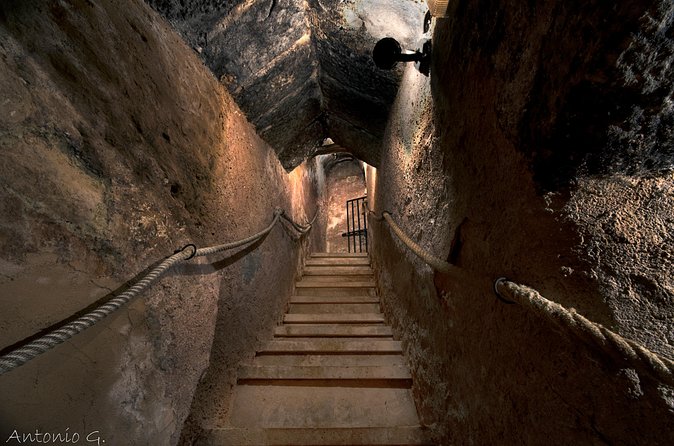
Reviewed · WINE CELLAR VISITS
Ribera del Duero Underground Cellar & Wine Tasting Experience
Aranda de Duero keeps part of its wine story below street level. At Don Carlos Bodega Historica, you enter an old subterranean cellar, hear how wine shaped the town, and taste Ribera del Duero bottles with a local guide. The tasting can include six wines, and guides such as Diego and Cristina bring useful detail without turning the visit into a lecture.
I like the way this experience connects the wine in your glass to the cellar under your feet. I also like its focus on small producers, which gives the tasting a more local feel than a standard brand lineup. The main drawback is its short length: at about 75 minutes, it offers a focused introduction rather than a full-day wine excursion, and you must arrange your own transport to Aranda de Duero.
Key points to know before booking
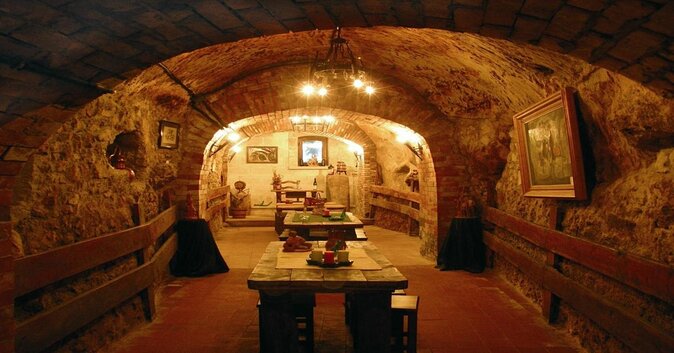
- The cellar is underground: You enter through the Don Carlos wine shop and head below the streets of Aranda de Duero.
- The tasting can include six wines: This gives you a useful comparison of Ribera del Duero styles within a short visit.
- The guides are the heart of the visit: Diego and Cristina are named guides, and the experience is offered in English and Spanish.
- Small producers get attention: The tasting is not limited to the most familiar regional labels.
- The tour is private: Only your group participates, making it easier to ask questions and set your own pace within the scheduled visit.
- You must get there yourself: Transportation to and from the winery is not included, so plan around the meeting point at C. Isilla, 1.
Why Aranda de Duero’s underground cellars matter
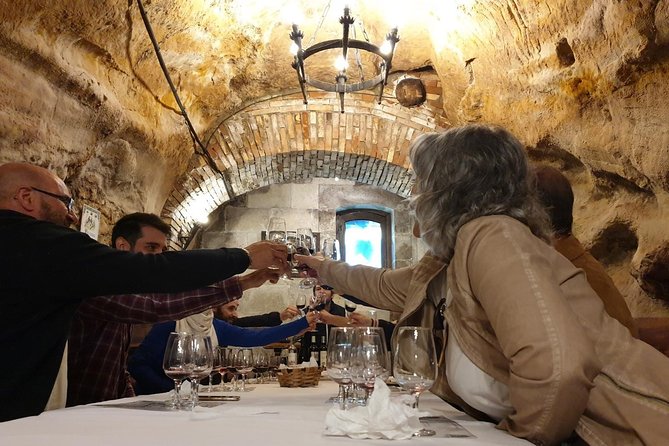
Ribera del Duero is often approached through its famous bottles, but the old cellar system gives you a different starting point. In Aranda de Duero, wine production is tied to the town itself, not just to distant vineyards and modern tasting rooms.
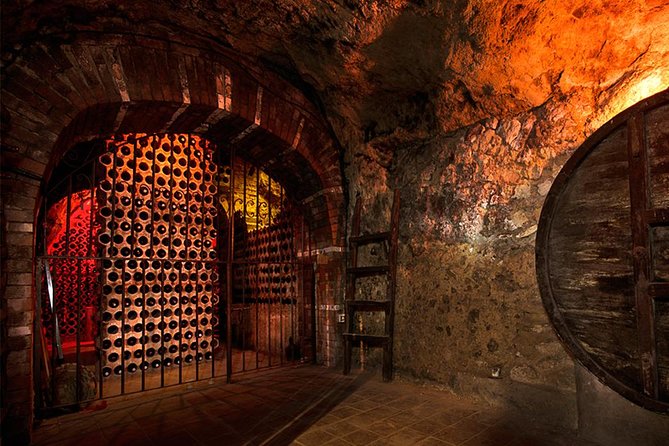
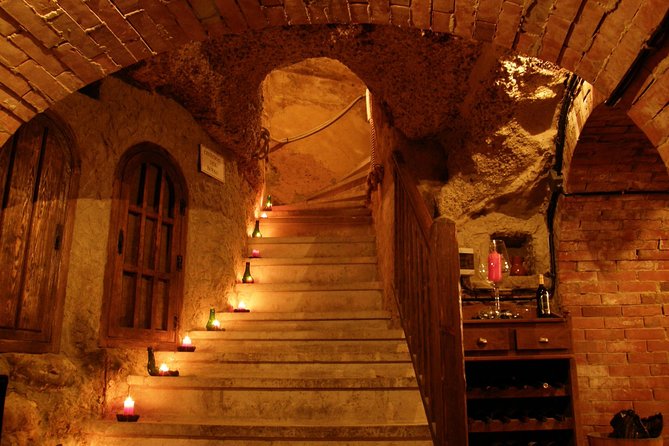
The cellar beneath Don Carlos Bodega Historica is a restored space linked to the traditional winemaking of the region. As you walk below ground, the guide explains how the cellar system worked and how wine helped shape the town’s past. That physical setting makes the subject easier to grasp than a talk held in an ordinary shop or restaurant.
You are not simply looking at barrels or tasting labels. You are seeing the kind of working space that supported local wine culture. The details of the cellar and the explanation of regional methods give the tasting a useful foundation.
This is also why the experience suits someone who wants more than a quick sip at a counter. The cellar adds place and context. You can connect the flavors to Aranda de Duero and to the long practice of making and storing wine below the town.
More Wine Tastings in Spain
- Montserrat & Cogwheel Train, Gourmet Wine Tasting & Tapas/Lunch
★ 5.0 · 6,290 reviews - Madrid Tapas & Wine Tasting Walking Tour – Small Group Local Bars
★ 5.0 · 3,644 reviews - Toledo Tour & Vineyard Walk with Wine Tasting from Madrid
★ 5.0 · 2,546 reviews
Entering Don Carlos Bodega Historica
The meeting point is C. Isilla, 1, in Aranda de Duero. The visit begins at Don Carlos Bodega Historica, where the guide welcomes your group before taking you through the subterranean wine cellars.
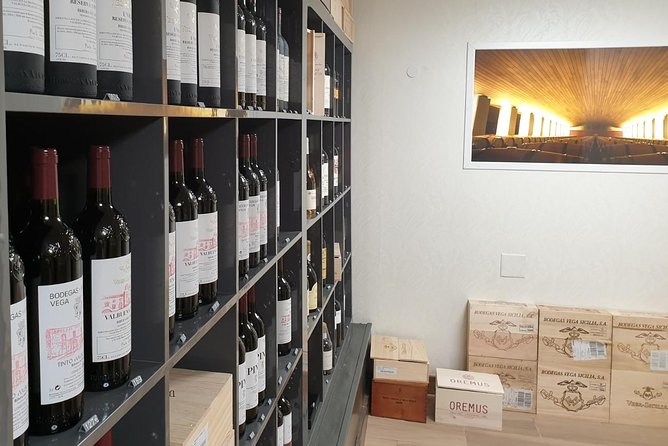
You enter through the wine shop, then continue below street level. That arrangement is practical: you get your bearings at the shop, begin the historical explanation, and finish in a place where you can look at bottles or buy wine if you choose.
The cellar has been restored, so you should expect a historic setting prepared for visitors rather than an untouched work site. Its value comes from the sense of how the old system functioned and from the guide’s explanation of traditional wine production.
The first part of the visit is brief, but it sets up the tasting well. Instead of drinking before you know anything about the region, you first hear why these cellars exist and how they fit into Aranda de Duero’s story.
What you learn beneath the town
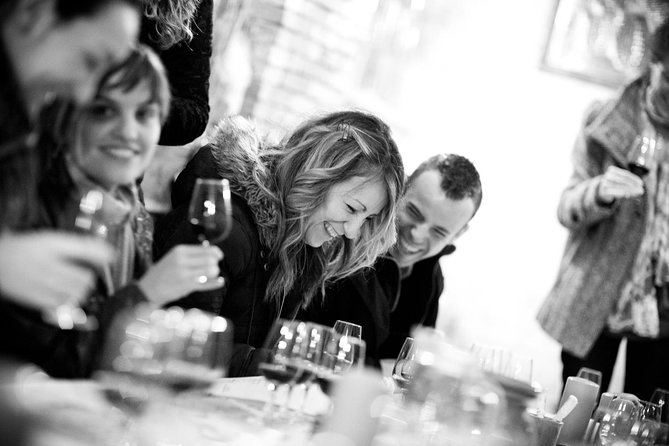
The guide explains the history of the cellar and the traditional winemaking methods of the Ribera del Duero region. The exact emphasis can vary by guide, but the purpose is clear: to show how local conditions, cellar design, and regional habits come together in the finished wine.
English and Spanish are available, which makes the visit useful for international visitors who want more than a tasting card. The named guides include Diego and Cristina. Diego is associated with a detailed explanation of the cellar system, while Cristina is described as friendly, patient, and clear in her teaching.
That personal element matters in a cellar tour. Wine terms can pile up quickly, and a good guide helps you sort out what is useful. You can ask about differences between bottles, traditional methods, or the role of smaller producers rather than simply moving from one glass to the next.
The experience is private, with only your group taking part. This is a meaningful advantage if you have questions or prefer a quieter visit. It also means the quality of the conversation depends on what you ask. Bring a little curiosity, and you will get more from the limited time.
The Ribera del Duero tasting
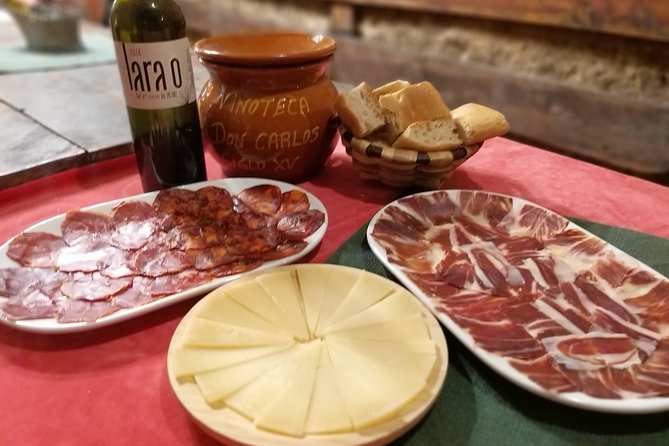
The tasting is the main payoff. The experience specializes in small producers, and the tasting can include six wines. That is a strong number for a 75-minute visit because it lets you compare several bottles without turning the session into a long drinking event.
A tasting of six wines can show you how much variation exists within one Spanish wine region. You might notice differences in style, weight, oak influence, or fruit character, though the exact lineup is not specified in advance. The guide provides the regional context, so you are not left to judge each glass without help.
I like the small-producer focus because it may lead you beyond the most familiar names. You should not book this expecting a broad survey of every Ribera del Duero winery, but you can expect a closer look at selected regional wines.
The tasting is also a useful planning tool for the rest of your trip. If one bottle catches your attention, you can ask about it and decide if you want to buy wine afterward. The shop is open as part of the visit, and wine can be purchased after the cellar tour. Shipping to the United States was available for at least one purchaser, but you should confirm current shipping arrangements before relying on that option.
Remember that the minimum drinking age is 18. Children must be accompanied by an adult. Since alcohol is included, the experience is aimed at adults interested in wine, though the cellar history may still appeal to an adult accompanying a younger visitor.
More Rioja and Ribera Wine Tours in Spain:
- Rioja Like A Native Wine Tour
★ 5.0 · 385 reviews - Ribera del Duero Wineries Guided Tour & Wine Tasting from Madrid
★ 5.0 · 328 reviews - Ribera del Duero:4 Wineries, tasting & Lunch included from Madrid
★ 5.0 · 199 reviews - From Madrid: Ribera del Duero Tour of 3 Wineries w/ Tastings
★ 4.9 · 150 reviews
How the 75 minutes are spent
The advertised duration is about one hour and 15 minutes. That makes this an easy addition to a day in Aranda de Duero, especially if you have other plans in the town or are passing through the Ribera del Duero region.
The visit begins with a welcome at Don Carlos Bodega Historica. You then move through the underground cellar, hear about its history and traditional wine production, and finish with the Ribera del Duero tasting.
The short format is both a strength and a limit. I like it for a first introduction because you receive the key elements without giving up half a day. It is also a sensible choice if you are traveling with companions who enjoy wine but do not want a long technical tour.
On the other hand, you should not expect vineyard walks, a full meal, transportation between wineries, or an extended look at modern production. None of those are part of the stated experience. This is a compact cellar visit and tasting, not a full regional wine circuit.
The schedule also calls for a minimum number of participants, although cancellations are described as very rare. If the visit were canceled, you would receive a full refund or an alternative time.
Is $54.07 a fair price?
At $54.07 per person, this is not the cheapest way to sample Spanish wine. It is also more than the cost of buying one bottle and tasting it on your own. The price makes more sense when you count the private visit, the local guide, the historic cellar, the regional explanation, and the alcohol included.
The tasting can include six wines, which gives the price reasonable weight if you enjoy comparing bottles. You are paying for interpretation as much as for the wine. A guide who explains the cellar and the regional methods can help you understand what you are tasting, rather than leaving you with six glasses and a list of names.
The private format adds value for couples, families of adults, or small groups with shared interests. A group discount may also be available, though the amount is not specified. If you are mainly looking for the least expensive drink in Aranda de Duero, this is not the right measure. If you want a structured introduction to the town’s wine culture, the cost is easier to justify.
The lack of included transportation is important. You need to reach C. Isilla, 1, in Aranda de Duero on your own. If you are staying elsewhere in the Ribera del Duero area, factor in your transport costs and timing before booking.
Who will get the most from this cellar visit?
I would recommend this experience to you if you are already planning time in Aranda de Duero and want a clear introduction to its wine traditions. It is especially suitable for people who enjoy old town history, small-scale wine tasting, and direct conversation with a local guide.
It also works well for a couple or private group. Since only your group participates, you can ask questions that might be difficult in a large public tasting. English and Spanish availability makes it practical for visitors who do not speak Spanish fluently.
This may not be the best choice if you want a full vineyard day. You will not be transported from winery to winery, and the visit lasts only about 75 minutes. It is also less suitable for someone who does not drink alcohol, since the tasting is a central part of the experience.
Families can participate under the stated rules, but children must be accompanied by an adult. Since the minimum drinking age is 18, younger members of your group will not take part in the alcohol tasting.
Practical details that affect your visit
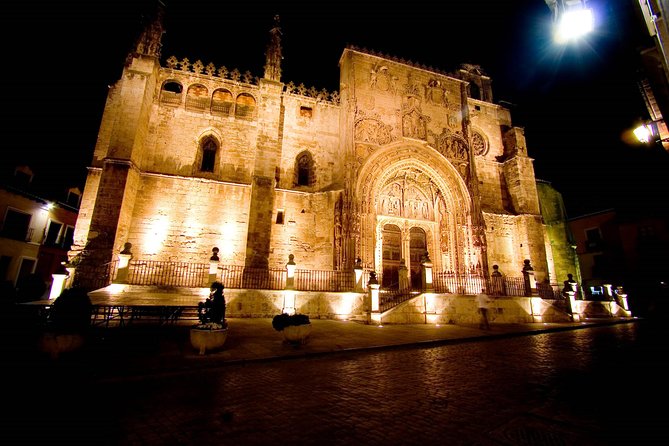
The tour begins and ends at the same meeting point, C. Isilla, 1. That makes it easy to fit into a walking day in Aranda de Duero, since you do not need to arrange a separate return from the cellar.
A mobile ticket is accepted, and confirmation is provided when you book. The experience is offered in English and Spanish. If language matters to you, select the correct option when making your reservation.
Wear something comfortable for a short underground visit. The supplied information does not specify cellar temperature, stairs, or accessibility details, so you should contact the provider if you need particular access arrangements.
Book with some advance planning if your schedule is fixed. The experience is booked an average of 53 days ahead, which suggests that popular dates can fill early. At the same time, free cancellation is available up to 24 hours before the start time. A cancellation inside that 24-hour window is not refundable, and changes made within that period are not accepted.
The provider is Bodega Historica Don Carlos S.XV. Your guide may be Diego, Cristina, or another local expert, depending on the date.
Should you book the Don Carlos cellar experience?
Book it if you want a focused, personal introduction to Aranda de Duero wine. The restored underground cellar gives the visit a real sense of place, while the six-wine tasting and small-producer focus make the experience more useful than a quick commercial sampling.
I would especially choose it for a first visit to Ribera del Duero, a private group, or anyone who wants to connect local history with the wine in the glass. The guides, including Diego and Cristina, add the human side that makes a short tour worthwhile.
Skip it if you are seeking vineyard scenery, a full day of winery visits, or included transport. For those needs, you would need a larger regional tour. For a compact cellar visit in central Aranda de Duero, though, this is a well-priced and practical choice, provided you value explanation as much as tasting.
FAQ
Where does the wine cellar experience begin?
It begins at C. Isilla, 1, 09400 Aranda de Duero, Burgos, Spain, at Don Carlos Bodega Historica.
Where does the experience end?
The activity ends back at the same meeting point.
How long does the experience last?
The visit lasts approximately one hour and 15 minutes.
Is transportation to the winery included?
No. You are responsible for transportation to and from the winery.
What languages are available?
The tour is available in English and Spanish.
How many people take part?
This is a private activity, so only your group participates. It is also described as a small-group experience.
What wines are included?
Ribera del Duero wines are included, with a focus on small producers. The tasting can include six wines.
What is the minimum drinking age?
The minimum drinking age is 18.
Can children join the experience?
Children may participate but must be accompanied by an adult.
Can I cancel for a full refund?
Yes. You can cancel at least 24 hours before the experience start time for a full refund. Cancellations made less than 24 hours before the start time are not refunded.
More Wine Cellar Visits in Spain
- Salou: Priorat tasting Wine-Cellar Tour with hotel pickup
★ 4.6 · 65 reviews - Montserrat Tour with Winery Lunch & Exclusive Cellar Experience
★ 5.0 · 39 reviews - Montserrat Private Day Trip with Codorniu Cava Cellar Tasting
★ 4.5 · 33 reviews - Porto: Bridges Cruise & Sunset & Port Wine Cellar Option
★ 4.2 · 4,180 reviews
Newest wine reviews around Spain
- Visit a winery of the 19th century and its draft★ 5.0 · 62 reviews
- Visit and Wine Tasting at the Territorio Luthier Winery★ 5.0 · 89 reviews
- Semi-Private Rioja Tour of 3 Premium Wineries from Bilbao★ 5.0 · 128 reviews
- Basque Best Bites – #1 Food & Wine tour of Bilbao★ 5.0 · 268 reviews
- Rioja & Txakoli Wine Tasting in Bilbao with a Local Sommelier★ 5.0 · 40 reviews
- Rioja wine region with visit to winery & Vitoria-Gasteiz★ 4.5 · 32 reviews
- Bilbao Pintxo Tasting Paired With Spanish Wines★ 5.0 · 55 reviews
- La Rioja Boutique Wine Tour & Charming Lunch (From Bilbao)★ 5.0 · 62 reviews
Wine Cellar Visits, compared.
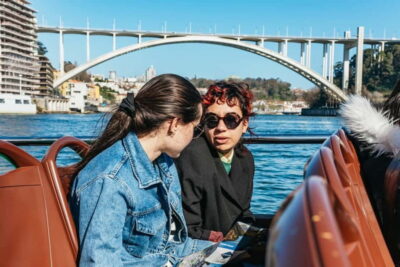
Bridges Cruise & Sunset & Port Wine Cellar Option
Read our review →

Hop-on Hop-off Bus with Optional Cruise & Wine Cellar
Read our review →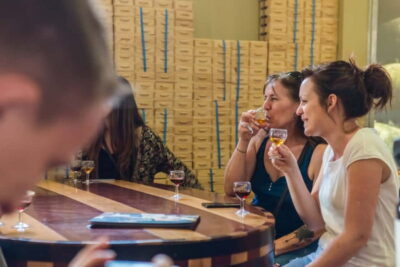
Magic Train Tour and Port Wine Cellar with Tastings
Read our review →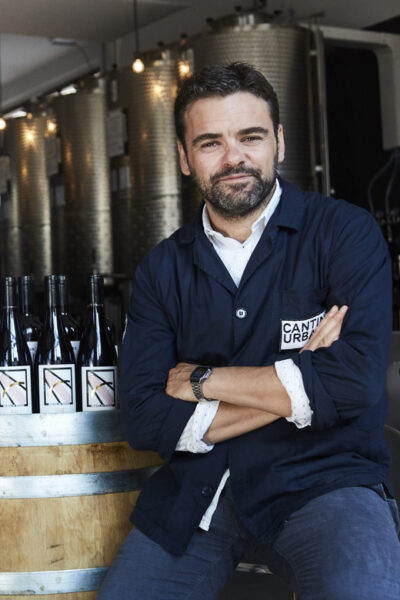
Milan Urban Winery: Taste & Tour at Cantina Urbana
Read our review →
Lists this tasting appears in