
Reviewed · CHAMPAGNE TOURS
Champagne: Champagne Tasting Class with Lunch
The best part of this Aÿ-Champagne experience is that it treats Champagne as both a drink and a place. You visit the family-run Le Clos Corbier, see cellars dug in the 1850s, study a traditional press, then sit down to taste wines with local food. It feels more personal than a quick stop at a famous brand.
I like the nose and palate workshop, which gives beginners a useful way to think about aroma instead of simply asking if a wine tastes good. I also like the generous lunch, with dishes such as pâté en croûte, Langres cheese, and pink biscuit cake matched with Champagne, red Côteaux Champenois, and Ratafia.
The main consideration is the bilingual format when English and French are both used. It can make explanations last longer, and you need your own transport to reach the meeting point. Bring a jacket too, since the cellars average about 10°C.
Key points at a glance
- A family Champagne house in Aÿ: Le Clos Corbier offers a more intimate look at small-scale production than a major commercial cellar.
- A real tasting lesson: Aroma games, a quiz, and blind tasting help you understand what you are drinking.
- Three Champagnes compared: You taste wines from different small wineries and try to identify them without seeing the labels.
- A serious regional lunch: Homemade specialties include pâté en croûte, Langres cheese, and pink biscuit cake.
- More than Champagne: The tasting continues with Côteaux Champenois red wine and Ratafia, a local spirit.
- Three hours, with no transport included: Plan your route to the Clos Corbier sign and allow time to arrive before the session begins.
Why Le Clos Corbier feels different from a big Champagne tour
Many Champagne visits focus on a grand name, polished displays, and a long sales history. Le Clos Corbier gives you a closer look at the family side of the region. The setting is a typical Champagne house among the vineyards of Aÿ-Champagne, with a cellar, a traditional press, and a meal prepared around local products.
That difference matters if you want to understand how Champagne fits into everyday regional life. You are not only learning how bottles are made. You are also tasting the foods and other wines that belong to the area.
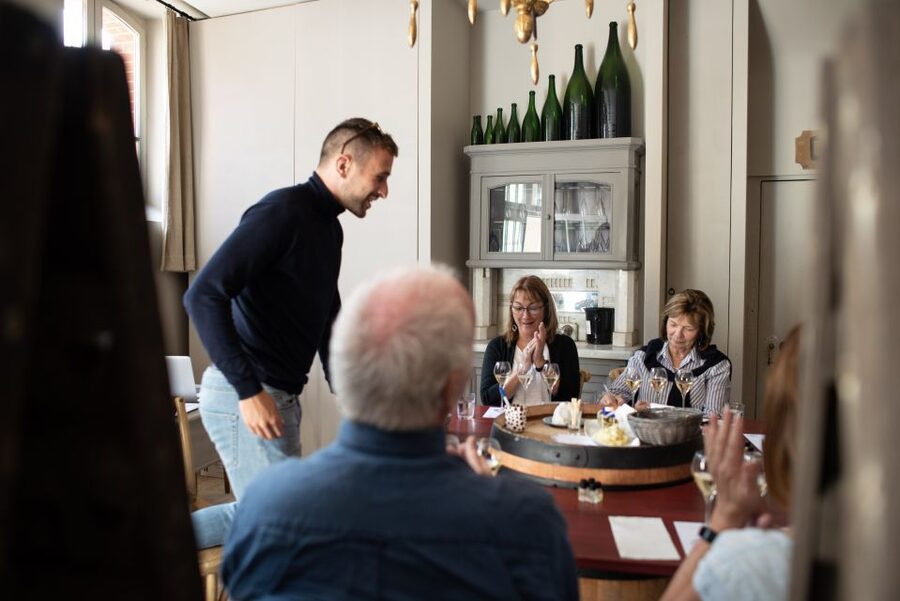
The house has a strong personal touch. Depending on the day, your guide may be Charlotte, Marie, Emma, Amanda, Estelle, or another member of the team. The names change, but the pattern is clear: the guides explain the process in English or French, answer questions, and keep the class relaxed rather than overly formal.
The owner has also joined some groups for an informal question-and-answer session. That is the sort of small detail that can make a family house feel human. It is not guaranteed, so treat it as a pleasant possibility rather than a scheduled part of the tour.
More Champagne Tours in France:
- Paris 3-Courses Gourmet Dinner Seine River Cruise with Champagne
★ 4.0 · 1,659 reviews - Top Private Cruises in Paris with French Champagne and surprises
★ 5.0 · 1,553 reviews - From Paris: Day Trip to Champagne with 8 Tastings & Lunch
★ 4.8 · 1,501 reviews
Starting with the Champagne-making process
The visit begins at Le Clos Corbier, where you look for the sign and ring the doorbell. Since transportation is not included, this is a self-arrival activity. Check your route carefully before leaving Epernay or another base in the region.
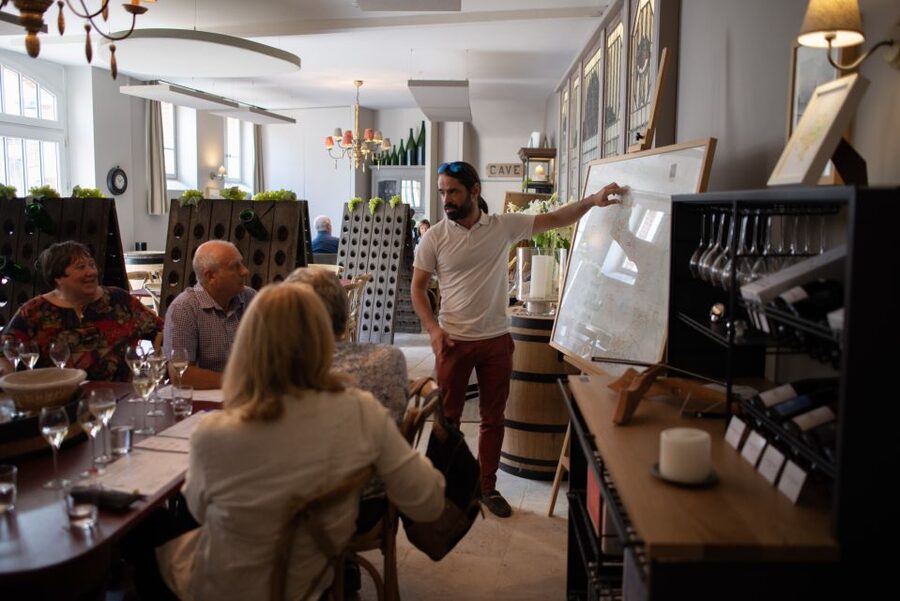
The cellar visit provides the historical frame for the tasting class. You see underground spaces dug in the 1850s and a traditional press, then learn the main stages of Champagne production. The cellar temperature averages 10°C, so a jacket is not optional comfort in cooler weather.
The cellar section is useful even if you have already visited another Champagne house. It gives you physical context for the bottles in front of you. Instead of treating production as a list of technical terms, you can connect it to the old press, the underground storage space, and the working traditions of the house.
The tour is not described as a vineyard walk, so do not book it expecting a long stroll among the vines. The setting is in the middle of the Champagne area, but the focus is the house, the cellars, the tasting room, and the meal.
The aroma workshop makes tasting less intimidating
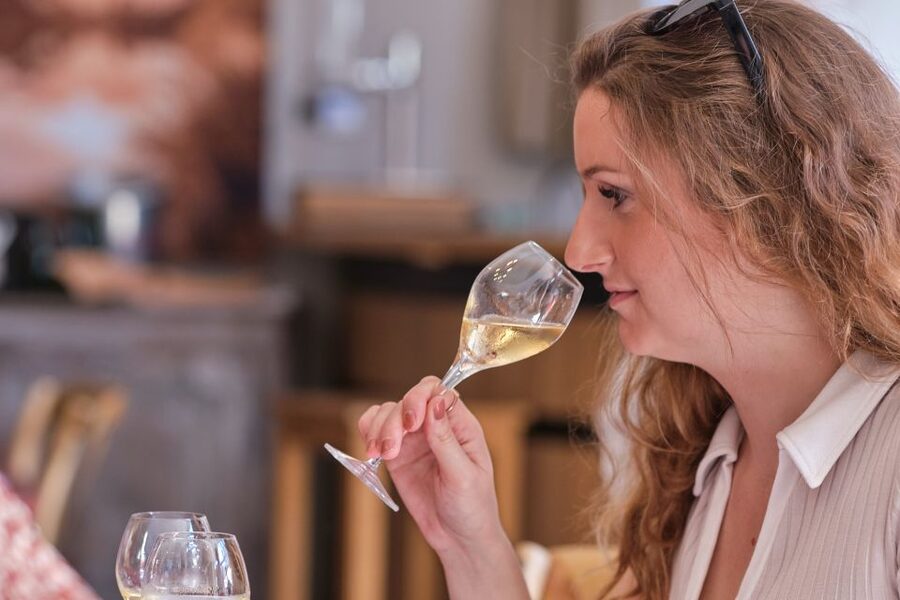
After the cellar visit, you sit down for the class. The guide introduces tasting tips and uses an olfactory workshop to train your nose. You work with the kinds of aromas and flavors found in Champagne, then apply those ideas to the wines you taste.
This is especially helpful if you are new to wine. Champagne vocabulary can become silly when it is presented as a contest to find the most poetic description. Here, the aroma exercise gives you a practical method: smell carefully, compare what you notice, and pay attention to how the wine changes in your mouth.
I would not worry about getting every answer right. The point is to sharpen your senses, not prove that you have a professional palate. Guides such as Emma and Estelle have been praised for explaining the topic clearly in English, making the session comfortable for beginners.
The Champagne quiz adds a bit of friendly competition. You review what you have learned about the grapes, the region, and the production method. Some groups receive a certificate at the end, which makes a cheerful souvenir for a birthday, anniversary, or first visit to the region.
Blind tasting three Champagnes from small wineries
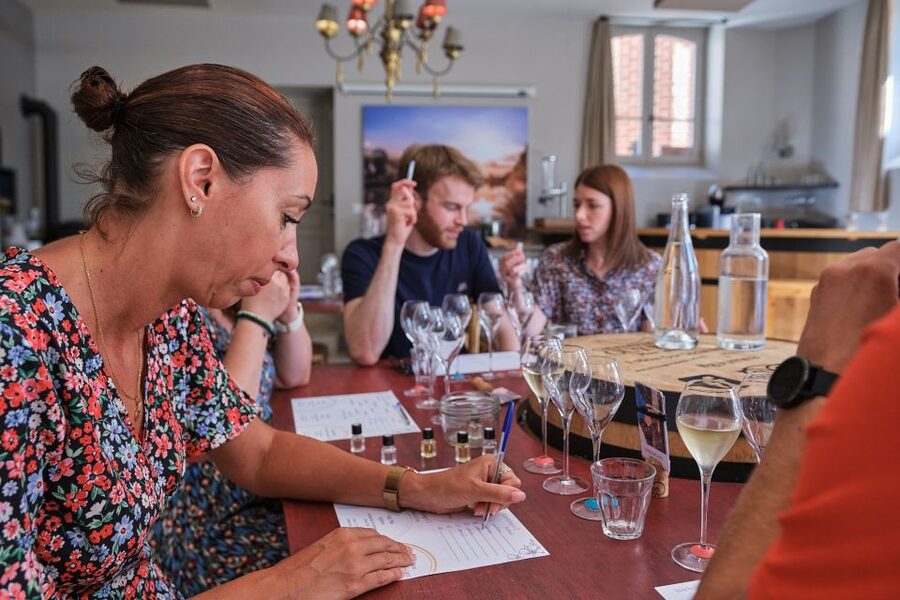
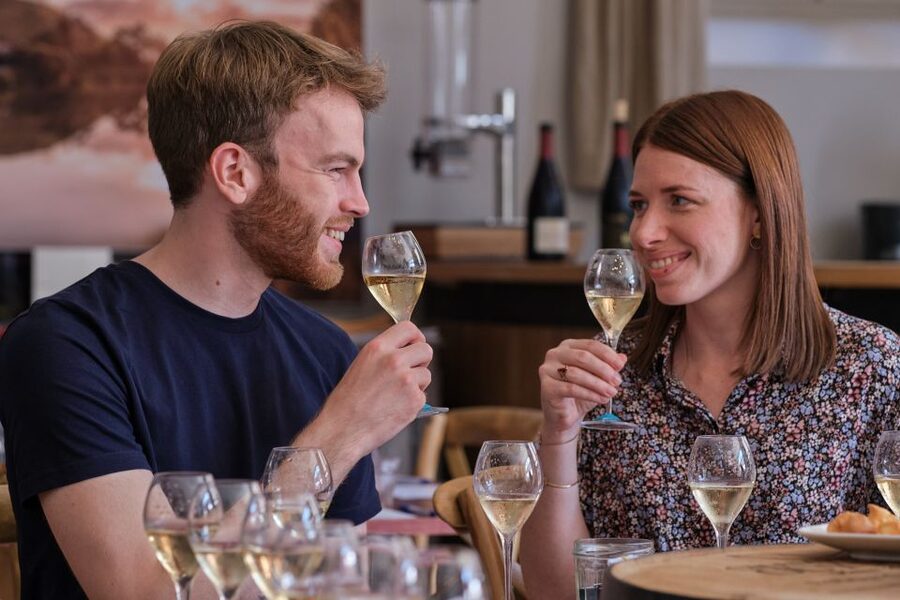
The most playful section is the blind tasting. Three Champagnes from different small wineries are served without the labels visible. You compare them and try to identify differences in style, aroma, and taste while eating local snacks.
This is where the earlier workshop becomes useful. You are not just drinking three glasses in succession. You are trying to put words to what you notice, then testing your guesses. The class works well for couples and small groups because everyone can make a prediction without feeling that the result matters too much.
The tasting is also a good introduction to the range of Champagne. A famous label can dominate a restaurant list, but small wineries give you a sense of the region beyond the best-known names. The goal is not to declare one wine the winner. It is to see how grapes, blending, production choices, and house style can shape the final glass.
The included snacks keep the exercise grounded. Champagne on an empty stomach is never a clever plan, and the food lets you pay attention to the wine without rushing. The activity includes six wine tastings overall, although the main comparison centers on three Champagnes.
More Long Lunches in France:
- Paris Cooking Class and Lunch with Wine plus Market Visit Option
★ 5.0 · 1,024 reviews - Saint-Emilion Electric Bike Day Tour with Wine Tastings & Lunch
★ 5.0 · 696 reviews - Champagne Day Trip from Paris with 8 Tastings & Lunch
★ 4.5 · 607 reviews - Paris: Wine and Cheese Lunch
★ 4.9 · 596 reviews
A regional lunch with more than sparkling wine
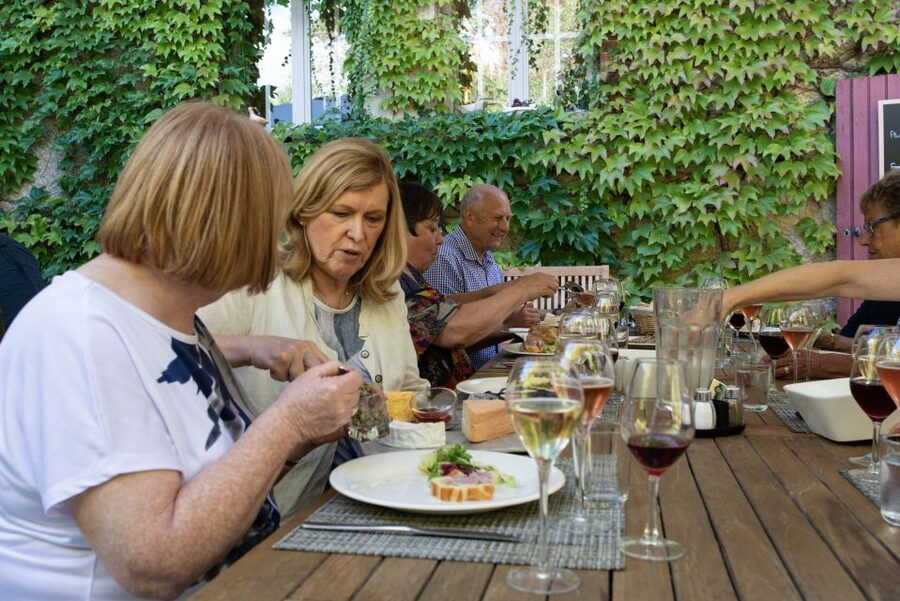
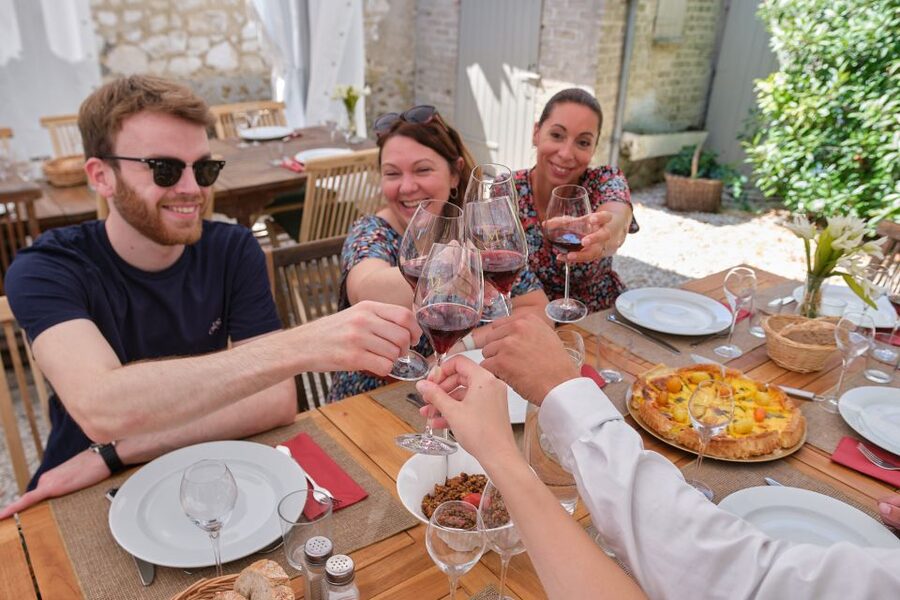
Lunch is a major part of the value here. You sit down to homemade regional specialties rather than receiving a token plate of crackers. The menu can include pâté en croûte, Langres cheese, and pink biscuit cake, all connected to the food traditions of the area.
Pâté en croûte is a meat filling baked inside pastry, and it gives the meal a substantial opening. Langres is a soft French cheese with a strong local identity. Pink biscuit cake adds a sweet finish and a clear Reims connection. Exact dishes can vary, but the meal is built around regional ingredients and home cooking.
The Champagne continues through lunch, so you can think about pairing rather than tasting in isolation. This is one of the strongest parts of the experience for me. A tasting class can feel technical, but food shows how the wine works at the table, which is how most people will actually enjoy it after the trip.
The meal has also been praised for generous portions and a pleasant, relaxed setting. On a sunny day, lunch may take place outside. On a cooler or wet day, you should expect the house to provide an indoor setting, but the outdoor option is not something to count on.
The final pours broaden the lesson. You taste Côteaux Champenois, the region’s still red wine, and Ratafia, a local liquor. These drinks help you understand that the Champagne region is not defined by bubbles alone. The red wine may be unfamiliar to many visitors, while Ratafia offers a sweeter, stronger finish.
What the three-hour schedule feels like
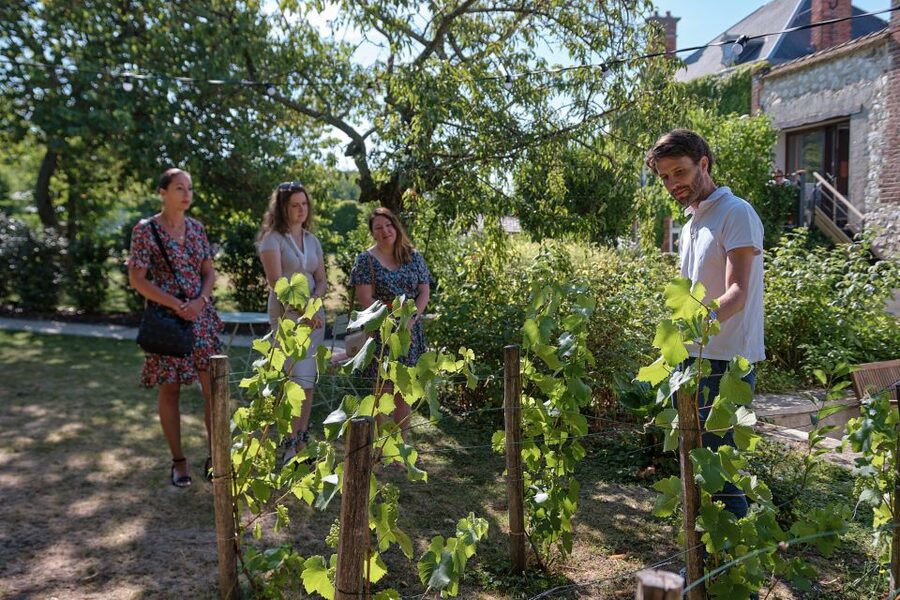
The activity lasts three hours and ends in the early afternoon. That makes it easy to fit into a day based in Epernay or Aÿ-Champagne, provided you arrange transportation to and from the house.
The pace is active but not rushed. You move from cellar and production talk to class, aroma work, blind tasting, snacks, and lunch. Because the lunch is part of the main program, this is not a quick tasting you can squeeze in between unrelated appointments.
The bilingual format deserves a practical note. Guides speak English and French, and some sessions are delivered in both languages. That is useful for mixed-language groups, but it can lengthen the explanations. If you want a very fast, highly streamlined visit, this may feel slow. If you like asking questions and learning through conversation, the extra time is usually worthwhile.
Groups are described as small and intimate in the strongest feedback, though a specific maximum group size is not provided. The atmosphere is social, and the quiz and blind tasting give people an easy way to interact. If you prefer complete privacy or a private tasting for two, confirm the group arrangement before booking.
Who will get the most from this experience
I would recommend this to first-time Champagne visitors who want more than a glass and a photograph. The class gives you enough background to understand the region, while the meal keeps the day from feeling like a lecture.
It also suits people who have already visited a major Champagne house and now want a smaller family setting. The traditional press, older cellars, local wines, and direct contact with the house offer a different angle.
Food lovers should pay attention to this one. The lunch is not an add-on in spirit. It is central to the experience, and the pairing of local dishes with several wines gives the visit a strong sense of place.
You should think twice if you dislike group activities, tasting games, or bilingual explanations. The workshop is designed to be interactive, not silent and formal. Children under 18 cannot drink alcohol, and the activity is not intended as a drinking experience for minors.
The house can adapt lunch for allergies or specific diets. Tell the provider in advance so the kitchen has a clear chance to prepare. Assistance dogs are allowed, but other pets are not.
Is $106 a fair price?
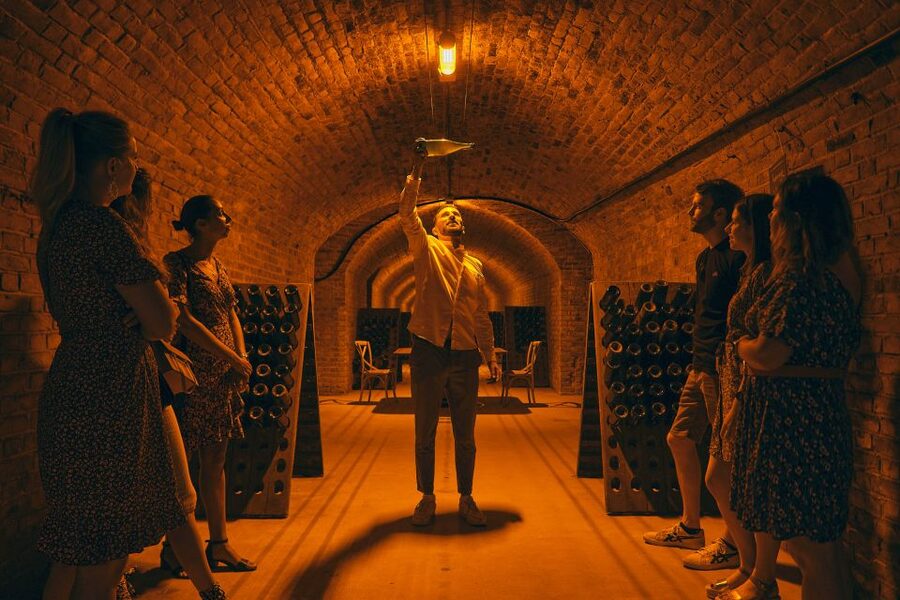
At $106 per person, this is not the cheapest Champagne tasting in the region. The price includes the guide, entry fees, cellar visit, six wine tastings, local snacks, and lunch. That last item changes the calculation.
If you priced a cellar visit, three or more Champagne samples, additional regional wines, and a full meal separately, the package would likely compare well. You also avoid the guesswork of ordering wines and food on your own, and the tasting class gives you skills you can use at other houses.
The strongest value comes from the combination of education and lunch. A basic cellar tour may explain production but leave you hungry. A restaurant meal may offer local food but teach you little about Champagne. This activity joins both parts in one three-hour visit.
The price makes less sense if you mainly want to sample one famous label or buy bottles from a major producer. Le Clos Corbier is better for learning, eating, and meeting the people behind a smaller house.
Free cancellation up to 24 hours before the activity and reserve-now, pay-later booking add flexibility. Those terms are useful when weather, transport, or a changing Champagne itinerary makes planning uncertain.
Practical advice before you go
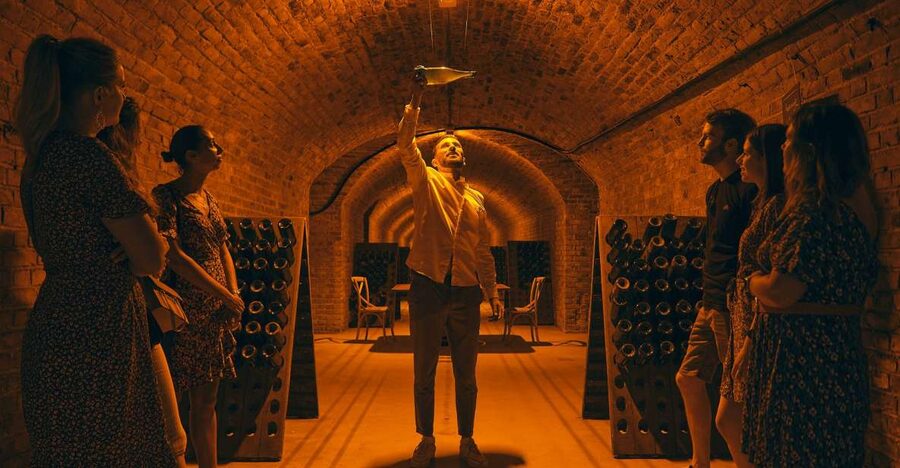
Wear comfortable clothes for the cellar and bring a jacket. The cellars average 10°C, even when the weather outside feels mild.
Do not plan to drive immediately after the tasting without considering the alcohol served. The experience includes Champagne, red wine, and Ratafia, and the pours are described as generous. Arrange a safe return before you arrive.
Look for the Clos Corbier sign and ring the doorbell at the meeting point. Transportation is not included, so check the route and allow enough time to find the entrance.
If your group includes both English and French speakers, expect the guide to use both languages. The explanations may take longer, but it also means everyone can follow the production lesson and tasting games.
Should you book Le Clos Corbier?
Book it if you want a personal, food-centered introduction to Champagne with enough instruction to improve your tasting skills. The 1850s cellars, aroma workshop, blind comparison, regional lunch, and less familiar wines make this more useful than a simple pour-and-leave visit.
Skip it if your priority is a grand brand, a private appointment, or a short tasting with no games or meal. For most visitors spending time in Aÿ-Champagne or Epernay, though, the combination of family history, practical instruction, and a generous lunch makes $106 a sensible use of half a day.
FAQ
Where does the Champagne tasting class take place?
It takes place at Le Clos Corbier in Aÿ-Champagne, in the Grand Est region of France. Look for the Clos Corbier sign and ring the doorbell.
How long does the activity last?
The experience lasts three hours and finishes in the early afternoon.
How many wines are included?
Six wine tastings are included. The program features three different Champagnes, followed by Côteaux Champenois red wine and Ratafia.
Is lunch included?
Yes. Lunch includes homemade regional specialties and Champagne pairings. Examples include pâté en croûte, Langres cheese, and pink biscuit cake.
Is transportation provided?
No. Transportation is not included, so you need to make your own way to Le Clos Corbier.
What languages are available?
The host or guide can provide the experience in English or French.
Can lunch accommodate allergies or special diets?
Yes. The lunch can be adapted for allergies or specific diets. Provide those details when arranging the activity.
More Workshops in France
- Paris: French Wine Tasting Class with Sommelier
★ 4.8 · 550 reviews - Aÿ-Champagne: Champagne House Tour and Tasting Class
★ 4.9 · 209 reviews - Bordeaux: Introduction to Bordeaux Wines Tasting Workshop
★ 4.8 · 196 reviews - Bordeaux Super Saver Wine Tasting class and St Emilion region
★ 5.0 · 184 reviews
Newest wine reviews around France
- Saint Emilion Full Day Wine and Bike Tour★ 5.0 · 167 reviews
- Private Bordeaux History Tour with a glass of Bordeaux wine.★ 5.0 · 28 reviews
- Private – Best of Bordeaux Walking Tour + Glass of Bordeaux Wine★ 5.0 · 240 reviews
- Medoc Afternoon Wine Tour – 2 Wineries, tastings & delicacies★ 4.5 · 74 reviews
- Luxurious full day Bordeaux wine tour in a Tesla★ 4.5 · 31 reviews
- Bordeaux wines tasting workshop including Food & Wine pairings★ 5.0 · 31 reviews
- Wine Masterclass & Cheese Tasting Workshop in Bordeaux★ 5.0 · 29 reviews
- Discovery of the Bordeaux vineyard in 3 wines★ 5.0 · 133 reviews
Champagne Tours, compared.
Premium Morning Snorkel Sail with Champagne Brunch
Read our review →
Paris 3-Courses Gourmet Dinner Seine River Cruise with Champagne
Read our review →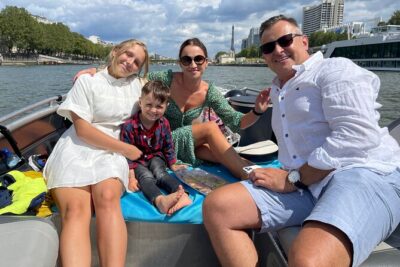
Top Private Cruises in Paris with French Champagne and surprises
Read our review →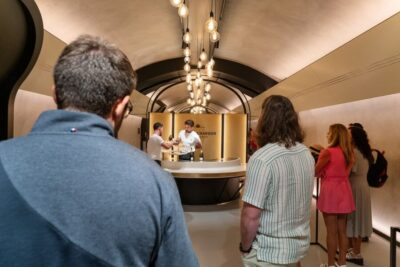
Day Trip to Champagne with 8 Tastings & Lunch
Read our review →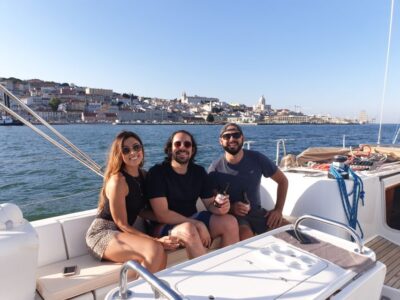
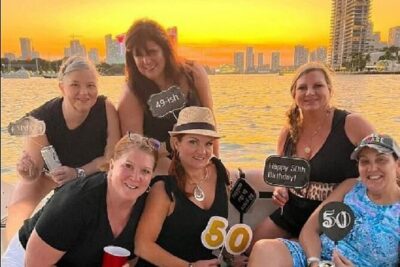
Private Boat Ride in Miami with Experienced Captain and Champagne
Read our review →
Lists this tasting appears in