
Reviewed · WINE TASTINGS
Château de Luc: Unique visit and wine tasting
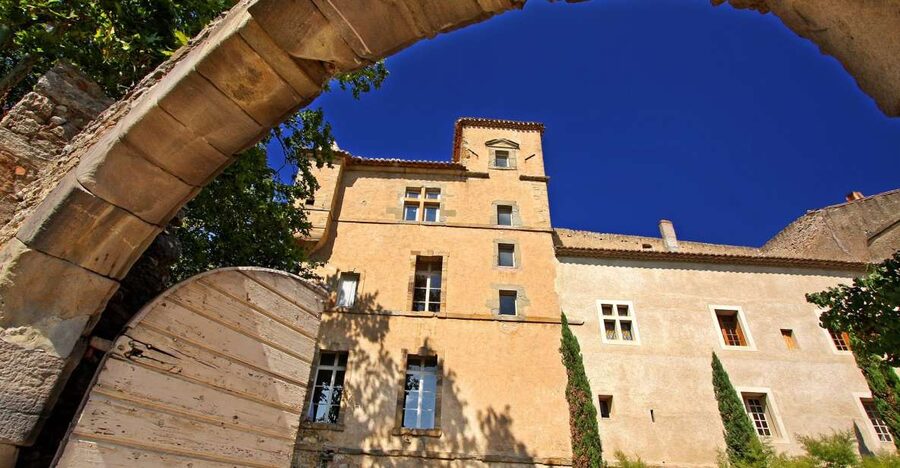
The most unusual part of this visit is below the old château: a 14th-century underground cellar where wine was made and stored long before modern tasting rooms appeared. The tour connects those cool stone spaces with the wider story of Languedoc wine, from the 19th-century boom to the great revolt of 1907.
I like two things right away. First, this is a working family wine business, not just a pretty building with bottles for sale. Second, the tasting focuses on organic wines from several regional labels, including IGP Pays d’Oc, AOC Languedoc, Corbières, and Minervois. The main thing to consider is that the visit is not suitable for wheelchair users, and one guest found the tour shorter and the wines less impressive than expected.
Key points to know before booking
- The 14th-century cellar is the star: You go underground beneath the old home to see an unusually old wine space and aging barrels.
- The tour tells a regional story: You learn how the Languedoc wine trade changed from its 19th-century Golden Age through the revolt of 1907.
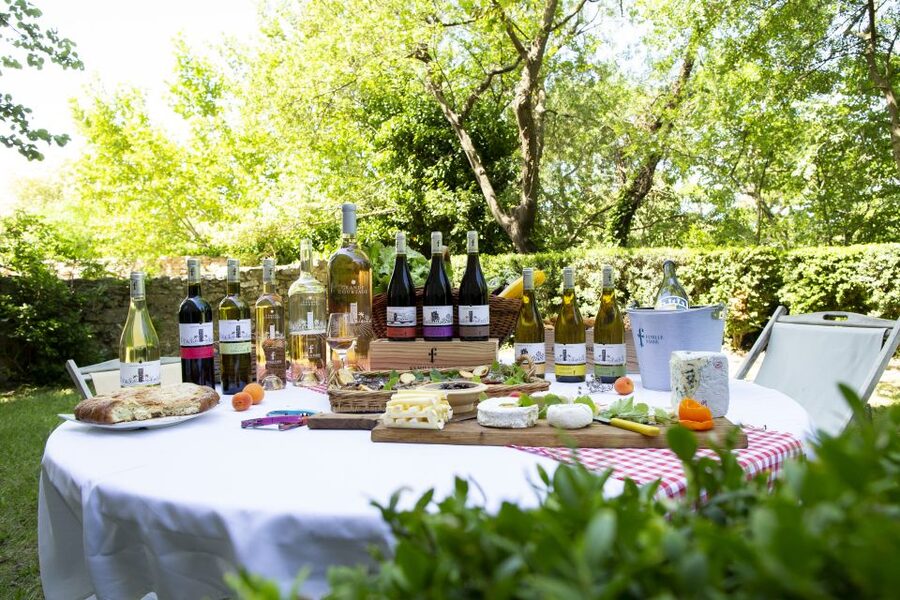
- The tasting is organic and varied: Expect a selection of 3 to 6 wines from several Languedoc appellations and categories.
- Jeanne may lead your visit: She has been praised for explaining the estate, family story, and wine with warmth and simplicity.
- You can tour in three languages: French, English, or Spanish is available with a live guide.
- The price is easy to justify: At $15 per person, the cellar visit, guided history, and tasting offer good value, especially for wine-curious visitors.
Entering a family-run estate in Languedoc
Château de Luc gives you more than a standard tasting-room stop. The visit takes place at a family-run wine business that is still developing and changing, so the focus is on the estate, its past, and the people who keep it moving today.
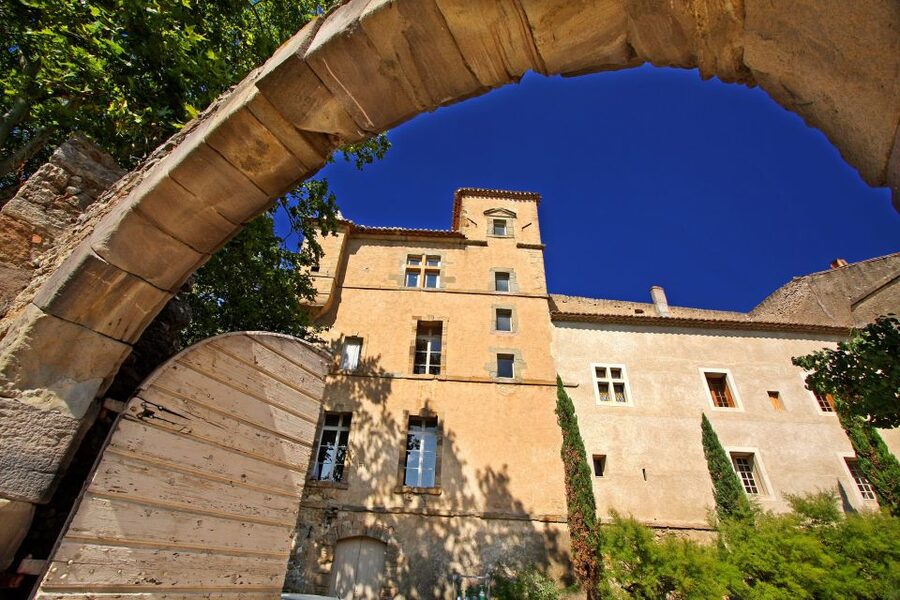
You begin in the historic rooms of the château. The exact route and length can vary, but the purpose is clear: connect the building’s rooms and old cellar with the family’s role in local wine production. I like this approach because it gives the bottles a setting and a backstory. You are not simply tasting an anonymous regional wine. You are learning where the wine fits within a much older property.
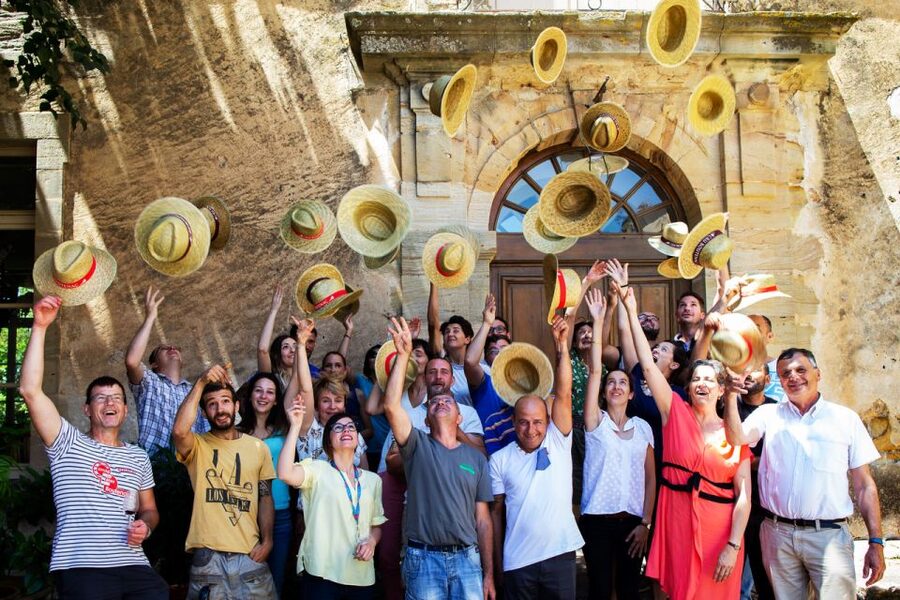
The family connection matters here. One of the strongest versions of this visit has been led by Jeanne, a daughter of the family. She explains the estate and the winery with a personal touch, along with practical details about vineyard work and winemaking. That style suits Château de Luc well. A family member can explain the business from the inside, rather than reciting a generic script.
You should expect a warm, informal visit rather than a grand château performance. The property is historic, but the mood is tied to real wine production. That makes it a good choice if you want a sense of place with your tasting.
More Wine Tastings in France
- Bordeaux: Cité du Vin Entry Ticket and Wine Tasting
★ 4.6 · 3,885 reviews - Montmartre Hill French Gourmet Food and Wine Tasting Walking Tour
★ 5.0 · 2,588 reviews - From Paris: Loire Valley Castles Day Trip With Wine Tasting
★ 4.6 · 1,727 reviews
The underground cellar from the 14th century
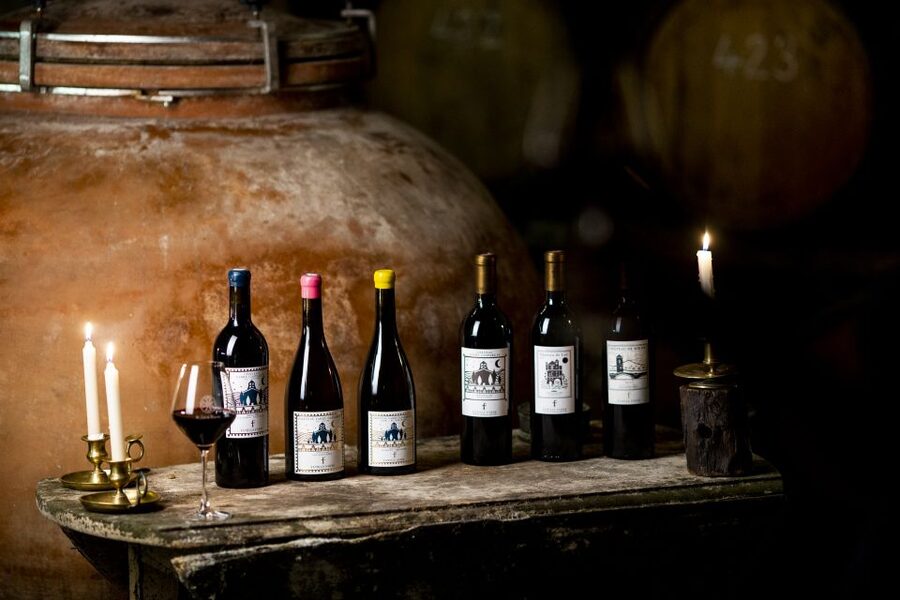
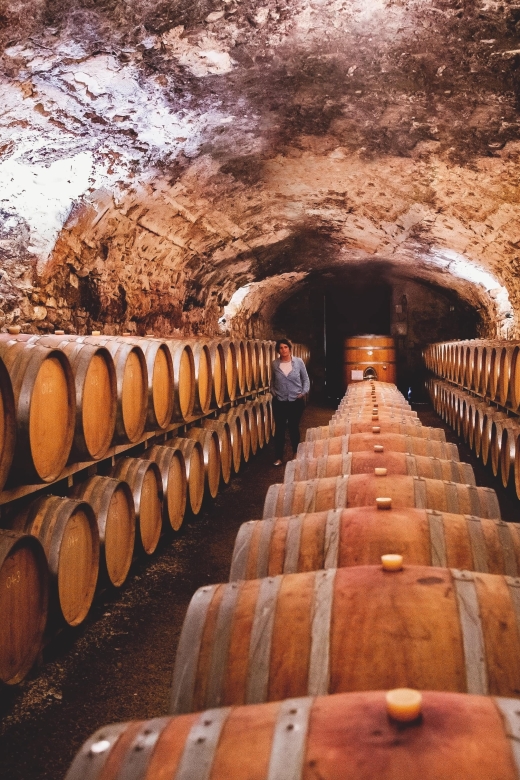
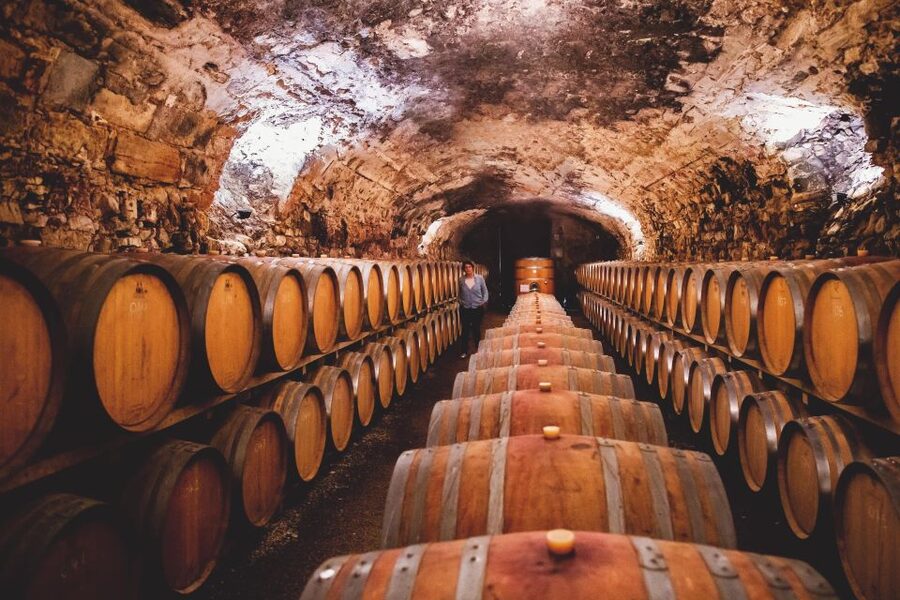
The most memorable stop is the underground cellar beneath the old home. This is the part that separates Château de Luc from an ordinary wine shop or modern cellar door.
You go below ground to see the old stone wine space and aging barrels. The cellar gives you a physical link to earlier winemaking methods, and its age helps explain how long wine production has been tied to this property. Even if you know little about wine, the setting makes the visit easier to picture: grapes, barrels, storage, and patient aging all taking place below the family residence.
The cellar also gives the historical section some weight. It is one thing to hear that Languedoc has produced wine for generations. It is another to walk through a structure dating to the 14th century. I would pay close attention here, since the cellar is the clearest example of the estate’s long connection with wine.
The underground setting may not suit everyone. It is not accessible to wheelchair users, and anyone who finds old cellars difficult should take the physical setting into account. The supplied details do not specify the exact walking conditions, stairs, or temperature, so you should ask the property directly if those points matter to you.
From the 19th-century wine boom to the revolt of 1907
The historical story does not stop with the building. The visit places Château de Luc within the larger epic of the Midi wine region.
You hear about the 19th-century Golden Age, when wine shaped the economy and identity of southern France. You also learn about the great wine revolt of 1907, a major event in the history of Languedoc viticulture. This is useful context because it shows that wine here is not only a drink or an agricultural product. It has influenced work, money, politics, and daily life across the region.
I appreciate that the tour covers both success and conflict. A simple château visit might only celebrate old family traditions. This one also points toward the pressures that affected winegrowers. That gives you a clearer picture of why regional wine has such a strong cultural role.
The depth of this historical section will depend on the guide and your questions. Some people receive a detailed explanation, while another guest found the visit too short and not very engaging. If you enjoy history, ask about the family’s place in the local wine trade and the 1907 revolt. The guide is specifically there to answer questions about the estate, vineyard management, and winemaking.
Tasting organic wines in the former stable
After the historic rooms and cellar, you move to the tasting cellar, located in an old stable. This change of setting works well. You leave the darker, older wine space and arrive at a more practical area where you can compare the estate’s current production.
The tasting includes a selection of three to six organic wines. The exact number can vary, but you should have enough samples to compare different styles rather than just try one house bottle. The range includes IGP Pays d’Oc, AOC Languedoc, Corbières, and Minervois.
Those labels matter. IGP Pays d’Oc wines offer a broad regional category, while the AOC wines come from more specific controlled areas. Corbières and Minervois are two important names from Languedoc, so tasting them side by side gives you a useful introduction to the region’s variety.
The wines are organic, which will appeal to visitors who want to know more about vineyard practices. The guide can also answer questions about how the vines are managed and how the wine is made. You do not need to be an expert. This is the right place to ask simple questions about grape varieties, production, or why two wines from the same wider region taste different.
The tasting is also practical. Several visitors have found the wines varied and reasonably priced, and some chose to buy two bottles afterward. That makes the visit useful if you want to take home wine without committing to a formal, expensive tasting program.
Still, I would keep your expectations measured. Wine taste is personal, and one guest found the wines low in quality and the tasting disappointing. The $15 price protects you from making a large investment, but you should book this for the combination of history, cellar, and tasting, not only for the chance to discover a favorite bottle.
Same region, a different bottle:
- Authentic Parisian Gourmet Food Tour with 10 Local Dishes & Wines
★ 5.0 · 4,754 reviews - Loire Valley Castles Day Trip from Paris with Complementary Wine
★ 4.5 · 3,907 reviews - Bordeaux: River Garonne Cruise with Glass of Wine and Canelé
★ 4.5 · 3,630 reviews - Paris: Montmartre Cheese, Wine & Pastry Guided Walking Tour
★ 4.8 · 2,255 reviews
What the $15 price really buys you
At $15 per person, this is a strong-value outing for anyone already interested in Languedoc wine or local history. You receive a guided visit, access to historic rooms, the 14th-century underground cellar, and a tasting of three to six organic wines.
The value improves if you ask questions. A quiet or rushed tasting may feel basic, but a conversation about vineyard management, family wine production, or the 1907 revolt can make the same visit much more rewarding. The guide’s willingness to explain the estate is part of what you are paying for.
Children under the legal drinking age can visit free. That makes the experience easier for families, although the tasting itself is naturally for adults. The available information does not specify a separate children’s program, so younger visitors may get more from the historic building and cellar than from the wine discussion.
The activity is listed as valid for one day, with starting times based on availability. The actual visit length is not stated. One guest described the tour as short, while others found it substantial and enjoyable, so I would not plan your whole day around a guaranteed long program. Treat it as a focused stop that can fit into a day exploring the area.
Languages, timing, and finding the visitor area
Tours are offered in French, English, and Spanish with a live guide. That is a real advantage in a regional wine area, especially if you want more than a few tasting notes. Select your preferred language when checking availability.
The property may be able to handle small timing changes. One visitor arrived later because of a schedule problem and was still given the visit. I would not rely on that every time, but it suggests that the hosts can be flexible when circumstances change. Contacting the property is still the sensible move if you are running late.
Give yourself extra time to locate the visitor area. One guest who enjoyed a private tour specifically found the directions to the visitor entrance unclear. Château properties often have several buildings, gates, or working areas, so check the meeting instructions carefully and allow a little margin before your start time.
Group size is not specified. On a quieter day, you might receive a very personal tour, as one visitor did when they were the only people booked. That can lead to more questions and a closer look at the cellar. On a busier date, the amount of individual attention may be different.
You can cancel up to 24 hours before the visit for a full refund, and the reserve-now, pay-later option keeps your plans flexible. Those terms are useful if your route through southern France is still changing.
Who will enjoy Château de Luc most
I would choose this visit if you want a compact mix of architecture, family history, regional wine, and tasting. It suits adults who like to understand the story behind a bottle, not simply sample wine in a polished room.
It is also a good match for visitors who want to learn about Languedoc wine without booking a high-priced private tour. The three-language guiding makes it accessible to a wider range of visitors, and the price is low enough to make the decision easy.
Families can bring under-age children without paying for them. Just remember that the cellar is not wheelchair accessible, and the available information does not describe the walking route in detail.
I would be more cautious if your only goal is premium wine tasting. The selection is broad and organic, but wine quality is subjective, and at least one person found the wines disappointing. The visit’s strongest appeal is the blend of old cellar, family story, and regional history.
My booking advice
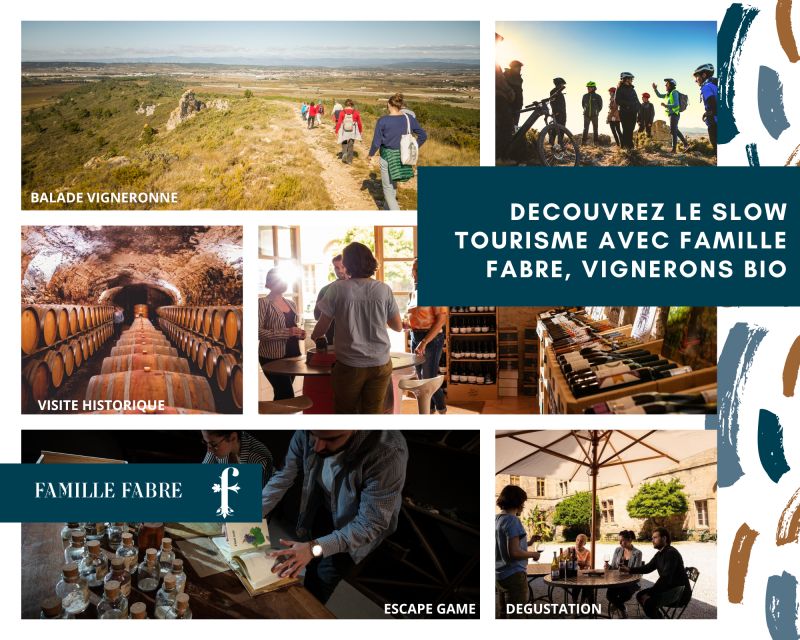
I would book Château de Luc if you are already planning to explore the Languedoc wine country and want a visit with a real historical setting. The 14th-century cellar, the story of the 1907 revolt, and the organic tasting give you more substance than a quick bottle sample.
At $15, the risk is low. Go for the estate and the regional story first, then let the wine tasting add flavor to the visit. Ask questions, confirm the meeting point, and choose the right language. If you need wheelchair access or want a long, highly technical tasting, this may not be the best fit.
FAQ
How much does the Château de Luc visit cost?
The price is $15 per person.
How many wines are included in the tasting?
You can taste a selection of three to six organic wines.
What kinds of wine are available?
The selection includes wines from IGP Pays d’Oc, AOC Languedoc, Corbières, and Minervois.
Is the wine organic?
Yes. The tasting features the estate’s organic wines.
Which languages are available?
The live tour is offered in French, English, and Spanish.
Can children join the visit?
Yes. The visit is free for under-age children.
Is the visit accessible to wheelchair users?
No. The activity is not suitable for wheelchair users.
Can I cancel my booking?
Yes. You can cancel up to 24 hours in advance for a full refund. You can also reserve now and pay later.
Newest wine reviews around France
- Saint Emilion Full Day Wine and Bike Tour★ 5.0 · 167 reviews
- Private Bordeaux History Tour with a glass of Bordeaux wine.★ 5.0 · 28 reviews
- Private – Best of Bordeaux Walking Tour + Glass of Bordeaux Wine★ 5.0 · 240 reviews
- Luxurious full day Bordeaux wine tour in a Tesla★ 4.5 · 31 reviews
- Medoc Afternoon Wine Tour – 2 Wineries, tastings & delicacies★ 4.5 · 74 reviews
- Bordeaux wines tasting workshop including Food & Wine pairings★ 5.0 · 31 reviews
- Wine Masterclass & Cheese Tasting Workshop in Bordeaux★ 5.0 · 29 reviews
- Discovery of the Bordeaux vineyard in 3 wines★ 5.0 · 133 reviews
Wine Tastings, compared.
Douro Valley w/ Boat Tour, Wine Tasting & Lunch
Read our review →
Complete Douro Valley Wine Tour with Lunch, Wine Tastings and River Cruise
Read our review →
Small-Group Wine Tasting Experience in the Tuscan Countryside
Read our review →
Montserrat & Cogwheel Train, Gourmet Wine Tasting & Tapas/Lunch
Read our review →
Tuscany & Montepulciano Day Trip with Lunch & Wine Tasting
Read our review →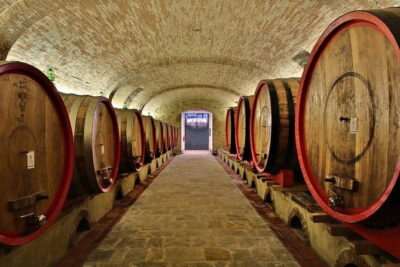
SMALL-GROUP Wine Safaris: Tuscan Wine Tasting Tours from Florence
Read our review →Lists this tasting appears in