
Reviewed · WINE TASTINGS
Colmar: Highlights Walking Tour and Wine Tasting
Colmar’s best introduction may be its simplest: walk the old streets with someone who grew up here, then sit down with a glass of Alsatian wine. Nicolas brings local stories, family connections, and a clear explanation of the French and German influences that shaped the town. The tasting takes place at a real Colmar winery, not a generic bar.
I like the small group of no more than six, which makes it easy to ask questions and move through narrow streets. I also like the pairing of history with wine. You learn what makes Colmar important, then taste part of that identity at a cellar such as Domaine Karcher & Fils, whose history reaches back to 1605.
The main drawback is the short two-hour format. You will see the key parts of the old town, but this is an introduction rather than a full study of Colmar. The route also involves cobblestones and walking, and the tour runs rain or shine.
Key points to know before booking
- Nicolas is a Colmar native: Expect personal stories and a local explanation of Alsace’s French and German past.
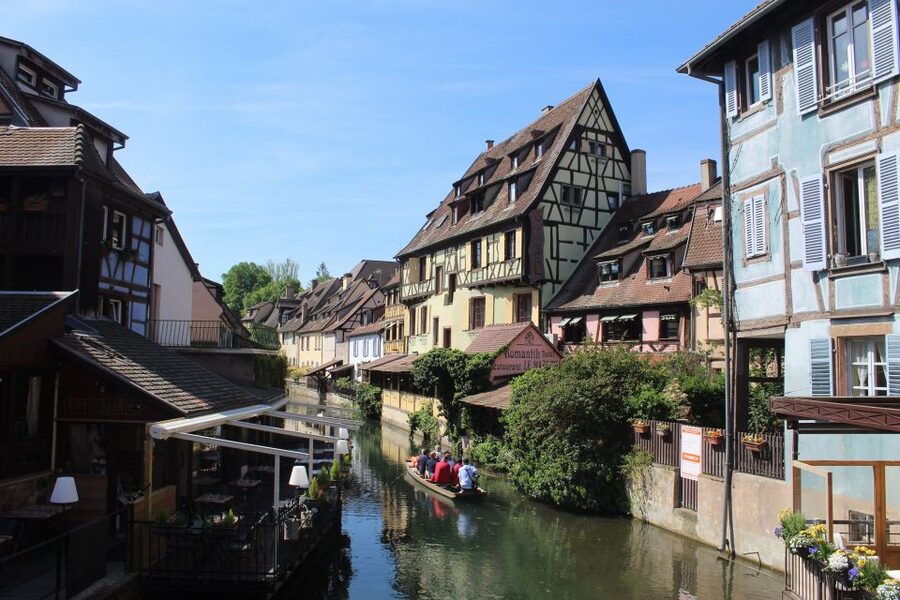
- The walk covers the old town: You’ll see colorful half-timbered houses, Renaissance buildings, Gothic sites, Little Venice, and quieter corners.
- The wine stop is in Colmar itself: The tasting takes place at a local winery, with Domaine Karcher & Fils frequently featured.
- You taste Alsace’s classic whites: Riesling, Gewurztraminer, and Pinot Gris are central to the regional wine lesson.
- The group is capped at six people: This is a more conversational experience than a large city walk.
- Book it early in your stay: Nicolas can point you toward restaurants, museums, bars, and other places to visit.
Why this Colmar tour works so well
Colmar can feel almost too pretty to understand at first. You see painted shutters, flower boxes, canals, and crooked half-timbered houses, but the town’s story is less obvious. Its identity comes from the meeting of French and German culture, and the buildings alone do not explain that past.
This walk gives you a useful framework. Nicolas explains Colmar as someone from the town, not simply as a guide reciting dates. His approach is conversational, and he welcomes questions. Several parts of the tour also include personal stories, which help connect regional history with everyday life.
I would book this near the beginning of a Colmar stay. The walk gives you your bearings, while Nicolas’s suggestions can help shape the rest of your visit. He has offered restaurant and bar recommendations, museum ideas, shopping tips, and suggestions for places beyond Colmar.
The format suits people who prefer a friendly introduction over a long academic lecture. You will hear about architecture, local culture, and the region’s past, but the tour keeps moving.
More Wine Tastings in France
- Bordeaux: Cité du Vin Entry Ticket and Wine Tasting
★ 4.6 · 3,885 reviews - Montmartre Hill French Gourmet Food and Wine Tasting Walking Tour
★ 5.0 · 2,588 reviews - From Paris: Loire Valley Castles Day Trip With Wine Tasting
★ 4.6 · 1,727 reviews
Meeting at Parc du Champ de Mars
The tour begins at the Fontaine Bruat in Parc du Champ de Mars. This is a practical starting point because the park offers an open, recognizable meeting area before you move into the tighter streets of the historic center.
You should arrive ready to walk. The route uses cobblestone streets and narrow lanes, so comfortable shoes matter more than dressed-up footwear. The tour takes place in all weather, so pack a light rain layer if the forecast looks uncertain.
The meeting point is outside the old town rather than inside a crowded square. That gives the group a calm place to gather before entering the central streets. Since the group is limited to six, finding your guide should be less stressful than joining a large group near a major monument.
The tour is offered in English or French. Nicolas has been praised for speaking clear English, making the experience suitable for visitors who want historical context without needing advanced French.
Walking through Colmar’s old town
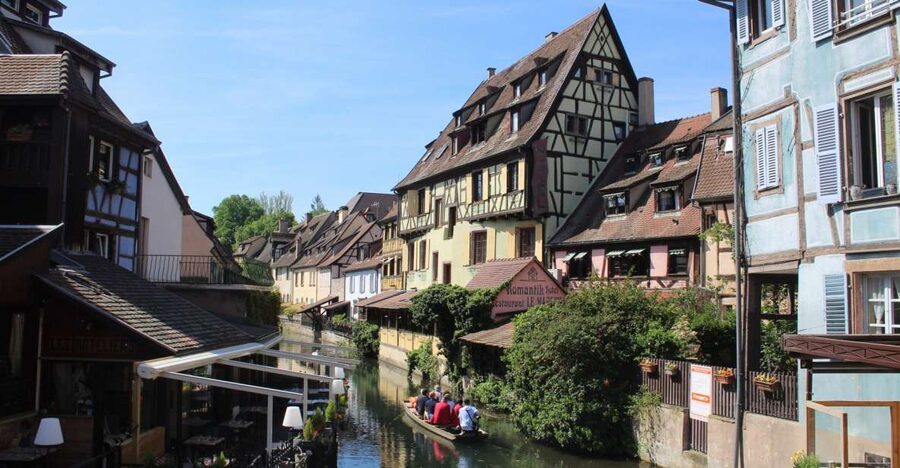
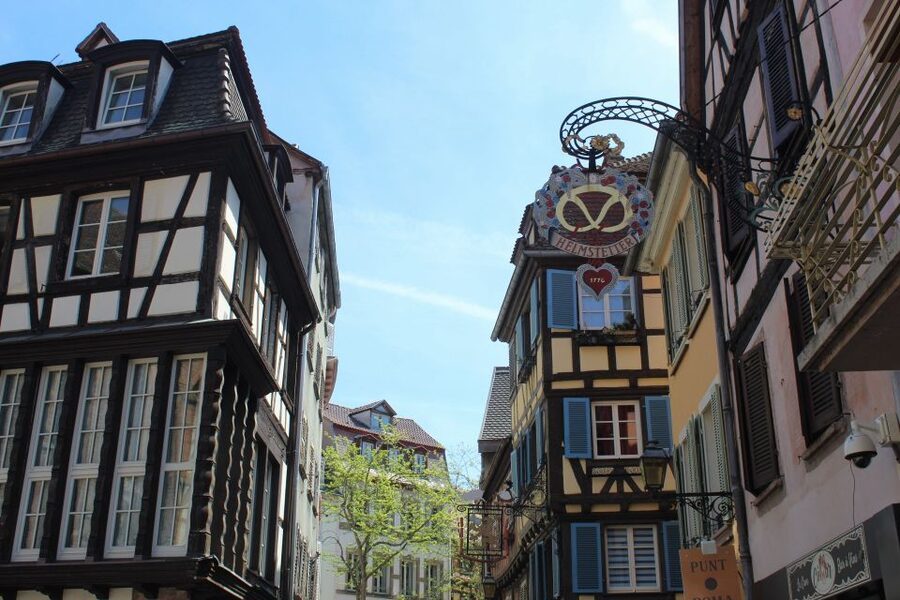
The heart of the experience is a walk through Colmar’s historic center. You will pass colorful half-timbered houses, Renaissance dwellings, Gothic religious sites, and narrow streets that reveal the town’s medieval shape.
Colmar’s architecture is the great visual reward here. Bright facades and decorative details make almost every turn worth a photograph, but a guide adds meaning to what you see. Instead of simply admiring a pretty house, you can learn how the town’s design reflects its past and its place in Alsace.
The route includes the main sights, but it is not limited to postcard views. Nicolas also points out less obvious corners and small details that are easy to miss when you are walking alone. This is especially useful in Colmar, where visitors can spend hours photographing the most famous streets without understanding how the old town fits together.
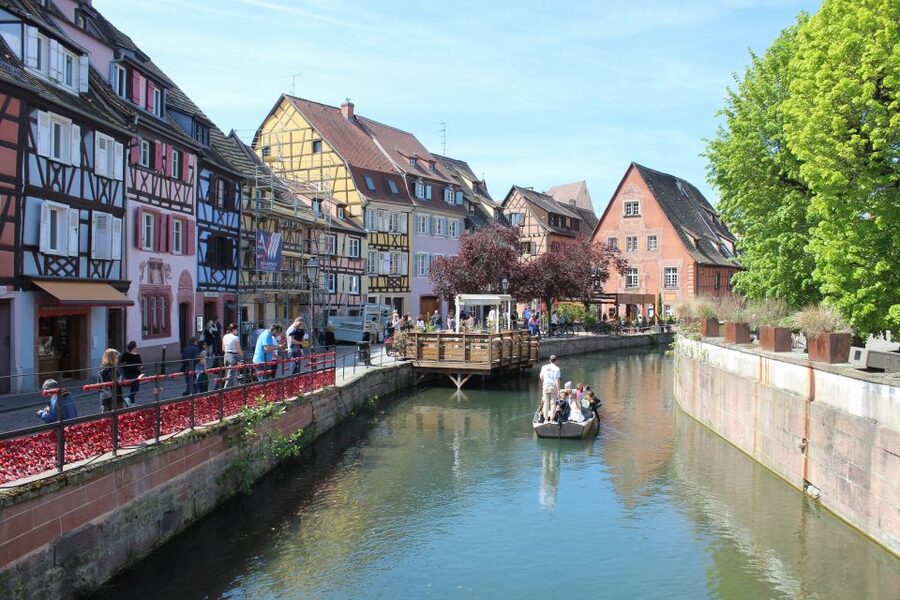
The walk also includes Little Venice, one of Colmar’s most recognizable areas. The name refers to the canals and waterside buildings, and the setting gives the tour a change of pace from the stone lanes farther inland. You should expect this part to be popular and photogenic, but the guide’s local perspective helps you look beyond the standard picture.
Colmar’s French and German story
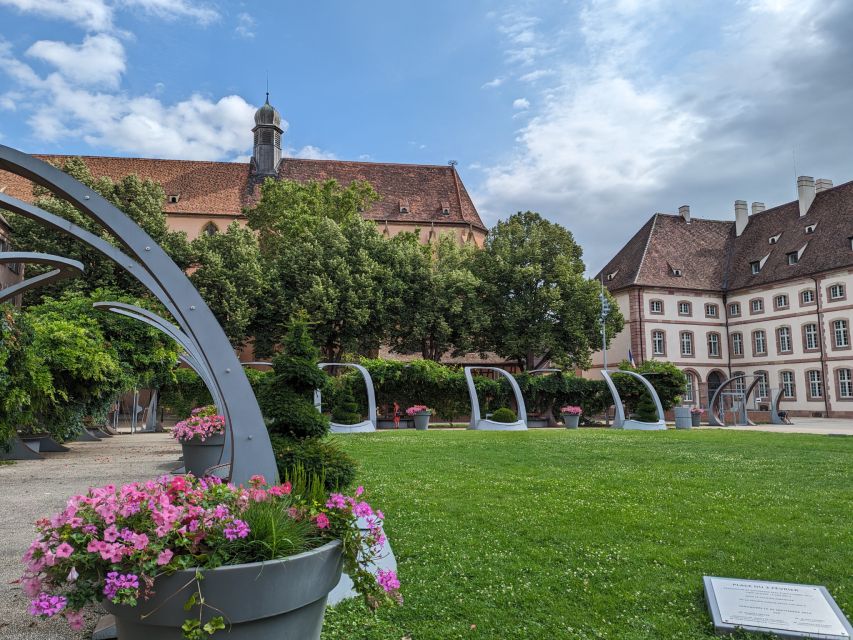
One of the strongest parts of the tour is the explanation of Alsace’s mixed identity. Colmar sits in a region shaped by both French and German traditions, and that history appears in its language, architecture, food, and politics.
Nicolas explains this past in a way that connects directly to the streets around you. That matters because Colmar’s buildings can seem simply French at first glance, while other details suggest a different cultural influence. Hearing how the region changed hands and developed its own sense of identity makes the town easier to read.
The tour does not present Colmar as a museum frozen in time. It also addresses what it means to be Alsatian. Personal stories from a guide who grew up locally give the subject a human scale, and the conversation can move naturally from history to modern life.
This is a good choice if you want more than photographs. You will still get the classic architecture, but you will also understand why Colmar feels distinct from other French towns.
Same region, a different bottle:
- Authentic Parisian Gourmet Food Tour with 10 Local Dishes & Wines
★ 5.0 · 4,754 reviews - Loire Valley Castles Day Trip from Paris with Complementary Wine
★ 4.5 · 3,907 reviews - Bordeaux: River Garonne Cruise with Glass of Wine and Canelé
★ 4.5 · 3,630 reviews - Paris: Montmartre Cheese, Wine & Pastry Guided Walking Tour
★ 4.8 · 2,255 reviews
From Gothic sanctuaries to Renaissance houses
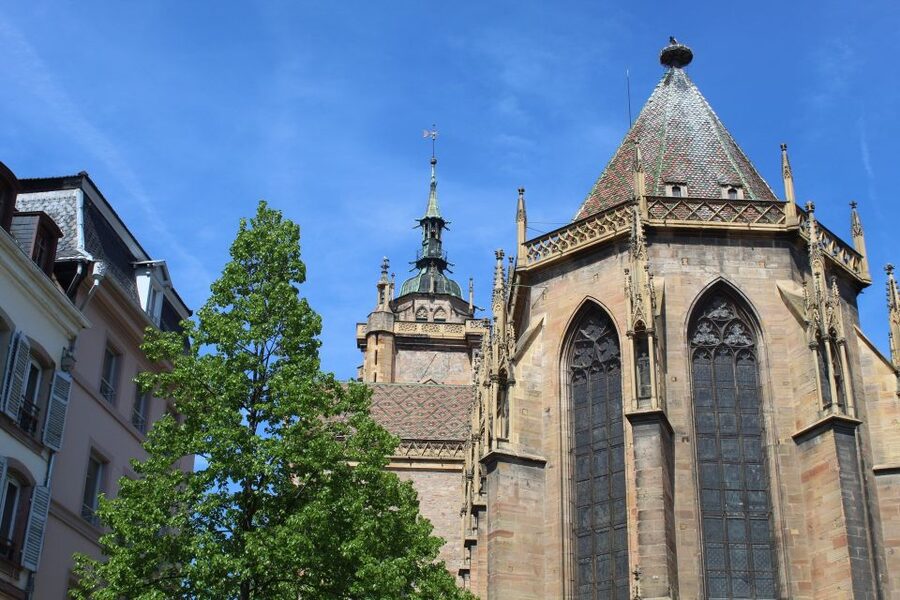
The old town brings together several kinds of architecture in a compact area. Renaissance buildings show off decorative facades and town wealth, while Gothic religious sites offer a heavier, more solemn contrast.
A guided walk helps you compare these styles without stopping to consult a guidebook at every corner. You can ask about a building as you stand in front of it, then keep moving as the explanation connects to the wider history of Colmar.
The route is not described as a formal architecture class, and that is part of its appeal. Nicolas combines buildings with stories about local life and the region. If you have only a day in Colmar, this gives you a useful overview before deciding which places deserve a longer visit.
The two-hour length is also sensible for this kind of city walk. You get enough time to see the central sights without turning the morning or afternoon into an endurance test. Still, you should not expect entry into every monument or a detailed museum visit. The focus is on walking, seeing, and understanding the town from the outside.
The Alsatian wine tasting
The final stop shifts the tour from streets to cellar. Alsace is known for white wines, and the tasting introduces the grapes that define the region, including Riesling, Gewurztraminer, and Pinot Gris.
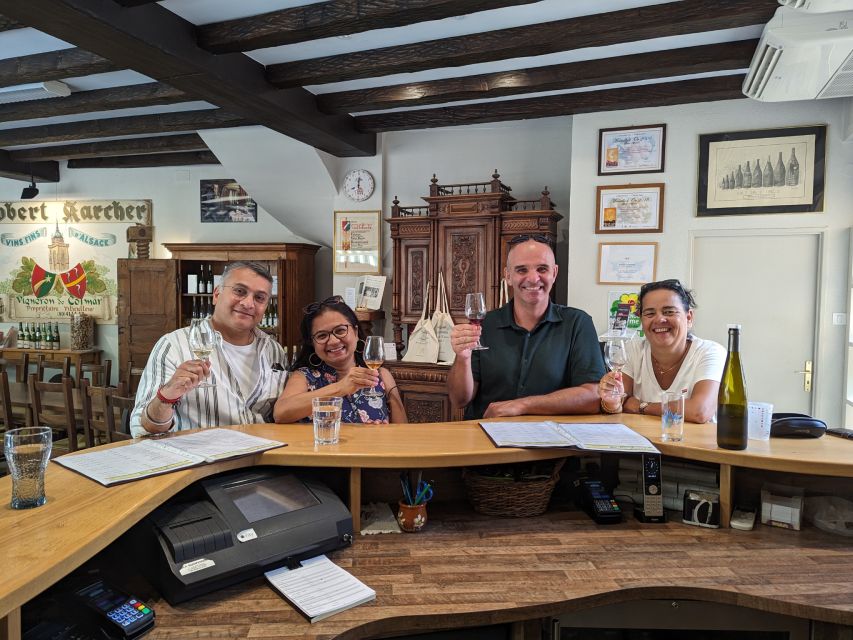
This is more useful than simply adding a drink at the end. You learn about Alsace’s grape varieties and wine culture, then taste the result. The tasting has taken place at a local winery in central Colmar, including Domaine Karcher & Fils, a family cellar dating to 1605.
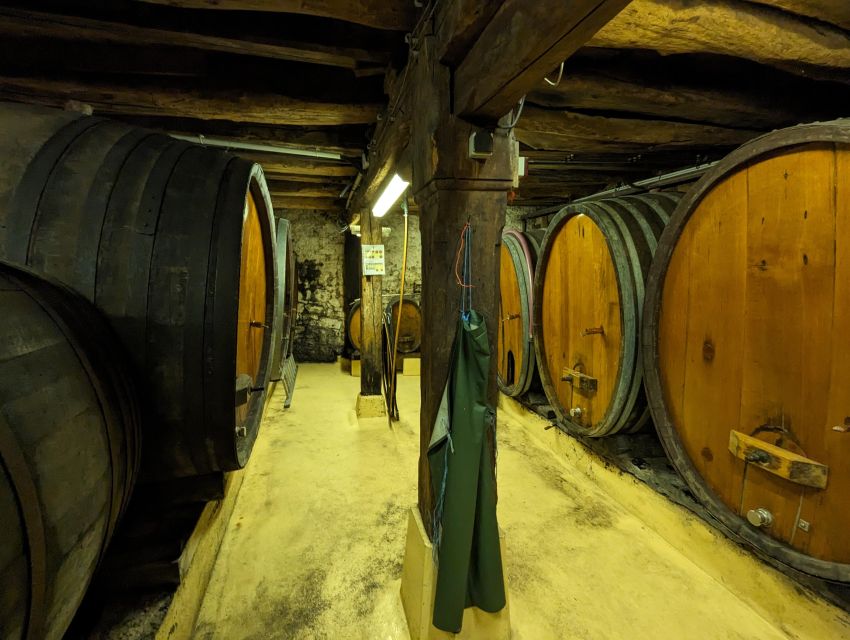
The setting gives the wine a stronger sense of place. You may see old barrels and hear how the wine is produced, rather than tasting bottles in an unrelated restaurant. The winery staff can explain the differences between wines and between vintages, giving you a better basis for choosing what you enjoy.
Past tastings have included three generous samples, and some sessions allow you to choose from a wider wine list. The exact selection can vary, so do not assume you will taste every grape listed in the description. The important point is that you get a guided introduction rather than a rushed sip and a sales pitch.
If you find a bottle you like, you may be able to buy it at the winery. Some visitors have also arranged shipping, including to the United States. Ask the cellar directly about current prices and shipping rules, since those details can change.
Is the wine stop worth the price?
At $53 per person, this tour is priced above a basic free city walk but includes a live guide and a wine tasting. For two hours, the value depends on how much you want local explanation rather than a self-guided stroll.
I think the price makes sense if you are new to Colmar and plan to use the information afterward. The small group is important here. With no more than six people, the guide can answer questions, adjust the conversation, and keep the walk from feeling anonymous.
The winery visit adds value because it is tied to the town and the region. You are not taking a separate trip to the vineyards, but you still get contact with Alsatian wine culture. For visitors with limited time, that combination is efficient.
The calculation is less attractive if you already know Colmar well, do not drink alcohol, or want a longer vineyard excursion outside town. This is not a full wine-country day trip. It is a city walk with a focused tasting at the end.
The advantage of a six-person group
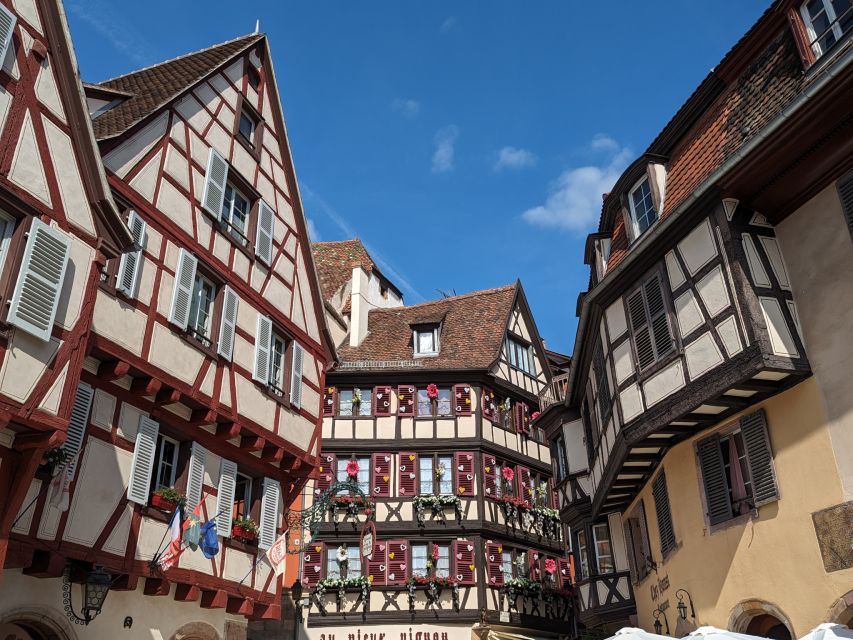
A small group changes the mood of the experience. You can hear the guide more easily, stop without blocking a crowd, and ask about a detail that catches your eye.
The intimate format has also led to occasional private tours when only one person booked. That can make the experience especially personal, though you should treat that as a possible outcome, not a promise.
A small group is helpful in Colmar’s narrow streets. Large groups can bunch up around popular views, while six people can move more naturally. It also makes the wine tasting more relaxed, since conversation with the guide and winery staff is easier.
Nicolas is the main guide associated with the experience. He has been described as energetic, friendly, and proud of Colmar. His local background is one of the tour’s main advantages, especially for visitors who want recommendations that go beyond the most obvious tourist stops.
Who should book this experience?
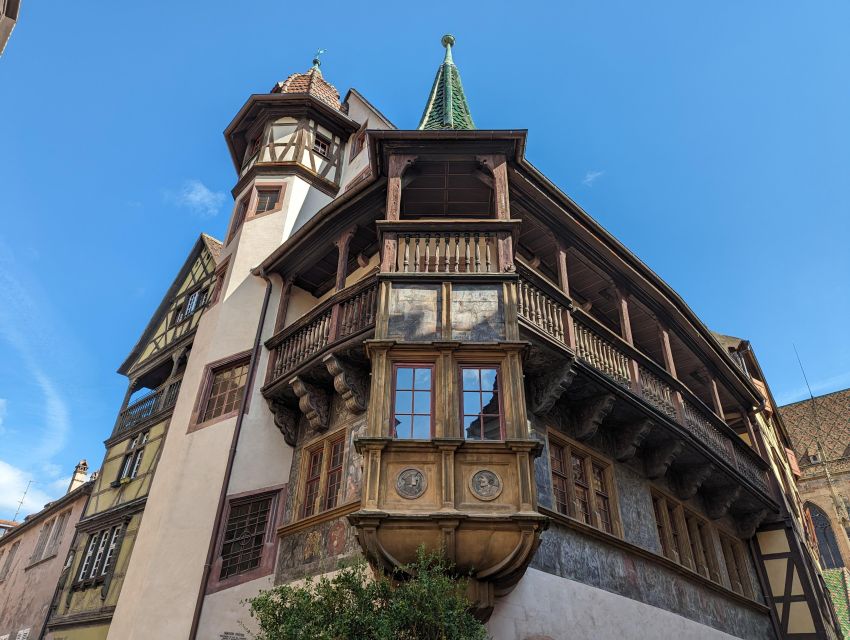
I would recommend the tour to first-time visitors, couples, solo travelers, and small groups who want a quick but meaningful introduction to Colmar. It also suits people who enjoy history but do not want a formal lecture.
Wine drinkers get the clearest extra benefit. You do not need to be an expert, since the tasting is designed to introduce Alsatian varieties. If you are curious about the difference between Riesling, Gewurztraminer, and Pinot Gris, this gives you a useful starting point.
Families may also find the two-hour length manageable. One family completed the walk with a six-month-old and found the timing workable between naps. Still, the activity is officially not suitable for pregnant women or people with mobility impairments, and the cobblestones may be difficult for anyone who has trouble walking.
I would skip it if rain would spoil your day, since the tour runs in all weather. You should also choose another experience if your main goal is a vineyard excursion, extensive wine tasting, or entry into several museums.
Practical tips for getting the most from the walk
Book this for your first day in Colmar if possible. You can use the restaurant and museum suggestions later, and you will recognize the streets when you explore on your own.
Wear shoes with good grip. The historic center includes cobblestones, and the tour keeps moving between sights. Bring weather protection because there is no weather cancellation stated for the activity.
Keep your questions ready. Nicolas’s local knowledge is most useful when you ask about food, the region’s identity, places to visit, or how Colmar fits into Alsace. The small group makes this kind of exchange easy.
Do not plan a heavy meal immediately before the tasting. You will be sampling wine after the walk, and the tasting is part of the experience rather than a decorative final stop.
If you want to take wine home, bring room in your luggage and ask about current shipping options. The winery may offer bottles at attractive prices, but international shipping depends on destination and current arrangements.
Should you book the Colmar Highlights Walking Tour and Wine Tasting?
Book it if you want a local introduction to Colmar followed by a genuine Alsatian wine experience. The combination is well judged: first you understand the streets, buildings, and regional identity, then you taste one of the products that gives Alsace its character.
The strongest reasons to go are Nicolas’s connection to Colmar, the six-person limit, and the local cellar visit. The main limits are the two-hour length, the weather exposure, and the walking surface.
For a first visit, $53 is a fair price for a compact orientation with a personal guide and tasting included. It will not replace a full day in the vineyards or a detailed museum tour, but it can give you the context and confidence to enjoy the rest of Colmar on your own.
FAQ
Where does the tour meet?
Meet the guide at the Fontaine Bruat in Parc du Champ de Mars in Colmar.
How long does the experience last?
The walking tour and wine tasting last two hours.
What languages are available?
The tour is offered in English and French.
How large is the group?
The group is limited to six participants.
What does the tour include?
It includes the walking tour, a live guide, and a tasting of Alsatian wines.
Which wines might I taste?
The experience focuses on Alsatian white wines, including Gewurztraminer, Riesling, and Pinot Gris.
Is the tasting held at a winery?
Yes. The tasting takes place at a local winery in Colmar. Domaine Karcher & Fils, a cellar dating to 1605, has been used for the experience.
Does the tour run in bad weather?
Yes. The tour takes place rain or shine.
Is the tour suitable for people with mobility impairments?
No. The experience is listed as not suitable for people with mobility impairments.
Can I cancel the booking?
You can cancel up to 24 hours in advance for a full refund. The activity also allows you to reserve now and pay later.
Newest wine reviews around France
- Saint Emilion Full Day Wine and Bike Tour★ 5.0 · 167 reviews
- Private Bordeaux History Tour with a glass of Bordeaux wine.★ 5.0 · 28 reviews
- Private – Best of Bordeaux Walking Tour + Glass of Bordeaux Wine★ 5.0 · 240 reviews
- Medoc Afternoon Wine Tour – 2 Wineries, tastings & delicacies★ 4.5 · 74 reviews
- Luxurious full day Bordeaux wine tour in a Tesla★ 4.5 · 31 reviews
- Bordeaux wines tasting workshop including Food & Wine pairings★ 5.0 · 31 reviews
- Wine Masterclass & Cheese Tasting Workshop in Bordeaux★ 5.0 · 29 reviews
- Discovery of the Bordeaux vineyard in 3 wines★ 5.0 · 133 reviews
Wine Tastings, compared.
Douro Valley w/ Boat Tour, Wine Tasting & Lunch
Read our review →
Complete Douro Valley Wine Tour with Lunch, Wine Tastings and River Cruise
Read our review →
Small-Group Wine Tasting Experience in the Tuscan Countryside
Read our review →
Montserrat & Cogwheel Train, Gourmet Wine Tasting & Tapas/Lunch
Read our review →
Tuscany & Montepulciano Day Trip with Lunch & Wine Tasting
Read our review →
SMALL-GROUP Wine Safaris: Tuscan Wine Tasting Tours from Florence
Read our review →Lists this tasting appears in