
Reviewed · CHAMPAGNE TOURS
Reims afternoon tour Champagne and family growers
The best part of this Reims afternoon is the focus on small family producers rather than only famous Champagne brands. You visit two wineries, taste three Champagnes at each, and see how different growers approach the same demanding wine-making tradition.
I like the eight-person group limit and the strong teaching element. Guides such as Anne, Thomas, Suzanne, Martin, Chloe, Jérôme, and Julie are praised for explaining farming, production, regional history, and business in clear, lively terms. The main drawback is time: four and a half hours gives you a useful introduction, but not a slow, all-day tour of the region. You also need to bring your own water and snacks.
Key points at a glance
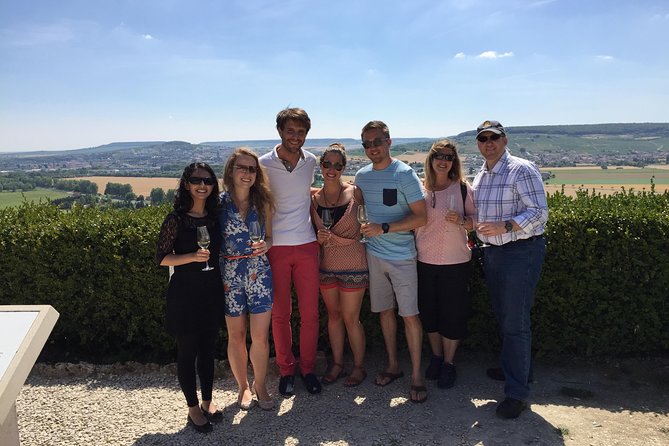
- Six Champagne tastings: Try three glasses at each of two family-run wineries, with different styles and production methods.
- A real small-group format: The vehicle holds no more than eight people, making questions and conversation easier.
- Hautvillers included: Visit the abbey church connected with Dom Pérignon and drive through the village.
- Easy Reims departure: Meet at the tourist office beside Reims train station at 2 p.m., then return to the same point.
- Strong guide-led learning: Guides explain vineyards, pressing, bottles, production, local history, and the Champagne trade.
- Good afternoon value: At $151.16 per person, transport, admission, two winery visits, and six glasses are covered.
Why this afternoon gets beyond the Champagne label
Champagne can be easy to misunderstand. In Reims, you may see grand houses with famous names, impressive cellars, and polished tasting rooms. Those are worth knowing, but they do not always show you how smaller growers work with their own grapes and make decisions on a more modest scale.
This tour places family-run wineries at the center. That matters because the producers can show you a side of Champagne that is closer to the vineyards and the people who tend them. You are not simply handed a glass and told whether it is dry or sweet. The guide connects the drink to the soil, the harvest, the cellar, the blending process, and the economics of selling Champagne.
The format also keeps the afternoon manageable. You are not trying to cover every major town between Reims and Épernay. Instead, you get two winery visits, a short stop in Hautvillers, and time in the vehicle for explanations of the countryside. I like this approach for a first visit because it gives you both the broad picture and a few personal encounters.
More Champagne Tours in France:
- Paris 3-Courses Gourmet Dinner Seine River Cruise with Champagne
★ 4.0 · 1,659 reviews - Top Private Cruises in Paris with French Champagne and surprises
★ 5.0 · 1,553 reviews - From Paris: Day Trip to Champagne with 8 Tastings & Lunch
★ 4.8 · 1,501 reviews
Meeting the guide at Reims station
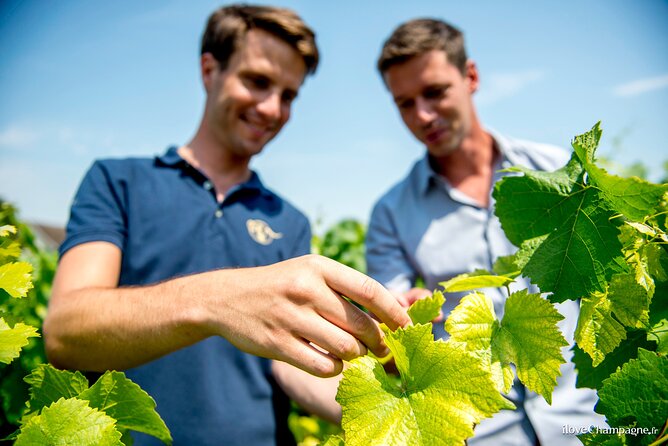
The tour starts at 2 p.m. outside the Office de Tourisme du Grand Reims, Site Gare, at the Reims train station. This is a practical meeting point if you arrive in Reims by train or are staying near the center.
From there, you ride in an air-conditioned vehicle with the English-speaking guide. The drive is part of the lesson rather than dead time. Guides explain the Champagne region, its vineyards, and the work behind the bottle as you move between the city and the growing areas.
The group limit is eight people. That is small enough for the guide to answer questions without turning the afternoon into a lecture. It also helps at tastings, where you can hear the producer and discuss what is in your glass. Several guides have received praise for combining clear instruction with humor, so the tone should be friendly rather than stiff.
The exact guide varies. Anne has worked in the Champagne industry and is especially well placed to explain how the trade functions. Thomas is praised for his history lessons and passion for the region. Suzanne, Martin, Chloe, Jérôme, and Julie have also led this experience. Do not book it expecting one specific guide unless the operator confirms that in advance.
First winery: three glasses and a family point of view
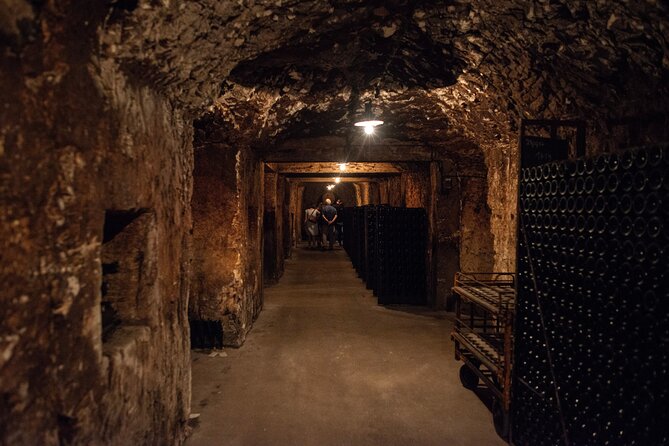
The first winery visit takes about an hour and a half. You visit a small family-run producer and taste three glasses of Champagne. The tasting is not just a quick pour before the van moves on. The guide explains how the house works, and you get a chance to see the difference between a family operation and a large commercial name.
The useful comparison is not simply large versus small. It is about choices. A grower may have a different relationship with the vines, the harvest, and the final blend. The producer’s story helps you understand why two Champagnes made in the same region can taste quite different.
You should expect an educational visit, but the level of cellar access and the exact production details can vary by the winery scheduled for your date. The supplied information confirms the family-run setting, the visit, and three tastings. It does not promise a particular producer, vineyard walk, or cellar tour.
That distinction matters if you are looking for a long technical tour underground. This is a compact regional experience, not a specialist course in every stage of Champagne production. Still, the combination of explanation and tasting makes the information easier to remember. You learn a point about production, then see how it appears in the glass.
Hautvillers and the Dom Pérignon connection
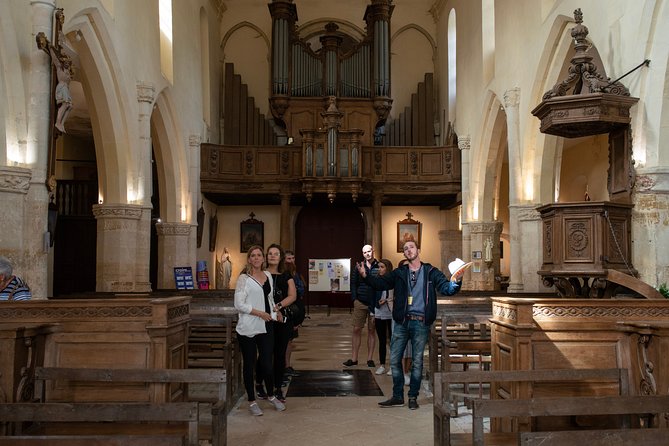
The tour then heads to Hautvillers, a village closely linked with the story of Champagne. You stop for about 15 minutes at the church part of Abbaye Saint-Pierre d’Hautvillers, where Dom Pérignon lived. The abbey is also associated with his burial site.
This is a short historical stop, so keep your expectations in check. You are not receiving a full abbey tour or a long guided visit through a major monument. Instead, you get a focused look at a place tied to one of Champagne’s best-known historical figures.
Afterward, the vehicle drives through Hautvillers for about 30 minutes. That drive gives you a sense of the village and the surrounding wine country without requiring a long walk or a separate transport plan. The village stop also breaks up the tastings and adds a bit of history to an afternoon otherwise centered on production.
I like this part because it keeps the drink connected to place. Champagne is not only a product with a famous name. It comes from villages, hills, growers, cellars, and generations of work. Hautvillers gives the tour a human and historical anchor.
More Wine Tours in France:
- Authentic Parisian Gourmet Food Tour with 10 Local Dishes & Wines
★ 5.0 · 4,754 reviews - Loire Valley Castles Day Trip from Paris with Complementary Wine
★ 4.5 · 3,907 reviews - Bordeaux: Cité du Vin Entry Ticket and Wine Tasting
★ 4.6 · 3,885 reviews - Bordeaux: River Garonne Cruise with Glass of Wine and Canelé
★ 4.5 · 3,630 reviews
Second winery: three more glasses and a useful comparison
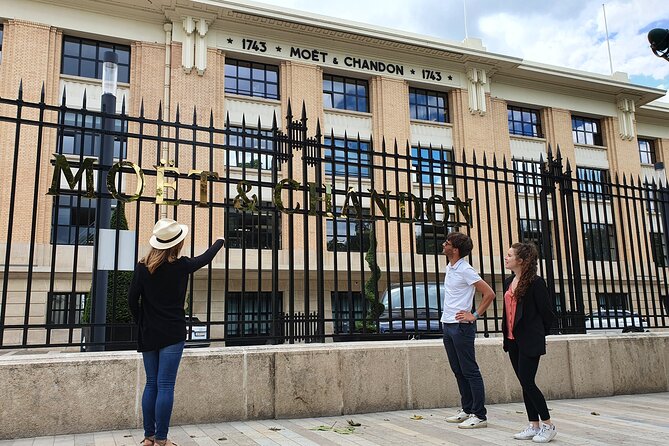
The final major stop is another hour and a half at a small family winery, where you taste three more glasses. Six tastings in total is enough to show real variation without turning the afternoon into a drinking contest.
The two wineries may offer different styles or production methods. That comparison has been one of the strongest features of the experience for me. At one producer, you might focus more on the family story and hands-on work. At another, the guide may draw attention to a different approach to making or presenting Champagne. The exact wineries and pours can change, but the structure is designed to give you contrast.
There is no stated pressure to buy. That is useful. You can concentrate on learning how the wines differ instead of feeling that each tasting is a sales appointment. If you do want to purchase bottles, ask about shipping, luggage, and transport rules before committing. Those arrangements are not included in the tour details.
The timing also works well. One and a half hours at each winery leaves room for explanations, questions, and tasting without making you rush through the door after a single sip. The tradeoff is that the day cannot include many stops. This tour chooses depth at two producers rather than a checklist of several estates.
What you learn about making Champagne
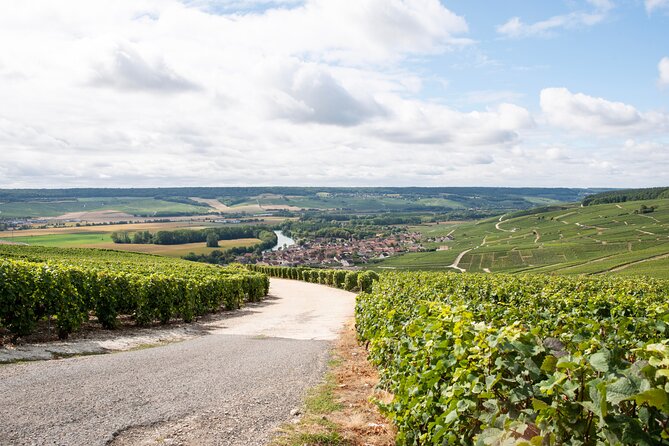
The guides cover more than tasting vocabulary. The most useful explanations deal with the entire chain from vineyard to bottle: growing grapes, farming choices, pressing, fermentation, blending, bottling, and selling the finished wine.
You also hear about the history of Champagne and the commercial side of the region. This wider view helps if you are new to sparkling wine. You do not need to arrive knowing the difference between a grower and a major house. The guide can provide the framework while the producers supply the local detail.
I would ask questions as you go. The small group makes it easier to ask about grape varieties, vintage differences, dosage, bottle aging, or why one producer’s Champagne tastes unlike another’s. Guides such as Anne and Thomas are praised for handling questions from beginners and more experienced tasters, so the experience should suit a mixed group.
The tour is offered in English. If you want a highly technical discussion of French wine law or a formal sommelier lesson, you may find the level too light. If you want a clear explanation connected to real producers and six glasses, the balance is more useful.
Is $151.16 a fair price?
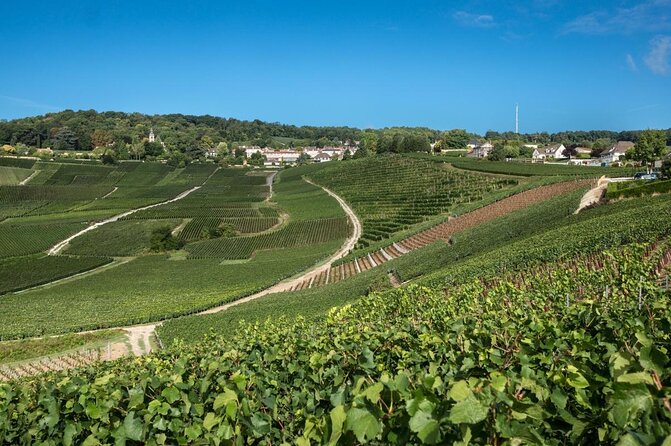
At $151.16 per person, this is not a budget sightseeing ride. The value comes from what is bundled into the half-day: an English-speaking local guide, round-trip transport from Reims, a maximum group of eight, admission for two winery visits, and six Champagne tastings.
Buying six glasses and arranging transport independently could cost a significant amount, especially if you want to visit producers outside easy walking distance. A private taxi or driver would add more. The small group also gives you a more personal setting than a large bus tour.
You are paying for convenience and interpretation, not only wine. The guide explains what you are seeing, keeps the schedule moving, and handles the route. That is valuable in a region where wineries are spread across different villages and independent producers may not be simple to visit without a car.
There are limits. Lunch is not included. Neither are bottled water, snacks, or other drinks. The tour starts in the afternoon, so you should eat beforehand or bring something small. The six glasses are included, but the tour is not built around a meal or a full day of winery visits.
Who should book this Reims Champagne tour?
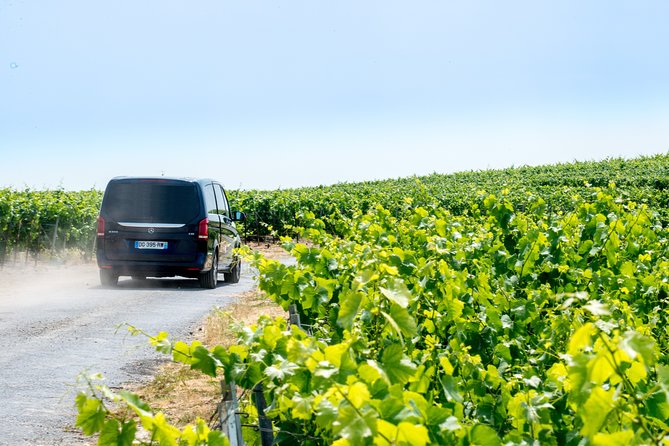
I would choose this experience if you want a first taste of the Champagne region without renting a car. It suits couples, friends, and solo visitors who like learning while they taste. The small group is especially useful if you prefer conversation over a large coach and want to ask questions.
It is also a good match for people staying in Reims who have only one free afternoon. The meeting point at the train station is simple, and the return to that same point makes it easier to plan the rest of your evening.
Families should note the age rule. Children under 10 are not accepted, and animals are not allowed on shared tours. Most adults can participate, but the experience involves vehicle travel, standing during winery visits, and tasting alcohol.
You may want a different tour if your main goal is a long vineyard hike, a restaurant lunch, a visit to famous grand Champagne houses, or a full-day itinerary with many villages. You may also prefer a private tour if you need a custom route or a specific producer.
Practical details before you book
Plan to meet at 2 p.m. at the Office de Tourisme du Grand Reims, Site Gare, at Cour de la Gare in Reims. The activity lasts about four hours and 30 minutes and finishes back at the meeting point, so the scheduled end should be around 6:30 p.m.
Wear shoes suitable for winery visits and village streets. The provided details do not promise a vineyard walk, but you will be moving between a vehicle, wineries, and the abbey church. Bring water and perhaps a snack, since neither is supplied.
The tour requires a minimum number of participants. If that minimum is not met and the operator cancels, you are offered another date or experience, or a full refund. You can cancel for a full refund up to 24 hours before the local start time. Changes or cancellations inside that window are not accepted for a refund.
The tour is usually booked well ahead, with an average booking time of 44 days in advance. That is a useful warning for weekends, busy seasons, and travelers with fixed train plans. Reserve before your schedule fills up, especially if the small eight-person capacity matters to you.
Should you book it?
Book this tour if you want a compact, well-organized introduction to Champagne with two family producers, six tastings, and a guide who can explain both the wine and the region. The strongest reason to choose it is the balance between local access and easy transport from Reims.
Skip it if you want a long lunch, a private car, famous-brand cellars, or a full day among the vineyards. For most people with one afternoon in Reims, though, $151.16 buys a sensible mix of tasting, history, countryside, and personal contact with smaller Champagne makers.
FAQ
Where does the Reims Champagne tour start?
It starts at the Office de Tourisme du Grand Reims, Site Gare, at Cour de la Gare, 51100 Reims, France.
What time does the tour begin?
The tour begins at 2 p.m.
How long does the experience last?
The experience lasts approximately four hours and 30 minutes.
How many people can join the tour?
The maximum group size is eight people.
How many Champagne tastings are included?
Six glasses are included, with three tastings at each of two family-run wineries.
Are children and animals allowed?
Children under 10 are not accepted. Animals are not allowed on shared tours.
Newest wine reviews around France
- Saint Emilion Full Day Wine and Bike Tour★ 5.0 · 167 reviews
- Private Bordeaux History Tour with a glass of Bordeaux wine.★ 5.0 · 28 reviews
- Private – Best of Bordeaux Walking Tour + Glass of Bordeaux Wine★ 5.0 · 240 reviews
- Medoc Afternoon Wine Tour – 2 Wineries, tastings & delicacies★ 4.5 · 74 reviews
- Luxurious full day Bordeaux wine tour in a Tesla★ 4.5 · 31 reviews
- Bordeaux wines tasting workshop including Food & Wine pairings★ 5.0 · 31 reviews
- Wine Masterclass & Cheese Tasting Workshop in Bordeaux★ 5.0 · 29 reviews
- Discovery of the Bordeaux vineyard in 3 wines★ 5.0 · 133 reviews
Champagne Tours, compared.
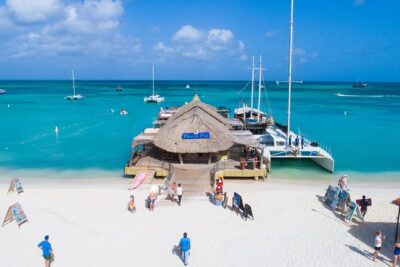
Premium Morning Snorkel Sail with Champagne Brunch
Read our review →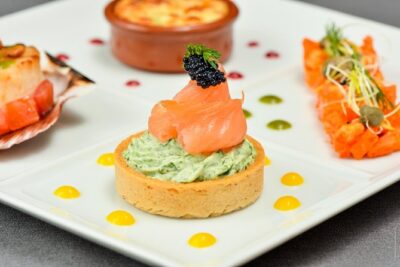
Paris 3-Courses Gourmet Dinner Seine River Cruise with Champagne
Read our review →
Top Private Cruises in Paris with French Champagne and surprises
Read our review →
Day Trip to Champagne with 8 Tastings & Lunch
Read our review →
Private Boat Ride in Miami with Experienced Captain and Champagne
Read our review →
Lists this tasting appears in