
Reviewed · DIJON WINE TOURS
Dijon: Burgundy Wines Masterclass
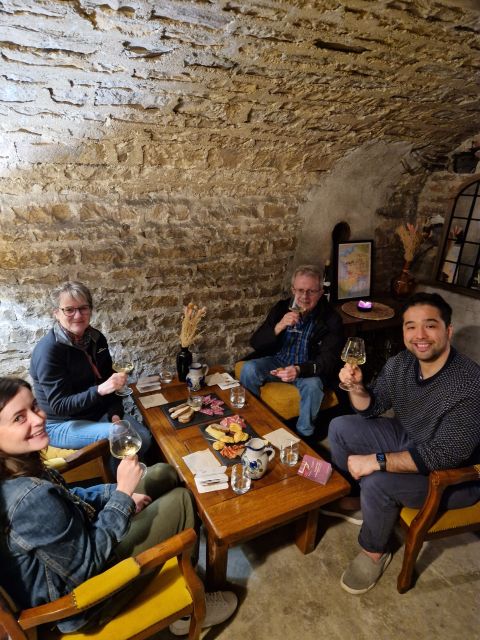
Burgundy wine can feel like a maze of villages, vineyards, labels, and rules. This one-hour Dijon masterclass gives you a map before you head into the vineyards, with six wines, three white and three red, used to explain how the region works.
I like two things right away: the tasting follows the clear WSET method, so even a beginner knows what to look for, and the small group keeps the session open to questions. The relaxed teaching style linked with Matthieu also brings humor and local feeling to what could otherwise become a dry lesson.
The main drawback is the short format. One hour is enough for a strong introduction, but not enough for a slow, broad tour of Burgundy’s many appellations. The fixed 2:30 p.m. start may also require planning around your Dijon sightseeing.
Key points to know before booking
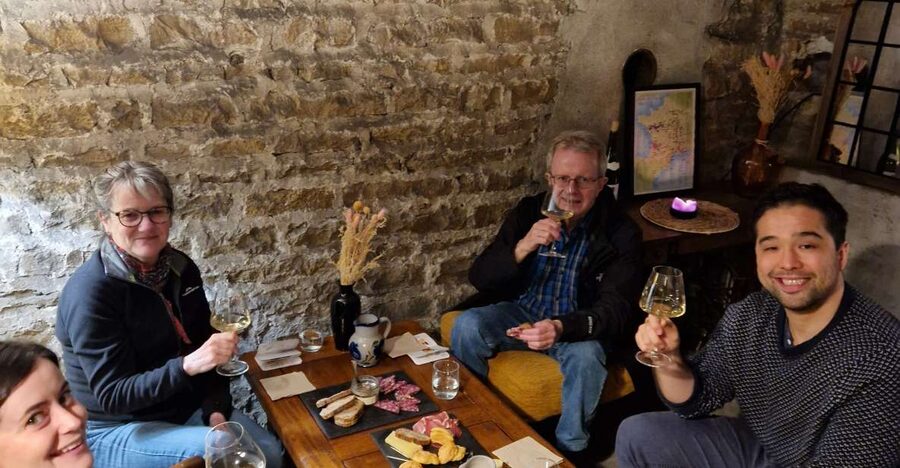
- Six Burgundy wines in one sitting: You taste three whites and three reds, giving you a useful first comparison of the region’s styles.
- A proper tasting method: The class begins with a step-by-step approach based on the Wine & Spirit Education Trust system.
- Burgundy explained without the fog: You cover local areas, grape varieties, production rules, and how to read a Burgundy label.
- Small group, maximum 10 people: This makes it easier to ask questions and get help with aromas, structure, and wine vocabulary.
- Food pairing is part of the learning: Cheese, cold meats, and other tasting foods have been used to show how Burgundy wines work with food.
- Useful for first-timers and serious wine fans: The teaching can start with basic tasting technique and move into more detailed regional questions.
Why this Dijon wine class is useful
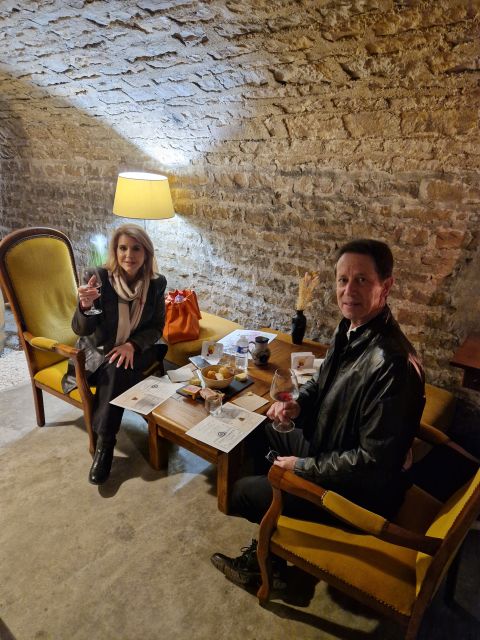
Burgundy is one of France’s most rewarding wine regions, but it is not the easiest place to understand from a bottle label. A wine may be identified by its village, vineyard, producer, or appellation, and the grape name may not be printed in the large type you expect.
That is why I like the structure of this class. You do not simply taste six wines and hear a few loose facts. You first learn how to taste, then use that method while the instructor explains Burgundy’s geography, grapes, production rules, and labels.
For you, the practical benefit is simple: the next time you see a Burgundy wine list or shop shelf, you will have a better idea of what you are looking at. You may not become an expert in an hour, but you should leave with a working set of questions.
What kind of wine is it? Which part of Burgundy produced it? What does the label tell you about quality and place? How should the wine smell, taste, and feel? Those are far more useful lessons than memorizing a list of famous names.
More Wine Tours in France:
- Authentic Parisian Gourmet Food Tour with 10 Local Dishes & Wines
★ 5.0 · 4,754 reviews - Loire Valley Castles Day Trip from Paris with Complementary Wine
★ 4.5 · 3,907 reviews - Bordeaux: Cité du Vin Entry Ticket and Wine Tasting
★ 4.6 · 3,885 reviews
Starting with the WSET tasting method
The session begins with an explanation of how to taste wine properly. The method is based on the systematic approach used by the Wine & Spirit Education Trust, or WSET.
You are guided through the basic sequence of examining, smelling, and tasting the wine. The point is not to perform like a sommelier. It is to slow down and notice what is actually in the glass.
That makes this a good class for beginners. If you have ever stood over a glass while someone described aromas of fruit, flowers, earth, or spice and wondered what you were supposed to be noticing, the structure should help.
The instructor has reached the highest WSET level in London and has ten years of experience leading tastings for both amateurs and professionals. That background matters because technical information is only useful if it can be explained in plain language.
The class also covers how to detect when a wine is not right. One particularly useful teaching point described from this experience is the chance to smell examples of a flawed wine rather than merely hearing a warning about it. That kind of demonstration can stick with you the next time a corked or otherwise faulty bottle appears at the table.
Six wines, three whites and three reds
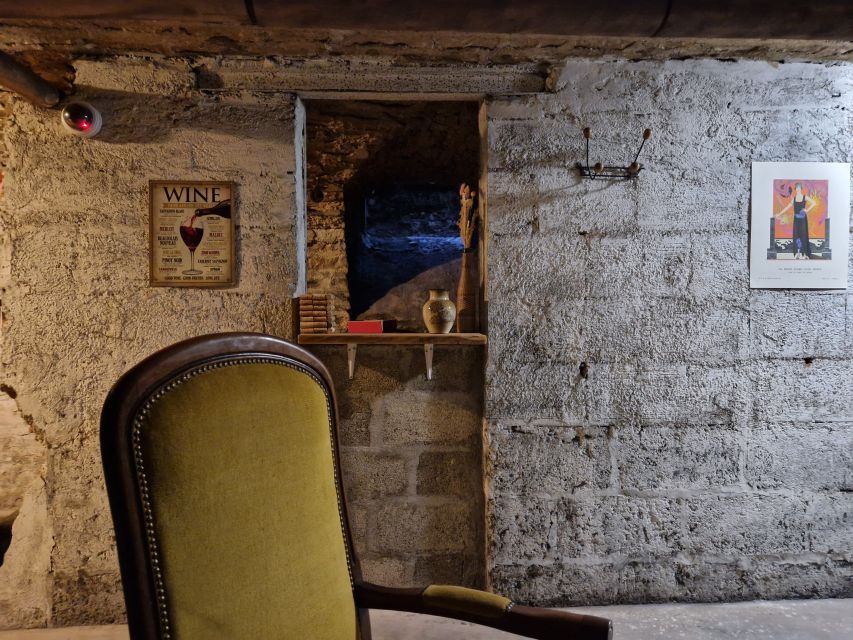
The tasting includes three white wines and three red wines. That is a sensible lineup for a short introduction because it lets you compare more than one style within Burgundy.
The whites give you a way to consider how Burgundy handles its white wines, while the reds show another side of the region. The value is in the contrast. You are not simply being told that two bottles are different. You can taste the difference while the instructor explains what may have caused it.
The selection can change, and the supplied information does not identify specific producers, vintages, villages, or appellations. That is worth noting if you are booking because you want a particular famous wine. This is a regional teaching session, not a promise of one named bottle.
Still, the lack of a fixed wine list may be an advantage. The instructor can choose bottles that make a useful comparison, rather than forcing the class around a set menu. If you want only red wine or only white wine, this experience may not be ideal. The format is built around tasting both.
You also should not judge the class by the number six alone. Burgundy wines can vary greatly in price, place, vintage, and producer style. Six samples will not represent the whole region. What they can do is give you a clear first framework.
Burgundy labels, grapes, and production rules
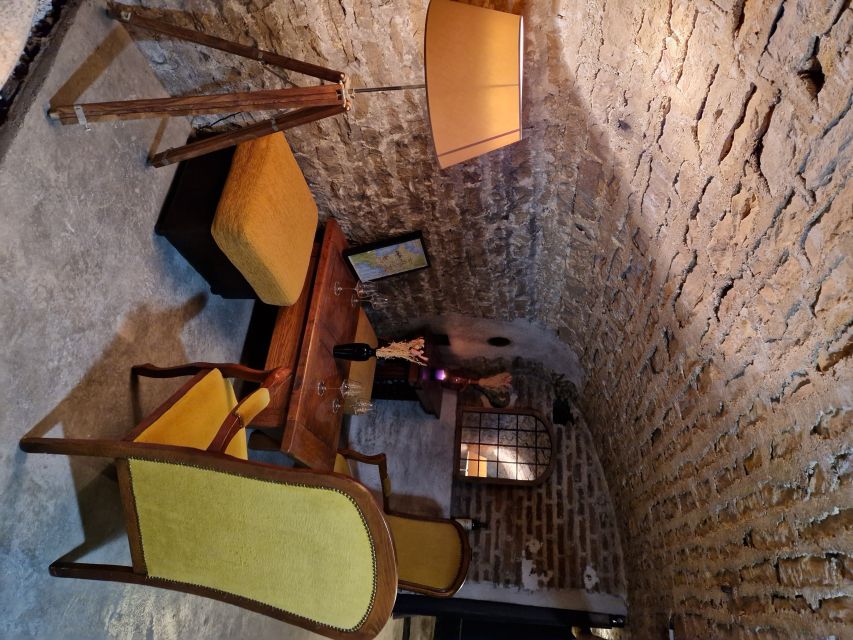
The regional explanation is the heart of the class. You learn about the different areas within Burgundy, the grapes used there, the history of Burgundy wine, and the rules governing production.
The label lesson may be the most practical part for visitors. Burgundy bottles often reward careful reading, but the system can be confusing when you first encounter it. Understanding the relationship between place and wine helps you make sense of why two bottles made from the same grape may carry very different names and prices.
The class also explains Burgundy’s principal grapes as part of the wider regional picture. The supplied details do not promise an exhaustive grape-by-grape lecture, and one hour would not allow that anyway. Instead, expect the grapes to be connected to the wines in your glass.
That connection is important. A lesson about Burgundy becomes much easier to remember when you can taste along with it. You hear about an area or style, then test the idea through aroma, flavor, acidity, body, and finish.
I also like that the teaching includes production rules. Burgundy is not only about the taste of the finished bottle. Place, permitted grapes, vineyard classification, and winemaking regulations all shape what you find in the glass. The class gives you enough background to see why the region has such a detailed system.
Same region, a different bottle:
- Bordeaux: River Garonne Cruise with Glass of Wine and Canelé
★ 4.5 · 3,630 reviews - Montmartre Hill French Gourmet Food and Wine Tasting Walking Tour
★ 5.0 · 2,588 reviews - Paris: Montmartre Cheese, Wine & Pastry Guided Walking Tour
★ 4.8 · 2,255 reviews - From Paris: Loire Valley Castles Day Trip With Wine Tasting
★ 4.6 · 1,727 reviews
Food and wine pairing in a relaxed setting
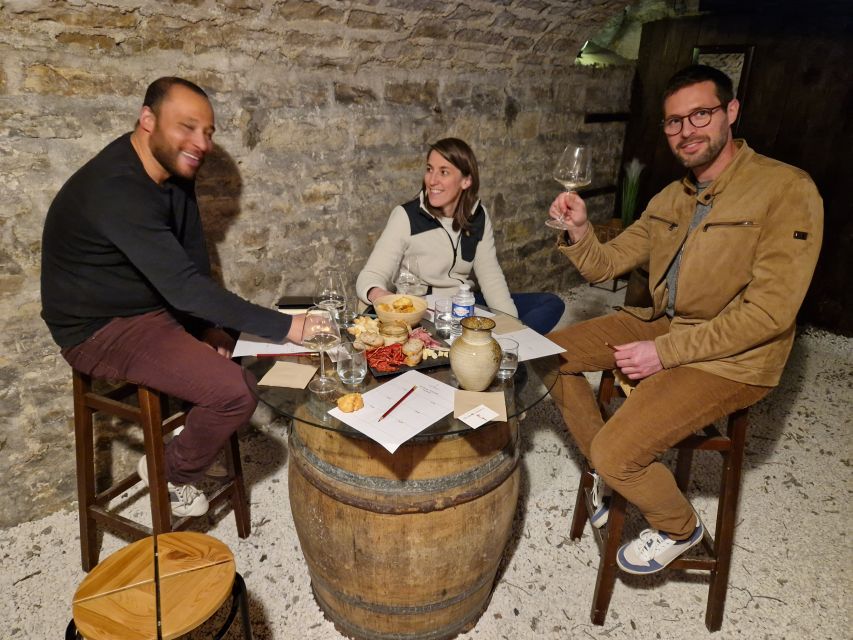
Food pairing is one of the highlights of the experience. Cheese, cold meats, and other simple foods have accompanied the tasting, helping you see how wine changes alongside food.
This is not just an extra snack. Pairing gives you a practical way to understand balance. A wine that seems sharp or restrained on its own may work differently with cheese or meat. A fuller wine may become more pleasant, or less so, depending on what you eat with it.
The current inclusions specifically list wine tasting and water. Food is highlighted in the experience and has featured in the tasting format, but you should confirm the exact food selection if it is important to your booking. Do not assume that a full meal is included.
The pairing element is especially useful if you are planning meals in Burgundy. It can help you think beyond the easy rule of matching red wine with meat and white wine with fish. The point is to pay attention to weight, acidity, salt, texture, and intensity.
I would also treat the food as a teaching tool rather than the main reason to book. The wine remains the focus, and the food supports the lesson.
A small class with room for questions
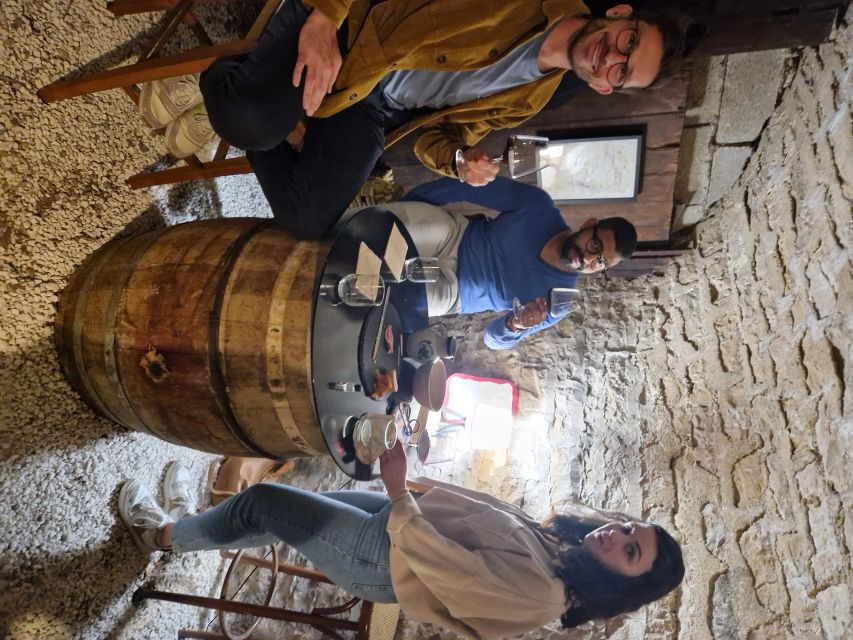
The group is limited to 10 participants. That is a good size for a tasting class because you get some social energy without losing the chance to speak directly with the instructor.
A large wine talk can leave beginners hesitant to ask basic questions. Here, the stated aim is to keep the atmosphere relaxed and make people comfortable speaking up. That suits the subject. Burgundy has plenty of terms that may sound obvious to an expert but confusing to someone seeing them for the first time.
The teaching style connected with Matthieu is warm, humorous, and easy to follow. He is associated with a local Burgundy background and has led sessions for both newcomers and people with more wine experience. That mix is useful because a group may include someone attending a first tasting beside someone who has already visited several wine regions.
You should still expect the pace to move along. One hour passes quickly once six wines, tasting technique, regional geography, labels, production, and food pairing are included. Ask your questions when they occur rather than saving everything for the end.
The class has been described as relaxed rather than rushed, but that does not turn it into a long evening course. If you want a detailed discussion of individual producers or a slow tasting of rare bottles, you need a longer format.
Location and timing at The Wine Compass
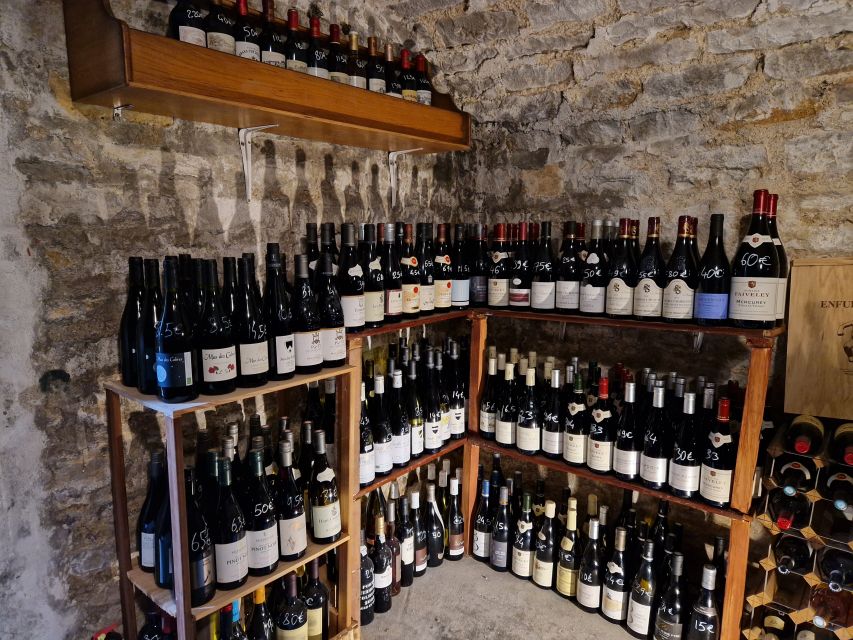
The meeting point is in a courtyard. Enter it and look for stairs going down on the left, marked with a sign for The Wine Compass.
That instruction is clear, but give yourself a few extra minutes. Courtyard meeting points can be easy to miss when you are watching the clock, and the session begins at 2:30 p.m.
The one-hour length makes this easy to fit into a Dijon day. You can place it between sightseeing and dinner without giving up a full afternoon. The trade-off is that the fixed start leaves less flexibility than a drop-in tasting.
If 2:30 p.m. does not work, another time may be possible by request. The provider asks you to get in touch rather than treating alternate times as guaranteed, so contact them before booking around a tight schedule.
English, French, and Spanish are available. German may also be possible on request. If language affects how much you will get from a technical wine class, ask ahead of time rather than assuming every session will be offered in your preferred language.
Who gets the most from the $54 price
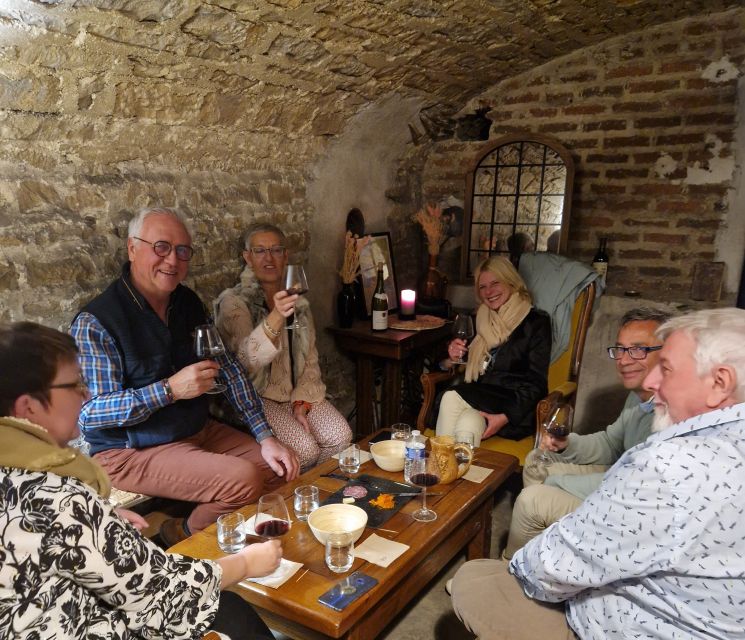
At $54 per person, the value depends on what you want from the hour. Six pours, a structured lesson, an experienced instructor, and a small group make the price reasonable for someone who wants more than a casual glass of wine.
I see the strongest value for first-time Burgundy visitors. A short class can prevent the region from feeling like a blur of French names and expensive bottles. It also gives you vocabulary for later tastings, restaurant orders, and vineyard visits.
The price is less compelling if you only want to drink wine with no instruction, or if you already know Burgundy well. You may prefer a longer producer-focused tasting or a visit in the vineyards. This class is about building understanding, not offering the deepest possible access to the region.
The format also works well for people with limited time in Dijon. You get a broad introduction without committing to a full day outside the city. The small group and relaxed tone add value because you are not simply paying for six samples. You are paying for help making sense of them.
Reserve now and pay later is available, and cancellation is free up to 24 hours before the start for a full refund. Those terms are helpful if your Dijon plans may shift, though you still need to arrive for the booked start time.
Who should skip it
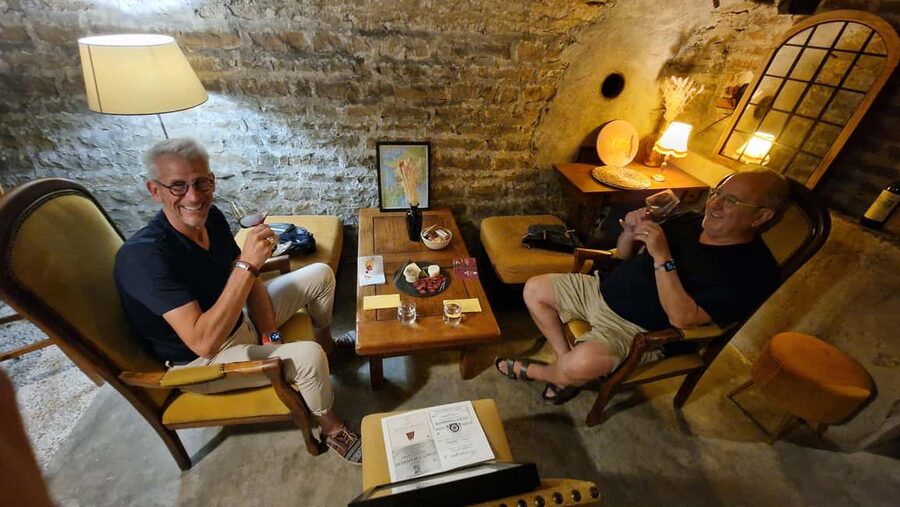
The experience is for adults only. Children under 18 and people under 17 are not accepted, and pregnant women are listed as not suitable for the activity.
Pets are not allowed. That matters if you are moving around France with a dog and had hoped to include it in an afternoon stop.
You may also want to skip this class if you dislike structured tasting. The session begins with a formal method, and the instructor will ask you to pay attention to how the wine looks, smells, and tastes. The mood is friendly, but it is still a lesson.
Finally, the one-hour format will not satisfy someone seeking a complete education in Burgundy. You will get the essential framework, not every village, producer, vintage, and classification.
My verdict on the Dijon Burgundy masterclass
I would book this if you want a clear, friendly introduction to Burgundy wines without leaving Dijon. The strongest features are the WSET-based tasting method, the six-wine comparison, the label and regional explanation, and the chance to ask questions in a group of no more than 10.
Matthieu’s teaching style appears to be a major part of the appeal, combining local Burgundy experience with a comfortable way of explaining technical ideas. Patrice is also named among the instructors associated with the sessions, so confirm the host if that matters to you.
The main limitation is time. One hour gives you a useful foundation, but not a full wine course or a substitute for visiting Burgundy’s vineyards. Book it as a smart first step, especially before restaurant meals or winery visits, and you should leave with a better palate and a much clearer idea of what Burgundy labels are trying to tell you.
FAQ
What time does the wine masterclass start?
The regular starting time is 2:30 p.m. Another time may be possible by request, but you should contact The Wine Compass to ask.
How long does the experience last?
The stated duration is one hour.
How many wines are included?
Six wines are served: three white wines and three red wines.
What will I learn during the class?
You learn how to taste wine properly, along with information about Burgundy’s areas, grapes, history, production rules, and labels. Food and wine pairing is also covered.
What languages are available?
The class is offered in English, French, and Spanish. German may be available on request.
Where is the meeting point?
Enter the courtyard and look for stairs going down on the left. A sign marked The Wine Compass identifies the location.
Is the class suitable for children?
No. The experience is not suitable for children under 18 or people under 17.
Can I cancel for a refund?
Yes. You can cancel up to 24 hours in advance for a full refund. Reserve now and pay later is also available.
Newest wine reviews around France
- Saint Emilion Full Day Wine and Bike Tour★ 5.0 · 167 reviews
- Private Bordeaux History Tour with a glass of Bordeaux wine.★ 5.0 · 28 reviews
- Private – Best of Bordeaux Walking Tour + Glass of Bordeaux Wine★ 5.0 · 240 reviews
- Medoc Afternoon Wine Tour – 2 Wineries, tastings & delicacies★ 4.5 · 74 reviews
- Luxurious full day Bordeaux wine tour in a Tesla★ 4.5 · 31 reviews
- Bordeaux wines tasting workshop including Food & Wine pairings★ 5.0 · 31 reviews
- Wine Masterclass & Cheese Tasting Workshop in Bordeaux★ 5.0 · 29 reviews
- Discovery of the Bordeaux vineyard in 3 wines★ 5.0 · 133 reviews
Dijon Wine Tours, compared.
La Cave du Palais Burgundy Wine Tasting Experience
Read our review →Burgundy wine tasting tour Half-Day Beaune from Dijon
Read our review →
Burgundy Wines Full-Day Tasting Tour from Dijon
Read our review →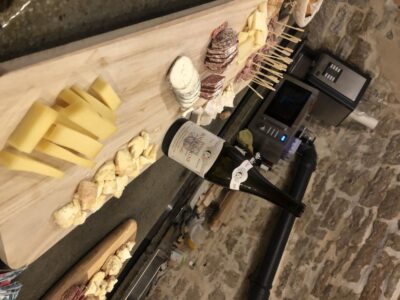
Historic Center of Dijon : Discovery Tasting Wine Burgundy
Read our review →
Lists this tasting appears in