
Reviewed · WINE TASTINGS
Dijon: La Cave du Palais Burgundy Wine Tasting Experience
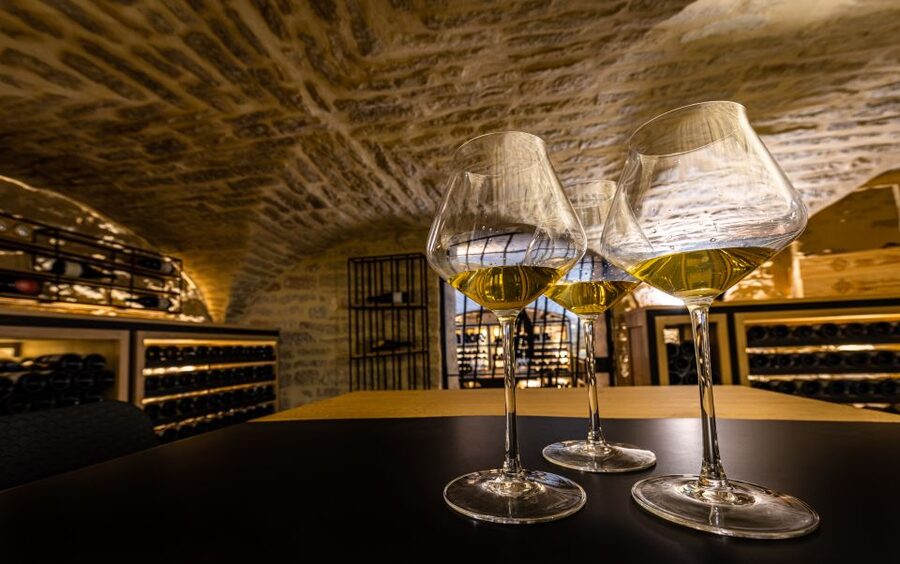
La Cave du Palais puts Burgundy’s wine story in an atmospheric setting: an old vaulted cellar beneath Hotel du Palais, only a five-minute walk from Place de la République. The tasting moves through six wines, from regional appellations to Grand Cru, while your host explains why a vineyard’s climate, vintage, and aging can change what ends up in your glass.
I like the small groups of up to eight, which leave room for questions and a relaxed conversation. I also like the thoughtful range of three red and three white wines, giving you a better sense of Burgundy than a tasting focused on one style.
The main consideration is simple: this is a cellar tasting, not a visit to working vineyards. You will learn about Burgundy’s villages, soils, and wine classifications, but you will not tour the countryside or see the winemaking process firsthand.
Key points at a glance
- Six wines in 90 minutes: Taste a broad selection rather than several versions of one bottle.
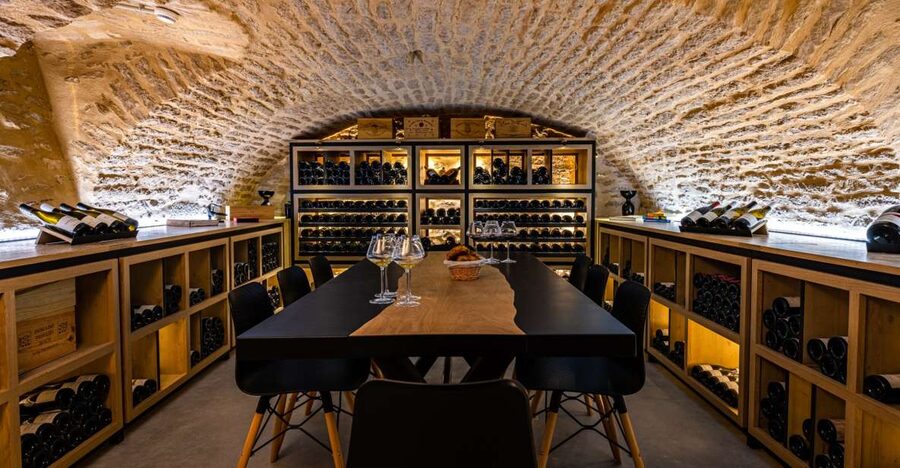
- A historic cellar setting: The tasting takes place in the original vaulted cellar of Hotel du Palais in central Dijon.
- Regional to Grand Cru: The selection introduces Burgundy’s classification system at several levels.
- French and English commentary: Hosts such as Antoine, Leo, Robin, and Prune have led lively bilingual sessions.
- Small-group format: With no more than eight people, the host can answer questions and adjust the pace.
- Useful for first-time Burgundy visitors: You get a practical guide to appellations, terroir, vintages, and aging without needing a full vineyard day.
A Burgundy lesson beneath central Dijon
The appeal of this experience is that it gives you a working framework for Burgundy wine without requiring a car, a full day, or much advance wine knowledge. Dijon is a useful base for the region, but the best-known vineyards sit outside the city. This tasting brings a sample of that wider world into an easy-to-reach cellar.
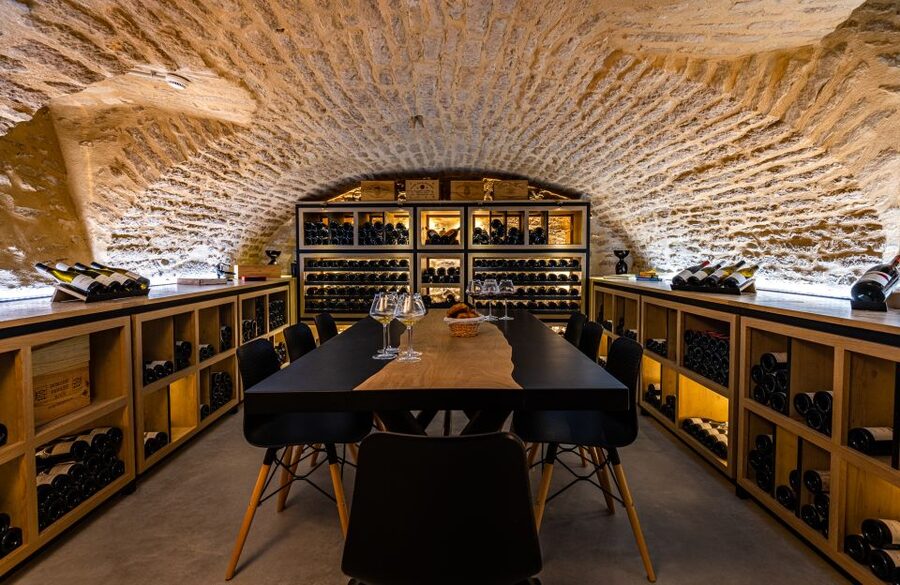
You meet at La Cave du Palais, inside Hotel du Palais. From Place de la République, the walk takes about five minutes, so you can fit the tasting into a day of sightseeing without arranging a taxi or countryside transport. That central location also makes it a sensible choice for a first evening in Dijon.
The cellar is not just a plain tasting room. It is an old underground space with vaulted ceilings and an intimate feel. You sit close to the host and the other participants, which helps the session feel more like a guided conversation than a formal lecture.
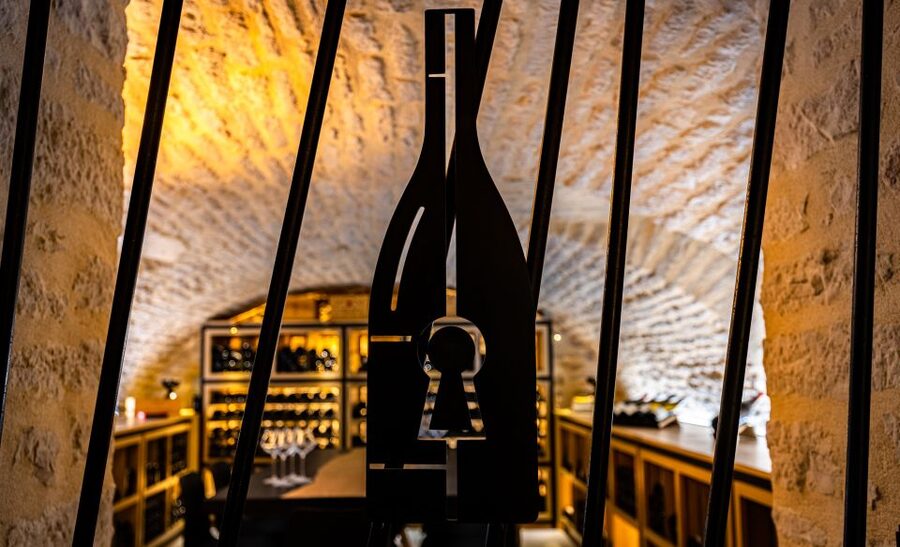
That setting matters. Burgundy can sound abstract when you hear names such as regional appellation, village wine, Premier Cru, and Grand Cru in a bright shop or restaurant. In a stone cellar, with bottles open in front of you, the subject feels connected to place and tradition.
More Wine Tastings in France
- Bordeaux: Cité du Vin Entry Ticket and Wine Tasting
★ 4.6 · 3,885 reviews - Montmartre Hill French Gourmet Food and Wine Tasting Walking Tour
★ 5.0 · 2,588 reviews - From Paris: Loire Valley Castles Day Trip With Wine Tasting
★ 4.6 · 1,727 reviews
What happens during the 90-minute tasting
The advertised format includes six wine tastings and live commentary. You should expect the session to move through several Burgundy styles, with red and white wines included. One account describes three reds and three whites, a useful balance if you want more than a narrow introduction to Pinot Noir or Chardonnay.
The host explains the wines as you taste them. Rather than simply handing over six glasses, the session connects each bottle to its origin, classification, vintage, and aging. The point is not to memorize every French wine term. It is to understand why two wines from the same broad region can taste so different.
You may begin with a regional wine, then move toward bottles tied to more specific places and higher classifications. At the top of the scale, Grand Cru represents Burgundy’s most prestigious wine category. Tasting across that range lets you compare the classification system with your own palate.
The exact bottle selection can change, so do not treat the experience as a fixed menu. The important feature is the progression from regional wines to Grand Cru, not a promise of one specific producer or vintage.
The session is interactive. Hosts answer questions, encourage discussion, and explain technical points in plain terms. If you are unsure how to taste, ask. The small format gives you a better chance of getting an answer than a large group tour would.
Some hosts have included extra reference material, and one particularly useful practical touch is the chance to photograph the bottles. If you enjoy a wine, a quick photo of its label helps you find it later or remember what to order with dinner.
Why climates and appellations matter
Burgundy wine is closely tied to the idea of climates. In this context, a climate is a specific vineyard site with its own location, soil, slope, and growing conditions. The term can be confusing because it does not simply mean weather.
The tasting uses the wines to make this difference easier to grasp. You hear about the region and its smaller divisions, then compare bottles that reflect those divisions. The idea is practical: a wine’s name tells you something about where its grapes came from and how narrowly that place is defined.
Appellations are another key part of the lesson. Regional wines cover a wider area. More specific categories point to a village or vineyard, and Premier Cru and Grand Cru mark higher levels within Burgundy’s classification system.
You do not need to become an expert in French labels before attending. The host explains how the names work, then lets the wine show why the distinctions matter. That makes the session useful for anyone who has stood in a wine shop holding a Burgundy bottle and struggled to understand the label.
A good guide also keeps the talk from becoming a list of regulations. Antoine, Leo, Robin, Prune, and other hosts have been praised for answering questions, using humor, and keeping the discussion informal. The strongest part of the experience is the link between the label, the place, and the flavor in your glass.
Six wines, with reds and whites in the mix
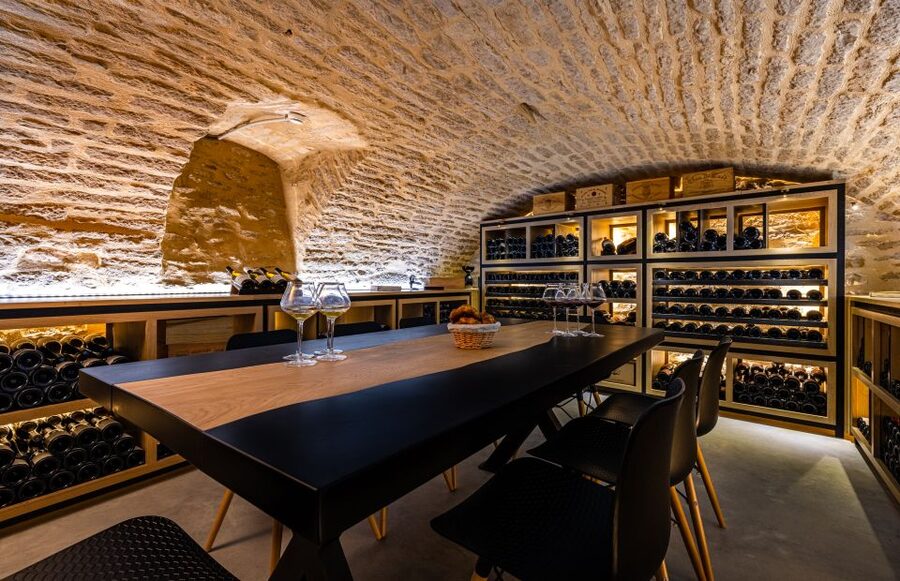
The tasting’s range is one of its best features. Six pours in 90 minutes give you enough contrast to notice differences without turning the session into a marathon.
The red and white balance is especially useful. Burgundy is often associated with red Pinot Noir, but its white wines are just as important to the region’s identity. Trying both gives you a fuller picture of local production and helps you decide what kind of Burgundy you prefer.
The wines represent a spread of appellations, from regional examples to Grand Cru. That does not mean every bottle will suit every palate, and a higher classification does not guarantee that you will personally like it best. Still, tasting the categories side by side gives the pricing and labeling system more meaning.
The pours are described as generous, though this is still a tasting rather than a meal. Plan to enjoy the wines slowly and pay attention to the discussion. If you want extra tastings, those are not included in the listed price.
One account mentions seven wines rather than six, but the stated format is six. Book this with six as your expectation, and regard anything beyond that as a possible variation rather than a guaranteed part of the experience.
Same region, a different bottle:
- Authentic Parisian Gourmet Food Tour with 10 Local Dishes & Wines
★ 5.0 · 4,754 reviews - Loire Valley Castles Day Trip from Paris with Complementary Wine
★ 4.5 · 3,907 reviews - Bordeaux: River Garonne Cruise with Glass of Wine and Canelé
★ 4.5 · 3,630 reviews - Paris: Montmartre Cheese, Wine & Pastry Guided Walking Tour
★ 4.8 · 2,255 reviews
The guides make the difference
The cellar provides atmosphere, but the host shapes the quality of the session. The strongest sessions are relaxed, clear, and open to questions.
Antoine has been singled out for his energy and command of Burgundy wines. Leo has led sessions praised for patience, broad wine knowledge, and thoughtful answers. Robin has been described as engaging and passionate about the region, while Prune has hosted in excellent English and offered practical Dijon restaurant advice.
These names do not mean you can select a particular host when booking. They show the range of people who may lead the tasting. The language listed is French and English, and hosts have handled mixed-language groups well. One session even included English, French, and Spanish conversation, though Spanish should not be expected as a standard feature.
I would ask questions as you go, especially if you are visiting Burgundy for the first time. Useful topics include how to read a label, what makes a Grand Cru different, how aging affects a wine, and why two bottles from nearby places can taste unlike each other.
The group size helps here. With a maximum of eight people, you are not lost at the back of a room. Small groups can also create a pleasant social element, especially if you are traveling alone or want a low-key activity with other wine drinkers.
Is $64 a fair price?
At $64 per person, the experience is not the cheapest way to drink wine in Dijon. You could order a glass or bottle for less, especially if your only goal is to try Burgundy wine.
The value comes from the structure. You receive six tastings, a guided explanation of the appellations, and access to a distinctive cellar in the city center. A vineyard excursion would take much longer and usually require transport. This option gives you a focused introduction in 90 minutes.
The price makes the most sense if you want context as well as wine. If you already work in the wine trade or have spent time studying Burgundy, you may find some of the basic classification material familiar. Even then, the Grand Cru comparison and the chance to ask a local specialist direct questions can make the session worthwhile.
You are also not required to buy a bottle afterward. Some people have chosen to purchase a favorite wine, but there is no stated obligation. That is useful because the tasting can help you make a more informed decision rather than turning into a sales presentation.
Who should book this experience?
I would recommend La Cave du Palais to first-time visitors who want a clear introduction to Burgundy without spending a day in the vineyards. It also suits couples, solo visitors, and small groups who enjoy conversation and want an activity close to central Dijon.
It is a good fit if you are staying in the city, arriving by train, or working around a busy sightseeing schedule. The 90-minute length leaves room for lunch, museums, the old town, or dinner afterward.
Wine lovers who already understand French classifications may still appreciate the setting and bottle range, but they should not expect a technical seminar reserved for industry professionals. The tone is friendly and accessible.
This is not suitable for children under 18, and all participants must be over 18. It is also not suitable for pregnant women or wheelchair users. Pets are not allowed.
If you want vineyard views, cellar production rooms, or a walk among the vines, choose a countryside tour instead. If you want to understand Burgundy labels and taste a spread of wines without leaving Dijon, this is the more efficient choice.
Practical details before you go
La Cave du Palais is in Hotel du Palais, in Dijon city center. It is about a five-minute walk from Place de la République, making the meeting point easy to reach on foot.
The experience lasts 90 minutes, with starting times depending on availability. The host or greeter speaks French or English, and the group is limited to eight participants.
You can cancel up to 24 hours before the experience for a full refund. A reserve-now, pay-later option is also available, which helps if your Dijon plans are still shifting.
Wear what you would normally wear for a city activity, but remember that you are visiting an underground cellar. The key practical issue is age: this is an adults-only tasting.
Should you book La Cave du Palais?
Book it if you want a compact, well-organized introduction to Burgundy wine in an atmospheric central location. The mix of six wines, red and white variety, regional through Grand Cru appellations, and an informal bilingual guide gives you real value in a short session.
Skip it if your main goal is to see the vineyards or watch wine being made. For everyone else, especially first-time Burgundy visitors, this is a smart way to give your Dijon stay a stronger sense of place before you order your next bottle.
FAQ
How long does the Dijon wine tasting last?
The experience lasts 90 minutes.
How many wines are included?
Six wine tastings are included. The selection can range from regional appellations to Grand Cru, and the tasting has included both red and white Burgundy wines.
Where does the experience meet?
You meet at La Cave du Palais, inside Hotel du Palais in central Dijon. It is about a five-minute walk from Place de la République.
Is the tasting available in English?
Yes. The host or greeter can provide the experience in French or English.
How many people are in the group?
The group is limited to eight participants.
Who can take part?
Participants must be over 18. The experience is not suitable for children under 18, pregnant women, or wheelchair users. Pets are not allowed.
Newest wine reviews around France
- Saint Emilion Full Day Wine and Bike Tour★ 5.0 · 167 reviews
- Private Bordeaux History Tour with a glass of Bordeaux wine.★ 5.0 · 28 reviews
- Private – Best of Bordeaux Walking Tour + Glass of Bordeaux Wine★ 5.0 · 240 reviews
- Medoc Afternoon Wine Tour – 2 Wineries, tastings & delicacies★ 4.5 · 74 reviews
- Luxurious full day Bordeaux wine tour in a Tesla★ 4.5 · 31 reviews
- Bordeaux wines tasting workshop including Food & Wine pairings★ 5.0 · 31 reviews
- Discovery of the Bordeaux vineyard in 3 wines★ 5.0 · 133 reviews
- Wine Masterclass & Cheese Tasting Workshop in Bordeaux★ 5.0 · 29 reviews
Wine Tastings, compared.
Douro Valley w/ Boat Tour, Wine Tasting & Lunch
Read our review →
Complete Douro Valley Wine Tour with Lunch, Wine Tastings and River Cruise
Read our review →
Small-Group Wine Tasting Experience in the Tuscan Countryside
Read our review →
Montserrat & Cogwheel Train, Gourmet Wine Tasting & Tapas/Lunch
Read our review →
Tuscany & Montepulciano Day Trip with Lunch & Wine Tasting
Read our review →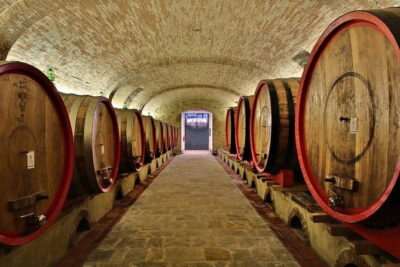
SMALL-GROUP Wine Safaris: Tuscan Wine Tasting Tours from Florence
Read our review →Lists this tasting appears in