
Reviewed · BORDEAUX WINE TOURS
Bordeaux: Wine and Trade Museum Entry Ticket & Wine Tasting
Bordeaux’s Wine and Trade Museum gives you a useful introduction to the city’s wine world without asking you to spend a day in the countryside. You explore old merchant cellars, learn how grape varieties and terroir shape Bordeaux wine, then sit down for a guided tasting of two local wines.
I like the mix of history and flavor. The vaulted cellars date to around 1720, and the tasting includes chocolate-coated raisins and canelés, the small rum-soaked pastries associated with Bordeaux. I also like the practical format: you can use a paper guide or audio guide in several languages, then join a small group of no more than nine people. The main consideration is that this is a museum visit with a tasting, not a trip to a working vineyard or a full guided tour.
Key points to know before booking
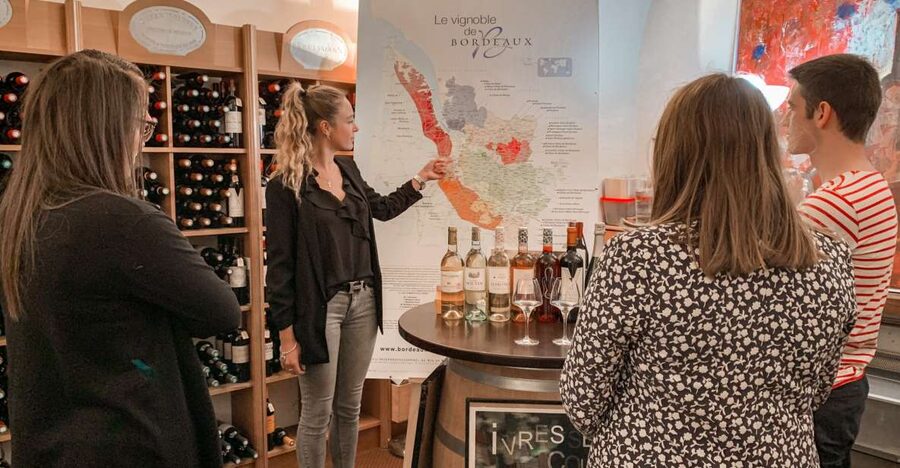
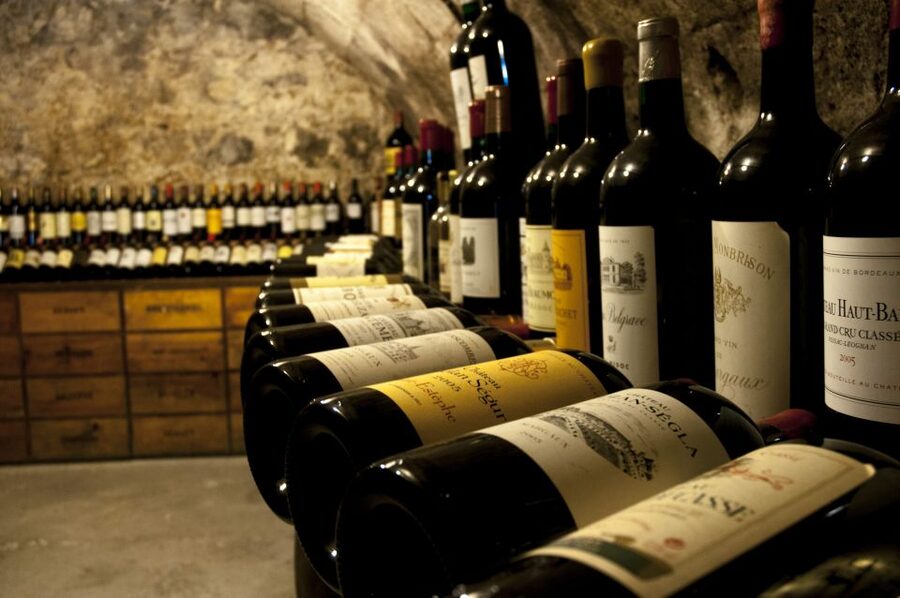
- Two historic cellars: See vaulted spaces dating from around 1720 and learn how Bordeaux wine was stored and aged in barrels.
- A clear introduction to Bordeaux wine: The vineyard presentation covers grape varieties, AOC labels, terroir, and regional classifications.
- Tasting with local sweets: Two selected wines are paired with raisins dorés and traditional canelés de Bordeaux.
- Self-guided museum visit: Choose a paper guidebook or an audio guide, with many language options available.
- Small tasting group: The presentation and tasting are limited to nine participants, giving the experience a more personal feel.
- Good value at $14: The price combines museum admission, interpretation, a vineyard presentation, and wine tasting.
Starting at Bordeaux’s former royal broker residence
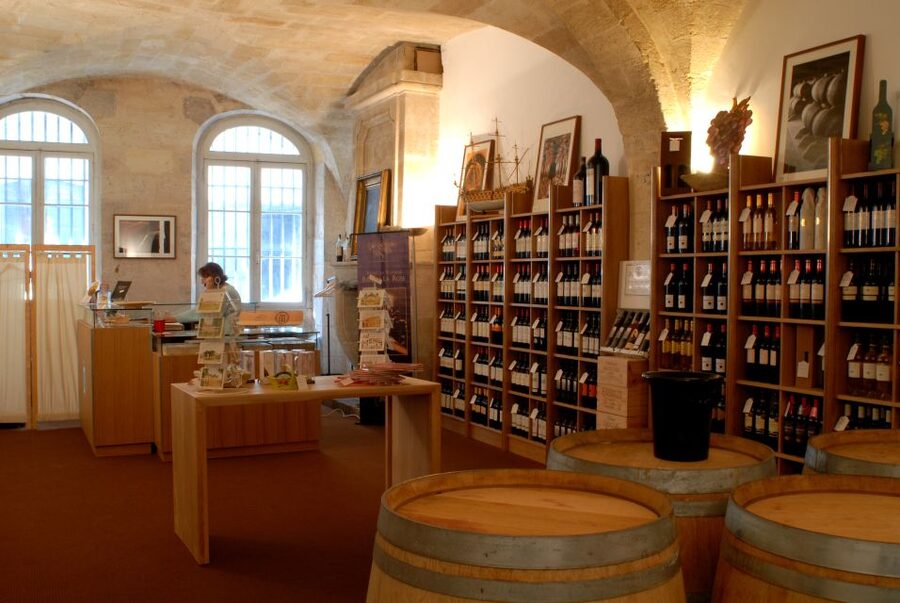
You begin at the Bordeaux Wine and Trade Museum, housed in the former residence of Louis XV’s royal broker. That setting matters because the museum focuses not only on vineyards, but also on the merchants and trade networks that helped Bordeaux wine gain an international reputation.
The visit covers more than three centuries of Bordeaux’s wine business. You are not simply looking at bottles or reading a list of famous estates. The museum connects wine to the people who bought, sold, stored, shipped, and aged it.
That makes this a sensible first stop if you are new to Bordeaux wine. You get some background before tasting, so terms such as appellation, classification, and grape variety have a place in the story.
The activity begins at the museum rather than with hotel pickup or city transport. You need to make your own way to the meeting point, but the straightforward start keeps the price low. At $14, the experience is priced more like a museum visit with a tasting than a full commercial wine tour.
More Wine Tastings in Bordeaux
- Bordeaux: Cité du Vin Entry Ticket and Wine Tasting
★ 4.6 · 3,885 reviews - From Bordeaux: Afternoon Saint-Emilion Wine Tasting & snack
★ 4.8 · 1,581 reviews - Medoc or Saint Emilion Wine Tasting and Chateau from Bordeaux
★ 5.0 · 1,415 reviews
Two vaulted cellars from around 1720
The strongest physical feature is the pair of historic vaulted cellars. Dating to about 1720, these spaces show how wine merchants worked in earlier centuries and how coopers built and maintained the wooden barrels used for storage and aging.
I find cellars like these more useful than a modern tasting room when you want to understand Bordeaux’s wine culture. The stone, curved ceilings, and barrels give you a sense of the working environment. You can see that wine production was also a business of storage, timing, transport, and careful handling.
The museum visit is self-guided. You can use the paper guidebook or an audio guide, with French, Portuguese, Spanish, Russian, Korean, Chinese, Japanese, Italian, English, German, and Dutch among the available languages. That range is helpful if you want information in your strongest language rather than trying to follow a fast spoken tour.
The tradeoff is that no full guided walk through the museum is included. The host or greeter can welcome and direct you, but the main museum portion is designed for you to explore at your own pace. If you want a guide beside you for every display, this may feel less personal than a dedicated private tour.
Learning how Bordeaux wine is shaped
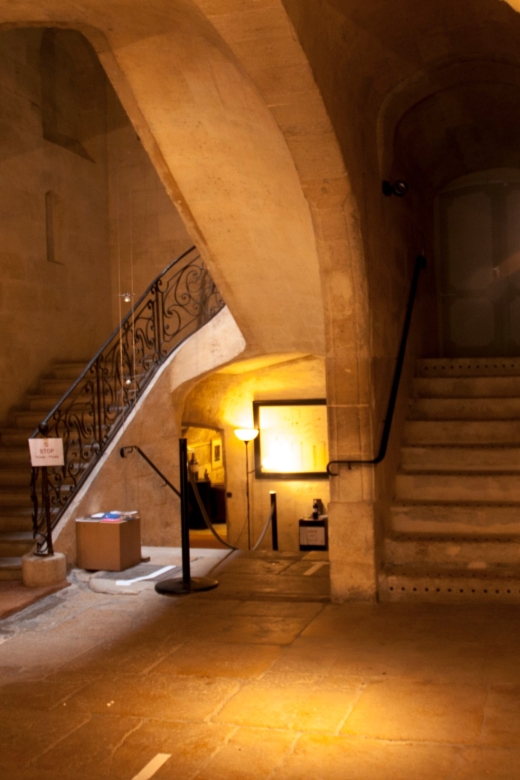
After the museum portion, you join a presentation about the Bordeaux vineyards. This is where the visit shifts from historical objects to the basic ideas you need for tasting.
The presentation introduces local grape varieties, appellations d’origine contrôlée, or AOC, terroir, and regional classifications. These subjects can sound technical, but they answer simple questions you will likely have as you look at Bordeaux bottles: Why does one wine cost more than another? Why does the label emphasize a place rather than the grape? Why can wines from nearby areas taste different?
The explanation of the environment is especially useful. Bordeaux wine is tied to place, and the presentation helps you think about soil, growing conditions, and regional identity rather than treating every red wine as the same.
I like this part because it gives you a framework for the tasting. You are not expected to identify every aroma or sound like a professional sommelier. Instead, you learn a few terms and ideas that make the next glass easier to understand.
The activity is best for curious beginners and for people who already enjoy wine but want a sharper sense of Bordeaux’s system. It is not described as an advanced certification class, and you should not expect a long technical lecture on every estate in the region.
Tasting two wines with Bordeaux specialties
The final part is a guided tasting of two in-house selected local wines. The wine selection can change, so you should treat this as an introduction to Bordeaux rather than a chance to request a particular château or vintage.
The tasting follows the vineyard presentation, which is a smart order. You first hear about grapes, AOC designations, terroir, and classifications, then taste with those ideas in mind. A guide helps comment on the wines, though the supplied details do not name individual guides.
The food pairing is modest but distinctly local. Raisins dorés are chocolate-coated raisins, and the tasting also includes canelés de Bordeaux, traditional pastries with a caramelized exterior and a rum-soaked center. These are not a meal, so you should eat beforehand if you need lunch or dinner. But they add character and give you something to compare with the wines.
One published account described receiving three wines, even though the experience information specifies two. I would plan on two and consider any additional pour a bonus, not part of the promised package. The more dependable feature is the pairing with raisins dorés and canelés.
The tasting is likely the part most people remember, but it works best because it comes after the museum and presentation. You get a taste of Bordeaux without having to choose a vineyard, arrange transport, or commit to a full-day excursion outside the city.
More Wine Tastings in France
- Saint Emilion Day Trip with Sightseeing Tour & Wine Tastings from Bordeaux
★ 5.0 · 1,120 reviews - Saint Emilion Half-Day Trip with Wine Tasting & Winery Visit from Bordeaux
★ 4.5 · 1,034 reviews - From Bordeaux: Half-Day Saint-Émilion Tour and Wine Tasting
★ 4.7 · 699 reviews - Saint-Emilion Electric Bike Day Tour with Wine Tastings & Lunch
★ 5.0 · 696 reviews
Why the small group matters
The group is limited to nine participants. That is small enough to make the tasting feel more controlled than a large room where people are drinking and listening from the back.
A small group also helps if you have questions about a wine term or want clarification during the vineyard presentation. It does not turn the experience into a private class, but it should make the explanation easier to follow.
The small format may be particularly useful for solo visitors and couples who want some conversation without booking a private tour. It also suits people who prefer not to taste in a crowded setting.
The host and greeter service covers a long list of languages, including English, French, Italian, Spanish, German, Dutch, Portuguese, Russian, Korean, Chinese, and Japanese. You should check the available language when choosing your time, since the language list does not mean every session operates in every language.
What the $14 price really includes
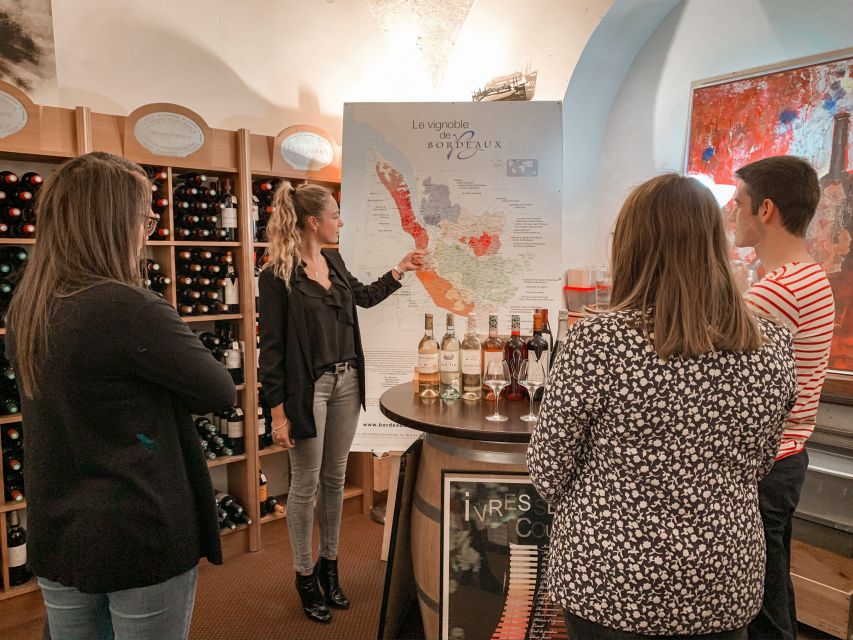
At $14 per person, this is strong value if you want several compact experiences in one stop. Your ticket includes museum admission, a paper guidebook, the vineyard presentation, a guided tasting of two wines, and raisins dorés. Canelés are also part of the tasting description.
The price is especially attractive compared with arranging a separate museum visit and wine tasting. You also avoid the cost and time of traveling to a vineyard outside Bordeaux.
There are limits. The ticket does not include a full guided museum tour, a vineyard visit, transportation, or a substantial meal. You are paying for a focused city-based introduction, not a day among the vines.
That distinction helps you make the right choice. If you have only a few hours in Bordeaux, the experience gives you useful context without taking over your day. If you have several days and want to visit estates, you can use this as preparation before booking a countryside tour.
Free cancellation is available up to 24 hours in advance, and you can reserve while paying later. Those terms are useful if your Bordeaux schedule is still changing, but they do not alter the basic character of the activity: one valid day, with a start time chosen from the available options.
Who should book this Bordeaux tasting
I would recommend this experience to first-time Bordeaux visitors who want an introduction without committing to a long excursion. It also suits people who enjoy history, architecture, and food as much as wine.
You will get the most from it if you are willing to read or listen during the self-guided museum portion. The audio guide is a good choice if you prefer a flowing explanation, while the paper guide lets you move at your own speed and pause where something catches your attention.
This is also a practical choice for mixed groups. A serious wine fan can focus on classification and production, while a companion who knows little about wine can enjoy the cellars, merchant history, and pastries.
I would choose something else if you want to walk through vineyards, meet a winemaker at an estate, or taste a large range of wines. Two wines offer a sample, not a full survey of Bordeaux. You may also prefer a longer guided tour if you do not want to explore the museum independently.
How to make the most of the visit
Arrive ready to spend time in the two cellars rather than rushing straight to the tasting. The old spaces are central to the experience, and the museum’s trade focus gives you context that a standard bar tasting would miss.
Listen for the connection between merchant activity and wine aging. The barrels are not just decoration. They represent the older methods used by Bordeaux wine merchants and coopers, and they help explain why storage became such an important part of the region’s wine identity.
During the vineyard presentation, pay close attention to the difference between grape varieties, place names, and AOC terms. Those distinctions will help you read Bordeaux labels later in your trip.
At the tasting, try the wine first, then sample the raisins dorés or canelé. The sweets are small, but they let you notice how sugar, chocolate, caramel, and rum affect your palate. You do not need formal tasting skills. A simple comparison between the wine before and after the pastry is enough.
Give yourself room in your schedule after the tasting. The activity is valid for one day, but the information supplied does not give a fixed total number of hours. Check the available starting times when booking and avoid placing it immediately before a reservation you cannot move.
The main strengths and limitations
The best feature is the combination of historic cellars, useful wine instruction, and tasting at a modest price. You learn something about Bordeaux before sampling it, and the museum setting gives the experience more substance than a quick pour at a wine bar.
The audio guide option is another strong point. Several language choices make the self-guided section more approachable, and the freedom to move at your own pace is valuable if you want to stop for photographs or reread a display.
The tasting earns praise for its quality and for the professionalism of the museum staff. That matches the format: the group is small, and the tasting has a clear local identity through the Bordeaux wines and pastries.
The limitations are equally clear. There is no included full museum tour, no transport, and no meal. The advertised tasting is two wines, and you should not book it expecting a large flight or an estate visit.
The mixed nature of the experience is both its strength and its compromise. You receive a museum visit, a history lesson, a vineyard presentation, and a tasting, but none of these sections is designed as a long specialist session.
Should you book the Wine and Trade Museum tasting?
Book it if you want an affordable, central introduction to Bordeaux wine that combines old cellars with a guided tasting. The $14 price is hard to fault for museum admission, multilingual interpretation, a vineyard presentation, two wines, and local sweets.
I would especially choose it early in a Bordeaux visit. The AOC, terroir, grape variety, and classification discussion can make later wine shopping or vineyard visits less confusing.
Skip it if your priority is a full countryside day, several estate tastings, or a substantial food pairing. For everyone else, this is a sensible way to get oriented, taste responsibly, and understand why Bordeaux wine is about merchants and place as much as what is in the glass.
FAQ
Where does the experience begin?
It begins at the Bordeaux Wine and Trade Museum.
What is included in the ticket?
The ticket includes museum admission, a paper guidebook, a Bordeaux vineyard presentation, a guided tasting of two local wines, and raisins dorés.
How many wines are included?
The experience information specifies a guided tasting of two local wines. One published account described three wines, but you should plan on two.
Are food pairings included?
Yes. The tasting includes raisins dorés, which are chocolate-coated raisins. The tasting description also includes traditional canelés de Bordeaux.
Is the museum visit guided?
The museum visit is self-guided with either a paper guide or an audio guide. A full guided museum tour is not included.
What does the vineyard presentation cover?
It introduces Bordeaux grape varieties, appellations d’origine contrôlée, terroir, regional classifications, and the way the environment affects wine.
How large is the group?
The small group is limited to nine participants.
Which languages are available?
The listed languages are French, Portuguese, Spanish, Russian, Korean, Chinese, Japanese, Italian, English, German, and Dutch.
Can I cancel the booking?
Yes. You can cancel up to 24 hours in advance for a full refund. You can also reserve now and pay later.
More Museum Visits in Bordeaux
- Bordeaux Wine and Trade Museum Admission Ticket with Wine Tasting
★ 4.5 · 599 reviews - Porto: Cálem Cellar Tour, Interactive Museum & Wine Tasting
★ 4.5 · 4,113 reviews - Porto: The Wine Experience, Best Wine Museum in the World
★ 4.7 · 621 reviews - Picasso Museum and Walking Tour Plus Optional Wine & Food Tasting
★ 5.0 · 596 reviews
Newest wine reviews around Bordeaux
- Saint Emilion Full Day Wine and Bike Tour★ 5.0 · 167 reviews
- Private Bordeaux History Tour with a glass of Bordeaux wine.★ 5.0 · 28 reviews
- Private – Best of Bordeaux Walking Tour + Glass of Bordeaux Wine★ 5.0 · 240 reviews
- Medoc Afternoon Wine Tour – 2 Wineries, tastings & delicacies★ 4.5 · 74 reviews
- Luxurious full day Bordeaux wine tour in a Tesla★ 4.5 · 31 reviews
- Bordeaux wines tasting workshop including Food & Wine pairings★ 5.0 · 31 reviews
- Wine Masterclass & Cheese Tasting Workshop in Bordeaux★ 5.0 · 29 reviews
- Discovery of the Bordeaux vineyard in 3 wines★ 5.0 · 133 reviews
Bordeaux Wine Tours, compared.

River Garonne Cruise with Glass of Wine and Canelé
Read our review →
Afternoon Saint-Emilion Wine Tasting & snack
Read our review →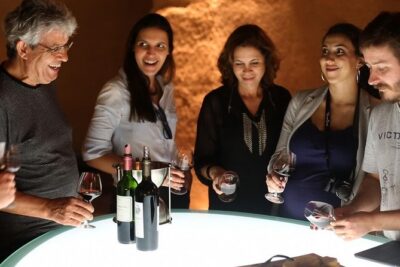
Medoc or Saint Emilion Wine Tasting and Chateau from Bordeaux
Read our review →
Saint Emilion Day Trip with Sightseeing Tour & Wine Tastings from Bordeaux
Read our review →
Saint-Emilion Electric Bike Day Tour with Wine Tastings & Lunch
Read our review →Lists this tasting appears in