
Reviewed · CHAMPAGNE TOURS
Champagne Cellar Experience: Explore our historic cellars
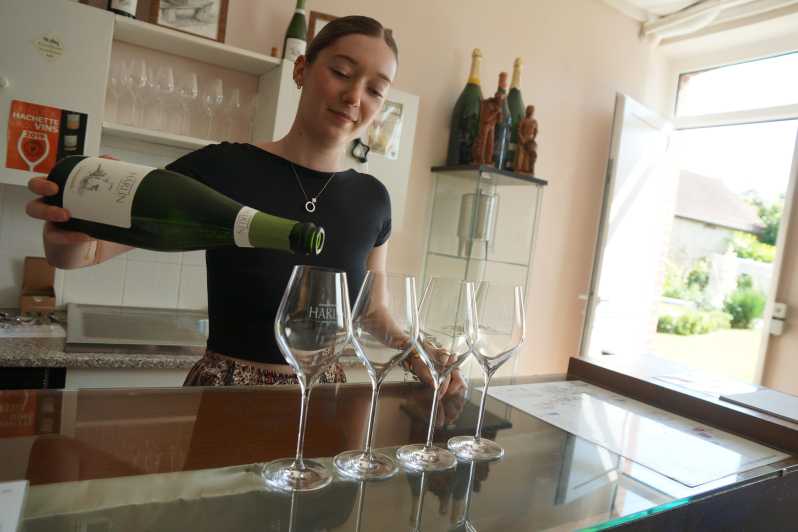
The best part of this experience is its small-producer setting. Instead of touring a grand Champagne brand with polished displays, you step into the courtyard of Champagne Harlin Père & Fils, meet the guide, and see how a family producer connects its bottles to Mareuil-le-Port, Épernay, and Tours-sur-Marne. I like the focus on biodiversity, and I like that the tasting includes three champagnes plus a Ratafia Champenois rather than just one quick sip.
The guide explains the production process clearly, then shows you how to taste with purpose. That makes this a good pick if you want more than a pretty cellar photo. The main point to watch is timing: the experience is advertised as one hour, but the detailed schedule allows one hour for the visit and another 30 minutes for tasting.
Key points at a glance
- Three champagnes from distinct terroirs: Compare wines linked to Mareuil-le-Port, Épernay, and Tours-sur-Marne.
- A rare extra pour: The tasting includes one Ratafia Champenois, a regional drink made in the Champagne area.
- Biodiversity is part of the story: The producer explains its efforts to protect nature alongside grape growing.
- A family-cellar atmosphere: You visit Champagne Harlin Père & Fils rather than a large commercial Champagne house.
- French and English tours: You can follow the visit in either language.
- Good location for a regional day: The cellar is less than two hours from Paris, 20 minutes from Épernay, and 30 minutes from Reims.
A family cellar instead of a grand Champagne factory
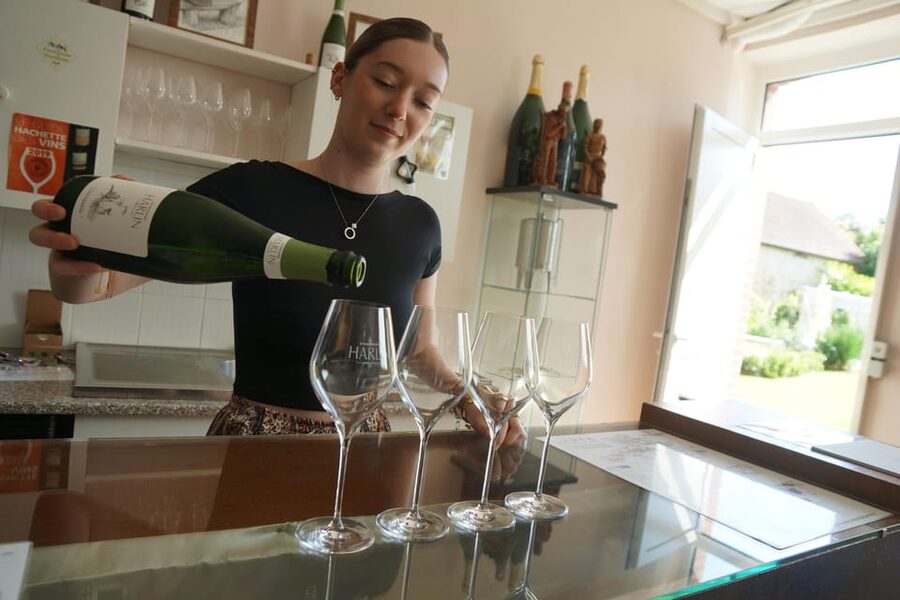
Champagne Harlin Père & Fils offers the kind of visit I prefer when I want to understand a region through its producers. You arrive at 8 Rue de la Fontaine and enter the courtyard, where your guide waits to welcome you. The setting is direct and personal, with the cellar and winery providing the backdrop rather than a large visitor center.
That difference matters. The big Champagne houses can be impressive, but they often tell a broad brand story. Here, the emphasis is on one producer, its methods, and the places that shape its wines. You get a closer look at how a smaller house presents its work and explains its choices.
The experience has earned a 4.7 rating from 46 bookings, with especially strong praise for the explanations and the tasting that follows. The most useful takeaway for me is that this is not simply a cellar walk followed by a tray of glasses. The guide explains how Champagne is made and how this particular cellar approaches the process.
More Champagne Tours in France:
- Paris 3-Courses Gourmet Dinner Seine River Cruise with Champagne
★ 4.0 · 1,659 reviews - Top Private Cruises in Paris with French Champagne and surprises
★ 5.0 · 1,553 reviews - From Paris: Day Trip to Champagne with 8 Tastings & Lunch
★ 4.8 · 1,501 reviews
Starting at 8 Rue de la Fontaine
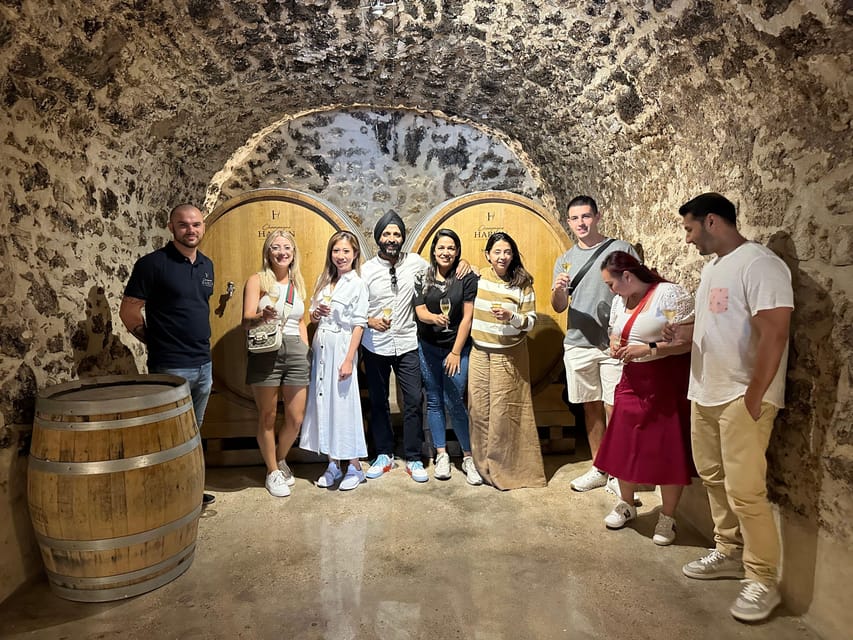
Your visit begins at the Champagne Harlin courtyard. The meeting instructions are simple: step inside, and your guide should greet you there. If the guide is not immediately visible, you are asked to wait briefly in the courtyard.
The activity is available in French or English, which makes a real difference during a technical wine visit. Champagne production includes several stages, and a clear explanation helps you understand what you are seeing instead of merely walking past tanks, bottles, or cellar equipment.
No specific guide name is provided, so you should not book this expecting a particular host. The key point is the guide’s role: you are led through the winery and cellar, then guided through a structured tasting. Feedback has repeatedly singled out the patience and clarity of the guide, especially when explaining how this cellar makes its Champagne.
Inside the winery and historic cellar
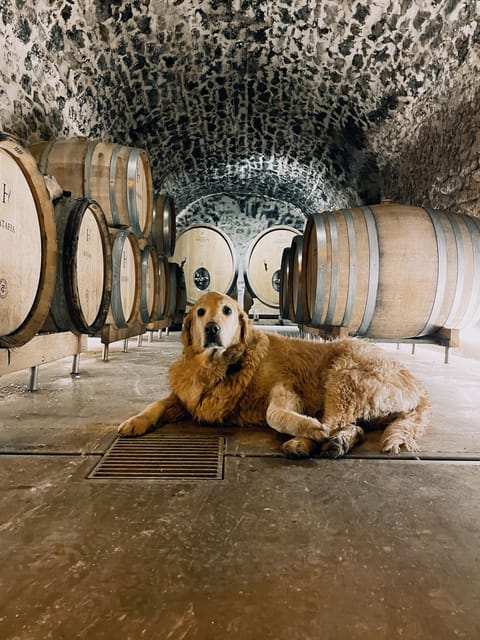
The first main part lasts about an hour according to the detailed schedule. You tour the winery and cellar, learning about the producer’s Champagne-making process and the link between each wine and its growing area.
The word historic is useful here, but you should keep your expectations in check. The information does not promise grand underground galleries, theatrical lighting, or elaborate museum displays. This is a working producer visit, focused on the cellar, production, and the people behind the bottles.
That can be more valuable if you want practical understanding. You can ask how the cellar’s approach differs from that of a large house, how the producer thinks about its vineyards, and how the wine moves from grape to finished bottle. The visit also explains how soil and climate affect the character of each cuvée.
This is where the biodiversity theme adds substance. Champagne farming depends on the health of the soil and the wider environment around the vines. The producer’s commitment to biodiversity preservation gives you a reason to look beyond the bottle and consider how vineyard choices affect insects, plants, soil, and long-term growing conditions.
The supplied information does not list specific biodiversity projects, so you should not expect a fixed presentation about one named program. Instead, think of biodiversity as one of the producer’s central values and a subject you can explore through the guide’s explanation.
Three champagnes, three places
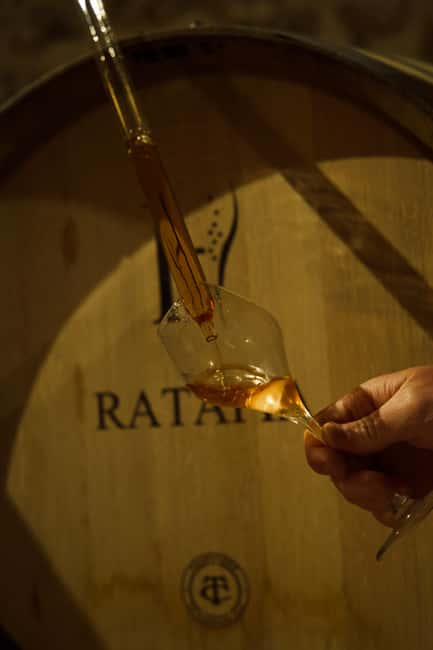
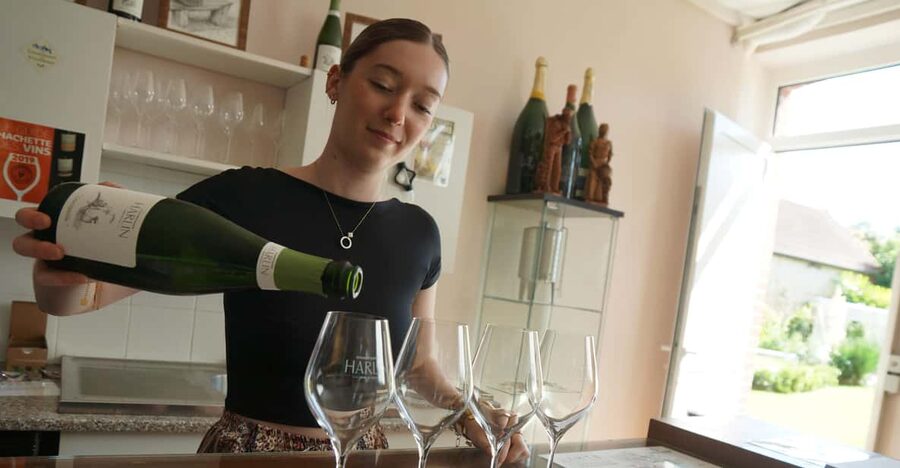
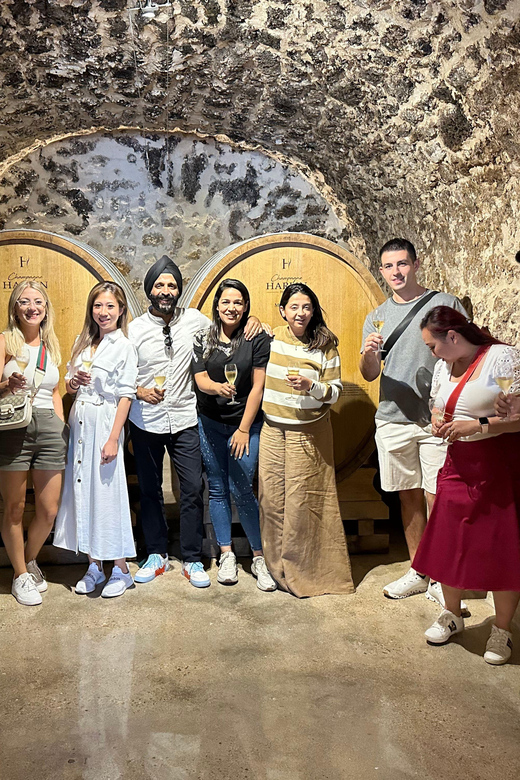
After the cellar tour, you sit down for the tasting portion. The scheduled tasting lasts about 30 minutes and includes three champagnes plus one Ratafia Champenois.
The three champagnes reflect the terroirs of Mareuil-le-Port, Épernay, and Tours-sur-Marne. That geographic range gives the tasting a useful purpose. You are not just sampling three unrelated labels. You are encouraged to consider how place, soil, and climate help shape the final cuvée.
The tasting is explained rather than rushed. You learn the art of tasting and can pay attention to the differences between each glass. Even if you are new to Champagne, the structure helps you notice more than the bubbles. You can think about aroma, balance, texture, and the way each wine feels on the palate.
I like this approach because it turns the tasting into a lesson you can carry into the rest of your trip. Afterward, you may find it easier to compare bottles at a restaurant or shop. The guide’s explanations also help connect an abstract idea such as terroir to a real group of wines.
The information does not specify the exact Champagne styles, grape varieties, vintages, or sweetness levels. Do not book this expecting a guaranteed tasting of a particular bottle. The selection is three champagnes chosen by Champagne Harlin, with each one tied to the producer’s presentation of its regional identity.
More Wine Cellar Visits in France:
- Epernay: Guided Tour of Champagne Cellar with Tastings
★ 4.7 · 507 reviews - Paris Art of Pairing Cheese and Wine Tasting in a Cheese Cellar
★ 5.0 · 386 reviews - Paris – Guided Visit & Tasting in a Royal Wine Cellar
★ 4.5 · 221 reviews - Beaune: Maison Champy Guided Cellar Tour with Wine Tasting
★ 4.7 · 213 reviews
What Ratafia Champenois adds
The fourth pour is Ratafia Champenois. This is a useful inclusion because it broadens the tasting beyond Champagne itself.
Ratafia Champenois is a regional fortified wine made in the Champagne area. The drink gives you another way to think about local wine production and how the same region can produce different styles. Its flavor profile and serving details are not specified, so the guide’s explanation will be your best source for what is in the glass on the day.
For a $23 price, this extra tasting makes the experience feel more complete. You receive four different pours, but the value is not only in the number. You also get the chance to compare a regional specialty with the three sparkling wines and understand why each belongs to the local tradition.
Why the biodiversity message matters
Many cellar visits focus only on the romance of Champagne: bottles, labels, history, and the final toast. Champagne Harlin also connects the wine to environmental care.
The producer’s commitment to biodiversity preservation gives the tour a modern concern without losing its local focus. I appreciate this because wine is not made in isolation. The health of the soil, the surrounding plants, and the wider vineyard ecosystem can affect how a producer works for years to come.
You should not expect a separate nature walk. The activity is a winery and cellar visit, not the vineyard tour. The vineyard tour is specifically listed as not included, so anyone wanting to see the vines in detail should plan for a different activity or ask about adding that option.
That distinction is important. The cellar experience tells you about biodiversity and sustainable viticulture, but it does not promise a full outdoor visit among the vines.
A closer look at the timing
The schedule needs a little attention. The activity is marketed as lasting one hour, while the detailed itinerary gives one hour for the cellar and winery visit, followed by 30 minutes of Champagne and Ratafia tasting.
For planning purposes, I would allow roughly 90 minutes and leave extra time before your next appointment. That is especially wise if the guide takes questions or if the tasting runs at a relaxed pace.
The experience begins and ends at the same address, 8 Rue de la Fontaine. There is no separate transfer between the tour and tasting. Once you arrive, the whole activity remains at Champagne Harlin.
Its location can fit neatly into a Champagne itinerary. You are told it is less than two hours from Paris, 20 minutes from Épernay, and 30 minutes from Reims. Those travel times are useful for broad planning, but actual driving time can vary. If you are moving between towns, check your route and allow a cushion.
Is $23 a good value?
At $23 per person, this is a reasonable price for a guided winery and cellar visit with four tastings. You are paying for more than the wine itself: the guide’s explanation, the production visit, the tasting lesson, and the chance to meet a smaller Champagne producer.
The value is strongest if you want context. A person who only wants a glass of Champagne may find this longer than necessary. You can buy a bottle or a pour elsewhere for less effort. But if you want to understand how the wine is made and compare several regional expressions, the price is modest.
The Ratafia Champenois helps round out the offer. So does the focus on three places rather than a single unnamed tasting flight. I would rate the experience as particularly good value for first-time visitors who want an introduction to Champagne without committing to a full-day wine tour.
Keep in mind that the vineyard tour is not included. If seeing the vines is essential to you, factor in the cost and time of a separate visit.
Who will enjoy this most?
I would choose this experience if you want:
- A direct introduction to Champagne production
- A smaller family-producer setting
- A tasting with clear explanations
- A comparison of wines connected to three Champagne locations
- A regional drink beyond Champagne itself
- A visit available in French or English
- A stop that fits into a Reims or Épernay trip
It suits curious beginners especially well. You do not need advanced wine knowledge to follow the tasting, and the guide explains the production process step by step.
It also works for people who have already visited a large Champagne house and want a different point of view. You will not get the same grand scale, but you may get a closer sense of how an individual producer thinks about wine, place, and environmental care.
The experience is less suitable if you want a full vineyard walk, a long day outdoors, or a guaranteed tour of a famous major brand. Pregnant visitors should not book it, and the activity information lists children under 18 as not suitable. At the same time, the detailed child policy says minors may accompany adults, receive fruit juice, and cannot drink alcohol. Because those instructions conflict, families should confirm the current rule before booking.
Practical booking advice
You can cancel up to 24 hours before the start for a full refund, and the reserve-now, pay-later option lets you keep your plans flexible. Starting times vary, so check availability for your chosen date.
The cellar is at 8 Rue de la Fontaine, and the tour returns there at the end. The guide speaks French and English. Children who are accepted to accompany adults do not need a ticket, and fruit juices are provided, but they will not be served alcohol.
I would avoid scheduling this right before a train or a tight lunch reservation. The listed duration is inconsistent, and the full visit plus tasting may take about 90 minutes. A little spare time will make the visit feel relaxed rather than rushed.
Should you book Champagne Harlin?
Book it if you want a reasonably priced, personal introduction to Champagne with a clear tasting lesson and a producer that takes biodiversity seriously. The combination of cellar visit, three terroir-linked champagnes, and Ratafia Champenois gives the experience more substance than a basic tasting.
Skip it if your main goal is a vineyard walk, a famous grand-house tour, or a very short tasting with no explanation. For everyone else, Champagne Harlin Père & Fils offers a grounded way to understand what is in your glass and why place matters. Just allow about 90 minutes, confirm the policy for anyone under 18, and remember that the vineyard tour is not part of this booking.
FAQ
Where does the Champagne Harlin experience begin?
It begins in the courtyard of Champagne Harlin Père & Fils at 8 Rue de la Fontaine.
How long does the experience last?
The activity is advertised as one hour, but the detailed schedule allows one hour for the winery and cellar visit plus 30 minutes for the tasting. Plan for about 90 minutes.
How many champagnes are included?
The tasting includes three champagnes.
Is Ratafia Champenois included?
Yes. The tasting includes one Ratafia Champenois along with the three champagnes.
Which Champagne areas are represented?
The tasting reflects the terroirs of Mareuil-le-Port, Épernay, and Tours-sur-Marne.
Is the vineyard tour included?
No. The Champagne Harlin vineyard tour is not included in this experience.
What languages are available?
The live guide speaks French and English.
Can children attend?
The information says children under 18 may accompany adults, will not be allowed to drink alcohol, and can receive fruit juice without needing a ticket. However, the activity details also list children under 18 as not suitable, so families should confirm the current policy before booking.
Can I cancel the booking?
Yes. You can cancel up to 24 hours in advance for a full refund. You can also reserve now and pay later.
More History Tours in France
- Nice : Wine Tasting at a Historic Château in a Land Rover !
★ 4.9 · 156 reviews - Nice: Sunset & Wine Tasting in a historic Land Rover
★ 5.0 · 91 reviews - Avignon: Historic District Guided Food & Wine Walking Tour
★ 4.8 · 84 reviews - Roman Heritage & Wine Legacy
★ 5.0 · 40 reviews
Newest wine reviews around France
- Saint Emilion Full Day Wine and Bike Tour★ 5.0 · 167 reviews
- Private Bordeaux History Tour with a glass of Bordeaux wine.★ 5.0 · 28 reviews
- Private – Best of Bordeaux Walking Tour + Glass of Bordeaux Wine★ 5.0 · 240 reviews
- Medoc Afternoon Wine Tour – 2 Wineries, tastings & delicacies★ 4.5 · 74 reviews
- Luxurious full day Bordeaux wine tour in a Tesla★ 4.5 · 31 reviews
- Bordeaux wines tasting workshop including Food & Wine pairings★ 5.0 · 31 reviews
- Wine Masterclass & Cheese Tasting Workshop in Bordeaux★ 5.0 · 29 reviews
- Discovery of the Bordeaux vineyard in 3 wines★ 5.0 · 133 reviews
Champagne Tours, compared.
Premium Morning Snorkel Sail with Champagne Brunch
Read our review →
Paris 3-Courses Gourmet Dinner Seine River Cruise with Champagne
Read our review →
Top Private Cruises in Paris with French Champagne and surprises
Read our review →
Day Trip to Champagne with 8 Tastings & Lunch
Read our review →
Private Boat Ride in Miami with Experienced Captain and Champagne
Read our review →

Lists this tasting appears in