
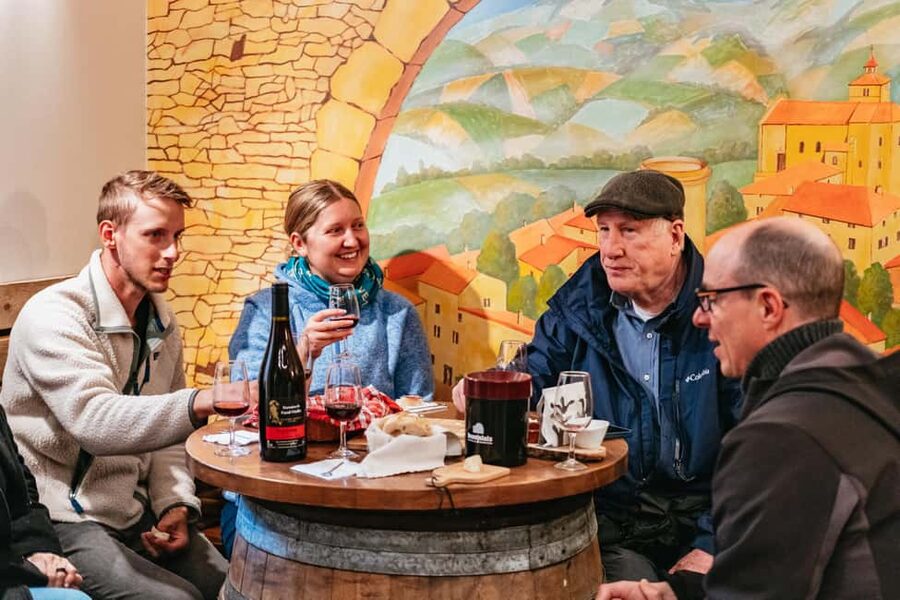
Reviewed · WINE TASTINGS
From Lyon: Golden Stones Beaujolais Wine Tasting Tour
Southern Beaujolais is less about grand château visits than it is about golden-stone villages, rolling vineyards, and approachable local wine. This four-hour trip gives you a quick, well-shaped taste of the region, with a scenic tasting stop, a walk through Oingt, and a family winery visit.
I like the combination of wine and place. You are not parked in one cellar all morning: you see the countryside, learn how local soil and grape growing affect the bottle, and meet a winemaker who can explain the work in plain terms. I also like the traditional mâchon, a Lyon-style spread of cold meats, cheeses, and bread. The main trade-off is time. Some of the drive is on winding roads, and the stop in Oingt can feel brief if you want a long village visit.
Key points to know
- A scenic first tasting: Sip Beaujolais with a croissant or pastry at a countryside viewpoint, sometimes near a chapel or an old wash house if the weather turns wet.
- A real village stop: Walk through Oingt, a 12th-century hilltop village known for its warm golden stone and medieval lanes.
- A family-run winery: Meet a local producer such as Dominique Guillard and learn about pruning, harvests, cellar work, and different wine styles.
- Several wines, not just one: The tastings may include red, white, and rosé wines, with some groups sampling around five or six wines in total.
- Small-group format: The minivan holds up to eight people, making it easier to ask questions and talk with the guide.
- A half-day that leaves room: The 258-minute schedule lets you return to Lyon with much of the afternoon still available.
A quick route from Bellecour to the Beaujolais hills
The tour begins in front of the Lyon tourist office at Bellecour Square. This is a practical meeting point in the center of Lyon, but hotel pickup is not included, so allow enough time to reach the square before departure.
You travel in an air-conditioned minivan with an English-speaking driver-guide. Guides have included Rachel, Yann, Amandine, François, Margaux, and others, and the strongest part of the experience is often the guide’s ability to connect the scenery with the wine. A good guide does more than name grape varieties. You can expect explanations of French wine grading, local customs, soil, vineyard work, and the idea of terroir, the mix of place, climate, soil, and farming that gives a wine its character.
The drive is part of the experience. Southern Beaujolais sits just north of Lyon and has a softer, hillier feel than the city. Vineyards, small villages, and warm-colored stone buildings appear along the route. You will spend a fair portion of the morning in the vehicle, so this is best viewed as a countryside outing with wine rather than a long cellar tour.
The minivan is comfortable, and the small group size helps. With up to eight participants, you can usually hear the guide easily and ask questions without waiting through a large bus group. One practical warning: the route includes winding roads, and at least one past departure used a manual-transmission vehicle. If you get carsick, sit where you feel most comfortable and bring suitable medication.
More Wine Tastings in France
- Bordeaux: Cité du Vin Entry Ticket and Wine Tasting
★ 4.6 · 3,885 reviews - Montmartre Hill French Gourmet Food and Wine Tasting Walking Tour
★ 5.0 · 2,588 reviews - From Paris: Loire Valley Castles Day Trip With Wine Tasting
★ 4.6 · 1,727 reviews
The first glass comes with a view
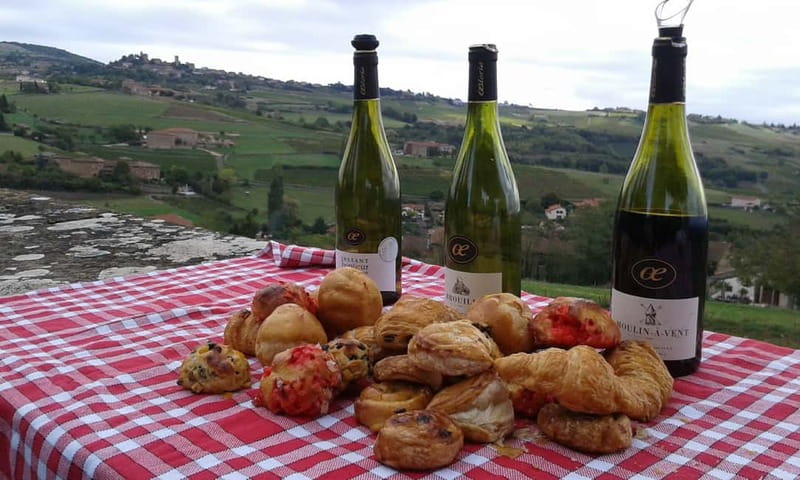
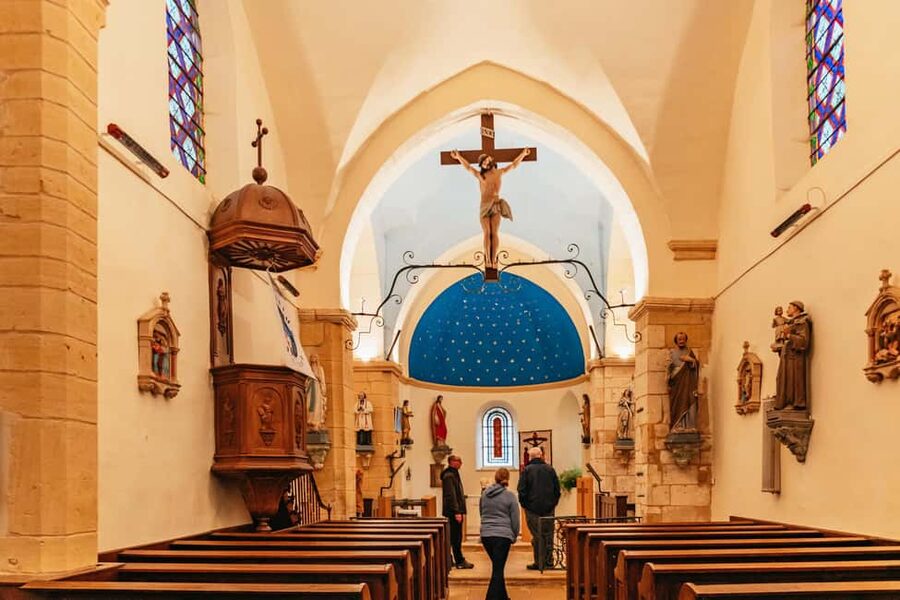
The opening tasting is designed to put you in the region before you start talking about bottles. Depending on weather and the day’s route, you might taste outside near a scenic viewpoint, beside a chapel, or under the cover of an old communal wash house.
That setting matters. You can look across the hills while trying a white and a red, rather than beginning with a technical lecture in a dark room. The guide introduces the basics of tasting and helps you notice color, smell, texture, and finish. A pastry or croissant accompanies the first wines, creating a simple French breakfast rather than a formal food pairing.
Several guides have made this stop memorable by explaining the wines in an easy, social way. Rachel is particularly praised for mixing practical wine information with local history and humor, while Yann is known for answering questions about grapes, soils, and the winemaking process. The exact guide varies, so treat those names as examples rather than a promise.
This is also the point where expectations matter. The first stop is primarily a scenic tasting, not another full winery. If you want every pour to happen at a professional estate with a cellar tour, this may feel light. If you want a gentle introduction before visiting the producer, it works well.
Oingt brings the golden stones to life
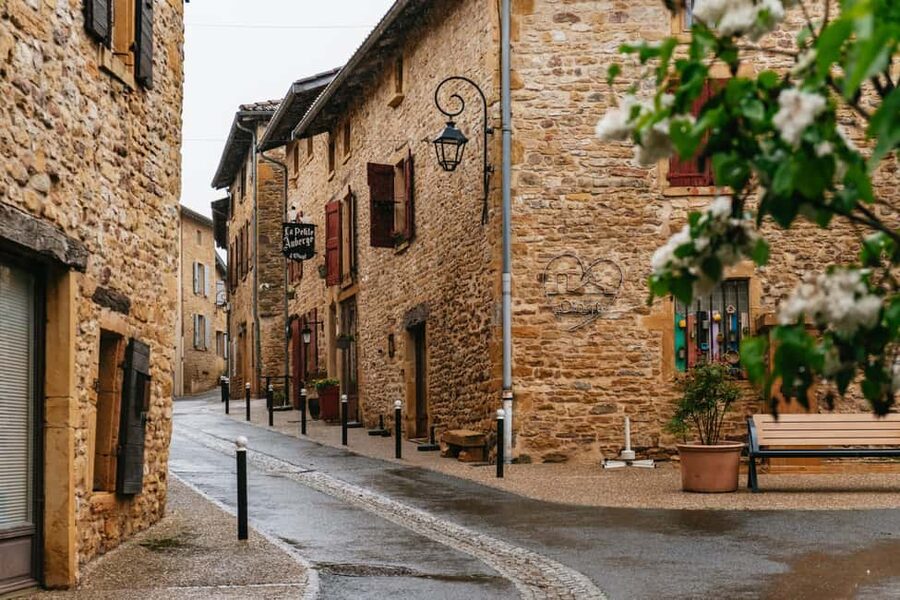
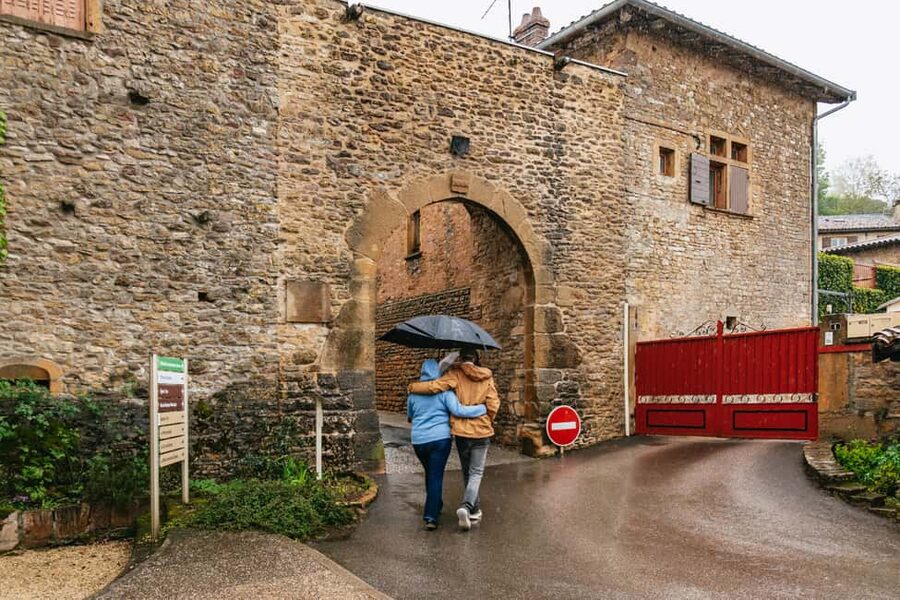
The next stop is Oingt, a medieval hilltop village listed among France’s Most Beautiful Villages. Its appeal comes from the local golden stone, which gives the houses, walls, and lanes a warm color that changes with the light.
You walk through narrow streets and medieval squares, with time to look around at the old buildings and village setting. This adds an important non-wine element to the morning. You are not simply being driven from one tasting room to another. Oingt helps explain the region’s identity and gives you a short break from the minivan.
The limitation is the amount of free time. This is a brief stroll, not a full village exploration. Some departures have allowed enough time for a relaxed walk and a look at local pottery or small shops, while other schedules have felt rushed. Shops may not be open early in the day, so do not plan on a full shopping stop.
I would treat Oingt as an atmospheric introduction. You will see the main character of the village, take photographs, and get a feel for its layout. If you want to climb every lane, browse galleries, or sit for coffee, you need a longer independent visit.
Meeting a tenth-generation winemaker
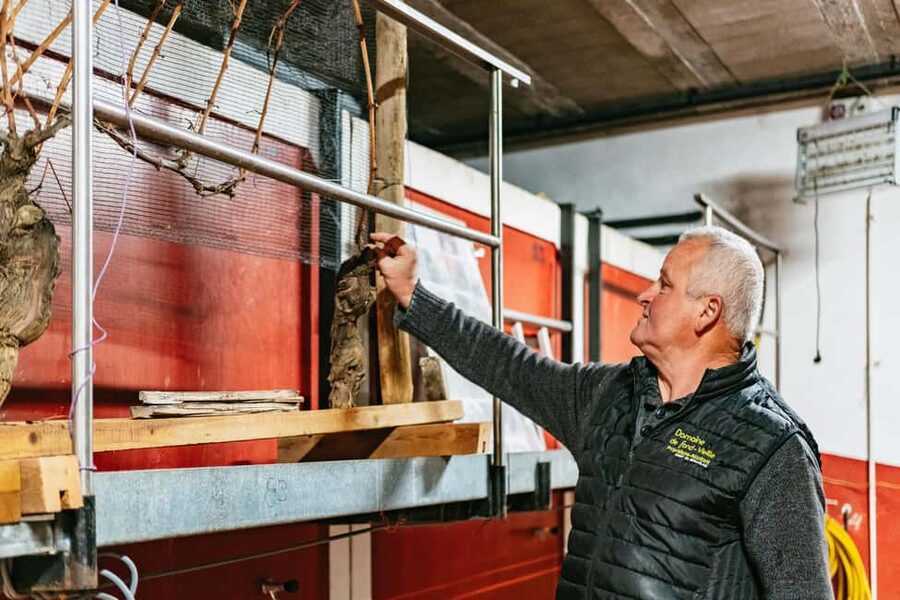
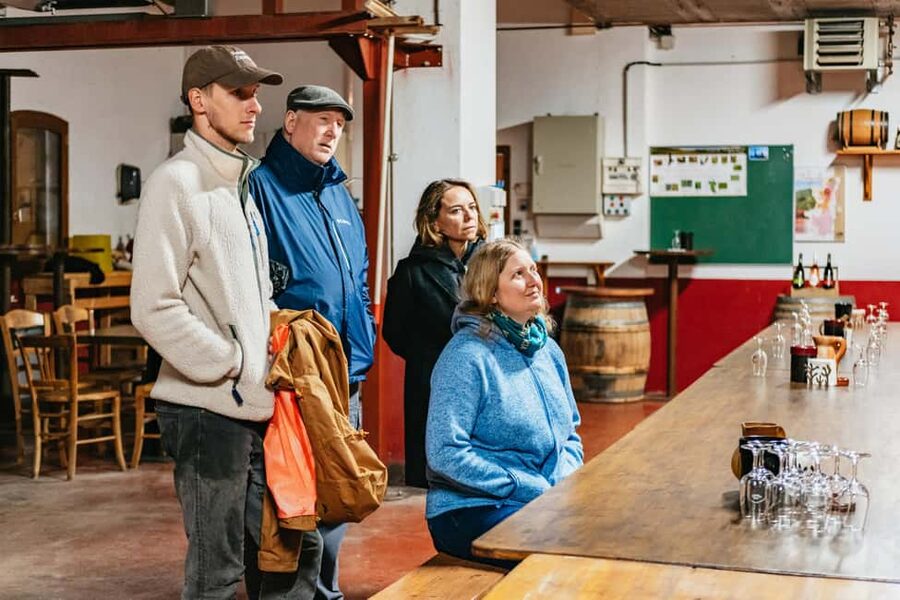
The final stop is the heart of the tour. At a family-owned winery, the winemaker explains how the vineyard and cellar work together. One frequently mentioned producer is Dominique Guillard, a tenth-generation winemaker whose family has worked in the region for generations.
The conversation can cover the yearly cycle, from pruning vines to picking grapes and handling the harvest. One particularly useful detail is the explanation of how vines are pruned for the next season. This turns a bottle of wine into the result of many decisions made months before the grapes are picked.
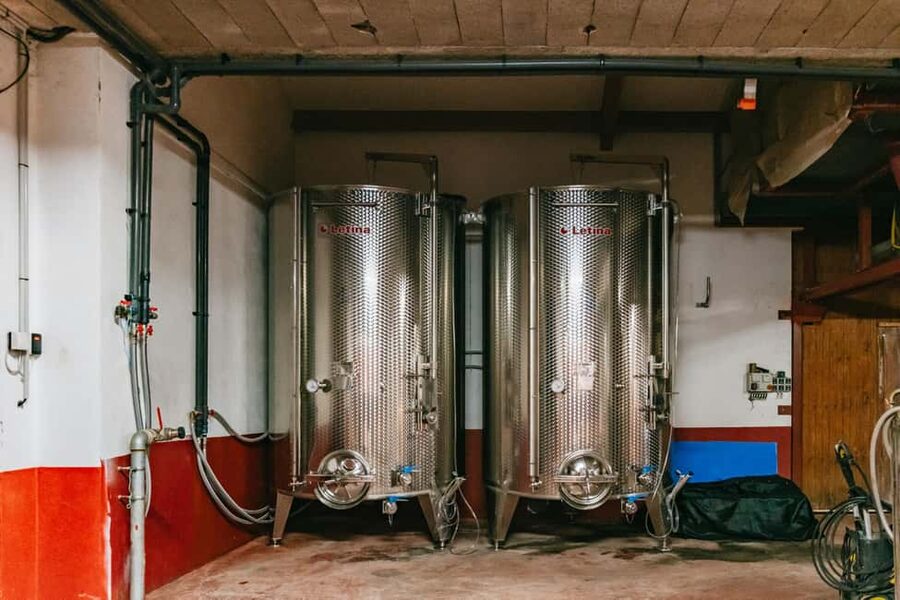
You may walk through part of the vineyard, visit the cellar, and continue into a small tasting room. The format is personal rather than polished. That is a strength if you want to ask direct questions about production, storage, pricing, and the differences between wines. It can feel less theatrical than a major commercial estate, but much more connected to the people doing the work.
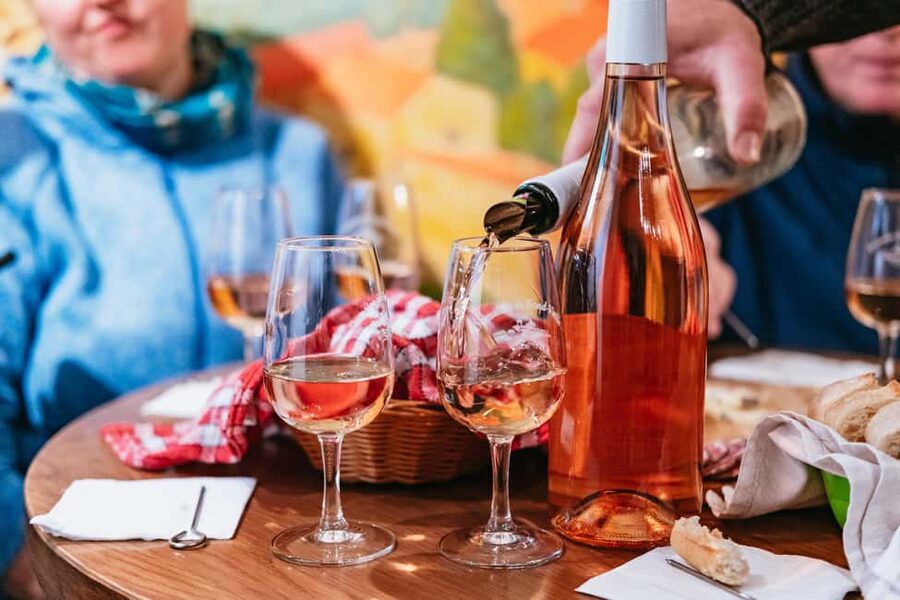
The tasting may include white, rosé, and red wines. Some groups have sampled about five or six wines across the day, while the exact number can vary. The wines are generally presented as accessible Southern Beaujolais bottles rather than expensive prestige labels. One useful feature is the chance to buy bottles directly from the producer when available.
Do not confuse this tour with a premium Beaujolais crus itinerary. The route focuses on the Southern Beaujolais area and its golden-stone villages. If you are seeking the most famous or costly appellations, ask about a different regional tour. If you want to understand how a small family winery operates, this visit is the stronger choice.
Same region, a different bottle:
- Authentic Parisian Gourmet Food Tour with 10 Local Dishes & Wines
★ 5.0 · 4,754 reviews - Loire Valley Castles Day Trip from Paris with Complementary Wine
★ 4.5 · 3,907 reviews - Bordeaux: River Garonne Cruise with Glass of Wine and Canelé
★ 4.5 · 3,630 reviews - Paris: Montmartre Cheese, Wine & Pastry Guided Walking Tour
★ 4.8 · 2,255 reviews
The mâchon makes the last tasting feel local
The final tasting comes with a traditional Lyon mâchon, a simple meal of local cold meats, cheeses, bread, and sometimes olive bread. This is not lunch, and the tour does not include a full midday meal, but it is more substantial than a few crackers beside a glass.
The food gives you a useful way to taste the wine. Salty charcuterie, creamy cheese, and fresh bread change how the reds and whites feel in your mouth. It also creates a relaxed end to the winery visit, when you can keep talking with the producer and your guide instead of rushing straight back to Lyon.
Pastries are included earlier, and snacks are part of the mâchon breakfast. Bottled water is not supplied because the provider has stopped distributing it as part of its environmental policy. Bring a reusable bottle and refill it before or during the outing. Drinks and food are not allowed inside the vehicle, so keep them for the designated stops.
What $116 buys you
At $116 per person, the price is reasonable if you value transport, guiding, several tastings, and access to a small family winery. Hiring a car would give you more freedom but would leave one person driving, and responsible wine tasting becomes harder. Public transport alone will not easily reproduce this route, particularly the combination of Oingt, scenic stops, and a rural producer.
The price includes the air-conditioned minivan, professional driver-guide, wine tastings, alcoholic drinks at the stops, pastries, and the mâchon snacks. It does not include lunch, hotel transfers, or bottled water. You should also budget for any wine you decide to purchase.
The best value comes from the human side of the day. A guide such as Rachel or Yann can explain unfamiliar French wine terms, translate at the family winery when needed, and keep the schedule moving. The visit with the producer is especially useful for first-time wine visitors who want more than a quick pour and a sales pitch.
The value is weaker for serious wine collectors who want a long tasting at several estates. One stop is scenic rather than a winery, and the region visited is a simpler part of Beaujolais rather than the premium villages. The tour gives breadth and atmosphere in four hours, not exhaustive wine study.
Who will enjoy this half-day most
I would recommend this outing to you if you are staying in Lyon and want to see the countryside without renting a car. It works especially well for couples, solo visitors, and small groups who enjoy a relaxed mix of food, village scenery, and wine education.
It is also a good choice for people who are curious about wine but do not want an intense tasting marathon. The village walk and countryside views give non-drinkers or less enthusiastic wine drinkers something to enjoy, while the guide’s explanations add context for those who want to learn.
The tour is less suitable if you need a wheelchair. Non-folding and electric wheelchairs are not accepted, and the medieval streets of Oingt are not designed for easy access. Baby strollers are also not allowed. Assistance dogs are permitted, while ordinary pets are not.
Wear comfortable shoes and clothing suited to the weather. The tour includes walking through an old hilltop village and may include an outdoor tasting, so a light rain layer is sensible. Smoking, alcoholic drinks, and food are not allowed in the vehicle.
How to make the most of the morning
Arrive at Bellecour Square with time to spare, and bring a refillable water bottle. Eat a little beforehand if you prefer a substantial breakfast, since the included pastry and mâchon are snacks rather than a full meal.
Ask questions early. The guides are there to explain the area, and the small group makes it easy to ask about grape varieties, French labels, soil, pruning, or the difference between a casual Beaujolais wine and a more premium bottle.
Keep your schedule flexible after the tour. The stated duration is 258 minutes, but traffic, weather, and the pace of the group can affect the return time. The half-day format normally leaves room for lunch and afternoon plans in Lyon, but do not book a tight train connection immediately afterward.
If you hope to buy wine, bring a way to carry bottles safely. The family winery may offer bottles for purchase, though shipping is not guaranteed. The opportunity to buy affordable local wines is part of the appeal, but it should be treated as an option rather than a promised feature.
Should you book the Golden Stones Beaujolais tour?
Book it if you want a compact introduction to Southern Beaujolais with scenery, a beautiful medieval village, and a personal winery visit. The strongest moments are the hilltop tasting, Oingt’s golden stone, and the conversation with a family producer over wine, cheese, bread, and charcuterie.
Skip it if your main goal is a full-day wine pilgrimage through several top Beaujolais estates, or if you want a long, unhurried visit in Oingt. For most Lyon visitors, though, $116 buys a practical escape from the city and a good first understanding of the region. Free cancellation up to 24 hours before departure and the reserve-now, pay-later option also make it a low-risk addition to a Lyon itinerary.
FAQ
Where does the tour meet in Lyon?
Meet in front of the Lyon tourist office at Bellecour Square. Hotel pickup and drop-off are not included.
How long does the tour last?
The listed duration is 258 minutes, or about four hours and 18 minutes. Starting times vary, so check availability when booking.
What language is the tour conducted in?
The live tour guide speaks English.
How many people are in the group?
The tour is limited to eight participants and uses a shared, air-conditioned minivan.
What wines will I taste?
The tastings can include Beaujolais red, white, and rosé wines. Some departures have tasted around five or six wines in total, though the exact selection and number can vary.
Is food included?
Yes. The experience includes pastries and snacks served as part of a traditional Lyon mâchon, including local cold meats, cheeses, and bread. It does not include lunch.
Should I bring water?
Yes. Bottled water is not provided, but you can refill a reusable bottle during the activity.
Is the tour suitable for wheelchair users?
No. The activity is not suitable for wheelchair users, and non-folding or electric wheelchairs are not accepted. Baby strollers are also not allowed.
Newest wine reviews around France
- Saint Emilion Full Day Wine and Bike Tour★ 5.0 · 167 reviews
- Private Bordeaux History Tour with a glass of Bordeaux wine.★ 5.0 · 28 reviews
- Private – Best of Bordeaux Walking Tour + Glass of Bordeaux Wine★ 5.0 · 240 reviews
- Medoc Afternoon Wine Tour – 2 Wineries, tastings & delicacies★ 4.5 · 74 reviews
- Luxurious full day Bordeaux wine tour in a Tesla★ 4.5 · 31 reviews
- Bordeaux wines tasting workshop including Food & Wine pairings★ 5.0 · 31 reviews
- Wine Masterclass & Cheese Tasting Workshop in Bordeaux★ 5.0 · 29 reviews
- Discovery of the Bordeaux vineyard in 3 wines★ 5.0 · 133 reviews
Wine Tastings, compared.
Douro Valley w/ Boat Tour, Wine Tasting & Lunch
Read our review →
Complete Douro Valley Wine Tour with Lunch, Wine Tastings and River Cruise
Read our review →
Small-Group Wine Tasting Experience in the Tuscan Countryside
Read our review →
Montserrat & Cogwheel Train, Gourmet Wine Tasting & Tapas/Lunch
Read our review →
Tuscany & Montepulciano Day Trip with Lunch & Wine Tasting
Read our review →
SMALL-GROUP Wine Safaris: Tuscan Wine Tasting Tours from Florence
Read our review →Lists this tasting appears in