
Reviewed · BORDEAUX WINE TOURS
Make your own cuvée of Bordeaux wine
The clever part of this Bordeaux workshop is that you do not just taste finished wine. You taste Merlot, Cabernet Sauvignon, and Cabernet Franc separately, then use tubes and pipettes to build a blend that suits your own palate. Your reward is a bottle with your name on it, a much better souvenir than another postcard.
I especially like the hands-on blending and the teaching style. James, Pierre, and Geoffroy are described as warm, funny, and clear in English, and the session uses soil samples, blind tasting, and side-by-side comparisons to make Bordeaux easier to understand. The main caution is important: this is a blending workshop, not a full winemaking course, and a few bookings have apparently been affected by mix-ups, with some guests receiving only a tasting.
- Make a personal red blend: Combine Bordeaux varieties in your own proportions and bottle the result.
- Learn the role of each grape: Merlot brings softness and fruit, Cabernet Sauvignon adds structure, and Cabernet Franc contributes aroma and balance.
- Taste with purpose: Guided tasting, blind tasting, food, and visual aids turn the session into a practical lesson.
- Small-group setting: The maximum group size is 12, which leaves room for questions and individual help.
- Take home a named bottle: Your cuvée becomes a personal souvenir of Bordeaux.
- Plan for a red-wine focus: This is not the right choice if you want a white-wine tasting.
A Bordeaux workshop where you become the blender
Bordeaux wine can seem needlessly mysterious. Labels often name an estate rather than a grape, and the finished wine may contain several varieties. This workshop gives you a useful key: taste the building blocks first, then see how they work together.
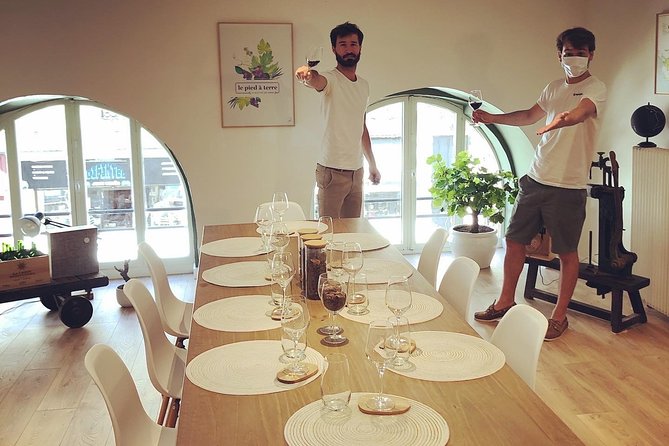
At Le Pied à Terre, a wine shop and tasting cellar at 22 Rue Judaïque, you settle in for a session lasting about two and a half hours. The pace is meant to be relaxed and social, not a quick standing tasting. You learn, taste, compare, make decisions, and finish with your own bottle.
The experience is priced at $71.20 per person. That is fair value if the full workshop runs as planned, since you receive instruction, several tastings, Basque cheese and charcuterie, and a bottle of your own blend. It is less attractive if you receive only the lecture and tasting portion, so it is worth confirming the blending and bottling element when you arrive.
Starting with Bordeaux’s three main blending tools
The lesson centers on three classic Bordeaux grapes: Merlot, Cabernet Sauvignon, and Cabernet Franc. Each has a different job, and the point is not to decide which grape is best. The point is to learn how a winemaker uses them together.
Merlot is generally presented as the softer, rounder, more approachable part of the blend. Cabernet Sauvignon supplies tannic structure and backbone. Cabernet Franc adds aromatic lift and helps bring balance and character. The session makes these ideas practical by letting you taste the wines as separate components.
That is valuable for anyone used to wines labeled mainly by grape. In many American wine shops, a bottle of Cabernet Sauvignon or Merlot is easy to identify. Bordeaux often asks you to think differently. The blend and the place matter as much as the individual grape.
The class also introduces the broad Bordeaux regions, including the Left Bank, Right Bank, and Entre-Deux-Mers. Soil samples are used as a visual aid, helping connect growing conditions with the styles of wine produced in different parts of the area. You do not need a technical wine background to follow along.
More Wine Tours in Bordeaux:
- Bordeaux: Cité du Vin Entry Ticket and Wine Tasting
★ 4.6 · 3,885 reviews - Bordeaux: River Garonne Cruise with Glass of Wine and Canelé
★ 4.5 · 3,630 reviews - From Bordeaux: Afternoon Saint-Emilion Wine Tasting & snack
★ 4.8 · 1,581 reviews
Guided tasting, aromas, tannins, and food
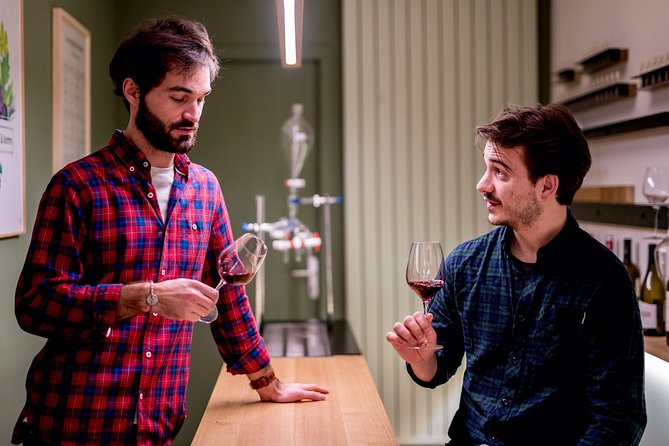
The tasting is not simply a series of pours with a few facts attached. You work through basic wine skills, including smell, taste, acidity, tannins, and aromatic profiles. The goal is to give you a vocabulary you can use later at a restaurant or wine shop.
The format may include a guided tasting first, followed by a more active tasting and then a blind tasting. That progression matters. First, you receive the framework. Next, you compare the wines with more confidence. Finally, you try to identify differences without seeing the answer in front of you.
The blind tasting is particularly useful because it turns passive listening into a small test. You must rely on aroma, texture, fruit, tannin, and balance instead of a label. Even if you get the answer wrong, you learn what your palate notices.
Basque cheese and charcuterie are served as a starter. This is a good match for a wine lesson because food shows how the same wine can feel different at the table. The food is not presented as a full meal, so you should still plan another meal if you need one.
The teaching style is informal. James is named as the guide in the experience description, while Pierre and Geoffroy are also identified as hosts in the feedback. The strongest pattern is clear English, humor, and an easy manner. That helps keep the lesson from feeling like a classroom lecture.
The most useful part: building your own cuvée
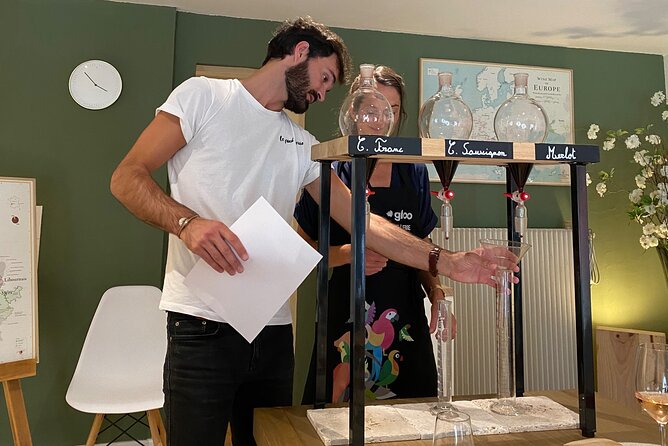
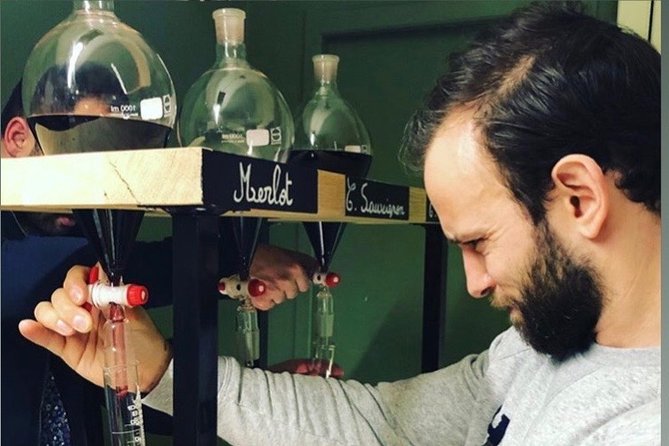
After tasting the individual wines, you move to the hands-on section. Tubes and pipettes let you measure different proportions and test your blend. This is where the workshop earns its price.
You are not making wine from grapes, fermenting juice, or aging a barrel. You are blending finished single-varietal wines. That distinction is worth knowing before you book. The satisfying part is still real: you make a wine according to your own taste, then bottle it.
You might prefer a softer, fruitier result with more Merlot. You might want more Cabernet Sauvignon for structure. Or you may find that Cabernet Franc gives the blend the aroma and balance you were missing. The exercise lets you test those choices instead of taking the instructor’s word for them.
One useful suggestion for getting more from the activity is to taste all three varieties side by side when possible. Sequential tasting helps you focus on each wine, but side-by-side comparison makes the differences easier to spot. It is especially helpful when trying to understand how Cabernet Sauvignon provides tannic structure while Merlot and Cabernet Franc change the fruit and aromatic profile.
The final bottle is labeled with your name. That turns the lesson into a personal keepsake, but it also gives the blending exercise a clear finish. You make a decision, commit to it, and leave with a physical record of your palate on that day.
What the bottle does and does not mean
Your bottle is a fun souvenir, but do not confuse it with a rare estate wine or a bottle that has been aged under your supervision. It is your chosen blend of the wines used in the workshop. The value is the experience and the memory, not the investment potential.
This distinction also helps explain the occasional disappointment connected with the experience. A couple of participants found that their session became a standard tasting and lecture, with no personal cuvée made. The host apologized and said the wrong agenda had been followed. That appears to be an exception, but the title creates a strong expectation.
I would ask one simple question at the beginning: Will we be blending and bottling our own cuvée today? If the answer is unclear, clarify it before settling in. A full session should include the tasting education plus the personalized blending activity.
Same region, a different bottle:
- Medoc or Saint Emilion Wine Tasting and Chateau from Bordeaux
★ 5.0 · 1,415 reviews - Saint Emilion Day Trip with Sightseeing Tour & Wine Tastings from Bordeaux
★ 5.0 · 1,120 reviews - Saint Emilion Half-Day Trip with Wine Tasting & Winery Visit from Bordeaux
★ 4.5 · 1,034 reviews - From Bordeaux: St. Emilion Village Half-Day Wine Tour
★ 4.7 · 728 reviews
A small group makes the practical work better
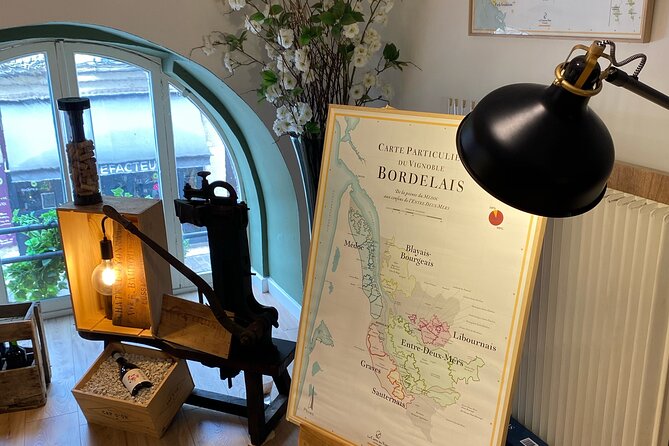
The group is capped at 12 people. That is a sensible size for a workshop involving glassware, measuring tools, and individual blends. You can hear the guide, watch the demonstrations, and ask questions without needing to fight for attention.
The group format also adds a social side. You can compare your blend with the people beside you, and the differences often say as much about personal taste as they do about wine. One person may prefer a firm, tannic blend, while another reaches for rounder fruit.
This is a good choice for couples, friends, and families with an interest in wine. One family used the activity as a shared project and planned a blind tasting later to compare their bottles. That is exactly the kind of follow-up the workshop invites.
It is less suitable if you want a quiet private tasting or a grand château visit. The setting is a city cellar and wine shop, not a vineyard tour. You will not be walking through rows of vines or seeing barrels in a rural estate.
How it compares with a standard Bordeaux tasting
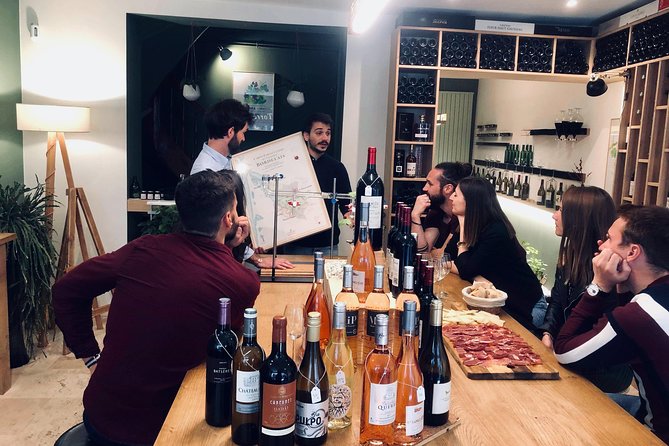
Many Bordeaux tastings ask you to sip, listen, and move on. This session gives you more time to understand what is in the glass. It explains the region, teaches tasting basics, tests your skills with a blind tasting, and then asks you to create something.
That makes it a smart choice near the start of a Bordeaux visit if you want a foundation for later tastings. You will have a clearer sense of what Merlot, Cabernet Sauvignon, and Cabernet Franc contribute. You may also feel more comfortable discussing tannin, aroma, and balance at a wine bar.
It can work just as well near the end of a French trip. The tasting acts as a review of ideas you may have picked up elsewhere, while the personal bottle gives you a memorable last wine activity. Several hours pass quickly because the lesson changes pace rather than repeating the same format.
The limitation is range. This is a red Bordeaux workshop. If you mainly drink white wine, or if you want a broad tour of every Bordeaux style, it may not fit your interests. The session does not promise a full survey of sweet wines, sparkling wines, or white Bordeaux.
Timing, location, and practical planning
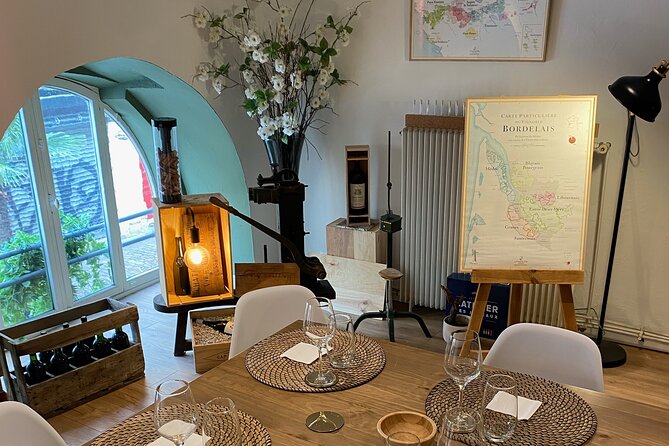
The meeting point is Le Pied à Terre, 22 Rue Judaïque, 33000 Bordeaux. The activity begins and ends there, and the location is near public transportation. With a listed duration of about two hours and 30 minutes, it fits well into an afternoon or evening plan.
Allow a little flexibility. Several accounts describe sessions lasting close to three hours, while two people found their activity shorter than the advertised time. The normal workshop appears to have enough material to fill the stated duration, but the exact pace can vary with group size and the guide.
Confirmation is provided at booking, and the ticket is mobile. Service animals are allowed. The experience requires a minimum number of participants, and poor weather can also lead to a change of date or a full refund. You can cancel for a full refund up to 24 hours before the start time, but late cancellations and late changes are not accepted.
Because the activity is often reserved well ahead of time, around 45 days in advance on average, book early if your Bordeaux dates are fixed. A small maximum group and limited workshop slots can make last-minute planning harder.
Is $71.20 a fair price?
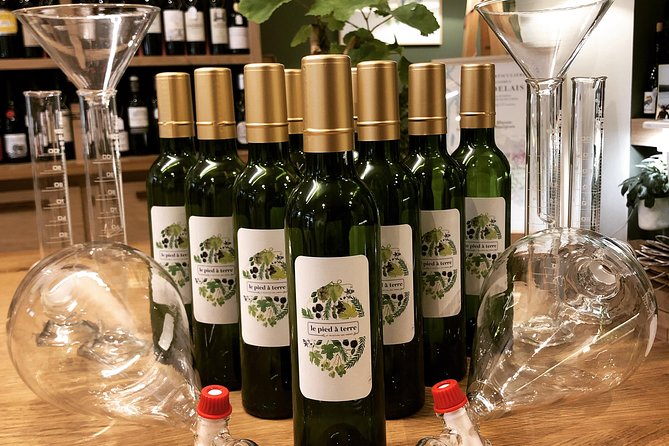
For a normal full session, I think the price is reasonable. You are paying for more than three sample glasses. The fee includes a guided lesson, structured tasting, blind tasting, food, blending materials, and a bottle you create and label.
The strongest value comes from the practical section. A standard tasting may help you recognize a few wines, but it does not require you to decide how those wines should work together. Here, you learn by making a choice and tasting the result.
The value drops if you are mainly looking for a large amount of wine. This is an educational activity, not a long restaurant-style pour. The portions are designed for comparison and blending, and the food is a starter rather than a full dinner.
I would also factor in your interest level. A wine beginner may find the session worth every cent because the explanations give structure to future tastings. Someone who already spends a lot of time blending Bordeaux wines may find the exercise basic, though the social setting and personal bottle can still appeal.
Who should book this Bordeaux wine experience?
Book it if you want to understand Bordeaux by tasting its parts. It is especially useful for people who usually buy single-varietal wines and want to see why Bordeaux blends several grapes.
It also suits you if you enjoy activities that produce a souvenir. The named bottle is more personal than a shop purchase because you made the blend yourself. Couples and friends can compare results, and families with older children may enjoy the creative side, provided everyone is comfortable with an adult wine tasting.
You may want to skip it if you dislike red wine, want a vineyard-and-château day trip, or expect to ferment and age your own wine. The session takes place in Bordeaux city and focuses on tasting, blending, and explanation.
Should you book it?
I would book this workshop if the confirmed plan includes both the tasting and the personal bottling. The teaching is practical, the guides are engaging, and the blending exercise gives you a reason to pay attention to every glass.
Before the session begins, confirm that your group will make and label a cuvée. That one check protects you from the main reported problem. If you want a hands-on Bordeaux activity that fits into half a day and leaves you with a bottle tied to your own taste, this is a strong pick. If you want a full winery visit, a rural setting, or white wine, choose something else.
FAQ
Where does the wine blending workshop take place?
It takes place at Le Pied à Terre, Cave à vin and atelier dégustation, at 22 Rue Judaïque, 33000 Bordeaux, France.
How long does the activity last?
The listed duration is approximately two hours and 30 minutes. Some sessions may run closer to three hours, while the exact timing can vary.
What wines do I use to make my blend?
The workshop uses selected single-varietal wines made from Bordeaux varieties, including Merlot, Cabernet Sauvignon, and Cabernet Franc.
Do I take home a bottle?
The activity includes the possibility of creating and taking home a bottle labeled with your name. Confirm at the start that the blending and bottling portion is scheduled for your session.
Is this a full winemaking course?
No. You blend finished wines using tubes and pipettes. You do not ferment grapes or age wine as part of the activity.
Is the workshop offered in English?
Yes. It is offered in English, and the listed guides include James, with Pierre and Geoffroy also associated with sessions.
Is food included?
Yes. A starter of Basque cheese and charcuterie is included. It is not described as a full meal.
How many people can join?
The maximum group size is 12 people.
Can I cancel for a refund?
You can cancel at least 24 hours before the start time for a full refund. Cancellations or changes made less than 24 hours before the activity are not accepted, and weather or minimum-participant cancellations may result in a new date or full refund.
Newest wine reviews around Bordeaux
- Saint Emilion Full Day Wine and Bike Tour★ 5.0 · 167 reviews
- Private Bordeaux History Tour with a glass of Bordeaux wine.★ 5.0 · 28 reviews
- Private – Best of Bordeaux Walking Tour + Glass of Bordeaux Wine★ 5.0 · 240 reviews
- Luxurious full day Bordeaux wine tour in a Tesla★ 4.5 · 31 reviews
- Medoc Afternoon Wine Tour – 2 Wineries, tastings & delicacies★ 4.5 · 74 reviews
- Bordeaux wines tasting workshop including Food & Wine pairings★ 5.0 · 31 reviews
- Wine Masterclass & Cheese Tasting Workshop in Bordeaux★ 5.0 · 29 reviews
- Discovery of the Bordeaux vineyard in 3 wines★ 5.0 · 133 reviews
Bordeaux Wine Tours, compared.
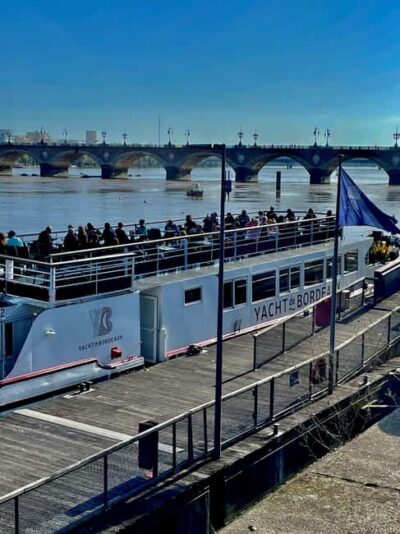
River Garonne Cruise with Glass of Wine and Canelé
Read our review →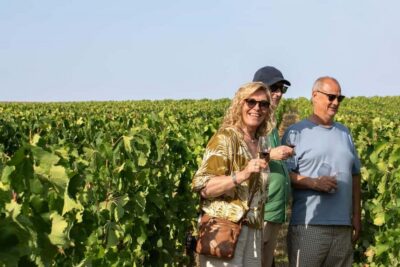
Afternoon Saint-Emilion Wine Tasting & snack
Read our review →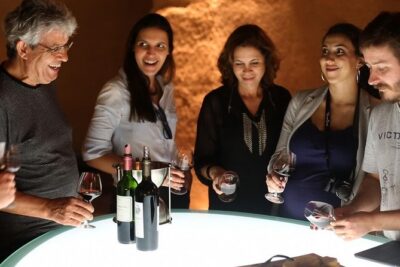
Medoc or Saint Emilion Wine Tasting and Chateau from Bordeaux
Read our review →
Saint Emilion Day Trip with Sightseeing Tour & Wine Tastings from Bordeaux
Read our review →
Saint-Emilion Electric Bike Day Tour with Wine Tastings & Lunch
Read our review →Lists this tasting appears in