Reviewed · FRANCE WINE TOURS
Provence Wine Tour – Small Group Tour from Cannes
Côtes de Provence is best understood with a glass in your hand and a vineyard outside the window. This eight-hour trip from Cannes visits three award-winning estates, from a family-owned Cru Classé château to an organic estate with striking gardens, while about 15 wines show you that Provence is more than rosé.
I like the small group of eight or fewer, which leaves room for questions and a more personal feel at the cellars. I also like the balance of wine and place: you get a medieval village lunch, vine walks, scenic stops, and practical tasting advice. The drawback is the long day and the extra €25 to €30 for lunch, with the exact order of stops subject to winery work, weather, and traffic.
Key points to know before booking
- Three very different estates: Compare family traditions, cellar styles, vineyard work, and organic production in one day.
- About 15 wines: Tastings include Provence rosés plus red and white wines, so you get a wider picture of the region.
- A maximum of eight people: The group size suits anyone who wants time to ask questions without the feel of a coach tour.
- A real tasting lesson: Learn how to taste, serve, store, and pair wine with food rather than simply drinking through a lineup.
- Lunch in a medieval village: Budget €25 to €30, including wine, for a relaxed midday stop.
- Cannes pickup at 9:30 AM: Meet at Place Pierre Semard, beside the train station, in front of Starbucks at the rooftop bus-station drop-off area.
Why this Provence wine day works from Cannes
Cannes is a fine base for the Riviera, but its polished waterfront tells you little about how Provence wine is made. This trip takes you inland toward the Var region, where vineyards, old estates, village squares, and wine culture come together.
The drive is part of the appeal. You travel in an air-conditioned vehicle, with scenic views along the way and no need to worry about tasting and driving. With no more than eight people, the day should feel closer to a hosted outing than a large commercial bus trip.
The focus is Côtes de Provence, a region famous for rosé but not limited to it. You will taste pale, dry rosés alongside aromatic whites and fuller reds. That variety matters because many visitors arrive expecting only the light pink wines poured around the Riviera. The tastings show how much style can change from one estate to the next.
The day is led in English. Named guides have included Edwin, Johana, Cedric, Caroline, Gigi, Theo, and Peter. The guide can make a major difference here, since the value comes not just from the wine but from explaining what you are tasting and connecting it to local customs.
More Wine Tours in France:
- Authentic Parisian Gourmet Food Tour with 10 Local Dishes & Wines
★ 5.0 · 4,754 reviews - Loire Valley Castles Day Trip from Paris with Complementary Wine
★ 4.5 · 3,907 reviews - Bordeaux: Cité du Vin Entry Ticket and Wine Tasting
★ 4.6 · 3,885 reviews
The 9:30 AM meeting point beside Cannes station
Pickup is at Place Pierre Semard, the bus station beside Cannes train station. The meeting point is in front of Starbucks, at the rooftop level near the drop-off area. You reach it by elevator or stairs from the station.
This detail is worth taking seriously. The location is not simply a street corner outside the station, so allow a few minutes to find the upper bus area. The guide waits at the drop-off point, and departure is scheduled for 9:30 AM.
From there, you settle into air-conditioned transport for the trip toward the Var. The advertised day runs about eight hours, with a return to Cannes between 5:30 and 6:00 PM. Traffic and winery schedules can shift the timing, so I would avoid booking a tight evening reservation immediately afterward.
First stop: a two-thousand-year-old Cru Classé estate
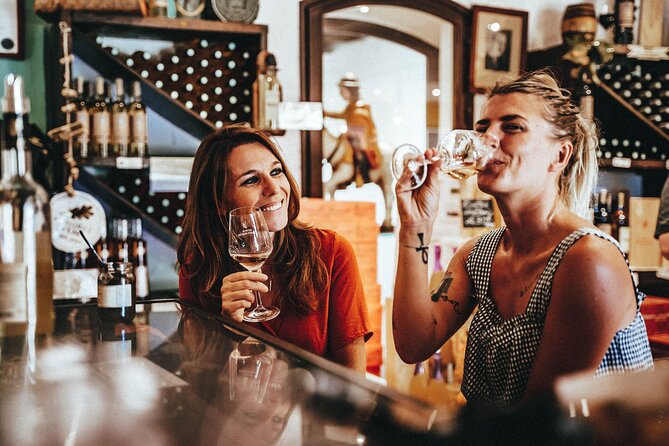
The morning begins at a beautiful château with a history stretching back more than two thousand years. It is family owned and holds Cru Classé status, a useful marker for visitors who want to see one of the region’s better-known quality classifications.
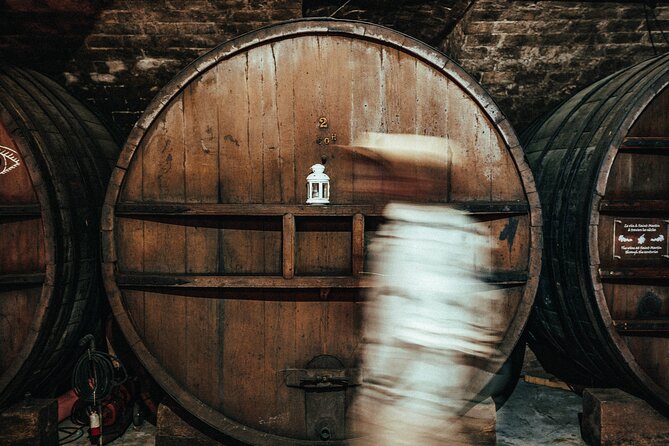
Here, the emphasis is on the estate itself and how wine is made. You take a private guided tour through the cellars, then learn how the property’s setting, grapes, production methods, and family connection shape its wines.
This is also where the mini-masterclass takes place. Your guide explains the basic steps of tasting, including how to look at the wine, smell it, taste it, and think about its finish. You also learn practical points about storing and serving bottles, along with the basics of matching wine and food.
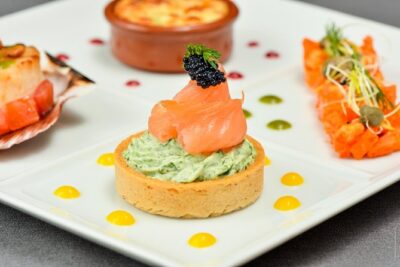
Local specialties accompany part of the tasting. That small food element helps turn abstract tasting advice into something useful. You can notice how a wine changes with food instead of treating each sample as an isolated drink.
The first estate usually provides the strongest introduction to the day. If you are new to wine, it gives you a vocabulary and a method. If you already know wine, the setting and behind-the-scenes cellar access add more than a standard bar tasting.
About 15 wines across rosé, red, and white
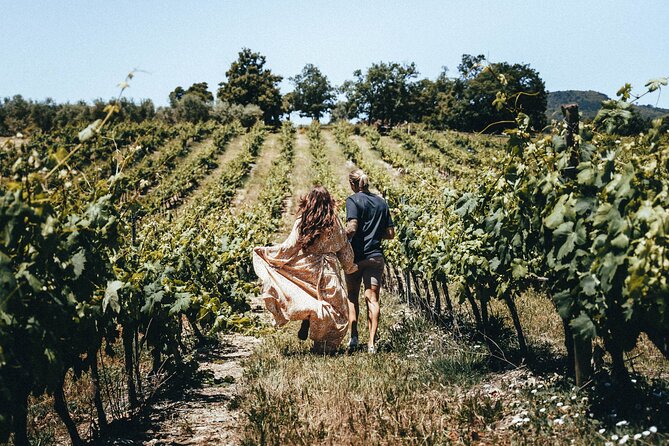
The total tasting is around 15 wines, spread across the three estates. That is enough to compare styles, though it is also a serious amount of alcohol over a full day.
The selection centers on Provence rosé, as it should. This is the region’s signature style, and the trip gives you a chance to compare color, aroma, body, and finish rather than assuming all rosé tastes alike.
You also try powerful reds and stylish, aromatic whites. These less expected wines are important because they keep the experience from becoming repetitive. The whites can show a more fragrant side of the region, while the reds offer greater weight and structure.
Your guide’s instruction becomes more useful as the day goes on. At the first tasting, you are learning the process. At later estates, you can apply it yourself and notice differences between vineyards and winemaking choices.
If you are sensitive to alcohol, pace yourself. Small pours, water, and the included food at the first estate will help. The air-conditioned transport also means you are not driving between tastings, which is a major practical benefit.
Same region, a different bottle:
- Bordeaux: River Garonne Cruise with Glass of Wine and Canelé
★ 4.5 · 3,630 reviews - Montmartre Hill French Gourmet Food and Wine Tasting Walking Tour
★ 5.0 · 2,588 reviews - Paris: Montmartre Cheese, Wine & Pastry Guided Walking Tour
★ 4.8 · 2,255 reviews - From Paris: Loire Valley Castles Day Trip With Wine Tasting
★ 4.6 · 1,727 reviews
Lunch in a medieval Provençal village
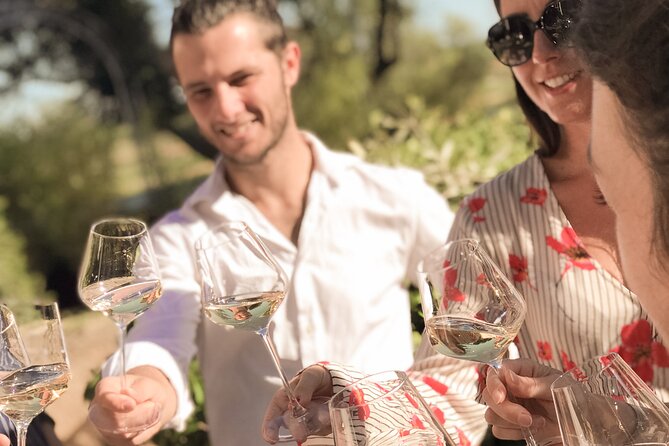
Around midday, the group travels to a nearby medieval village for lunch. You eat on the village square and have free time to absorb the setting before the afternoon visits.
Lunch is not included. Budget about €25 to €30 per person, including wine. That price is a useful planning figure, but your final bill depends on the restaurant and what you order.
I like this pause in the schedule. A full day of tasting can become a blur if every stop is another cellar. The village meal breaks up the rhythm and gives you time to eat a proper lunch, talk with the guide, and enjoy Provence outside the vineyards.
The drawback is that the lunch venue is not specified in advance. If you need a certain type of meal or have strict dietary needs, ask the operator before booking. The available information supports the village stop and budget, but not a particular restaurant or menu.
Second estate: family wine and a walk among the vines
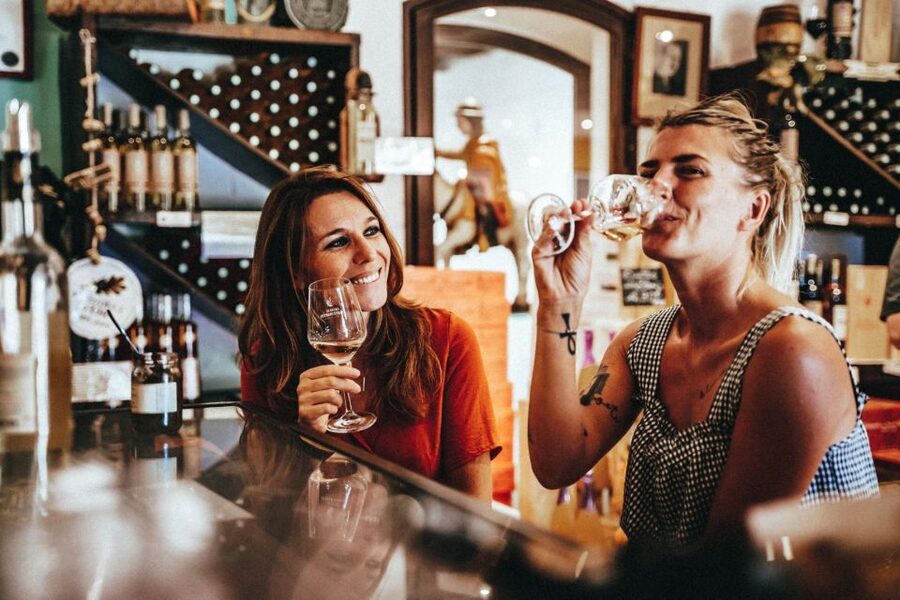
After lunch, you visit an estate owned by the same family for four generations. Its reputation comes from a broad range of wines and support for local artists, which gives the stop a different character from the first château.
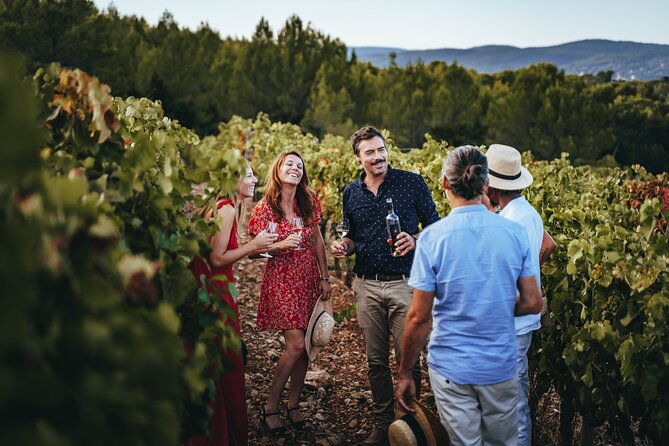
The visit includes a cellar tour and a walk through the vines. The vineyard stroll is useful because it moves the focus from finished bottles to the growing cycle. You learn about the life of the vine and get a clearer sense of the work behind each vintage.
The tasting takes place on a terrace, with red, white, and rosé wines. This is where your new tasting skills become practical. You can compare the three colors in a relaxed outdoor setting rather than trying to remember everything from the morning.
The family ownership over four generations also gives the guide a good entry point for explaining continuity and change. Wine estates are not frozen in the past. Families preserve traditions while adjusting production and presentation over time.
This stop may appeal especially to anyone who wants a less formal experience. The cellar and vineyard walk keep it grounded, while the terrace tasting gives you room to enjoy the scenery and conversation.
Final stop: organic wines, gardens, and a memorable cellar
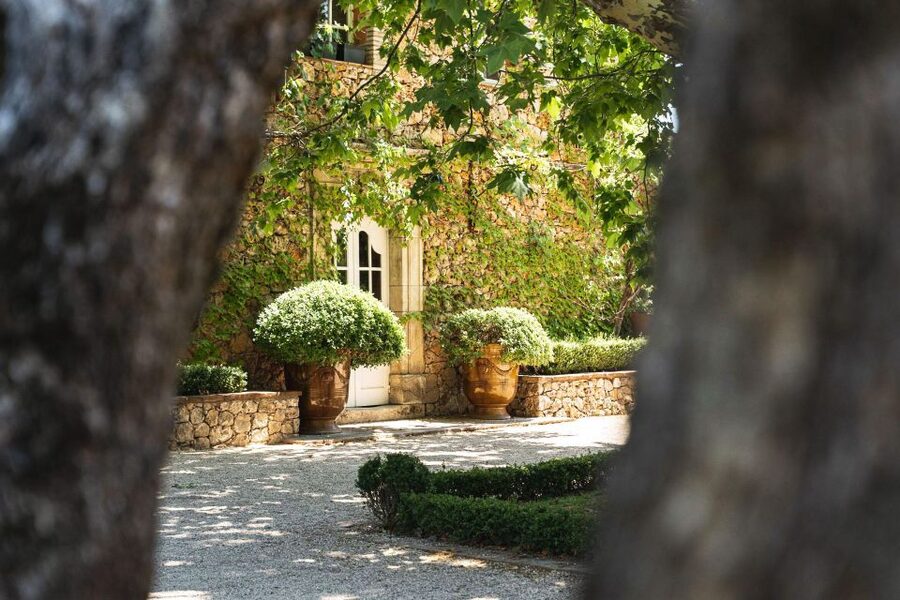
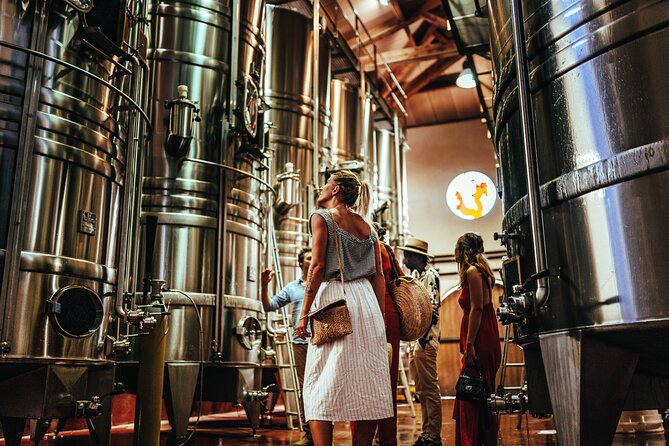
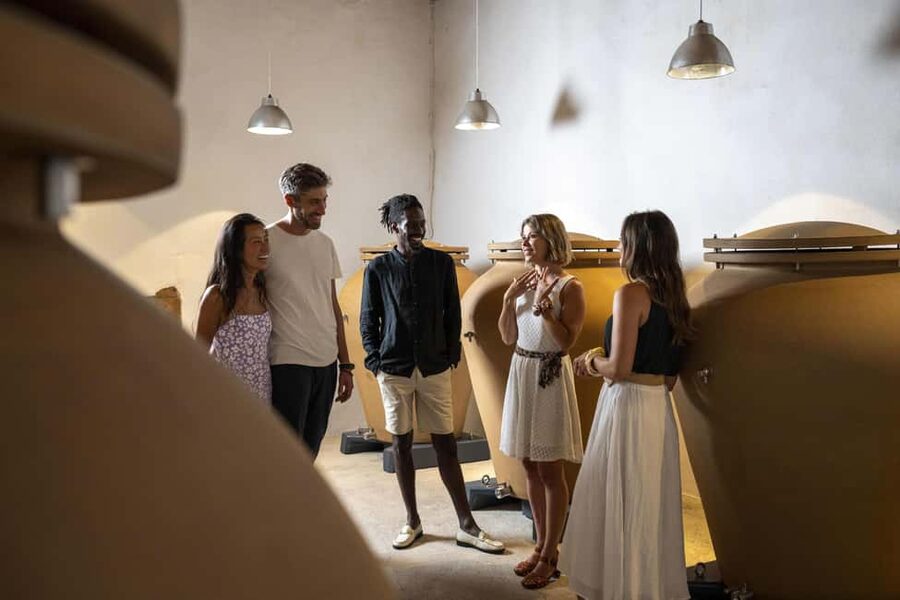
The last estate is designed to finish the day with a strong visual impression. It has beautiful gardens, striking scenery, one of the region’s most impressive cellars, and award-winning wines certified organic.
That combination makes the final visit more than another tasting room. You get attractive photo opportunities, a look at organic production, and a setting that feels distinct from the earlier family estates.
The organic certification is worth noting, but it does not automatically tell you whether you will like the wines. The useful point is that you can compare certified organic bottles with the wines tasted earlier and ask the guide what production choices mean in the glass.
This estate should suit you if architecture, gardens, and presentation matter as much as the tasting itself. It also gives photographers plenty to work with, from the vineyard views to the gardens and cellar spaces.
The final stop can be the most atmospheric, but keep your expectations practical. The itinerary may change because of winery work, climate, or traffic. The operator promises three vineyards, but the order and precise timing are not fixed.
What the small group changes
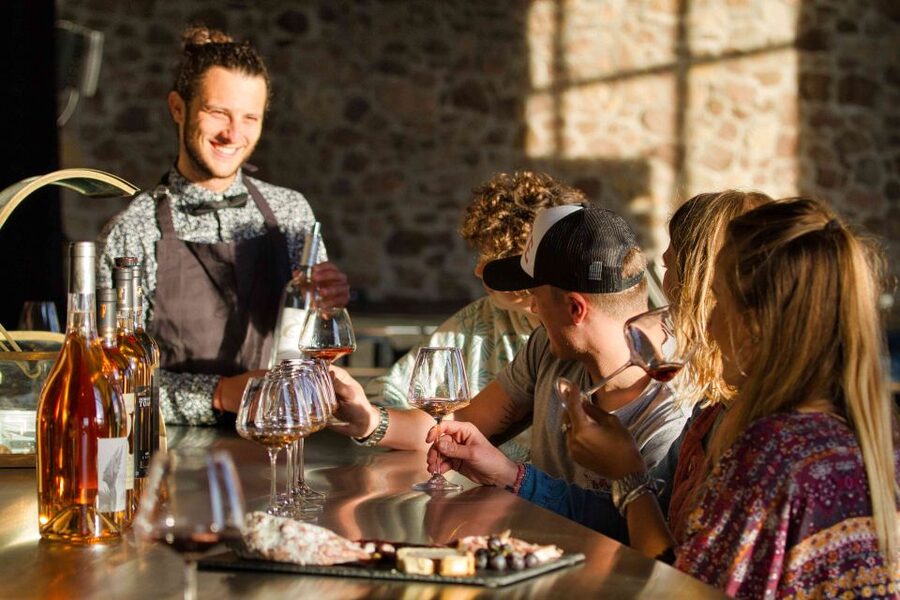
A maximum of eight people is one of the strongest reasons to choose this tour. You have a better chance to hear the guide clearly, ask about a bottle, and get help with tasting technique.
Small groups also make the village lunch and vineyard walks easier to manage. You are not waiting for a large crowd to leave a cellar or regroup beside the vehicle.
The tradeoff is that small-group departures can feel more personal but less anonymous. If you prefer to keep to yourself, the conversational format may require a little more participation. For most people interested in wine, that is part of the value.
Guide quality matters too. Edwin has been praised for making the day both informative and fun. Johana brings local familiarity, having been born and raised nearby. Cedric has handled questions about wine and the wider region, while Peter has combined wine production advice with lunch suggestions. Caroline, Gigi, and Theo have also led the day.
You are not guaranteed a particular guide, so book this for the structure and small group rather than one named person. Still, the range of guide feedback suggests that the human side of the outing is central to its success.
Is $211 a fair price?
At $211 per person, this is not a bargain outing in the basic transport sense. It is a full-day, small-group experience with air-conditioned transportation, an English-speaking guide, entrance fees, three winery visits, and around 15 tastings.
The value improves if you would otherwise need to hire a car, arrange designated driving, book separate winery appointments, and work out the route yourself. You also get access to estate visits that may be difficult to organize independently, including cellar tours and a Cru Classé property.
Add €25 to €30 for lunch. The total is therefore closer to $211 plus the local lunch budget, rather than an all-inclusive day.
I think the price is reasonable for a wine-focused visitor who wants a complete day from Cannes and does not want to drive. It is less attractive if you only want one quick tasting or already have access to a car and prefer choosing your own estates.
The flexible booking terms help if your plans are still moving. You can reserve and pay later, and cancellation is free up to 24 hours before departure. The tour runs rain or shine, so pack for changing conditions rather than assuming a perfect sunny day.
Who should book this experience?
This tour suits you if you want to understand Provence wine rather than simply sample it. The tasting lesson, cellar visits, vineyard walk, and food pairing advice give the day some substance.
It is also a good fit if you are staying in Cannes and want one well-organized day away from the coast. You get rural scenery, village life, and wine estates without arranging transport.
Couples, friends, and solo visitors who enjoy conversation should fit comfortably in the small group. The English-language format also makes the explanations easy to follow.
You might skip it if your main interest is a long independent lunch, a single famous château, or a relaxed afternoon with no schedule. Three estates and about 15 wines require energy, and the day is structured around the winery timetable.
Final verdict: a strong wine day from the Riviera
I would book this if you want a practical introduction to Côtes de Provence with enough variety to keep the day interesting. The best parts are the small group, the three contrasting estates, and the guide’s tasting instruction.
The main cautions are simple: lunch costs extra, the day is long, and the itinerary can shift. Bring a camera, eat sensibly, and leave room in your evening schedule.
For a first look at Provence wine from Cannes, this offers much more than a rosé tasting. You get cellars, vines, a village square, organic production, local food, and a safe ride through the Var. That is a fair return for the price if wine and place are both important to you.
FAQ
Where does the Provence wine tour depart from?
The meeting point is Place Pierre Semard at the bus station beside Cannes train station. Meet in front of Starbucks at the rooftop drop-off area.
What time does the tour leave Cannes?
Departure is scheduled for 9:30 AM.
When does the tour return to Cannes?
The vehicle returns to the departure point between 5:30 and 6:00 PM.
How many people can join the tour?
The small group has a maximum of eight people.
How many vineyards will I visit?
You will visit three award-winning vineyards in the Côtes de Provence region.
How many wines will I taste?
You will taste around 15 wines, including rosé, red, and white wines.
Is lunch included in the price?
No. Lunch is not included. Budget approximately €25 to €30 per person, including wine.
Is the tour offered in English?
Yes. The tour has a live English-speaking guide.
What happens if the weather is bad?
The tour takes place rain or shine. The itinerary may change because of the climate, winery work, or traffic conditions.
Newest wine reviews around France
- Saint Emilion Full Day Wine and Bike Tour★ 5.0 · 167 reviews
- Private Bordeaux History Tour with a glass of Bordeaux wine.★ 5.0 · 28 reviews
- Private – Best of Bordeaux Walking Tour + Glass of Bordeaux Wine★ 5.0 · 240 reviews
- Medoc Afternoon Wine Tour – 2 Wineries, tastings & delicacies★ 4.5 · 74 reviews
- Luxurious full day Bordeaux wine tour in a Tesla★ 4.5 · 31 reviews
- Bordeaux wines tasting workshop including Food & Wine pairings★ 5.0 · 31 reviews
- Wine Masterclass & Cheese Tasting Workshop in Bordeaux★ 5.0 · 29 reviews
- Discovery of the Bordeaux vineyard in 3 wines★ 5.0 · 133 reviews
France Wine Tours, compared.
Authentic Parisian Gourmet Food Tour with 10 Local Dishes & Wines
Read our review →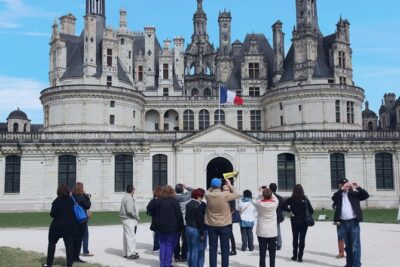
Loire Valley Castles Day Trip from Paris with Complementary Wine
Read our review →
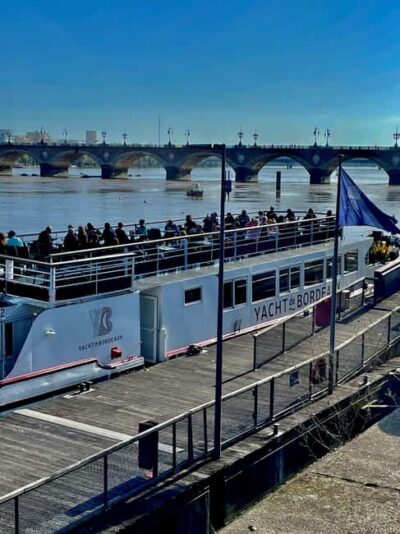
River Garonne Cruise with Glass of Wine and Canelé
Read our review →
Montmartre Hill French Gourmet Food and Wine Tasting Walking Tour
Read our review →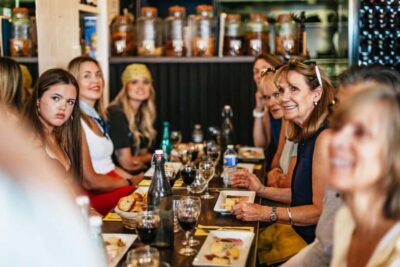
Montmartre Cheese, Wine & Pastry Guided Walking Tour
Read our review →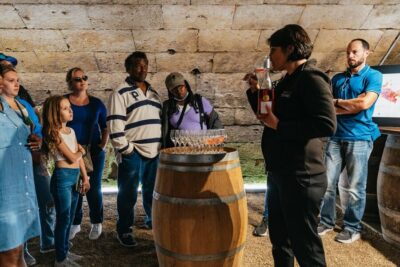
Loire Valley Castles Day Trip With Wine Tasting
Read our review →