
Reviewed · LYON WINE TOURS
Taste Wine in Lyon: Burgundy, Beaujolais, Rhône, and more
Lyon is one of France’s best places to learn about wine because several major wine areas sit close to the city. This tasting brings Burgundy, Beaujolais, and the Northern Rhône to one table, starting with Crémant de Bourgogne and moving through five carefully chosen wines.
I like the small group size and the setting: a restored 1800s silk loft in Croix-Rousse, with modern comfort and air-conditioning. I also like the practical teaching, including label advice, tasting tips, and sometimes a blind tasting. The main drawback is that you do not visit vineyards, and finding the apartment can take patience.
Key points
- Five regional wines: Taste Crémant de Bourgogne, Beaujolais, Burgundy, Northern Rhône, and a changing wildcard.
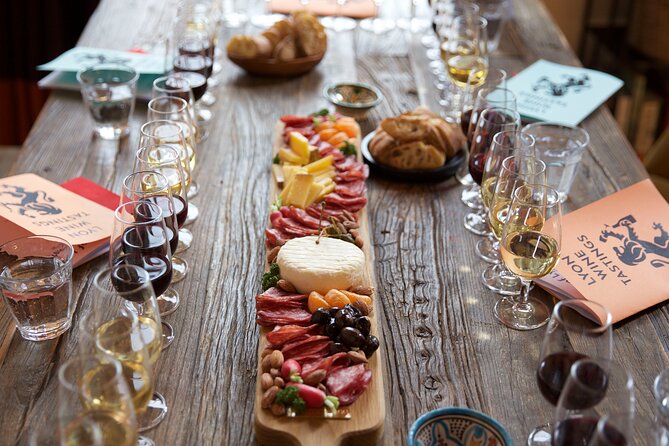
- Local food included: Cheese, charcuterie, and artisan bread make the midday session substantial.
- Small English-speaking group: The maximum is 10 people, allowing plenty of questions.
- Historic Croix-Rousse setting: The tasting takes place in a restored silk-weaving loft.
- Experienced wine educators: Guides including Julia, Madeleine, Margaret Rose, Ghjulia, and Nicholas explain French wine in clear, friendly terms.
Why Lyon is a smart place to learn French wine
Lyon sits at a useful crossroads for wine. Beaujolais lies just north of the city, Burgundy is nearby to the north, and the Northern Rhône runs south along the river valley. That makes Lyon a better classroom for regional comparison than a tasting focused on only one estate or appellation.
You are not simply handed five unrelated glasses. The format is designed to show how grapes, soil, climate, and local winemaking traditions affect what you taste. The exact selection can change, but the stated lineup begins with a sparkling Crémant de Bourgogne, then moves through Beaujolais, Burgundy, and the Northern Rhône before adding a wildcard.
That last bottle is useful. French wine can feel like a puzzle built around place names rather than grape names. A surprise wine gives the sommelier room to compare a less expected area or style, and it keeps the lesson from becoming too predictable.
More Wine Tours in France:
- Authentic Parisian Gourmet Food Tour with 10 Local Dishes & Wines
★ 5.0 · 4,754 reviews - Loire Valley Castles Day Trip from Paris with Complementary Wine
★ 4.5 · 3,907 reviews - Bordeaux: Cité du Vin Entry Ticket and Wine Tasting
★ 4.6 · 3,885 reviews
Inside the Croix-Rousse silk loft
The meeting point is 12 Grande Rue de la Croix-Rousse, in Lyon’s 4th arrondissement. The tasting takes place upstairs in a former silk-weaving loft, a fitting setting in a neighborhood long tied to Lyon’s silk industry.
This is not a polished wine bar or a formal classroom. The room has a comfortable apartment feel, with seating around a coffee table for the opening glass and a longer table for the main tasting and food. The historic character gives the session a sense of place without taking attention away from the wine.
Finding the entrance is the one part that calls for care. Look for a large, ornate, dark wooden door marked with the number 12, though the number may be faded and look like 19. Then climb the dark staircase to the second floor and look for the door marked C. Connor.
The directions are sent after booking, so read them before setting out. I would allow extra time, especially if you are unfamiliar with Croix-Rousse. The walk to the address can be steep, another reason not to arrive at the last minute.
The first glass: Crémant de Bourgogne
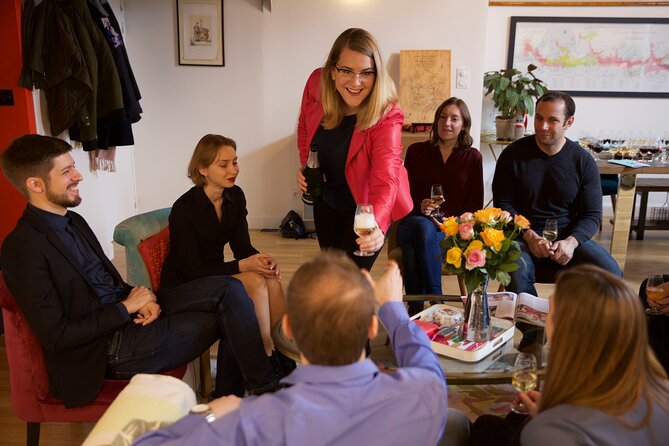
The tasting begins with Crémant de Bourgogne, a sparkling wine from Burgundy. Starting with bubbles is a friendly way into the subject. It gives the group a shared first glass and lets the sommelier explain how sparkling wine is made and how it differs from Champagne without making the opening too technical.
The Crémant has also become a highlight for many people attending the session. It is the sort of introduction that can change what you order for an aperitif or celebratory meal. One person enjoyed it enough to buy six bottles afterward, though the tasting itself does not include a bottle purchase.
The instructor may ask you to look at the color, smell the wine, and taste it in stages. That slow method is helpful if you are new to wine. Instead of worrying about finding the perfect vocabulary, you learn a simple process you can use in a restaurant or wine shop.
Comparing whites, reds, and regional character
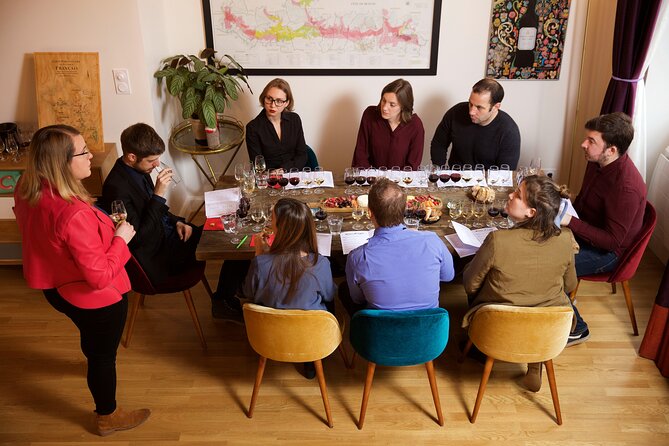
After the sparkling wine, the tasting moves into still wines. The selection typically gives you a mix of whites and reds, with examples from the areas around Lyon and a wider French comparison.
The point is not to declare one region the winner. It is to notice differences. Burgundy can open a conversation about Chardonnay and Pinot Noir, Beaujolais about Gamay, and the Northern Rhône about the grapes and styles associated with the Rhône Valley. The sommelier connects those wines to their appellations and local traditions.
You will also learn how French labels work. This matters because French bottles often highlight the place rather than the grape. Once you understand that pattern, a label becomes more useful instead of more mysterious.
The session can include a blind tasting. That is one of the most practical parts because it removes the influence of the label and price. You taste first, make a guess, and then compare your impression with the answer. Even if your guess is wrong, you learn what clues to notice next time.
Same region, a different bottle:
- Bordeaux: River Garonne Cruise with Glass of Wine and Canelé
★ 4.5 · 3,630 reviews - Montmartre Hill French Gourmet Food and Wine Tasting Walking Tour
★ 5.0 · 2,588 reviews - Paris: Montmartre Cheese, Wine & Pastry Guided Walking Tour
★ 4.8 · 2,255 reviews - From Paris: Loire Valley Castles Day Trip With Wine Tasting
★ 4.6 · 1,727 reviews
What the sommelier adds to the experience
The quality of this tasting depends heavily on the person leading it. The listed guides include Julia, Madeleine or Madeline, Margaret Rose, Ghjulia, and Nicholas. The recurring strength of the experience is the way they explain wine without turning the lesson into a lecture.
Julia is described as engaging and especially good at explaining regional wines. Madeleine is praised for answering questions at the right level, from beginner to more experienced wine drinker. Margaret Rose has a talent for turning complex subjects into easy-to-remember tips, especially around food pairing and French wine regions.
Ghjulia brings a conversational approach and can make a newly formed group feel at ease. Nicholas is described as patient and kind, with a clear introduction to French wine regions. The guide you meet will depend on the date, but the format is designed around an English-speaking wine educator rather than a self-guided tasting.
That distinction matters. You can certainly drink French wine on your own, but you may miss why two bottles from nearby areas taste different or how to read the label. A good instructor helps you ask better questions and gives you a framework you can reuse.
Cheese, charcuterie, and a real midday snack
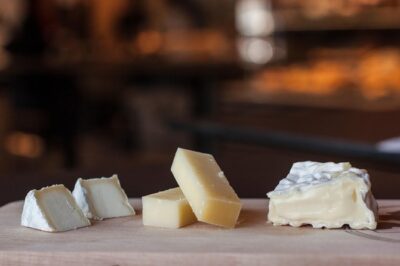
The food is more than a decorative nibble. You receive local cheese, cold cuts, and artisan bread alongside the wines. At the 12 p.m. session, this makes the tasting suitable as a light lunch rather than something you must squeeze between meals.
The pairing also gives the lesson a practical edge. You can see how salt, fat, acidity, and texture affect wine. A cheese that makes one glass taste softer may make another seem sharper. Charcuterie can change the balance again.
The board has been described as generous, with local cheeses and rosette sausage among the offerings. If you have dietary restrictions, contact the provider at least 24 hours ahead. The menu can be adjusted in some cases, but you should not wait until the tasting begins to ask.
The 4 p.m. session works well as an afternoon activity before dinner. Since the tasting lasts about two hours, you still have time to walk through Croix-Rousse or continue into central Lyon afterward.
A relaxed lesson for beginners and serious wine drinkers
You do not need prior wine experience. The explanations cover the basics, but they can also satisfy someone who already knows a little about French wine and wants to compare regions.
Beginners should appreciate the informal tone and the chance to ask basic questions without feeling out of place. The instructor can explain how to taste, how to read an appellation, and how to identify styles you prefer.
More experienced drinkers may enjoy the regional spread and the blind tasting. The selection is not designed as an advanced professional certification course, so it may feel too introductory if you are looking for rare vintages, estate-by-estate analysis, or technical cellar discussion.
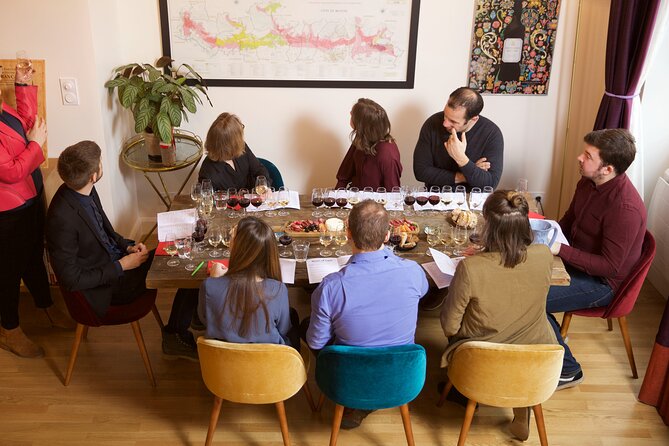
The small maximum of 10 people helps here. A larger tasting can make questions feel rushed. With a group this size, the instructor can respond to personal preferences, including the kinds of wines you usually order or the foods you want to pair at home.
What you do not get: vineyard visits
The main limitation is simple: this is a city tasting. You do not travel out to a Burgundy domaine, Beaujolais cellar, or Rhône vineyard.
For some people, that is a dealbreaker. If your main goal is to walk among vines, meet a grower, and see barrels or fermentation rooms, you need a different type of excursion. This experience cannot show you the physical countryside behind the labels.
For a short stay in Lyon, though, the city format has real advantages. You taste several regions in roughly two hours, avoid a long transfer, and get a focused explanation of what separates them. It is especially useful during holidays or other periods when vineyard visits may be unavailable.
I would think of it as a preparation for future wine travel. After this session, a bottle from Beaujolais or the Northern Rhône has more meaning, and you have a better idea of what to look for when you visit a shop or restaurant.
Is $120.98 a fair price?
At $120.98 per person, this is not a bargain tasting. The price makes more sense when you count what is included: five wines, a cheese and charcuterie board, artisan bread, an English-speaking wine educator, and a small group in a distinctive historic setting.
You are also paying for interpretation. Five glasses alone would cost less, but the value here is learning how to compare them and how to use that information later. The lesson may help you avoid buying a bottle simply because its label looks familiar or its region sounds prestigious.
The value is strongest if you enjoy food, expect to ask questions, or want a compact introduction to French wine. It is weaker if you only want a quick drink or already have advanced knowledge of Burgundy, Beaujolais, and the Rhône.
The experience is booked, on average, about 27 days ahead, so popular dates can fill early. The 12 p.m. and 4 p.m. choices give you some flexibility, but book ahead if this is important to your Lyon plans.
Timing, directions, and cancellation details
The tasting lasts about two hours, though the pace can stretch slightly if the group is talkative. One session has run closer to two and a half hours, so avoid scheduling a train, museum entry, or tightly timed meal immediately afterward.
The activity begins and ends at the same Croix-Rousse meeting point. It is near public transportation, but the final approach includes a steep walk and a less obvious entrance. Follow the supplied directions carefully, and keep the dark wooden door and second-floor C. Connor door in mind.
Mobile tickets are accepted, and the activity is offered in English. Confirmation is provided when you book. Free cancellation is available up to 24 hours before the start time for a full refund. Changes or cancellations inside that window are not accepted, and a minimum number of participants is required for the tasting to run.
Who should book this Lyon wine tasting?
I would recommend it to anyone who wants a useful introduction to French wine without leaving Lyon. It fits couples, small groups of friends, solo visitors who enjoy meeting people over food, and curious beginners who want a comfortable setting.
It is also a good choice if you have only a day or two in Lyon. You get a taste of several nearby wine areas without spending half a day on transport. The restored silk loft adds a local setting, while the food makes the session feel generous rather than purely instructional.
I would hesitate if you want a vineyard visit, a formal meal, or a specialist tasting built around rare bottles. The wines are chosen for teaching and comparison, not for showing off an expensive cellar.
Should you book it?
Book this tasting if you want to understand French wine better and prefer a friendly, small-group lesson to a long day in the countryside. The strongest reasons are the five-region format, the practical guidance from English-speaking sommeliers, and the generous pairing of cheese, charcuterie, and bread.
Before booking, be ready for an upstairs apartment setting, a tricky entrance, and a steep approach through Croix-Rousse. If those details suit you, this is a smart way to add food, local history, and useful wine skills to a Lyon visit.
FAQ
Where does the wine tasting take place?
It takes place at 12 Grande Rue de la Croix-Rousse, 69004 Lyon, France, in a restored 1800s silk loft.
How long does the activity last?
The scheduled duration is about two hours. A lively session may run longer, so allow some extra time afterward.
What time can I book the tasting?
Tastings are offered at 12 p.m. or 4 p.m.
How many people can join?
The maximum group size is 10 people.
Is the tasting offered in English?
Yes. The experience is offered in English and led by an English-speaking wine educator or sommelier.
Which wines are included?
The tasting includes five wines. It begins with Crémant de Bourgogne and continues with wines from Beaujolais, Burgundy, and the Northern Rhône, plus a wildcard selection.
Is food included?
Yes. The tasting includes local cheese, charcuterie, and artisan bread.
Can dietary restrictions be accommodated?
You should contact the provider at least 24 hours in advance if you have dietary restrictions.
Does the activity visit vineyards?
No. The tasting takes place in Lyon and brings wines from nearby regions to one location.
Can I cancel for a full refund?
Yes. You can cancel at least 24 hours before the scheduled start time for a full refund. Cancellations or changes made less than 24 hours ahead are not accepted.
Newest wine reviews around France
- Saint Emilion Full Day Wine and Bike Tour★ 5.0 · 167 reviews
- Private Bordeaux History Tour with a glass of Bordeaux wine.★ 5.0 · 28 reviews
- Private – Best of Bordeaux Walking Tour + Glass of Bordeaux Wine★ 5.0 · 240 reviews
- Medoc Afternoon Wine Tour – 2 Wineries, tastings & delicacies★ 4.5 · 74 reviews
- Luxurious full day Bordeaux wine tour in a Tesla★ 4.5 · 31 reviews
- Bordeaux wines tasting workshop including Food & Wine pairings★ 5.0 · 31 reviews
- Discovery of the Bordeaux vineyard in 3 wines★ 5.0 · 133 reviews
- Wine Masterclass & Cheese Tasting Workshop in Bordeaux★ 5.0 · 29 reviews
Lyon Wine Tours, compared.
Lyon Old Town Food Tour with 6 French Delicacies & Fine Wine
Read our review →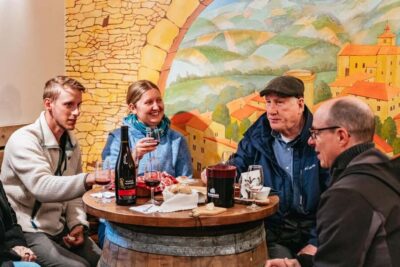
From Lyon: Golden Stones Beaujolais Wine Tasting Tour
Read our review →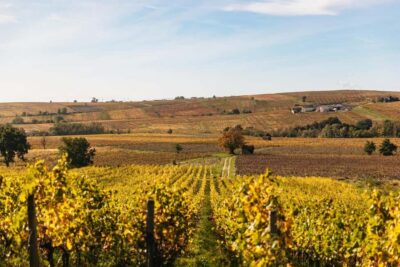
From Lyon: Beaujolais Wine Route Half-Day Tour
Read our review →
Lyon: City Cruise with Charcuterie, Cheese, and Wine
Read our review →
Lists this tasting appears in