Reviewed · HALF-DAY
Alsace Half-Day Wine Tour from Strasbourg
Alsace wine country is an easy half-day escape from Strasbourg, and this tour gets you to the vineyards without the trouble of renting a car. You visit Obernai and two different wineries, where the tasting may range from about five wines to a much larger selection, depending on the producers and the day.
I like the small eight-person group, which gives you room to ask questions and keeps the van from feeling like a bus tour. I also like the mix of stops: one winery may offer a formal introduction, while the second takes place in a more traditional caveau with the winemaker close at hand. The main drawback is that four hours passes quickly, and there is no meal or snack, so eat before you go.
Key points to know before booking
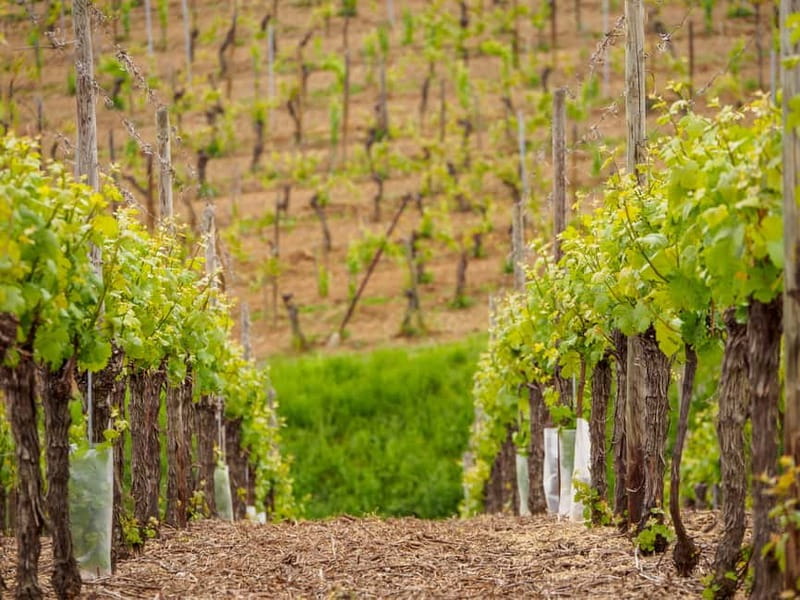
- Two winery visits: You taste Alsace wines at two separate producers with different styles and settings.
- Obernai included: The tour gives you about two hours around this attractive Wine Route town for a walk and tasting.
- Seven Alsace wine types: Your guide explains the region’s main grape and wine categories, including how dry and sweet styles differ.
- Small-group transport: A comfortable minivan carries no more than eight passengers from Strasbourg and back.
- English-language guiding: Guides such as Florence, Pauline, Laurence, Thierry, Robin, and Jérôme provide commentary on wine, villages, culture, and local history.
- Adults only: Every participant must be at least 18, and comfortable shoes are useful for walking around Obernai and the wineries.
Why this half-day Alsace wine tour works
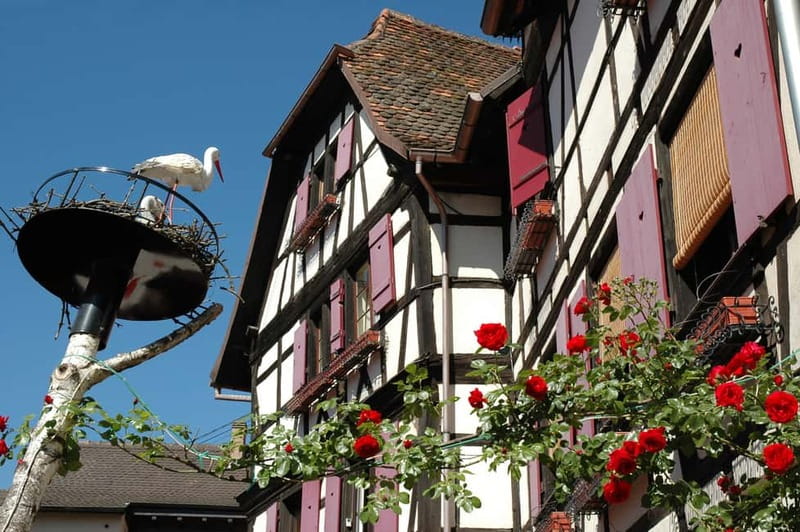
Alsace is one of France’s most distinctive wine regions. Its sunny, dry conditions, varied soils, and position near the eastern edge of France help produce wines with strong aromas and a broad range of styles. This is especially good territory for white wine, but you should not assume every bottle is sweet.
The tour is built for people staying in Strasbourg who want to see the countryside without giving up a full day. The drive to the Obernai area takes about 30 minutes. From there, you get a walk, a tasting, more countryside driving, and a second tasting before returning to Strasbourg.
I like that the experience connects the wine to the place. You are not simply seated in a city shop sampling bottles. The route passes through Alsace villages, vineyards, and family-run cellars. The exact wineries can vary, but past visits have included producers such as Noelle Bachert, Durmann, and Vincent Stoeffler.
The format also suits beginners. You do not need to know grape names or tasting terms before you arrive. Guides explain the wines in plain English and can help you understand the difference between a dry Riesling, a floral Gewürztraminer, a Pinot Gris, and the other Alsace styles.
More Half-Day Trips in France:
- Saint Emilion Half-Day Trip with Wine Tasting & Winery Visit from Bordeaux
★ 4.5 · 1,034 reviews - From Bordeaux: St. Emilion Village Half-Day Wine Tour
★ 4.7 · 728 reviews - From Bordeaux: Half-Day Saint-Émilion Tour and Wine Tasting
★ 4.7 · 699 reviews
From Strasbourg station to Obernai
The meeting point is at 8 Place de la Gare, next to the pharmacy, at Strasbourg’s main station. That is a practical location if you are staying in the city center or arriving by train, though you should allow enough time to find the exact spot.
The minivan ride to the Obernai area takes roughly 30 minutes. This is where a good guide adds value. Laurence, Florence, Pauline, Jérôme, Thierry, Robin, and other guides have been praised for explaining the region during the drive, rather than treating the transfer as dead time.
You may hear about Alsace’s towns, wine traditions, architecture, and changing political ties. The commentary is not limited to tasting notes. Several guides have also answered questions about local culture and the way family wineries operate.
The minivan holds a maximum of eight people. That matters on a wine tour. You can usually hear the guide without straining, and the group is small enough for conversation with the other passengers. It also makes stops at modest family cellars more practical than a large coach would.
The transport is described as comfortable and fully equipped, and it received a high score for quality. You will still spend a fair amount of time seated, so the tour is best for people who want a scenic introduction rather than a long vineyard walk.
Obernai gives the tour a proper Alsace setting
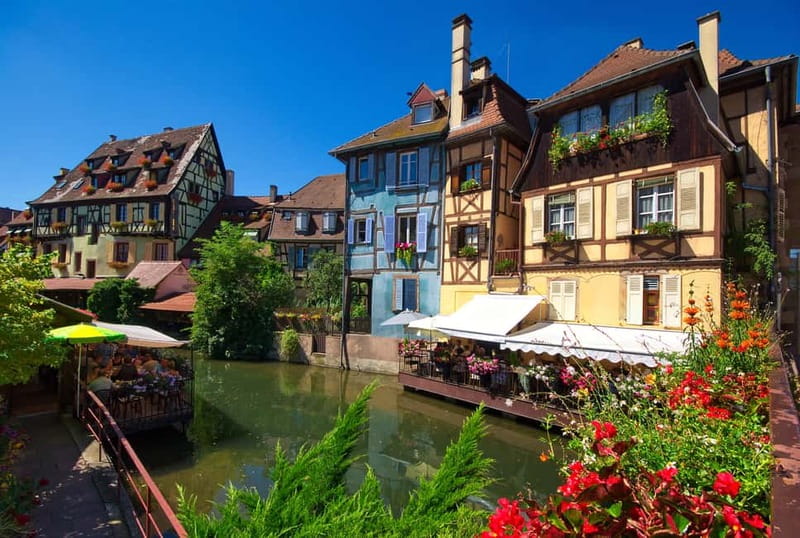
Obernai is the first major stop and the heart of the early part of the outing. The plan allows about two hours for a walk and wine tasting, though the exact order can vary.
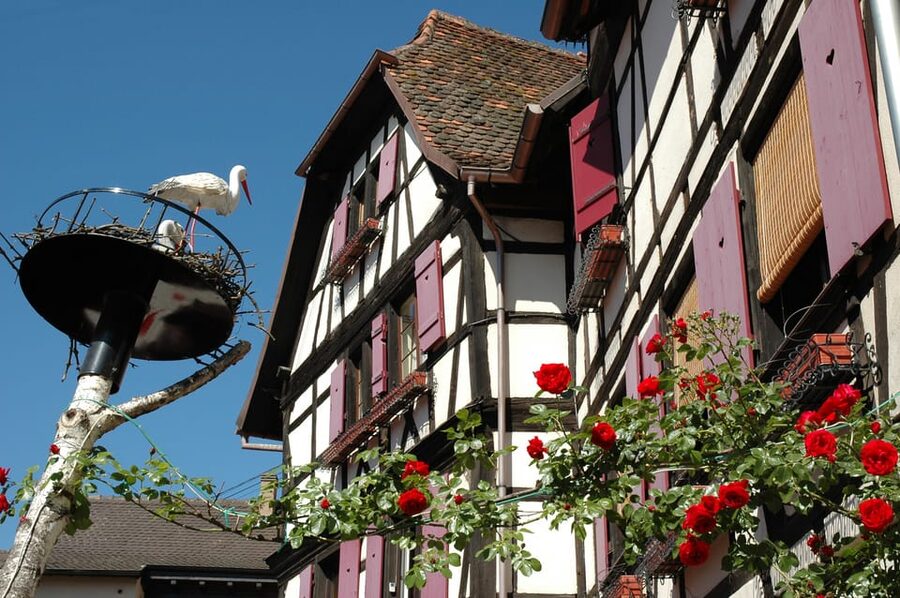
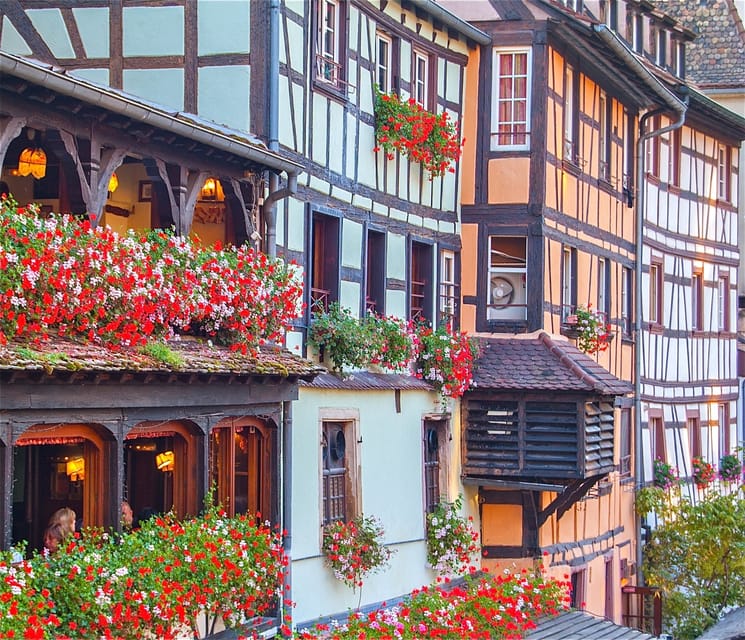
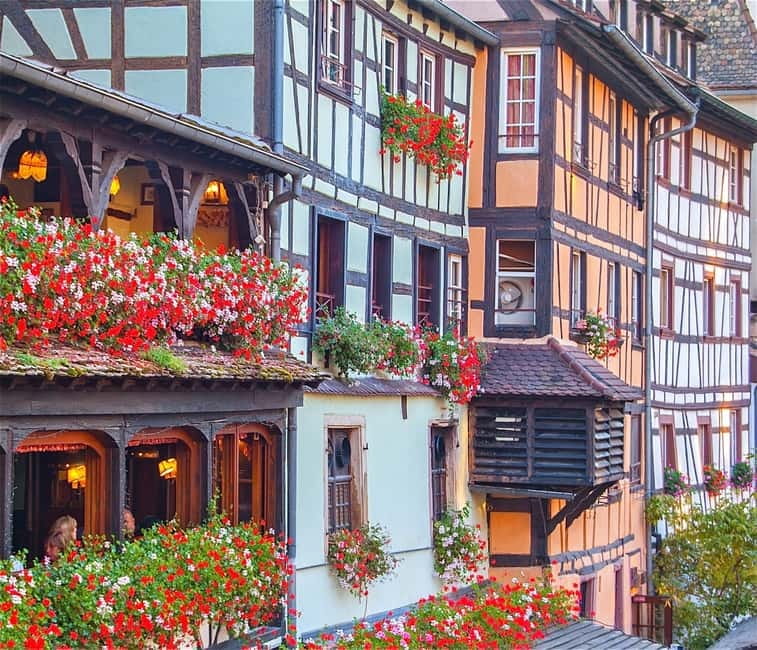
This is useful because the tour is not only about drinking wine. Obernai gives you a feel for the towns that shape the Alsace Wine Route. You can walk through the streets, take photos, and see the kind of setting that makes the region more than a collection of tasting rooms.
The town visit also breaks up the drive. You are not rushed from one cellar to another with no sense of place. A guide may point out local details, answer questions, and help you connect the town to the vineyards outside it.
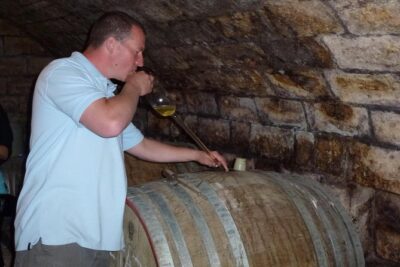
The first tasting takes place at a selected winery near Obernai. Past groups have visited small, family-run producers, and the mood can be personal rather than polished. At some stops, you may hear directly from the people who grow the grapes and make the wine.
That human contact is one of the tour’s strongest features. At the Noelle Bachert and Durmann wineries, for example, the two visits offered different atmospheres. Other groups have visited Vincent Stoeffler, a stop that particularly impressed people interested in how a family winery works.
Do not expect every tasting to follow the same script. One producer may offer a structured explanation of production. Another may concentrate on the family cellar, the local soil, or unusual winemaking choices. This contrast is useful because it shows that Alsace wine is not one single product.
Understanding the seven Alsace wine types
A central part of the tour is learning about the seven different types of Alsace wines. The exact lineup and tasting order can vary, but the point is to give you a working map of the region’s wine identity.
Alsace is particularly associated with aromatic white wines. The scents can be floral, fruity, spicy, or mineral, and the wines range from very dry to noticeably sweet. A good guide helps you separate aroma from sweetness, a distinction that can confuse first-time tasters.
The tour is also a useful correction to the idea that all Alsace whites are sweet. Dry wines are common, and you may taste several styles side by side. One group reported tasting around 18 wines across two stops, while other groups tasted about five or six at each winery. The number depends on the producers, so book this for variety and explanation rather than a guaranteed count.
The guide may discuss how grape choice, soil, exposure, and production methods affect the final bottle. You can ask about the wines you like and get practical help choosing bottles to buy.
Some past participants used the tour to purchase wine for home. In one case, the guide helped combine purchases from two wineries to reduce shipping costs to the United States. Shipping arrangements are not promised as part of the tour, so treat this as a possible benefit, not a standard inclusion.
More Wine Tours in France:
- Authentic Parisian Gourmet Food Tour with 10 Local Dishes & Wines
★ 5.0 · 4,754 reviews - Loire Valley Castles Day Trip from Paris with Complementary Wine
★ 4.5 · 3,907 reviews - Bordeaux: Cité du Vin Entry Ticket and Wine Tasting
★ 4.6 · 3,885 reviews - Bordeaux: River Garonne Cruise with Glass of Wine and Canelé
★ 4.5 · 3,630 reviews
The second winery adds useful contrast
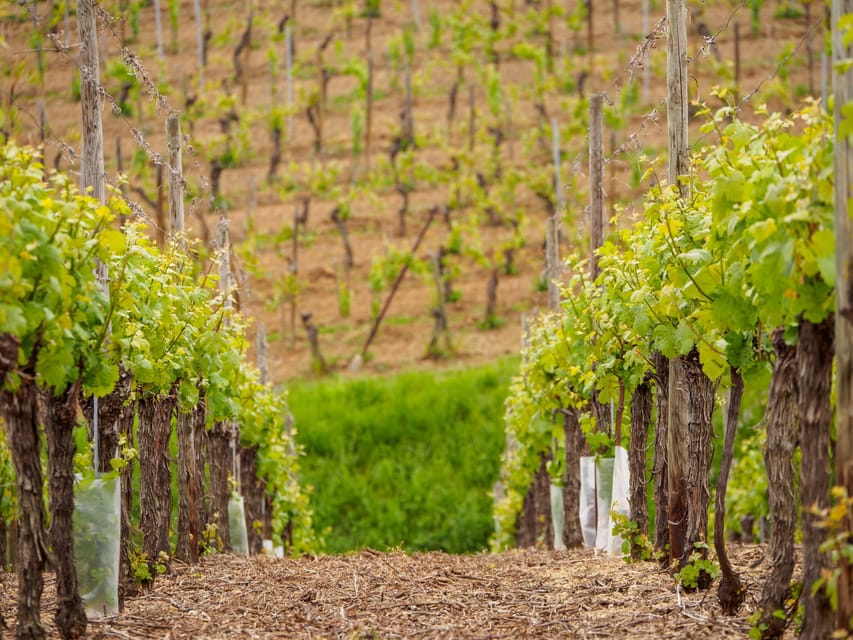
After the Obernai portion, the route continues for about 30 minutes through the Alsace countryside. The second tasting takes around 45 minutes, usually in a traditional Alsace caveau.
This stop matters because it gives you a comparison. Instead of hearing one producer’s view and assuming it represents the whole region, you can taste wines from a different cellar and see how the setting and presentation change.
A caveau is often less formal than a modern tasting room. The experience may feel closer to a working family business, with the producer explaining the wines in a direct and personal way. Several visits have included generous pours and warm welcomes from the people running the wineries.
The contrast between the two stops is one of the best reasons to choose this trip instead of a single tasting in Strasbourg. You might visit one cellar with a more structured presentation and another where the winemaker speaks freely about the family business, the vineyards, or unusual methods.
The second stop is not a full vineyard tour. The time is limited, and the route is designed to show you a selection of the region rather than cover every part of it. If your priority is walking among vines for hours, choose a longer countryside tour instead.
What the guide adds to the experience
The guide can make or break a short wine tour, and this operation has several guides with strong records. Laurence has worked as a sommelier and wine judge. Florence has been praised for keeping conversation going during wet weather and for explaining towns along the drive. Pauline has helped visitors understand both the wine route and the local producers.
Jérôme is noted for mixing wine information with facts about the country and region. Thierry has guided groups through the area’s history and wine culture. Robin has been described as attentive and passionate about local wines.
These names do not mean you can select a particular guide when booking. They do show the range of expertise available. The guide is not just a driver who drops you at a cellar. You can expect commentary during the transfers, help with questions, and assistance understanding what you are tasting.
The English is the only tour language. That keeps the explanations clear for an English-speaking group, but it also means this is not the right choice if you need multilingual guiding.
Timing, food, and practical comfort
Four hours is the main selling point. You can fit the tour into a short Strasbourg visit and still have most of the day for the cathedral, museums, canals, or another excursion.
The tradeoff is a brisk schedule. The route includes a 30-minute drive out, about two hours around Obernai, another 30-minute transfer, a 45-minute tasting, and roughly 40 minutes back in the van. Exact timing can shift with traffic, winery operations, and weather.
Eat before you leave. Snacks are not normally provided during these tastings because food can affect how wine tastes. The tour includes wine, transport, and guiding, but not meals, drinks outside the tastings, insurance, or entry fees to other attractions.
Wear comfortable shoes. You will walk around Obernai and may spend time on cellar or village surfaces that are less forgiving than a smooth city pavement. Bring a passport or identity card, since that is listed among the required items.
The tour is not suitable for wheelchair users, and pets are not allowed. It is also adults only, with a minimum age of 18. At least two adults are required for the tour to operate.
Is $153 a fair price?
At $153 per person, this is not a cheap wine tasting. It becomes easier to justify when you count what is included: return transport from Strasbourg, an English-speaking driver-guide, a small group capped at eight, Obernai, the scenic route, and tastings at two wineries.
A rental car could cost less for a couple, especially if you plan to visit several places. But driving after tastings is a poor idea, and a car does not provide local explanation or introductions at family cellars. Public transport can get you to some Alsace towns, but reaching two wineries in a four-hour window is much less simple.
The value is strongest for short visits, solo visitors, couples who do not want to drive, and anyone who wants the region explained while moving between stops. It is weaker for serious wine collectors who want a private itinerary, a long lunch, or several hours with one producer.
The two winery visits also add value. You are paying for comparison, not just quantity. The number of pours may be generous, but the real benefit is understanding why different Alsace wines can taste so different.
Who should book this tour?
I would choose this tour if you have one free morning or afternoon in Strasbourg and want a quick, well-organized introduction to Alsace wine country.
It suits:
- First-time visitors to Alsace
- People staying in Strasbourg without a car
- Wine drinkers who want to learn the basics
- Couples and small groups seeking a social outing
- Visitors with limited time
- Adults who prefer family-run wineries to large commercial estates
I would look for a longer or more specialized tour if you want vineyard hiking, a substantial meal, visits to many producers, or detailed technical study. Four hours gives you a strong sample, not a full education in Alsace wine.
FAQ
Where does the Alsace wine tour begin?
It begins at 8 Place de la Gare, next to the pharmacy, at Strasbourg’s main railway station.
How long does the tour last?
The tour lasts four hours, including transport from Strasbourg, the visit to Obernai, two tastings, and the return journey.
How many wineries do you visit?
You visit two wineries in the Alsace region, including a selected winery near Obernai and a second traditional caveau along the Alsace Wine Route.
How many people are in the group?
The group is limited to a maximum of eight passengers in the minivan.
Is the tour offered in English?
Yes. The tour is operated in English and includes a live English-speaking guide.
Are meals or snacks included?
No. Meals and drinks outside the wine tastings are not included, and snacks are usually not provided. Eat a good breakfast or lunch before departure.
Can children join the tour?
No. This is an adults-only experience, and participants must be at least 18 years old.
Should you book the Alsace half-day wine tour?
Book it if you want two contrasting winery visits, a walk through Obernai, and a clear introduction to Alsace wines without spending a full day away from Strasbourg.
The strongest reasons are the small group, the local producers, the range of guide experience, and the chance to taste several wines while learning how the region works. The main cautions are the adult-only rule, limited time, no food, and the relatively high price.
For a first taste of Alsace wine country, this is a smart, efficient choice. You see the countryside, meet producers, and return to Strasbourg with enough knowledge to order an Alsace bottle with confidence.
Newest wine reviews around France
- Saint Emilion Full Day Wine and Bike Tour★ 5.0 · 167 reviews
- Private Bordeaux History Tour with a glass of Bordeaux wine.★ 5.0 · 28 reviews
- Private – Best of Bordeaux Walking Tour + Glass of Bordeaux Wine★ 5.0 · 240 reviews
- Medoc Afternoon Wine Tour – 2 Wineries, tastings & delicacies★ 4.5 · 74 reviews
- Luxurious full day Bordeaux wine tour in a Tesla★ 4.5 · 31 reviews
- Bordeaux wines tasting workshop including Food & Wine pairings★ 5.0 · 31 reviews
- Wine Masterclass & Cheese Tasting Workshop in Bordeaux★ 5.0 · 29 reviews
- Discovery of the Bordeaux vineyard in 3 wines★ 5.0 · 133 reviews
Half-Day, compared.

Montserrat Half-Day Tour with Tapas and Gourmet Wines
Read our review →

Countryside Half-day Gastro-Wine Tour from Budapest Meal & pickup
Read our review →
Saint Emilion Half-Day Trip with Wine Tasting & Winery Visit from Bordeaux
Read our review →