Reviewed · BORDEAUX WINE TOURS
Workshop Bordeaux wine tasting: 4 reds & charcuterie pairing
Bordeaux wine can feel like a code at first: Médoc, Saint-Émilion, Cabernet Sauvignon, Merlot, blends, vintages. This compact class makes the subject friendly, using four Bordeaux reds, an aroma game, and charcuterie to show how grape variety, place, and age change the wine in your glass. I especially like the small six-person limit and the chance to learn with Cécilia or Mathilde, both trained at the Université du Vin.
I also like the practical format. You get a tasting booklet to take home, and the discussion is built around real comparisons rather than a long lecture. The main drawback is the short one-hour running time. It is enough for a clear introduction, but not enough for a full study of Bordeaux or a relaxed meal. Also, the description refers to a mystery glass as well as four red wines, while the inclusions list four wine glasses, so ask ahead if the exact number of pours matters to you.
Key points at a glance
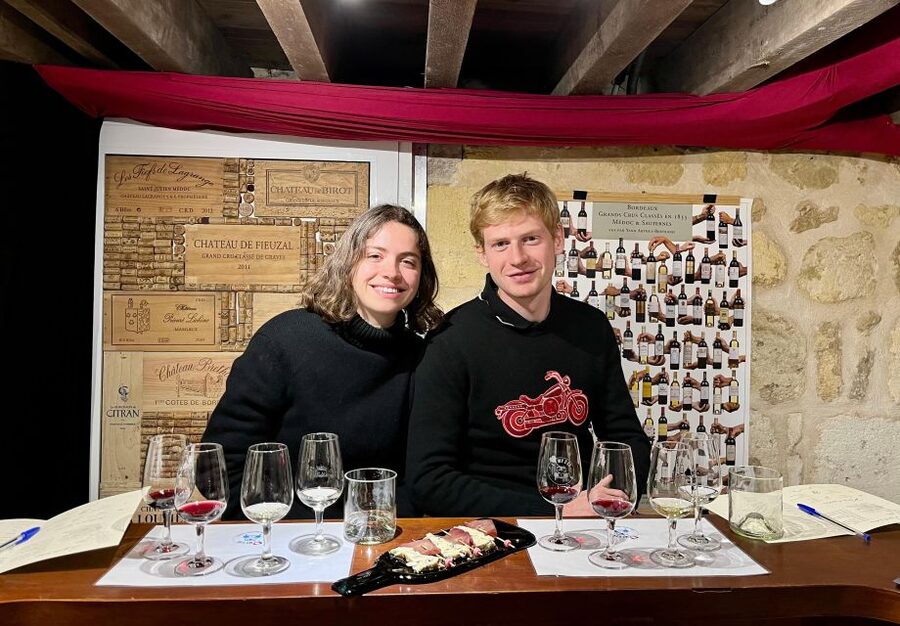
- Four Bordeaux reds: Compare single-variety wines, blends, organic estate wines, Grand Cru examples, and a mature bottle.
- Left Bank and Right Bank explained: Learn why Cabernet Sauvignon often shapes Médoc wines while Merlot plays a larger role in Saint-Émilion.
- Charcuterie with every tasting: See how savory foods change the way wine tastes.
- Small, personal class: Groups are limited to six, leaving room for questions and conversation.
- Aroma game and take-home booklet: You get hands-on practice plus a useful reference for later.
- Easy Bordeaux location: The tasting room is 100 meters from tram A at Stalingrad, though it is not suited to people with mobility impairments.
Why this one-hour Bordeaux class works
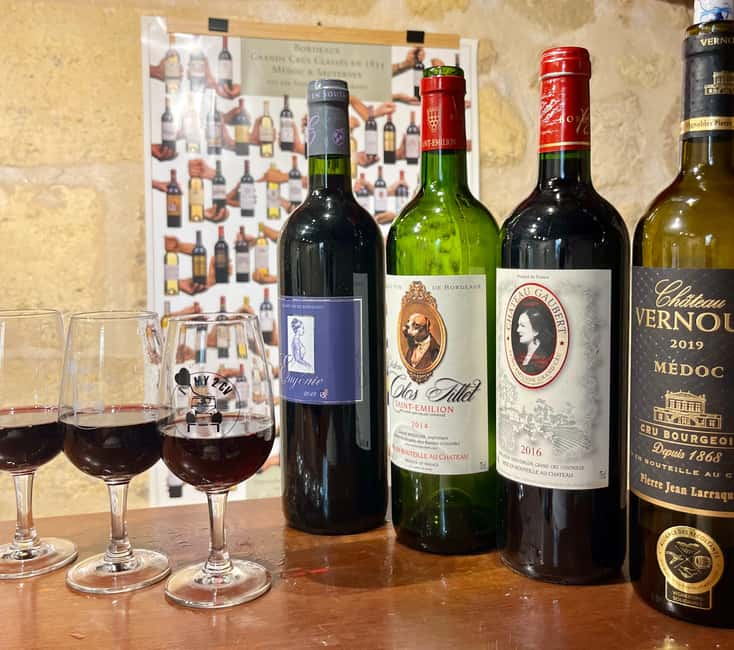
This is not a château visit in the countryside. It is a focused city tasting designed to help you understand what you are drinking during the rest of your time in Bordeaux.
That difference matters. Half-day trips to the Médoc or Saint-Émilion can show you vineyards, estates, and village streets, but they often leave you with many names and only a loose idea of how the wines differ. Here, the class puts those differences side by side. You can taste a more structured Cabernet Sauvignon-led wine next to a softer Merlot-led example, then consider how a blend changes the result.
The teaching is aimed at both first-time tasters and people who already know their way around a wine list. You do not need a developed wine vocabulary. The aroma game gives you a way to talk about what you smell without worrying about getting the answer wrong, and the booklet helps organize the main ideas.
Cécilia and Mathilde guide the class in English, French, or Spanish. The tone is intended to be conversational, and past participants have singled out the hosts for making the session relaxed, clear, and easy to follow. That is a real advantage in wine education. A good guide gives you useful terms without making you feel as if you are taking an exam.
More Wine and Food Pairings in Bordeaux
- Saint-Emilion Food and Wine Day Tour
★ 5.0 · 323 reviews - Bordeaux Old Town Food and Wine Tour
★ 5.0 · 278 reviews - Tasting of 6 Bordeaux wines and pairing charcuterie & cheese
★ 5.0 · 199 reviews
Finding the tasting room at 25 Avenue Thiers
The meeting point is 25 Avenue Thiers, at the eastern edge of central Bordeaux. The closest landmark is tram A’s Stalingrad stop, only about 100 meters away, so this is a practical choice if you are using public transport.
The room is not presented as a shopfront that you can spot from across the street. It is behind a building, beside the gray door next to the Guy Hoquet sign. Look for the bell marked I ♥️ TASTING. That small detail is worth saving before you leave your hotel. It will prevent the familiar travel ritual of standing outside the right address while wondering if you have somehow come to the wrong place.
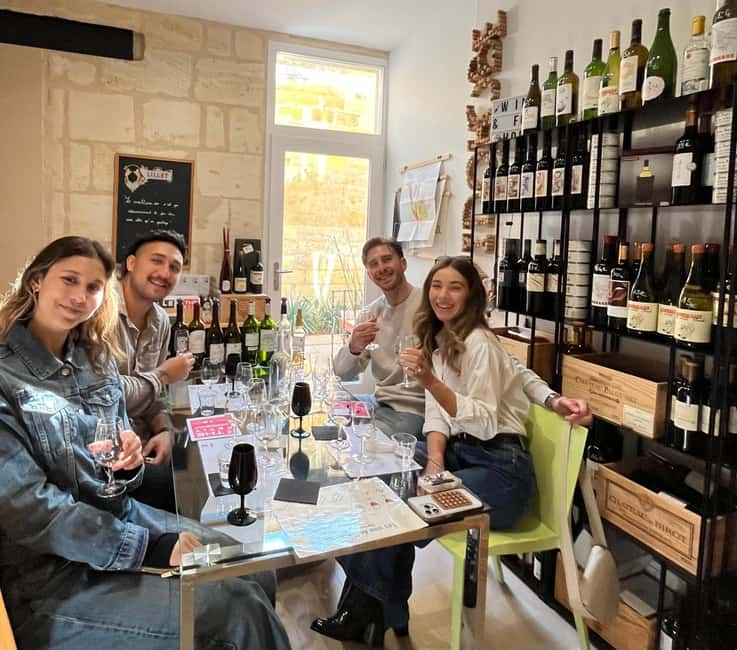
The setting changes with the season. Your class may take place in a stone-built tasting room, a private courtyard, or an underground cellar. The cellar setting can add atmosphere, while the courtyard may feel more open when the weather is suitable. Since the precise space is not guaranteed, choose this experience for the teaching and tasting rather than for a particular room.
The venue is not suitable for people with mobility impairments. If stairs, uneven surfaces, or cellar access could be a concern, contact the provider before booking and ask which room will be used.
The tasting begins with an aroma game
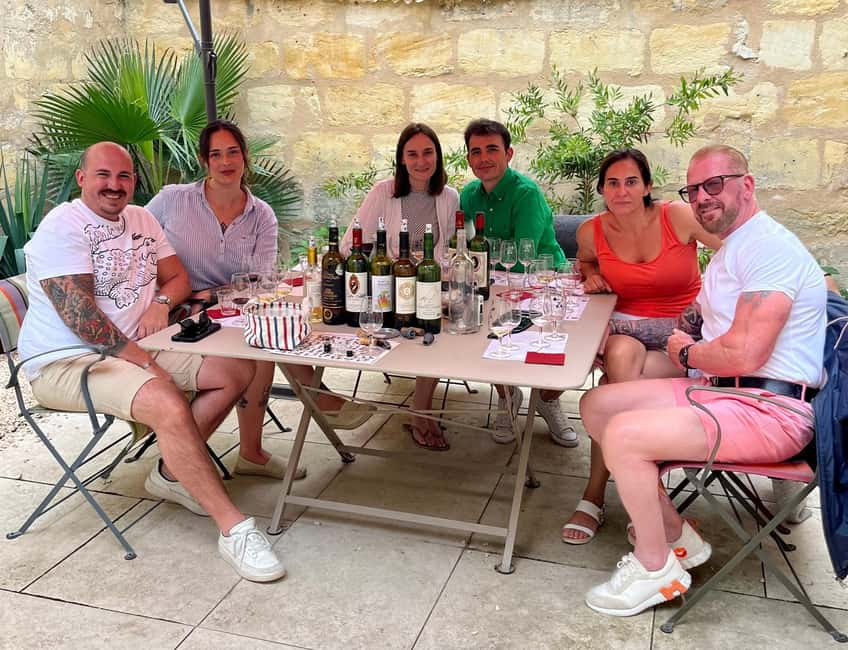
The class starts with the basic mechanics of tasting. You will be encouraged to look at the wine, smell it, and taste it with attention to aroma, texture, structure, and finish.
The aroma game is a smart way to loosen people up. Wine descriptions can sound overdone when you first hear them, but identifying scents becomes easier when you treat it as a guessing exercise. You may recognize fruit, spice, herbs, or other familiar notes, or you may simply notice that one wine smells fresher, darker, or more savory than another.
You do not need to identify every aroma. The useful lesson is learning how to compare wines. A single-variety Merlot may show a different fruit profile and texture from a Cabernet Sauvignon, while a blend can combine firmness, perfume, and softness in a different balance.
The guide also explains how winemaking choices affect the final glass. Grape variety matters, but so do terroir, vinification style, and ageing. This turns the tasting from a series of unrelated sips into a way to read Bordeaux more clearly.
Four reds, from grape variety to aged wine
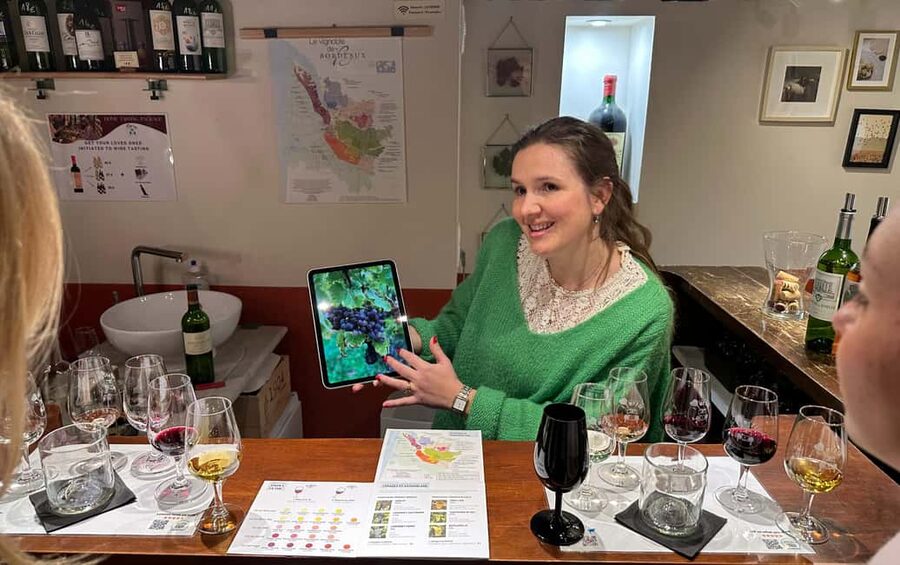
The heart of the class is a selection of four Bordeaux red wines. The exact bottles can change, but the stated aim is to present different sides of the region.
Some wines focus on a single grape variety. These are useful teaching tools because they make the character of Merlot or Cabernet Sauvignon easier to notice. Others are blends, which reflect the traditional Bordeaux approach of combining grapes to create balance and complexity.
You will also taste wines connected with different kinds of estates. The selection may include an organic family property, an elegant blend, and a prestigious Grand Cru. Those categories are not simply markers of price. They give you a chance to consider how estate scale, farming choices, reputation, and winemaking style can influence what reaches your glass.
One mature wine is included to show how Bordeaux changes with age. This is an important part of the session. Many people taste young Bordeaux and assume that the wine is meant to be judged only by its bold fruit or firm tannin. An older bottle can show a different side, with the freshness and structure softened into a more developed profile.
The description also refers to one mystery glass. Since the inclusions specify four Bordeaux red wine glasses, I would confirm the final format in advance if you want to know exactly how many samples you will receive. The mystery element itself can be fun, especially after you have learned the basic clues to look for.
More Wine and Food Pairings in France
- Guided Bordeaux Wine Tasting Class with 6 Wines and pairings
★ 4.9 · 181 reviews - Introduction to Bordeaux wines paired with cheeses & charcuterie
★ 5.0 · 175 reviews - Bordeaux Wines Masterclass paired with cheeses & charcuterie
★ 5.0 · 110 reviews - Bordeaux Food and Wine Tour : Authentic Artisanal Flavors
★ 5.0 · 62 reviews
Left Bank and Right Bank without the jargon
Bordeaux is often discussed in terms of the Left Bank and Right Bank. The names refer to the sides of the Garonne and Dordogne river system, but the useful point for a beginner is that the two areas are commonly associated with different grape balances and wine styles.
The Left Bank, including the Médoc, is strongly linked with Cabernet Sauvignon. In a tasting, Cabernet-led wines often bring firmer structure and a more age-worthy shape. They can feel less immediately soft than Merlot-based wines, especially when young.
The Right Bank, including Saint-Émilion, is closely associated with Merlot. Merlot can give a rounder, smoother, more fruit-forward impression, though the final character still depends on the blend, site, vintage, and cellar work.
You should not treat these as rigid rules. Bordeaux is too varied for a simple Left Bank equals one taste and Right Bank equals another formula. Still, these broad contrasts give you a useful starting point when you later face a wine list full of unfamiliar appellations.
The class uses the wines themselves to make the lesson concrete. Instead of memorizing a map, you compare texture, aroma, weight, and structure. That is more likely to stay with you when you order wine at dinner.
Charcuterie makes the lesson practical
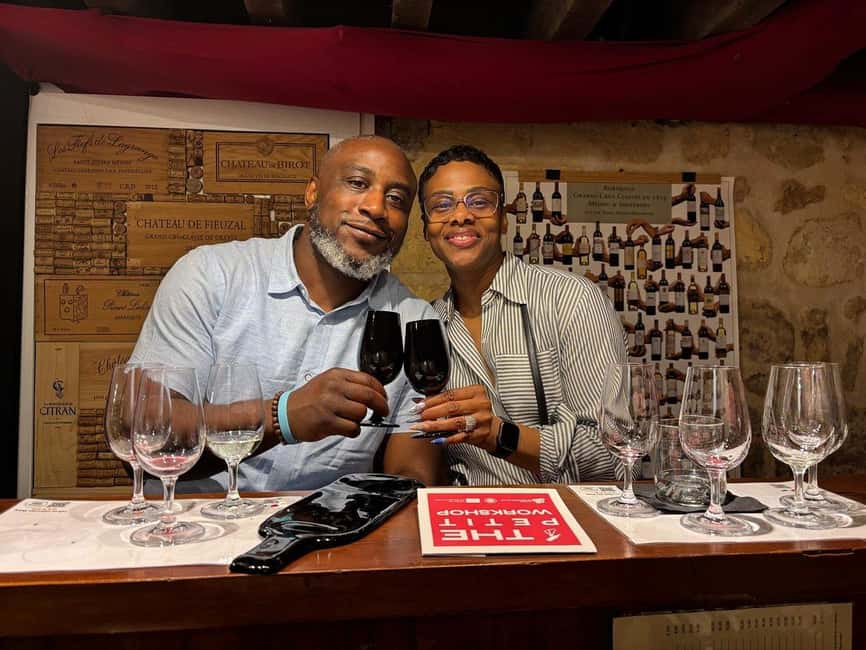
Each wine is paired with artisanal charcuterie. This is more than a snack placed beside the glasses. Food changes wine, and the pairing gives you a direct way to notice that.
Salt, fat, seasoning, and texture can make a red wine feel softer, drier, fruitier, or more structured. A wine that seems firm on its own may feel more balanced with food. Another may lose some of its charm if the pairing overwhelms its fruit or freshness.
You will not just hear a general rule such as red wine goes with meat. The point is to test how each wine works with the food in front of you. That is useful beyond Bordeaux because it helps you make better choices at restaurants and shops.
The charcuterie also keeps the hour social. Wine education is easier when you are not treating every sip as a formal assessment. You can taste, talk, eat, and ask questions at the same time.
A small group changes the feel
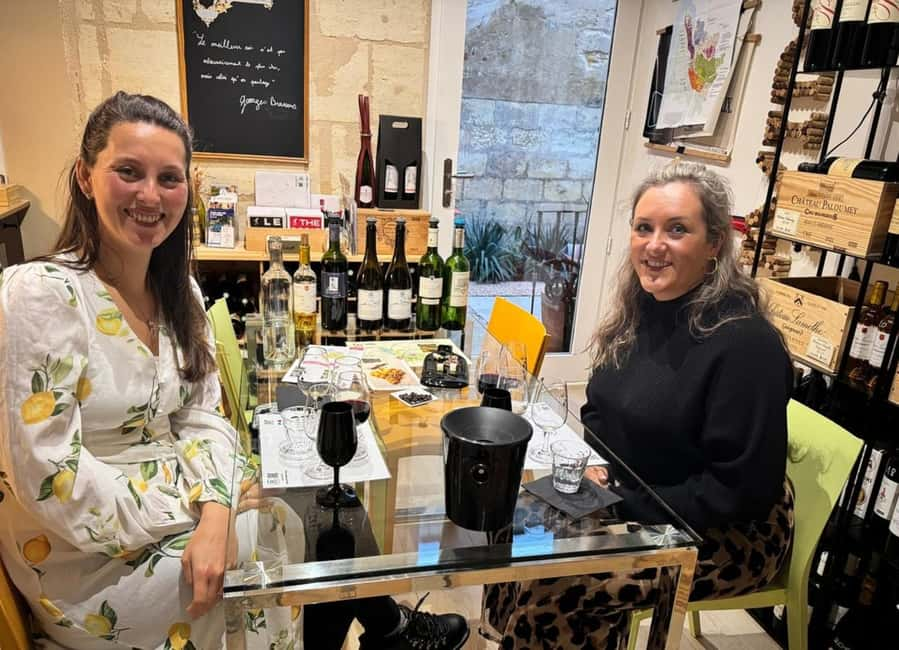
The maximum group size is six people. That is one of the strongest reasons to choose this class over a larger tasting.
With six or fewer participants, you have a better chance to ask why one wine feels more tannic, how long a bottle might age, or what to order with a particular Bordeaux dish. You can also say when a scent or flavor is unclear and get an explanation rather than simply moving on with the group.
The format is especially helpful for beginners who might feel lost in a large room. Past participants describe the class as more like a conversation than a lecture, and that matches the stated approach. The hosts are praised for being kind, clear, and easy to talk to, with Mathilde and Cécilia often singled out by name.
The tradeoff is that a small-group class can feel more personal but less anonymous. If you prefer to quietly taste without taking part in discussion, a private or self-guided option might suit you better. Here, questions and conversation are part of the value.
What the $46 price includes
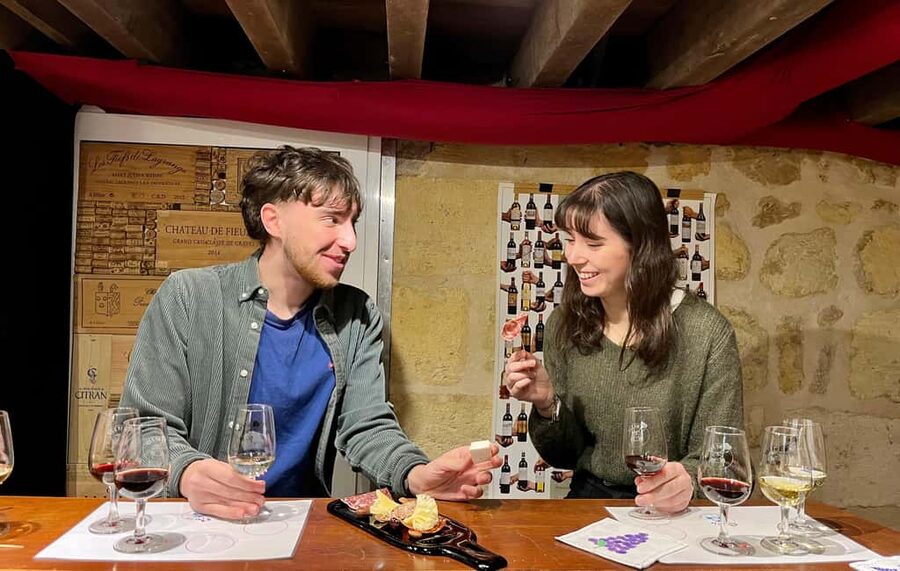
At $46 per person, the experience costs more than a casual glass of wine but less than a full-day vineyard excursion. The price includes the one-hour class, four red wine samples, charcuterie pairings, the aroma game, and a tasting booklet.
I see the best value in the structure. You are not paying only for liquid in the glass. You are paying for a guided comparison that helps you understand why the wines differ, plus food that makes the lesson easier to apply.
The booklet adds value after the class. You can use it to review the tasting method and Bordeaux basics when you are choosing a bottle later in your trip or back home. Wines tasted during the session are also available for purchase on site, so you can buy a bottle connected to something you now understand rather than choosing at random.
Still, keep the limits in mind. This is a one-hour introduction, not a meal, vineyard tour, or full professional certification course. The charcuterie is a pairing component, not a substitute for lunch or dinner. If you want to visit working estates, walk among vines, or see barrel rooms, book a separate Médoc or Saint-Émilion outing.
Who should book this Bordeaux tasting?
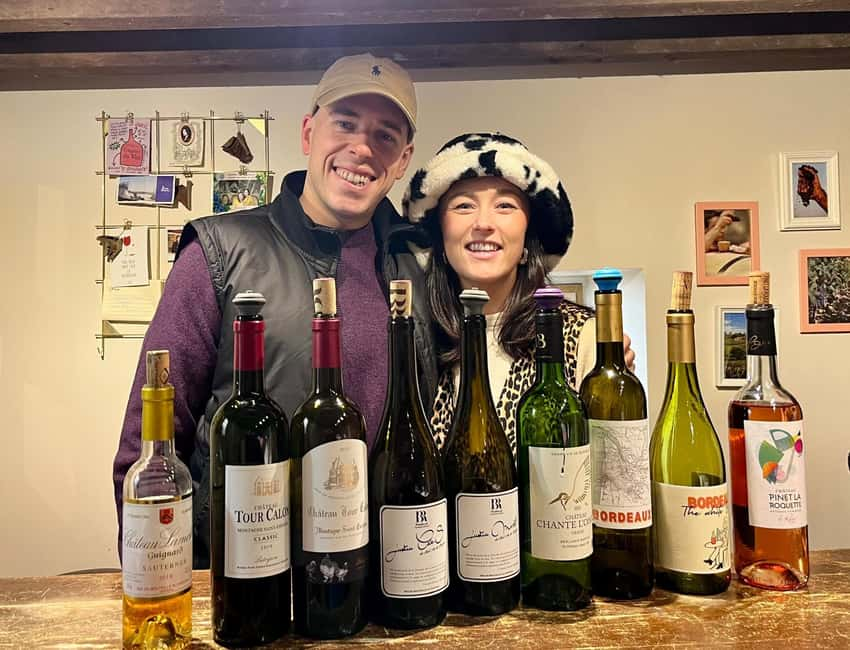
I would choose this for a first visit to Bordeaux when you want a clear introduction before ordering wine in restaurants or taking a vineyard trip. It is also a good fit if your schedule is tight and you cannot spare half a day outside the city.
Wine lovers will appreciate the range of examples, especially the chance to compare single-variety wines, blends, organic estate production, Grand Cru wine, and a mature bottle in one sitting. Beginners will benefit from the relaxed teaching and the aroma game.
It works well for couples, friends, and small groups who want an activity that is social but still useful. It may also suit a mixed-interest group because people who prefer white wine can request a white Bordeaux tasting in advance.
I would be less likely to choose it if your main goal is a large meal, an extensive list of vintages, or a countryside setting. The hour passes quickly, and the experience is built around learning rather than lingering over a long lunch.
Booking is flexible, with cancellation allowed up to 24 hours before the start for a full refund. You can also reserve now and pay later. For groups of more than six, contact the provider directly rather than assuming the standard small-group format will apply.
Should you book it?
Yes, if you want Bordeaux wine explained in plain language and demonstrated through direct comparison. The combination of four reds, charcuterie, an aroma game, and a personal booklet gives you more than a quick pour at a wine bar.
Book it early in your stay if possible. The class can give you a better sense of what to look for on later menus and winery visits. Choose it with realistic expectations: this is a compact, city-based introduction, not a complete survey of Bordeaux. For $46, the small group and practical teaching make it a strong value for curious beginners and a useful refresher for experienced wine drinkers.
FAQ
Where does the Bordeaux wine tasting take place?
It takes place at 25 Avenue Thiers, 33100 Bordeaux, about 100 meters from tram A’s Stalingrad stop.
How do I identify the entrance?
The tasting room is behind a building. Look for the Guy Hoquet panel and the gray door next to it. The bell is marked I ♥️ TASTING.
How long does the experience last?
The tasting class lasts one hour.
How many people can join the group?
The group is limited to six participants.
Which languages are available?
The live guide can conduct the experience in English, French, or Spanish.
How many wines will I taste?
The experience includes four Bordeaux red wine glasses. The description also mentions a mystery glass, so contact the provider if you need the exact number of pours confirmed.
Is food included?
Yes. Charcuterie is included as part of the wine and food pairing.
Can I request white Bordeaux wines?
Yes. If someone in your group prefers white wine, request a white Bordeaux tasting in advance.
Is the tasting suitable for people with mobility impairments?
No. The experience is listed as unsuitable for people with mobility impairments.
Can I cancel the booking?
You can cancel up to 24 hours in advance for a full refund. Reserve now and pay later is also available.
More Wine Tastings in France
- Saint Emilion Half-Day Trip with Wine Tasting & Winery Visit from Bordeaux
★ 4.5 · 1,034 reviews - From Bordeaux: Half-Day Saint-Émilion Tour and Wine Tasting
★ 4.7 · 699 reviews - Saint-Emilion Electric Bike Day Tour with Wine Tastings & Lunch
★ 5.0 · 696 reviews - Bordeaux Wine and Trade Museum Admission Ticket with Wine Tasting
★ 4.5 · 599 reviews
More Wine Tastings in Bordeaux
- Bordeaux: Cité du Vin Entry Ticket and Wine Tasting
★ 4.6 · 3,885 reviews - From Bordeaux: Afternoon Saint-Emilion Wine Tasting & snack
★ 4.8 · 1,581 reviews - Medoc or Saint Emilion Wine Tasting and Chateau from Bordeaux
★ 5.0 · 1,415 reviews - Saint Emilion Day Trip with Sightseeing Tour & Wine Tastings from Bordeaux
★ 5.0 · 1,120 reviews
Newest wine reviews around Bordeaux
- Saint Emilion Full Day Wine and Bike Tour★ 5.0 · 167 reviews
- Private Bordeaux History Tour with a glass of Bordeaux wine.★ 5.0 · 28 reviews
- Private – Best of Bordeaux Walking Tour + Glass of Bordeaux Wine★ 5.0 · 240 reviews
- Medoc Afternoon Wine Tour – 2 Wineries, tastings & delicacies★ 4.5 · 74 reviews
- Luxurious full day Bordeaux wine tour in a Tesla★ 4.5 · 31 reviews
- Bordeaux wines tasting workshop including Food & Wine pairings★ 5.0 · 31 reviews
- Wine Masterclass & Cheese Tasting Workshop in Bordeaux★ 5.0 · 29 reviews
- Discovery of the Bordeaux vineyard in 3 wines★ 5.0 · 133 reviews
Bordeaux Wine Tours, compared.
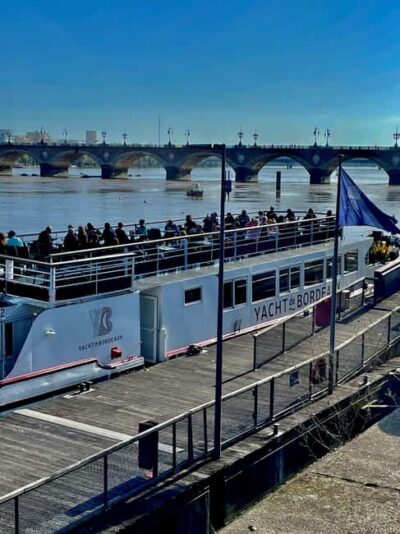
River Garonne Cruise with Glass of Wine and Canelé
Read our review →
Afternoon Saint-Emilion Wine Tasting & snack
Read our review →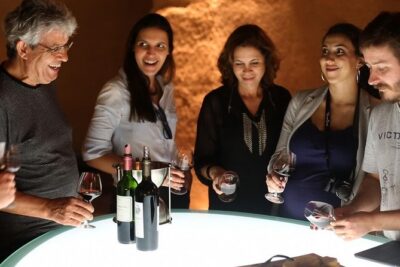
Medoc or Saint Emilion Wine Tasting and Chateau from Bordeaux
Read our review →
Saint Emilion Day Trip with Sightseeing Tour & Wine Tastings from Bordeaux
Read our review →