
Reviewed · WINE CELLAR VISITS
Alsatian Guided Wine Tasting and Immersive wine cellar tour
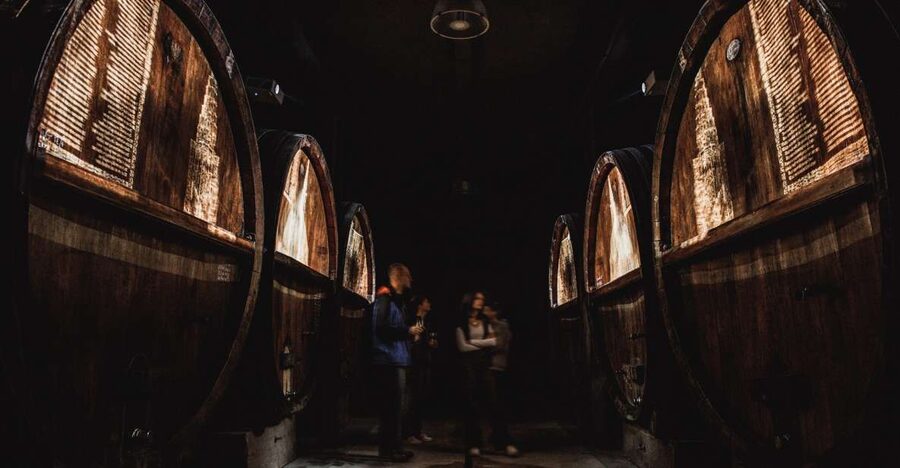
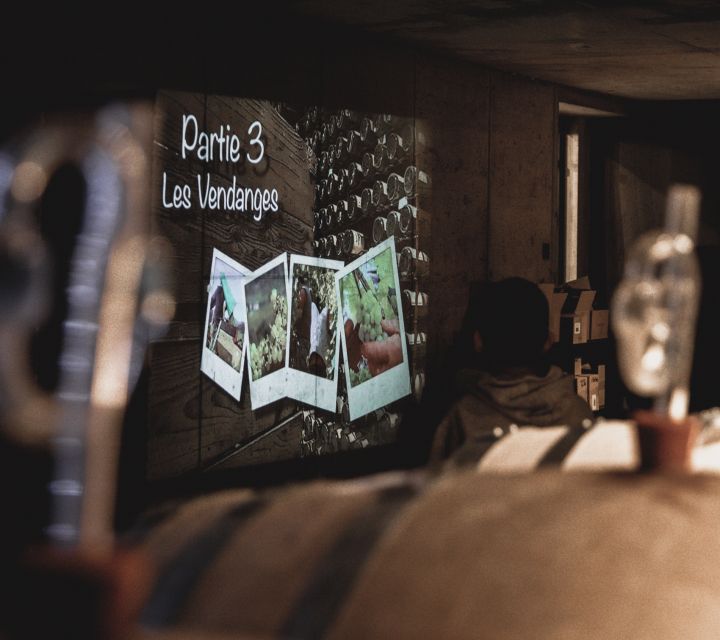
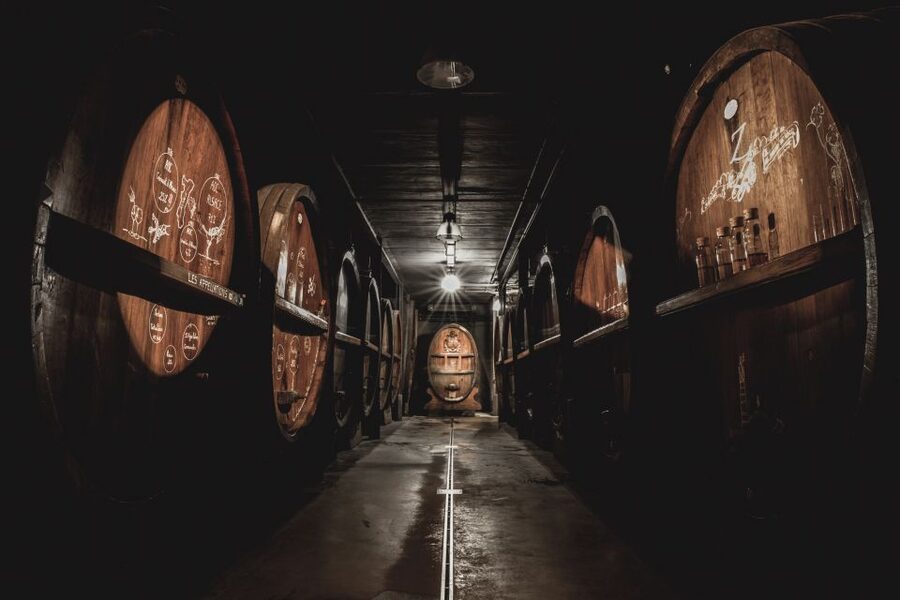
The most unusual part of this Gertwiller wine visit is not the tasting table. It is the 180-degree film projected across century-old oak barrels, turning the cellar into a small theater. You also see barrels from 1850, including one made for the Universal Exhibition of 1900, still tied to the winery’s work today.
I like the broad tasting lineup, which moves beyond the familiar Alsace whites to include sparkling wine, rosé, red, dry white, and sweet white. I also like the personal feel of a renovated family winery, where a guide such as Dorian can explain both winemaking and the family story. The main consideration is time: the core visit lasts 90 minutes, but the tasting and cellar presentation may feel long if you prefer a quick stop.
Key points at a glance
- A 180-degree cellar film: A projection plays across the old oak barrels, with sound and mapping used in some scenes.
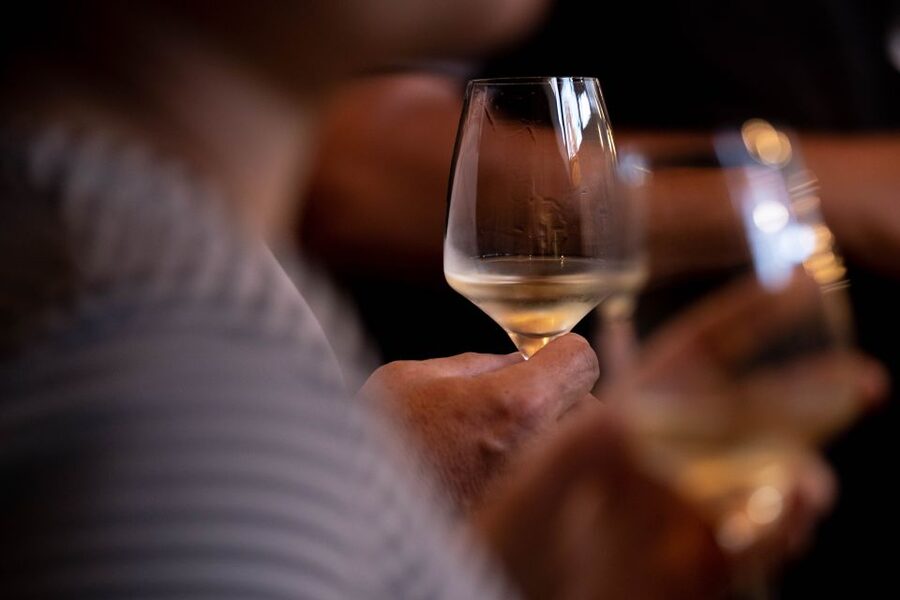
- Five wines with real variety: Taste organic sparkling, rosé, red, dry white, and sweet white wines from Alsace.
- Barrels with unusual history: See oak casks dating from 1850 and a barrel made for the 1900 Universal Exhibition.
- A guide-led introduction: An experienced sommelier explains grape styles, winemaking, food pairings, and local wine traditions.
- Time for browsing: After the 90-minute guided portion, the program allows about an hour for shopping.
- Useful family option: Children are welcome, even though only adults will take part in the wine tasting.
Why the old barrels are the real beginning
Alsace wine is often introduced through grape names and tasting notes. Here, the story begins with the cellar itself. The old oak barrels give you a physical link to the way wine was made before stainless steel tanks and modern display rooms became common.
The winery still uses barrels dating from 1850. One was made for the Universal Exhibition of 1900, a detail that gives the cellar more character than a row of new decorative casks. You are not simply looking at antiques, either. The barrels are connected to current production, and the guide explains how oak can add a flavor that newer equipment cannot quite copy.
That does not mean every wine will taste strongly of wood. The point is subtler. The barrel’s age, size, and condition affect how the wine develops. If you have visited modern wineries with polished tanks and neat charts, this offers a different view of production: less industrial, more tied to objects that have been doing the same job for generations.
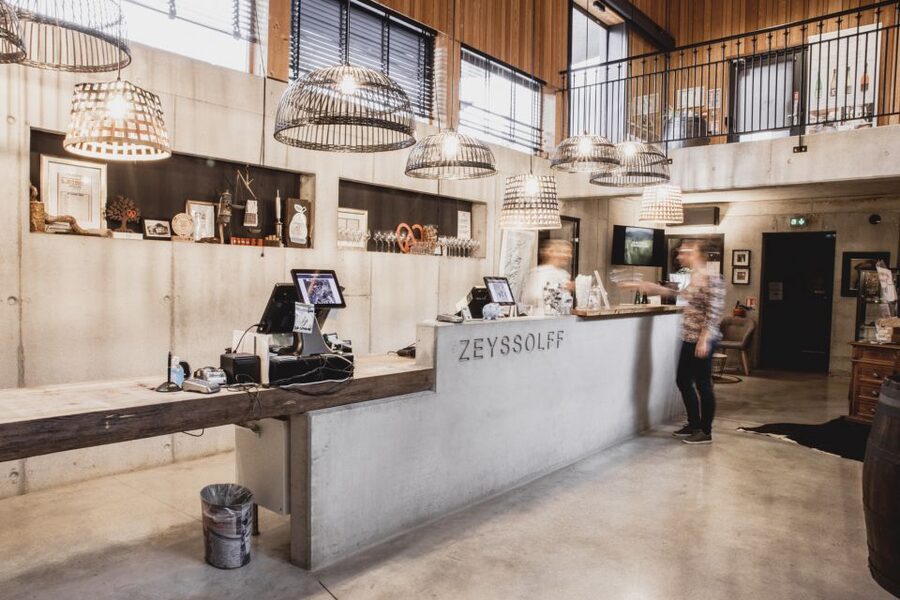
The cellar is in Gertwiller, in France’s Grand Est region. The setting suits the subject. You are in a working family winery, not a museum built only for sightseeing. That can mean a more personal explanation, though it also means the experience has a practical, family-run feel rather than the tight choreography of a large commercial attraction.
More Wine Tastings in France
- Bordeaux: Cité du Vin Entry Ticket and Wine Tasting
★ 4.6 · 3,885 reviews - Montmartre Hill French Gourmet Food and Wine Tasting Walking Tour
★ 5.0 · 2,588 reviews - From Paris: Loire Valley Castles Day Trip With Wine Tasting
★ 4.6 · 1,727 reviews
Five Alsace wines, not just one familiar white
The tasting covers five locally produced organic wines. The range matters because Alsace is often reduced to aromatic white wine, especially Riesling and Gewürztraminer in the minds of first-time visitors. This visit gives you a wider picture.
You can expect the tasting to include:
- Sparkling wine
- Rosé
- Red wine
- Dry white wine
- Sweet white wine
The guide explains how each style is made and what sort of food may suit it. That makes the tasting useful even if you are still learning basic wine terms. Instead of only being told that a wine is floral, crisp, sweet, or full-bodied, you get a reason to care about the difference.
The dry and sweet white wines are particularly helpful for comparison. Alsace produces both, and the change from a sharp, food-friendly glass to a richer sweet wine shows how the same region can offer very different drinking experiences. The red and rosé samples keep the tasting from becoming a long parade of pale whites.
I also appreciate that the wines are organic. The provided information does not specify a particular organic certification or farming method, so you should not expect a detailed lesson on certification. Still, the organic focus gives the tasting a clear point of identity and connects it with the winery’s approach to production.
You will want to ask questions as the tasting moves along. The format encourages that, and the guide can discuss aromas, food matches, the local wine trade, and the choices behind each bottle. If you already know Alsace wines well, the personal explanations and older barrels may interest you more than the basic tasting notes. If you are new to the region, the variety helps you find your bearings quickly.
The 180-degree film in the cellar
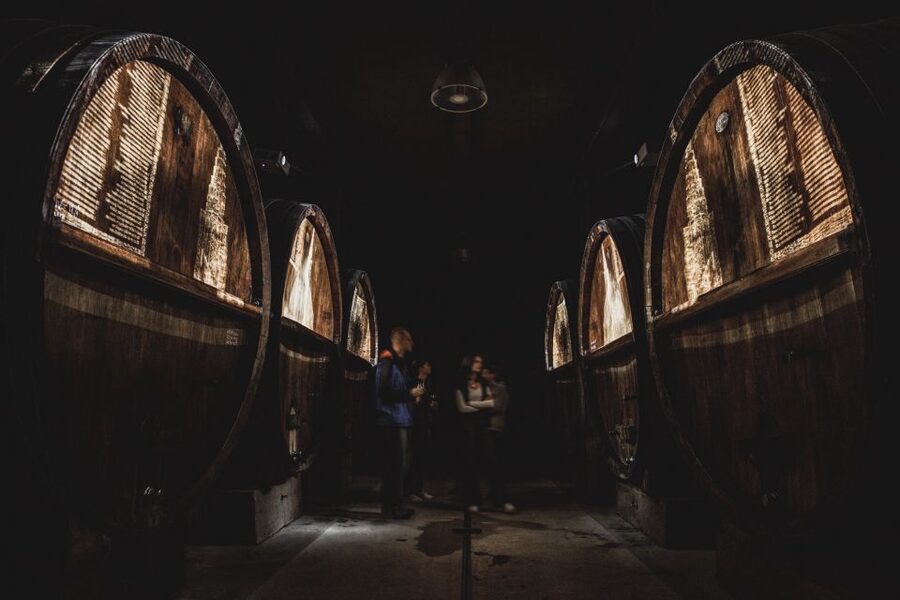
Since 2020, the winery has used a special presentation in the cellar. A film about the winemaker’s personal story and work philosophy is projected across the barrels in a 180-degree view. Sound is part of the presentation, and some sequences use mapping effects to fit the images to the rounded wood.
This is not a standard winery video shown on a flat television. The old barrels become the screen. That is why the presentation is likely to be the part you remember most clearly, even if you have already done several wine tastings in France.
The film also gives the visit a personal center. Wine tours can sometimes become a list of dates, grape varieties, and production figures. Here, the story of the person behind the cellar is part of the program. You learn how the family’s work and philosophy connect with the wines in your glass.
The unusual format has one possible downside. If you want a short technical cellar tour with a fast tasting, the film adds time and presentation. One visitor found the entire experience longer than necessary, suggesting that half an hour less would have been enough. I would keep that in mind if you have a packed day in Alsace or if children are joining you.
On the other hand, the special presentation is precisely why this is different from a basic tasting at a shop. At $22 per person, the film helps make the price feel reasonable. You are paying for a guided tasting, a cellar visit, old-barrel history, and a presentation that is unusual in France, not just five small pours.
A 90-minute visit with an extra hour to browse
The main guided visit lasts 90 minutes. It begins at the designated location at 156 Route de Strasbourg in Gertwiller, though the exact meeting point can vary with the option booked. Check that detail when you reserve, especially if more than one starting option appears.
The first section focuses on the winery and Alsace wine production. You hear about the different wine styles made in the region, how the wines are produced, and how the local traditions developed. The language is practical rather than purely academic because the tasting is part of the lesson.
Next comes the cellar. This is where you see the 1850 barrels and the cask associated with the 1900 Universal Exhibition. The guide explains what the oak contributes and why these older vessels are still valued. You also see the 180-degree projection during this portion.
The tasting follows as a commented session of five wines. The guide discusses what is in the glass and how to pair it with food. You can ask questions about sweetness, serving ideas, aromas, production, or the differences between Alsace styles.
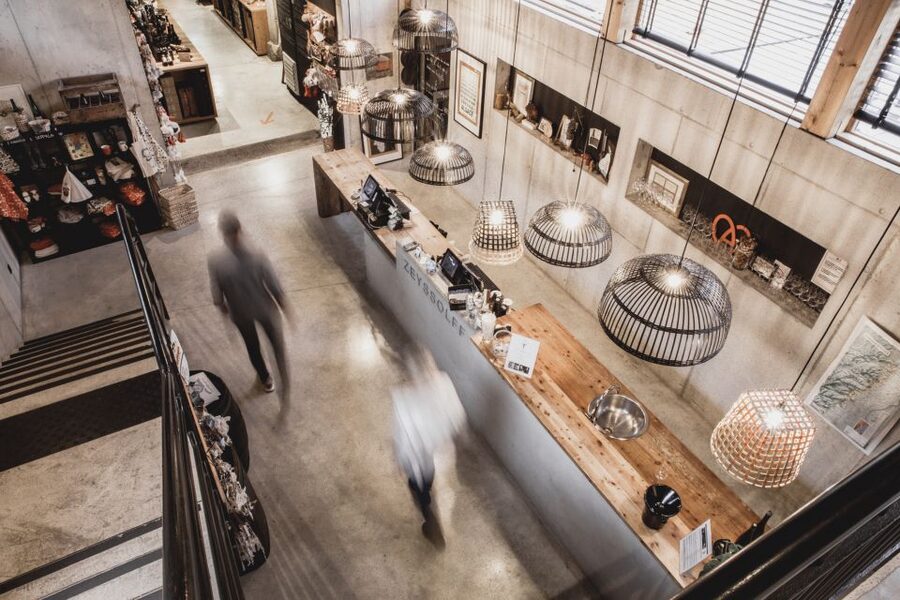
The program also includes about an hour for shopping. That is useful if you find a favorite wine and want to take a bottle home, but it changes how you should plan the stop. The guided experience is 90 minutes, while the full visit with browsing can take longer. If you are connecting it with another activity, allow room beyond the stated tour time.
The shopping time is optional in spirit, but it can be valuable. You have just tasted several styles, so you can make a more informed choice than you could from a shelf alone. Still, do not feel pressured to buy simply because the tasting ends near the sales area. The main value is the explanation and comparison, not the purchase.
More Wine Cellar Visits in France:
- Epernay: Guided Tour of Champagne Cellar with Tastings
★ 4.7 · 507 reviews - Paris Art of Pairing Cheese and Wine Tasting in a Cheese Cellar
★ 5.0 · 386 reviews - Paris – Guided Visit & Tasting in a Royal Wine Cellar
★ 4.5 · 221 reviews - Beaune: Maison Champy Guided Cellar Tour with Wine Tasting
★ 4.7 · 213 reviews
A family winery with a personal tone
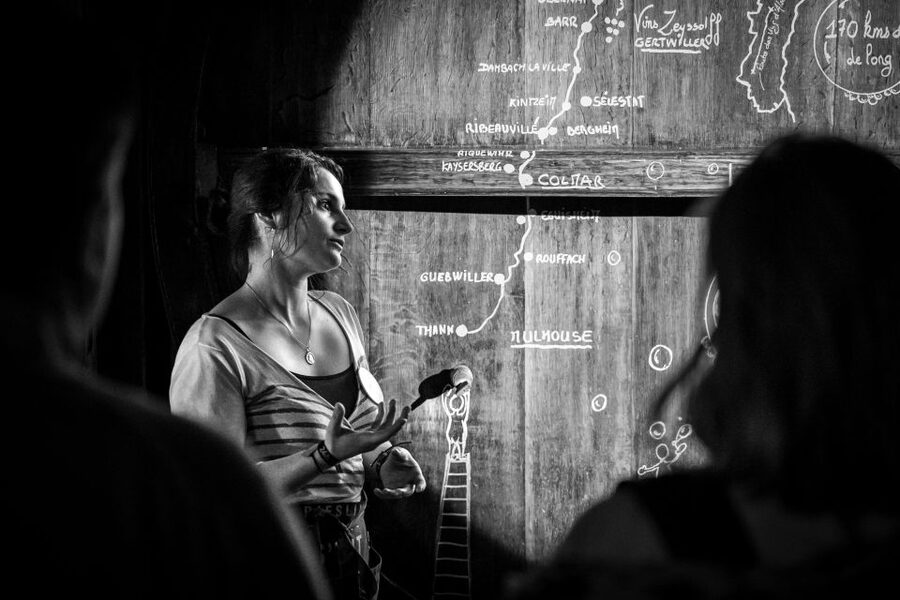
This is a good choice if you prefer a family winery to a large visitor center. The atmosphere is described as warm and welcoming, and the guide-led format leaves room for questions. The visit has an educational side, but it is meant to be enjoyable rather than formal.
You may meet Dorian, who has led the tour for some groups. His presentation has been described as lively and full of learning, and the strongest feedback consistently focuses on the guide’s enthusiasm, the quality of the wines, and the friendly welcome. That is important because a cellar tour depends heavily on the person explaining it.
The language choice deserves attention. Tours are offered in English and French, and you should book the correct language option. Do not assume that every departure will use the language you want. A well-presented wine tour loses much of its value if you cannot follow the explanations about production and pairing.
Children are welcome. That makes the experience possible for families, but the content remains adult-focused because the central activity is wine tasting. The old barrels and video give children something to look at, yet younger children may not care about the detailed explanations or the full 90-minute pace.
What the $22 price really buys you
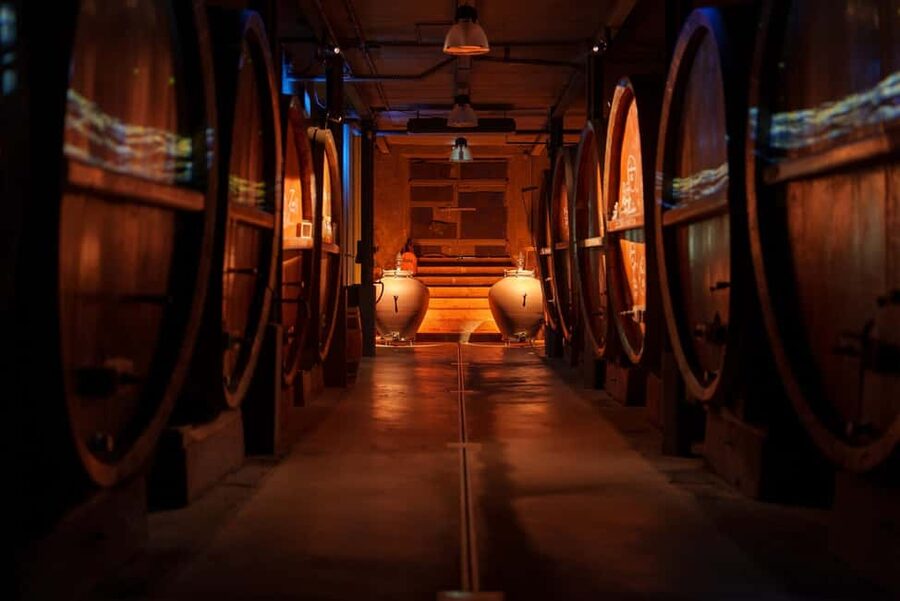
At $22 per person, this is a strong-value wine experience if you want more than a tasting flight. Five wines alone might justify part of the price, but the better value comes from the combination of tasting, guided cellar access, historic barrels, and the 180-degree projection.
The comparison is simple. A brief tasting at a shop may be cheaper, but it will rarely include a working cellar, barrels from 1850, a barrel made for a major exhibition, and a film projected across the casks. A longer vineyard excursion may offer more scenery, but this visit gives you a closer look at the winery’s tools and methods.
The price is less attractive if you dislike structured presentations or if you only want one glass of wine. The film and the full tasting take time, and the program is not designed as a quick stop. If you are curious about how the wine is made, the cost is modest. If you want a casual drink before dinner, choose a bar or wine shop instead.
Free cancellation up to 24 hours before the activity and the option to reserve now and pay later make it easier to fit into a changing schedule. Those policies are useful for a France trip with several moving parts, but check the exact conditions attached to your selected option.
Who will enjoy this Gertwiller wine visit
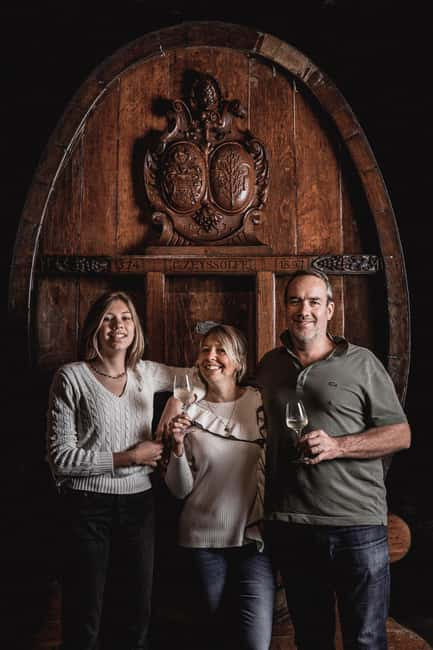
I would recommend this experience to you if you want a clear introduction to Alsace wines and enjoy seeing the production side of what you taste. It works especially well for people who like local history in small, tangible details, such as an old barrel still serving a purpose.
It also suits couples and small groups looking for a relaxed indoor activity. The cellar setting and film make it a good option when you want a break from driving between villages or from walking around town.
Families can bring children, but I would set expectations carefully. The visit is not built around children’s activities. Older children may enjoy the projection and the unusual barrels, while younger children may find the tasting and explanations slow.
Wine enthusiasts will appreciate the range of styles, but this is not advertised as a technical master class. You get a broad, accessible introduction rather than a specialist course in viticulture. That balance is a strength for most people and a limitation only if you already have advanced knowledge.
Practical details before you reserve
The listed starting point is 156 Route de Strasbourg in Gertwiller, with the exact meeting point depending on the option selected. Confirm the location and language before paying, since the booking information warns that language selection matters.
The tour is available in English and French. The core duration is 90 minutes, with an additional shopping period of about an hour in the program. Plan extra time if you want to browse bottles or ask questions after the formal tasting.
The tasting includes five wines. Since the selection includes sparkling, red, rosé, dry white, and sweet white styles, avoid treating it as a quick sample of one grape. Give yourself time to compare the wines and note which style you prefer.
The cellar may be cooler than the tasting room, though no specific temperature or clothing rule is provided. You might want a light layer if you are sensitive to cool indoor spaces, but there is no stated dress requirement.
Should you book this Alsace wine tour?
Book it if you want a compact, reasonably priced introduction to Alsace wine with something genuinely different from the usual cellar routine. The old working barrels and the 180-degree film give the visit a clear identity, while the five-wine tasting makes it practical for beginners.
Skip it if you need a very short tasting or have little patience for a staged presentation. The full experience can run longer than the basic 90 minutes once shopping is included, and one-hour browsing period may feel unnecessary if you are not buying wine.
For most visitors based near Gertwiller, I would choose it. You get local wines, a family winery, a guide-led explanation, and a cellar presentation you are unlikely to find in the same form elsewhere. Just select the right language, allow more than 90 minutes if you plan to shop, and treat the tasting as an introduction to Alsace rather than a quick drink.
FAQ
Where does the wine tasting take place?
The experience takes place in Gertwiller, at 156 Route de Strasbourg. The exact meeting point may vary depending on the option booked.
How long does the guided tour last?
The guided cellar tour and wine tasting last 90 minutes. The program also includes about an hour for shopping, so the total time may be longer.
How many wines are included?
The tasting includes five wines. The selection can include sparkling wine, rosé, red wine, dry white wine, and sweet white wine.
Is the tour available in English?
Yes. The live tour guide is available in English and French. Check the language carefully when booking.
Are children allowed?
Yes, children are welcome. The main activity remains focused on wine, tasting, and cellar history.
Can I cancel the booking?
You can cancel up to 24 hours in advance for a full refund. The activity also offers a reserve-now, pay-later option.
Newest wine reviews around France
- Saint Emilion Full Day Wine and Bike Tour★ 5.0 · 167 reviews
- Private Bordeaux History Tour with a glass of Bordeaux wine.★ 5.0 · 28 reviews
- Private – Best of Bordeaux Walking Tour + Glass of Bordeaux Wine★ 5.0 · 240 reviews
- Medoc Afternoon Wine Tour – 2 Wineries, tastings & delicacies★ 4.5 · 74 reviews
- Luxurious full day Bordeaux wine tour in a Tesla★ 4.5 · 31 reviews
- Bordeaux wines tasting workshop including Food & Wine pairings★ 5.0 · 31 reviews
- Wine Masterclass & Cheese Tasting Workshop in Bordeaux★ 5.0 · 29 reviews
- Discovery of the Bordeaux vineyard in 3 wines★ 5.0 · 133 reviews
Wine Cellar Visits, compared.
Bridges Cruise & Sunset & Port Wine Cellar Option
Read our review →
Hop-on Hop-off Bus with Optional Cruise & Wine Cellar
Read our review →
Magic Train Tour and Port Wine Cellar with Tastings
Read our review →
Milan Urban Winery: Taste & Tour at Cantina Urbana
Read our review →
Lists this tasting appears in