
Reviewed · WINE CELLAR VISITS
Cellar visit and Alsace wine tasting with a feminine touch
Domaine Gueth puts the wine itself at the center: you tour a working cellar, hear how the estate lets wines develop with minimal constraint, then choose seven organic wines from more than 20 options. I like the personal format and the chance to buy bottles directly from the producer. I also like the small Alsatian touch of a pretzel or slice of kougelhopf with crackers.
The main caution is the feminine approach. Muriel’s role gives the visit its title and identity, but the explanation of what that means may feel lighter than expected if you are hoping for a detailed discussion of women’s work in the cellar or vineyards.
Key Points
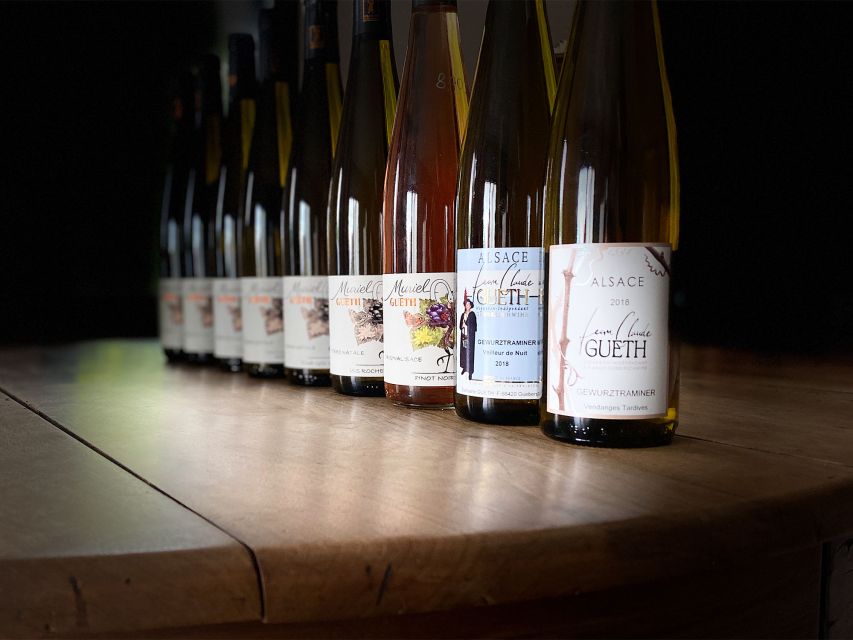
- Seven organic wines: Choose from traditional bottles, old-vine selections, local wines, and more unusual cuvées.
- A working cellar visit: See the winery facilities before tasting, rather than sitting down for wine alone.
- Muriel’s family approach: The estate carries seven generations of winemaking into a modern, nature-focused style.
- Spontaneous fermentation: The wines are allowed to follow their own path from vine to bottle without heavy intervention.
- Alsatian food pairing: Taste with a pretzel or kougelhopf and crackers.
- Easy one-hour stop: Free parking is available inside the Domaine, with French, English, and German guiding.
A One-Hour Alsace Tasting With More Choice Than the Price Suggests
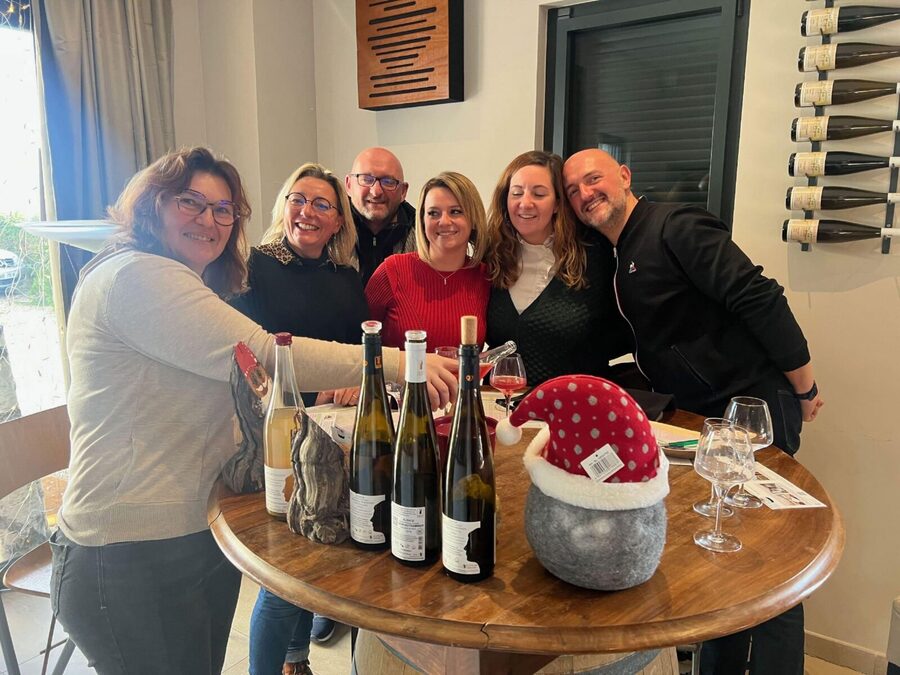
At $20 per person, this is a good-value introduction to Alsace wine, especially if you are already driving the wine route. You get a cellar visit, a presentation of the estate’s methods, and seven tastings. That is a lot of wine for a one-hour appointment, though the short format means the visit stays focused rather than turning into a long, technical wine course.
The tasting is designed around your preferences. Instead of receiving a fixed flight chosen in advance, you can select the seven wines that appeal to you from Domaine Gueth’s larger range. That matters if you already know which styles you enjoy, but it also gives you a chance to compare traditional wines with bottles made from old vines or in a more unusual local style.
Domaine Gueth produces more than 20 wines, so seven glasses only give you part of the picture. Still, the broad menu makes this more useful than a simple introduction to one grape or one basic house wine. You can ask for help choosing, then taste across the estate’s range without buying a full bottle of every style.
More Wine Tastings in France
- Bordeaux: Cité du Vin Entry Ticket and Wine Tasting
★ 4.6 · 3,885 reviews - Montmartre Hill French Gourmet Food and Wine Tasting Walking Tour
★ 5.0 · 2,588 reviews - From Paris: Loire Valley Castles Day Trip With Wine Tasting
★ 4.6 · 1,727 reviews
Arriving at Domaine Gueth
The meeting point is Domaine Gueth in Grand Est, on the Alsace wine route. You can park free inside the estate, which keeps this stop simple for anyone exploring by car. Ten places are listed as available, so the setting should feel more personal than a large commercial tasting room, although the exact group size for a particular departure is not stated.
The visit lasts one hour. That makes it easy to fit between village stops, lunch, or another winery appointment. I would avoid scheduling it too tightly against a train or restaurant reservation, since a cellar conversation and seven wines can take the full allotted time.
Domaine Gueth presents itself as an independent wine estate, a Vigneron Indépendant, with both High Environmental Value and Organic Farming labels. These labels provide useful context before you taste. The visit is not only about Alsace grape names and food pairing. It also explains how the estate works with the land and how its wines are raised.
Seven Generations Behind Muriel’s Modern Style
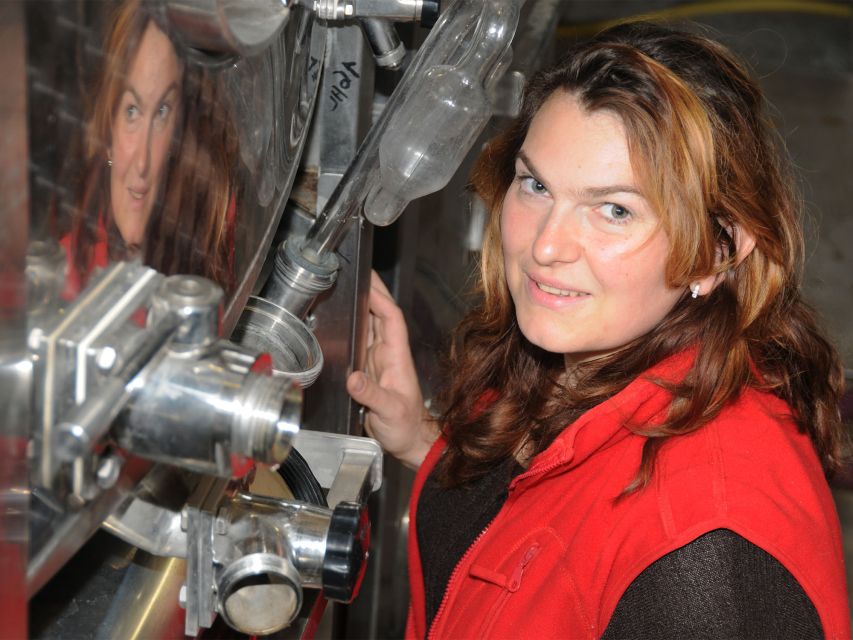
The estate has seven generations of winemaking behind it, while Muriel brings a newer point of view to the family property. The advertised theme is a feminine and modern approach to wine, with an emphasis on fruity, elegant bottles and a close relationship with nature.
That theme can be appealing if you want to hear how a family estate adapts across generations. Muriel’s role gives the visit a clear human focus rather than making it a generic explanation of Alsace wine. You are not simply tasting anonymous regional bottles. You are hearing about one family’s way of working.
At the same time, keep your expectations measured. The phrase feminine approach can mean different things. Here, it is linked to Muriel, the family story, a contemporary setting, and a style that favors elegance and fruit. It is not clearly presented as a separate technical method of farming or winemaking.
One tasting was led by the owner’s husband, and that session included careful explanations and a selection based on personal taste. This is useful to know because the experience may not always be delivered by Muriel herself. The family atmosphere remains part of the visit, but the exact host can vary.
Seeing the Cellar Before You Taste
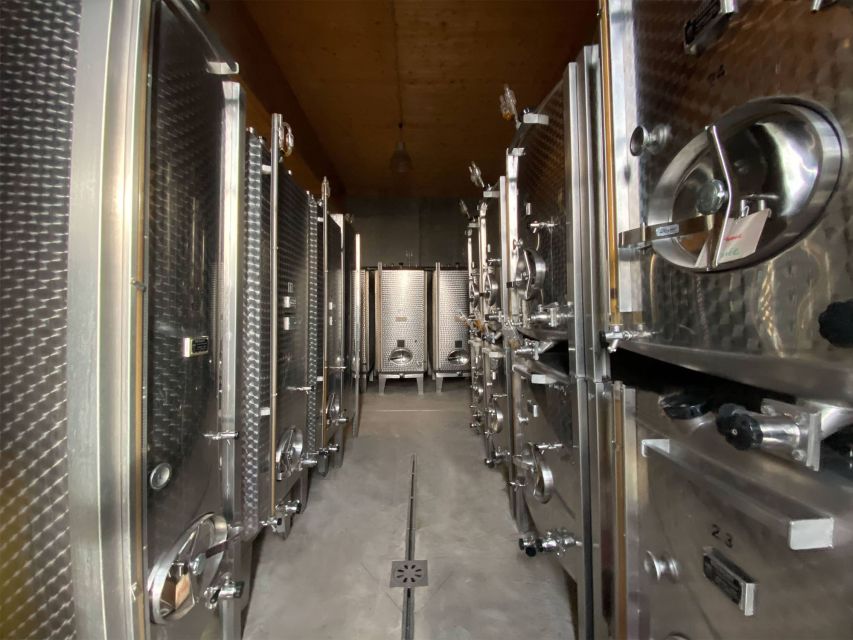
The visit begins with the cellar and winery installations. This first part gives the tasting a physical setting. You see where the wine is made before discussing what is in your glass, which helps connect the estate’s environmental claims and winemaking philosophy with an actual working space.
The presentation covers the estate’s approach to organic farming and its respect for the environment. You also hear about the decision to raise wines without forcing them along a fixed path. The stated philosophy is to let the wines develop naturally from vine to wine, including the use of spontaneous fermentation.
Spontaneous fermentation is an important point to ask about if you are curious about natural wine practices. It suggests that the estate allows naturally occurring yeasts to begin the fermentation rather than relying on a tightly controlled process. The experience does not promise a laboratory-style lecture, but it does offer a clear explanation of the estate’s choices.
The cellar is described as small, so do not expect a grand underground complex or a theatrical production facility. That is not a weakness for everyone. I like the idea of seeing a more modest working winery where the focus stays on the bottles, the farming, and the people who make them.
More Wine Cellar Visits in France:
- Epernay: Guided Tour of Champagne Cellar with Tastings
★ 4.7 · 507 reviews - Paris Art of Pairing Cheese and Wine Tasting in a Cheese Cellar
★ 5.0 · 386 reviews - Paris – Guided Visit & Tasting in a Royal Wine Cellar
★ 4.5 · 221 reviews - Beaune: Maison Champy Guided Cellar Tour with Wine Tasting
★ 4.7 · 213 reviews
Choosing Your Seven Wines
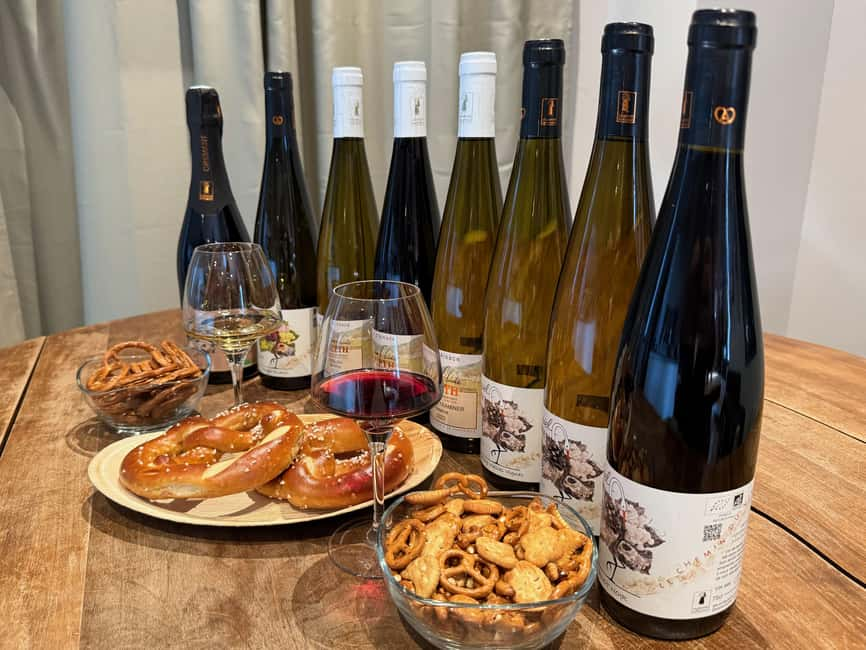
The tasting’s strongest feature is choice. You select seven wines from the estate’s full range, with help from the host if you need direction. That makes the experience adaptable for beginners and people who already have a favorite Alsace style.
The menu includes traditional wines, selections from old vines, atypical wines, and local wines. These categories give you a practical way to compare the estate’s standard expressions with bottles that show a different side of its work.
You might begin with a traditional style to understand the estate’s baseline, then move to an old-vine selection for a fuller comparison. If you want something less predictable, ask about the atypical and local wines. The point is not to rush through seven unrelated samples. It is to use the range to find out what suits your palate.
A minor detail needs clarification. The experience is presented as a tasting of seven wines, while one account described choosing eight wines from the full list. That may reflect a flexible serving choice or a difference in how the visit was handled. If the exact number matters to you, ask when booking. The reliable expectation is seven wines.
The tasting is guided according to your preferences, so tell the host what you like and dislike. If you prefer dry wines, aromatic bottles, lighter styles, or something unusual, say so early. One account described the wines as very aromatic, so visitors who enjoy expressive scents may find the selection especially appealing.
Understanding Alsace Wine Through Comparison
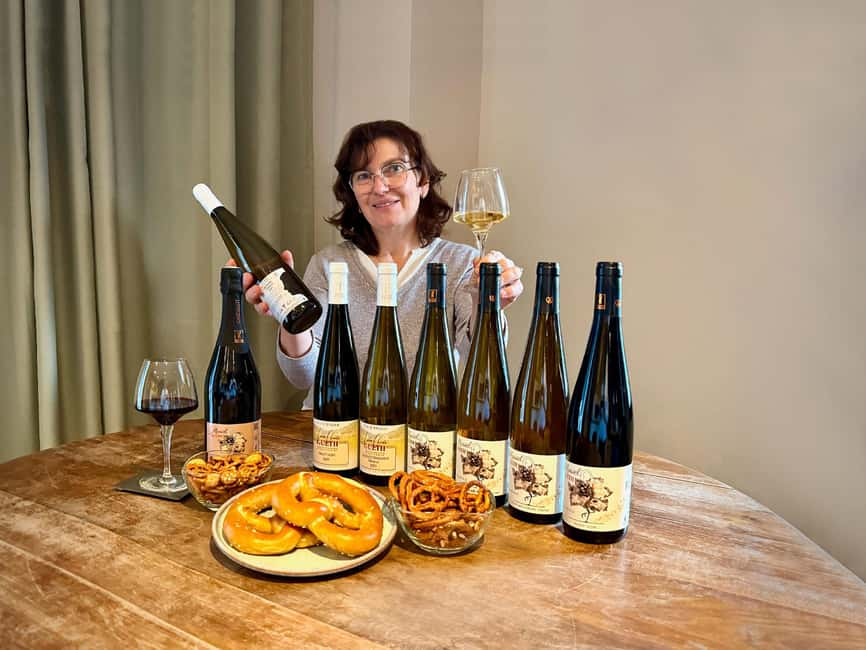
Alsace wines are distinctive because the region has its own recognizable grape varieties, wine terms, and food traditions. A tasting here is most useful when you compare several styles side by side rather than treating each glass as an isolated sample.
Domaine Gueth’s range allows you to make those comparisons. Traditional wines can show the familiar character of the estate, while old-vine bottles may offer a different balance and intensity. Local and atypical wines can challenge your idea of what an Alsace wine must be.
The host explains the relationship between terroir and vinification. In plain terms, you hear how the place where the grapes grow interacts with the way the wine is made. This is a valuable part of the visit because it moves beyond tasting notes. You get a reason for differences between bottles.
The explanations are available in French, English, and German. That makes the tasting practical for a wide range of visitors, and you can ask questions in the language most comfortable for you. The presentation is intended to be richly commented, but the one-hour schedule means you should expect a focused talk rather than a long seminar.
Pretzel, Kougelhopf, and a Sensible Alsatian Break
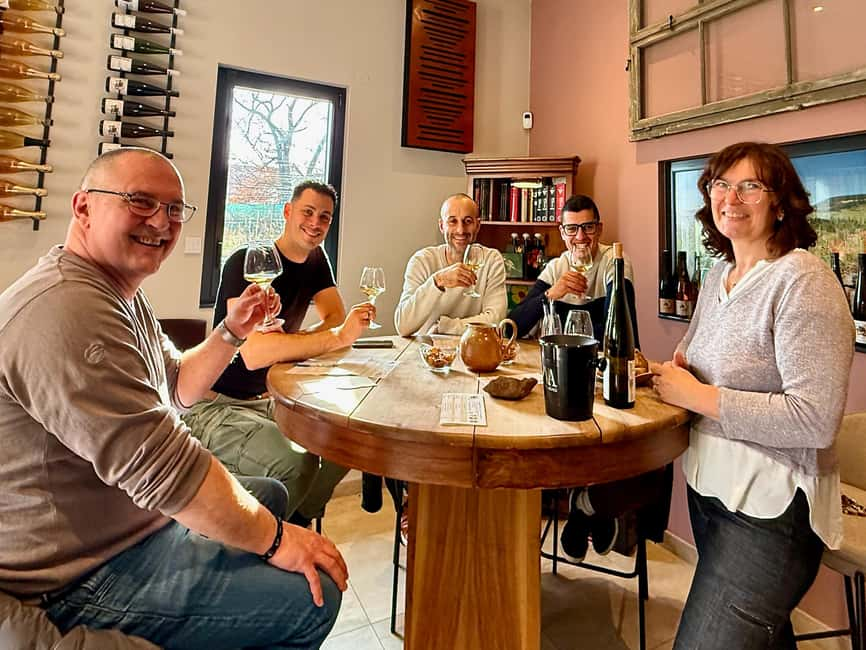
The wines are served with an Alsatian pretzel or a slice of kougelhopf, along with crackers. This is a small inclusion, but it improves the visit. You have something simple to eat between wines, and the local food gives the tasting a bit of regional character.
Kougelhopf is a traditional Alsatian ring-shaped cake, often associated with the region’s baking culture. Here, it is offered as a small snack rather than a full food pairing course. Do not arrive expecting lunch. The food is there to nibble on and to keep the tasting comfortable.
A pretzel may suit the drier, more savory side of the tasting, while kougelhopf offers a sweeter contrast. The pairing is informal, which fits the family-run character of the estate. If you need a substantial meal, eat before or after the appointment.
Buying Bottles Direct From the Producer
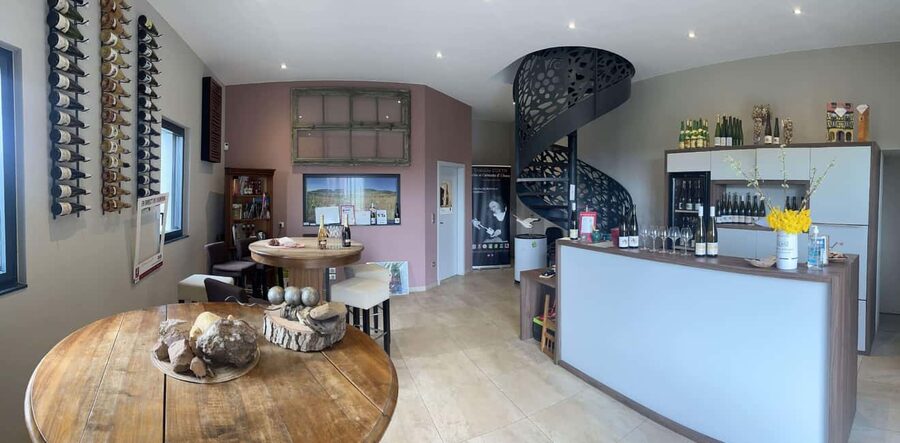
After tasting, you can buy the wines directly from Domaine Gueth. This is one of the clearest financial advantages of visiting a producer. You can sample before buying, ask about the bottles you liked, and avoid guessing from a shop label later.
The broad range also helps you shop with purpose. You may find a familiar traditional wine for the table, an old-vine bottle for a special meal, or an atypical wine to share with friends who enjoy trying something outside the usual list.
Keep in mind that the $20 activity price is for the visit and tasting. It does not state that wine purchases are included. Plan to pay separately for any bottles you take home.
The Feminine Theme: A Worthwhile Question to Ask
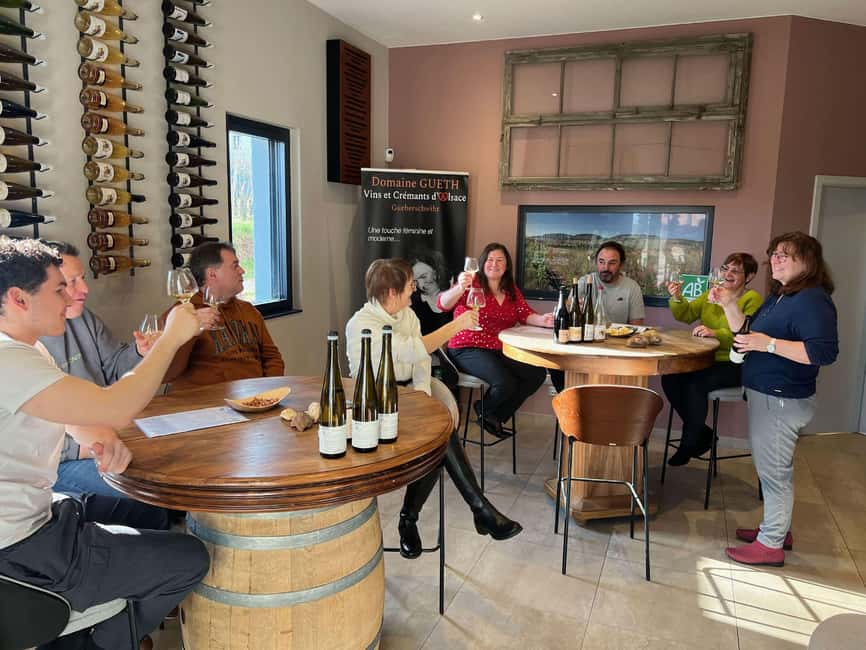
The title creates a clear expectation, and it is fair to ask the host what the feminine approach means in daily practice. Is it visible in vineyard work, cellar decisions, the style of the wines, the family’s succession, or the way the estate presents its bottles?
That question could make the visit more rewarding. The estate connects the theme to Muriel, the family’s seven generations, a modern setting, and a less forceful approach to making wine. But the experience does not promise a detailed account of gender and winemaking.
One account found this the main disappointment: the tasting was enjoyable, but the feminine angle was not explained enough to feel like a true point of difference. I would treat this as a prompt for conversation rather than a reason to dismiss the visit. If that theme is the main reason you are booking, ask for more detail at the start. If your main goal is organic Alsace wine and a direct cellar visit, the theme is less important.
Who Will Enjoy This Domaine Gueth Visit?
I would recommend this experience to you if you want an easy introduction to Alsace wine without committing to a half-day winery tour. The one-hour format works well for a road trip, and free parking inside the estate removes one small travel headache.
It also suits curious beginners. You do not need to know the grape varieties in advance because you can choose according to taste and receive guidance. The explanations cover farming, terroir, vinification, and the estate’s philosophy without requiring specialist knowledge.
Wine enthusiasts may enjoy the chance to compare seven bottles from one producer, especially the old-vine, atypical, and local selections. The format is less suited to someone who wants a long technical tour, a large historic cellar, or an extensive food pairing.
Adults are the intended audience for the wine tasting. Anyone who does not drink alcohol can request 100 percent organic grape juice made from the estate’s vineyards instead. That makes the visit more flexible for mixed groups.
Practical Details Before You Book
The listed price is $20 per person, and the activity lasts one hour. French, English, and German are available, and the experience is wheelchair accessible.
You can cancel up to 24 hours in advance for a full refund, and the reserve-now, pay-later option lets you keep your plans flexible. These policies are helpful if your Alsace itinerary depends on weather, driving conditions, or several village stops.
The experience is at Domaine Gueth itself, with free parking inside the property. Check the available starting times before booking, since the exact schedule is not fixed in the general description.
Should You Book Domaine Gueth?
Book it if you want seven organic wines, a cellar visit, and direct access to a family producer for a modest price. The choice of wines is the strongest reason to go, and the explanations about terroir, spontaneous fermentation, and environmental care add substance to the tasting.
Book with a question ready about Muriel’s feminine approach. The visit may satisfy you if you see that phrase as a family and personal style, but it may disappoint if you expect a detailed account of women’s role in vineyard work and cellar decisions.
For a short, practical stop on the Alsace wine route, Domaine Gueth is a sensible pick. It gives you enough context to taste with purpose, enough choice to find a bottle you like, and enough flexibility for both wine drinkers and those choosing organic grape juice.
FAQ
Where does the wine tasting take place?
The experience takes place at Domaine Gueth in Grand Est, France.
How long does the Domaine Gueth visit last?
The visit and tasting last one hour.
How much does the experience cost?
The listed price is $20 per person.
How many wines are included?
The tasting includes seven organic wines chosen from the estate’s vintages. One account described tasting eight, so you can confirm the exact number when booking if this matters to you.
What food is served with the wine?
The tasting includes an Alsatian pretzel or a slice of kougelhopf, plus crackers to nibble on.
Which languages are available?
The live tour guide service is available in French, English, and German.
Is the tasting only for adults?
The wine tasting is for adults. People who prefer not to drink wine can request 100 percent organic grape juice from the estate’s vineyards.
Is parking available at Domaine Gueth?
Yes. Free parking is available inside the Domaine.
Can I cancel or pay later?
You can cancel up to 24 hours in advance for a full refund. A reserve-now, pay-later option is also available.
Newest wine reviews around France
- Saint Emilion Full Day Wine and Bike Tour★ 5.0 · 167 reviews
- Private – Best of Bordeaux Walking Tour + Glass of Bordeaux Wine★ 5.0 · 240 reviews
- Private Bordeaux History Tour with a glass of Bordeaux wine.★ 5.0 · 28 reviews
- Medoc Afternoon Wine Tour – 2 Wineries, tastings & delicacies★ 4.5 · 74 reviews
- Luxurious full day Bordeaux wine tour in a Tesla★ 4.5 · 31 reviews
- Bordeaux wines tasting workshop including Food & Wine pairings★ 5.0 · 31 reviews
- Wine Masterclass & Cheese Tasting Workshop in Bordeaux★ 5.0 · 29 reviews
- Discovery of the Bordeaux vineyard in 3 wines★ 5.0 · 133 reviews
Wine Cellar Visits, compared.
Bridges Cruise & Sunset & Port Wine Cellar Option
Read our review →

Hop-on Hop-off Bus with Optional Cruise & Wine Cellar
Read our review →
Magic Train Tour and Port Wine Cellar with Tastings
Read our review →
Milan Urban Winery: Taste & Tour at Cantina Urbana
Read our review →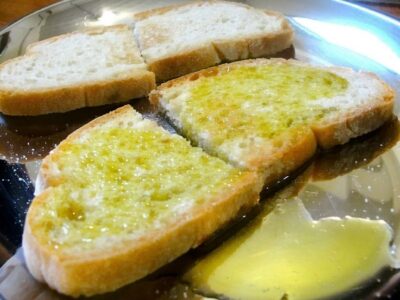

Lists this tasting appears in