
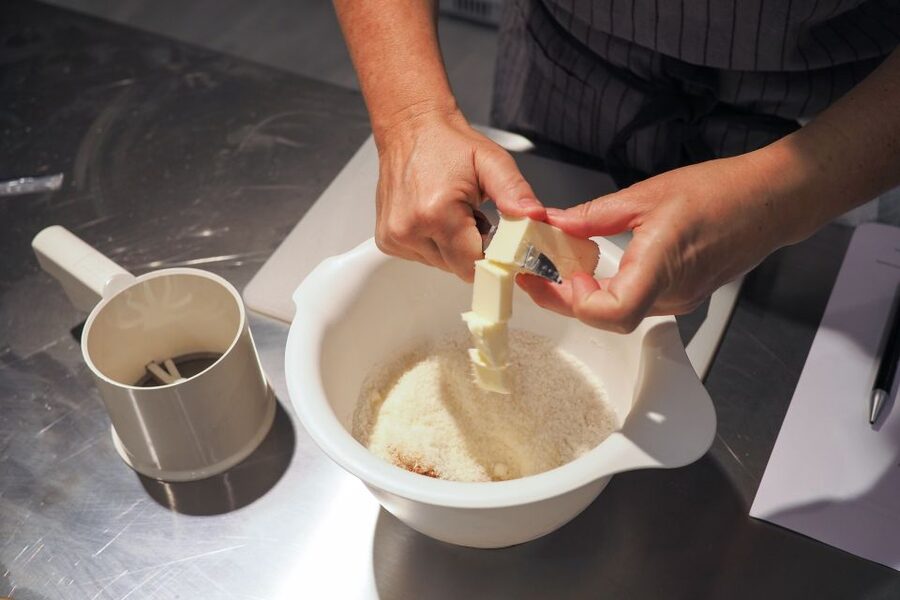
Reviewed · WINE & FOOD PAIRINGS
Milan: Italian Cooking Class with Food and Wine
Fresh pasta is the star here, but the real treat is learning how Italian cooking works from the inside out. You work at your own station with Chef Ilaria or another member of her team, then sit down with the group to eat what you made. I especially like the hands-on pasta lesson and the fact that you take home every recipe, including sauces that may be prepared ahead of time.
The class also gets two important things right: it keeps the mood social without turning the cooking into a spectator show, and it costs $80 for three hours of food, wine, instruction, and equipment. The main consideration is that the menu can vary, and you may prepare some components rather than every dish from start to finish. The studio is not wheelchair accessible, and children under 10 are not allowed.
Key points to know before booking
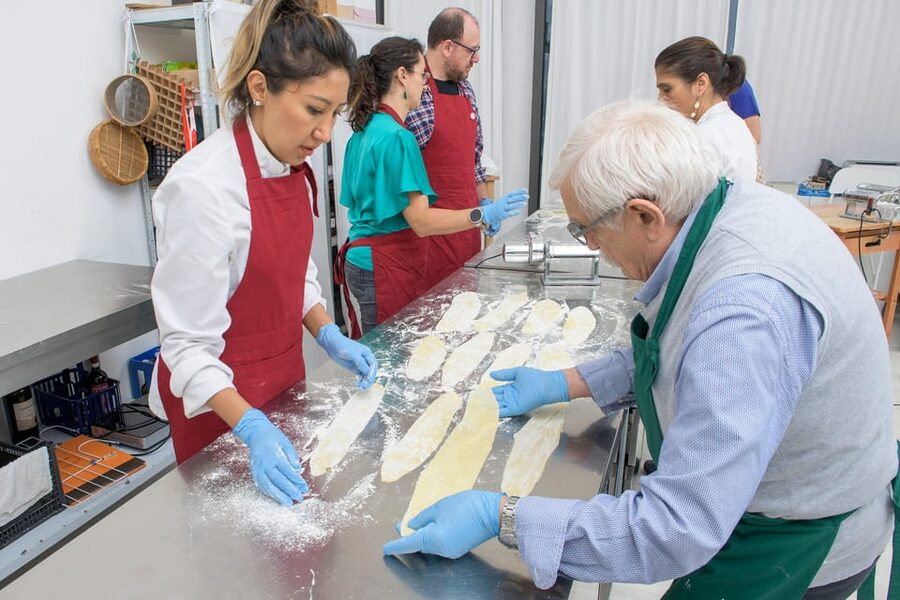
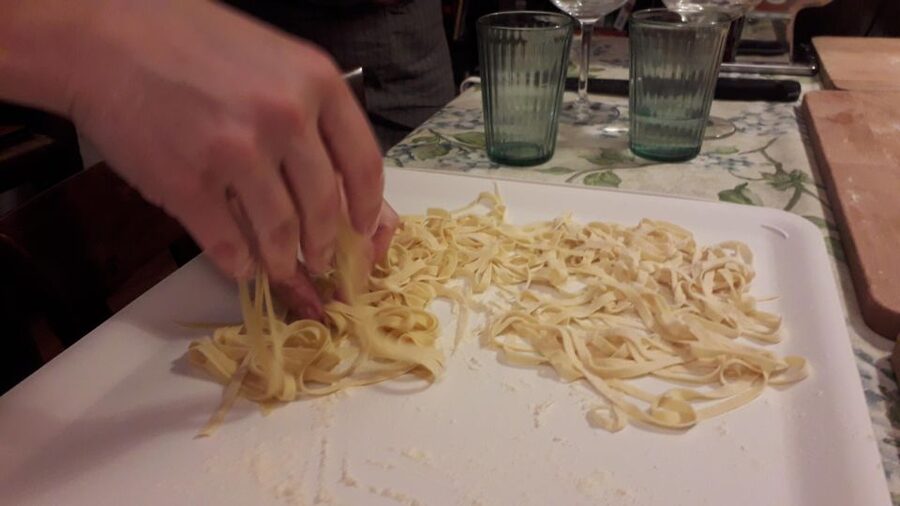
- Fresh pasta is the practical centerpiece: You may make tagliatelle, ravioli, gnocchi, or another pasta shape, often using a pasta machine.
- Chef Ilaria leads a warm, lively class: She explains techniques, food traditions, and the reasons behind each step in clear English or Italian.
- Three dishes become a shared meal: Menus can include bruschetta, pasta, gnocchi, tiramisù, biscotti, strudel, or eggplant parmigiana.
- Wine and snacks are included: Expect wine with the meal, plus small bites, coffee, tea, water, cheese, olives, mortadella, and dried tomatoes during the class.
- Recipes go home with you: The handouts make it possible to repeat the dishes, sauces, and techniques in your own kitchen.
- The setting has a few limits: Large bags, luggage, pets, smoking, and children under 10 are not permitted, and the kitchen is not wheelchair accessible.
Fresh pasta, practical lessons, and a proper meal
The class takes place at Chef and the City, a street-level shop marked by three large windows and red signs with the business name. When you arrive, ring the bell at the main window door. That small detail matters in Milan, where a cooking studio can be easy to pass if you are looking only for a large restaurant sign.
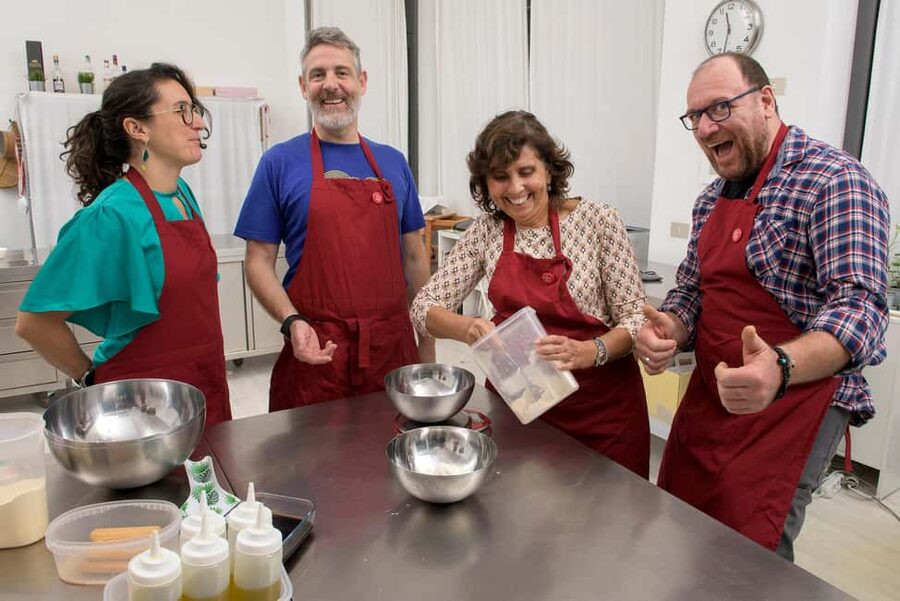
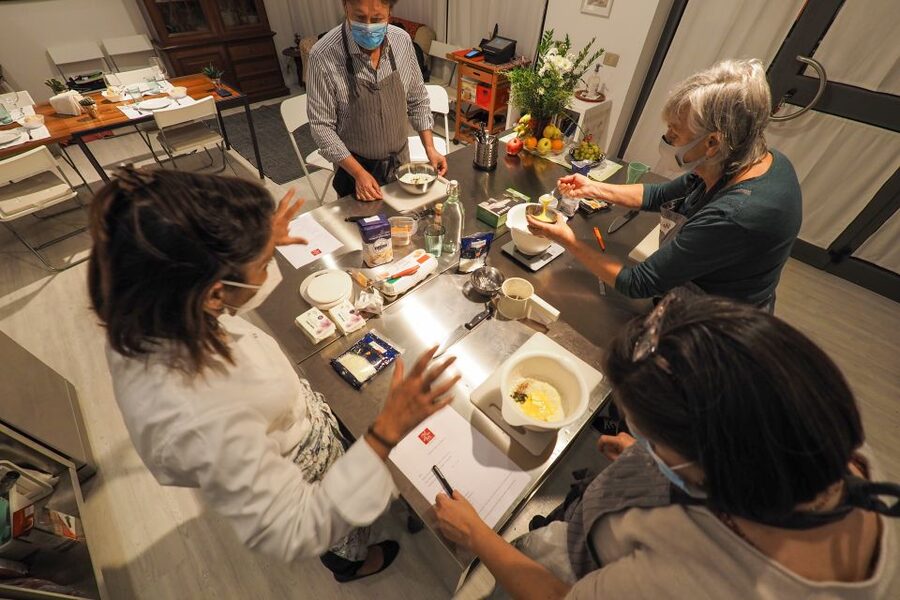
You will be given cooking tools, gloves, and an apron. Each person works from a personal desk, which keeps the class orderly and gives you room to handle dough, vegetables, sauces, and other ingredients. The setup also makes the lesson more useful at home because you are not simply watching a chef work at a central counter.
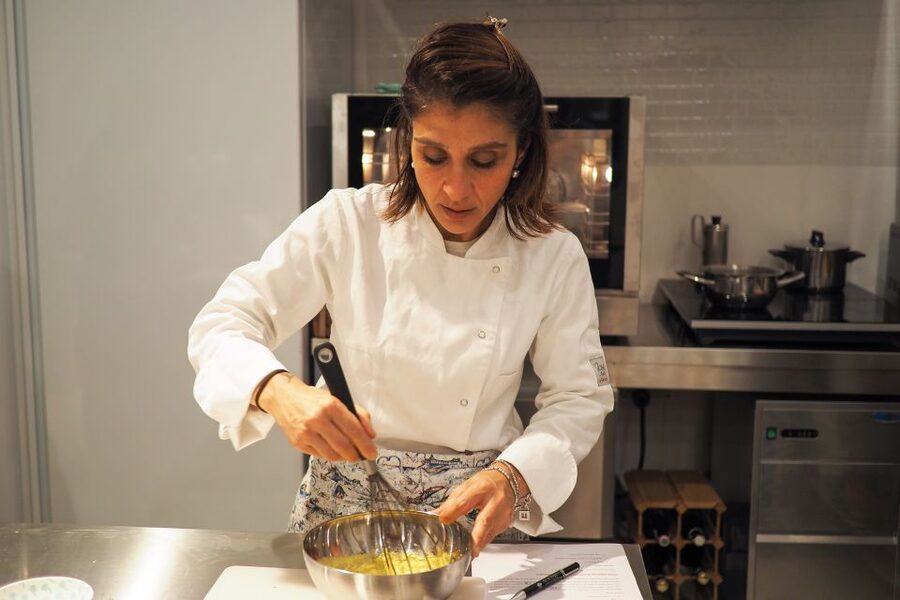
Chef Ilaria is the main name attached to the experience, with Fernando, Klara, and other team members helping at some sessions. Ilaria’s teaching style is lively and direct. She explains the history of a dish, points out common mistakes, and is happy to correct you when your dough, cutting, or mixing needs work. Her English is strong, and the class is offered in Italian and English.
The structure is simple. First comes instruction and preparation, with light food available during breaks. Then you prepare the main dishes, clean up the working area as part of the process, and sit together in the dining room to eat. The meal is served with wine, giving the class a natural finish instead of ending as soon as the cooking is done.
More Wine and Food Pairings in Italy
- Milan: Food and Wine Experience
★ 4.5 · 30 reviews - Pisa, Siena and San Gimignano Day Trip with Lunch & Wine Pairing
★ 4.5 · 6,006 reviews - Rome by Night – Ebike Small Group Tour – Food and Wine (Option)
★ 5.0 · 1,275 reviews
What you may cook in three hours
The exact menu is not fixed in the information provided, so do not book with one particular dish in mind unless the available date specifically names it. The possible choices are broad. You might make bruschetta, fresh tagliatelle, ravioli, gnocchi, cacio e pepe, ragù, focaccia, eggplant parmigiana, tiramisù, biscotti, cantucci, apple strudel, or another Italian dish.
That variety is both a strength and a small weakness. It means repeat visitors can come back for a different lesson, and the class can match the pace and skill of the group. It also means you should not assume that every session includes gnocchi, tiramisù, or a particular pasta shape.
Fresh pasta is the most useful skill for many people. You learn how to work the dough, roll it, and shape it. Some sessions use a pasta machine, and several people leave feeling ready to make pasta at home. If you have never made pasta before, this is the part where a teacher’s corrections matter. Dough can look simple, but its texture changes with flour, moisture, pressure, and handling.
Some sauces may be made by the chef ahead of time. This is especially relevant to ragù and some long-cooking preparations. A three-hour class cannot always include hours of simmering, so you may learn how the sauce works and receive the recipe without cooking every minute of it yourself.
That is worth knowing before you arrive. The session is a cooking workshop, not a full restaurant kitchen apprenticeship. You will have real work to do, but the timing requires some preparation before class. If your main goal is to learn an entire sauce from raw ingredients to final serving, check the menu details for your chosen date.
Bruschetta, pasta, and dessert make a well-paced menu
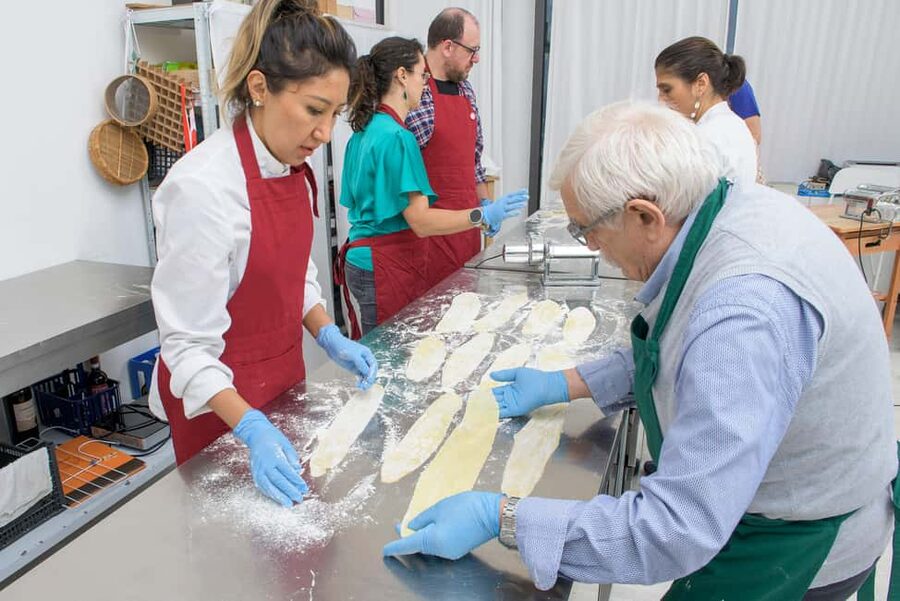
The most common three-part format is an appetizer, a pasta or other main dish, and a dessert. Bruschetta works well as a first course because it teaches simple but important habits: good preparation, careful seasoning, and using fresh ingredients without waste.
The pasta course usually provides the most hands-on work. Depending on the session, you may shape tagliatelle, ravioli, or gnocchi, then serve it with a sauce such as ragù or cacio e pepe. One useful lesson is that Italian cooking often depends less on a long list of ingredients than on timing, texture, and restraint.
Chef Ilaria is also known for having firm opinions about classic dishes. Carbonara, for example, is treated as a dish with a traditional method rather than a blank canvas for cream and bacon. You can still cook to your own taste at home, but the class helps you understand what makes a recipe recognizably Italian in the first place.
Dessert may be tiramisù, biscotti, cantucci, apple strudel, or another sweet. Tiramisù is a particularly useful subject because versions vary widely outside Italy. The class addresses small details such as which flavorings belong in the dish, rather than treating every creamy coffee dessert as the same thing.
Expect the pace to be efficient. Three courses sound ambitious, but the work is divided between explanation, preparation, and shared eating. One class made bruschetta, fresh tagliatelle, and biscotti, while another prepared bruschetta, ravioli, and strudel. These combinations show why it is best to see the menu as a rotating selection rather than a guaranteed set list.
Snacks, coffee, and wine keep the class social
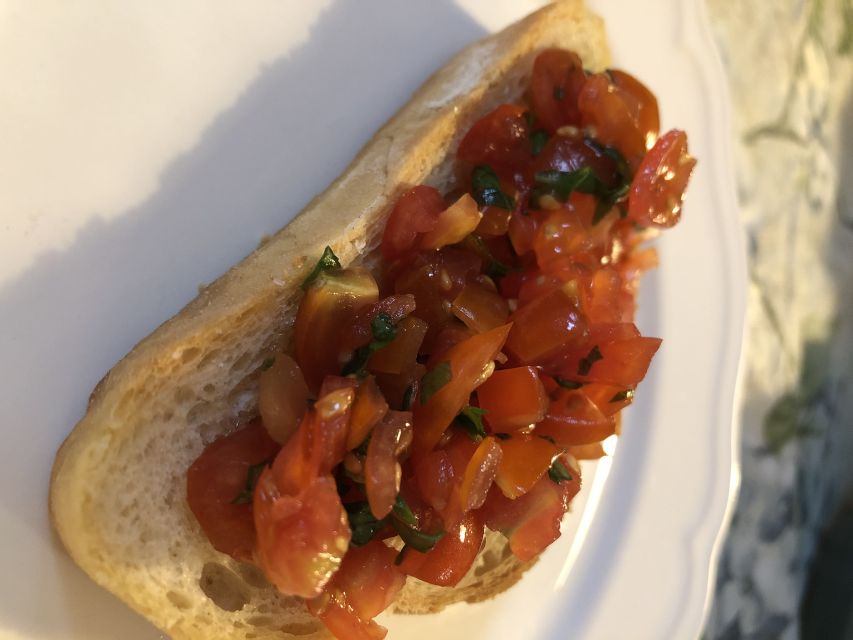
You are not expected to wait three hours for food. Small snacks can include cheese, dried tomatoes, mortadella, olives, cookies, biscuits, and candies. Coffee, tea, herbal infusions, and water are also available.
The studio does ask you not to eat or drink while actively cooking. That rule is sensible in a professional kitchen, especially while handling tools and ingredients. Eat during the planned pauses, tie back long hair, and follow the kitchen instructions.
Wine is included and served with the meal. Red and white wine may be available, and the shared table gives solo participants an easy way to meet people from different countries. The social side is a real part of the value here, but it is not forced. You can focus on the lesson, chat during preparation, or enjoy the meal at the end.
The wine can also affect the mood of the class. If you are driving afterward, plan around the alcohol. The experience includes transportation, food, tools, and wine, but it does not include private transport to or from the studio.
More Wine and Food Pairings in Milan:
- Lisbon: Food and Wine Small Group Walking Tour
★ 4.9 · 4,082 reviews - Lisbon Small-Group Portuguese Food and Wine Tour
★ 5.0 · 3,972 reviews - Montmartre Hill French Gourmet Food and Wine Tasting Walking Tour
★ 5.0 · 2,588 reviews - From Florence: Chianti Tour with Two Wine and Food Tastings
★ 4.5 · 1,205 reviews
The shared meal is more than a photo opportunity
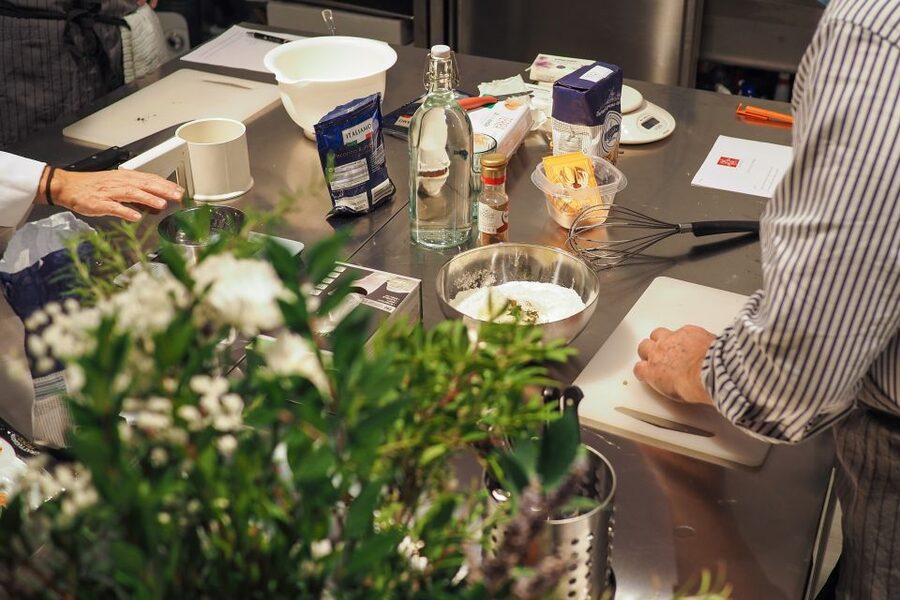
Many cooking classes end with a quick taste at the workstation. Here, the point is to sit down as a group and eat the food you helped prepare. That change of pace gives you time to notice the results of the techniques you just practiced.
It also lets you compare the finished dishes with what you may cook at home. Fresh pasta can be softer and more delicate than packaged pasta. Gnocchi can be light or heavy depending on how much flour enters the dough. Bruschetta can seem simple, but the balance of bread, topping, oil, and seasoning is easy to get wrong.
The dining portion is relaxed, and wine is part of the experience. You are not paying for a formal Milanese tasting menu, so the value is not in luxury service. You are paying for instruction, food, a social meal, and the chance to repeat the recipes later.
At $80 per person, I consider the price fair for three hours. A restaurant meal alone would not teach you how to make pasta, provide kitchen equipment, or send you home with recipes. The value is strongest if you actually plan to cook the dishes again.
What the recipes add to the value
The recipe handouts are one of the best reasons to choose a class like this. A food experience can be fun for an evening and disappear from memory by the next week. Written instructions give you a way to recreate the meal and remember the small corrections made during class.
Look for recipes that include the sauces and techniques discussed in the session, not only the dishes served that day. If a sauce was prepared ahead of time, ask about its timing and storage before leaving. That is the sort of practical detail that turns a pleasant class into a useful cooking lesson.
The recipes are described as easy to make at home, but some equipment may still help. Fresh pasta is possible with a rolling pin, though a pasta machine makes the process quicker and more consistent. One useful tip is to ask about substitutes and quantities while you are still in the kitchen. You have direct access to the teacher, so use it.
The class also presents Italian cooking as healthy and low-waste. That does not mean every ingredient is light or that the meal follows a strict diet. It means you learn to use ingredients carefully, avoid unnecessary waste, and build flavor through sound preparation rather than excess.
Group size, teaching style, and the occasional quiet session
The experience is designed as a social class, but group size can vary. Some sessions have a lively mix of people, while others may be very small. A two-person class can feel more personal, though it may have less of the shared energy that makes group cooking fun.
Small groups are useful if you want more direct help with pasta shaping, dough texture, or knife work. Larger groups may offer more conversation and a broader mix of cooking habits. Either way, your own personal desk gives you a defined place to work.
The teaching has received particularly strong praise for being friendly, funny, and clear. Ilaria combines instructions with stories about Italian food and the cultural meaning of dishes. That makes the lesson easier to remember than a list of measurements alone.
Some sessions may be led by another member of the team rather than Ilaria herself. The experience is offered by Chef and the City, not guaranteed as a private lesson with one specific chef. If meeting Ilaria is important to you, confirm the instructor before booking.
Dietary needs and practical limits
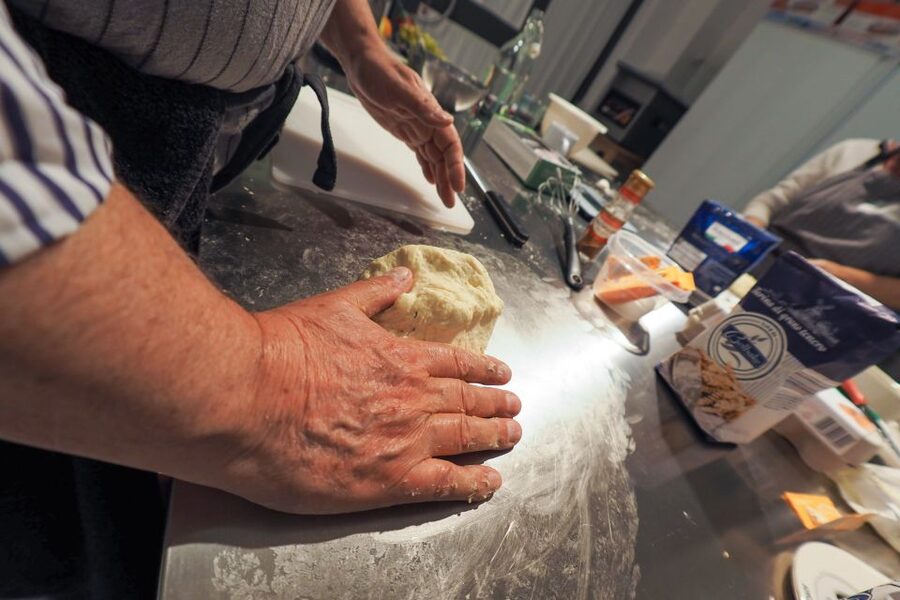
The class has accommodated gluten-free diets and food allergies, but you should provide that information in advance. One participant with a gluten-free diet was able to take part without losing the main hands-on elements. That is encouraging, though the exact menu and level of substitution will depend on the session.
The kitchen follows professional rules. Tie up long hair, do not eat or drink while cooking, and avoid bringing large bags or luggage. There is no luggage storage, so arrange to leave suitcases elsewhere before arriving.
The studio is not wheelchair accessible and is not suitable for people with mobility impairments. Children under 10 are not allowed. Pets and smoking are also prohibited.
The cancellation policy is flexible: you can cancel up to 24 hours in advance for a full refund, and you can reserve now and pay later. Starting times vary, so check the available time when choosing a date.
Who will get the most from this Milan cooking class
I would choose this class if you want to do something active in Milan and leave with a skill, not only photographs. It suits first-time pasta makers, couples, solo visitors, families with older children, and anyone who enjoys meeting people over a shared meal.
It is also a good match for experienced home cooks who want Italian technique rather than a basic demonstration. The chef’s corrections and comments about traditional methods can be useful even if you already know how to boil pasta or make a simple sauce.
I would be cautious if you need a guaranteed menu, a fully private experience, or a lesson where every component is cooked entirely from scratch in front of you. The rotating dishes and advance preparation make the class run smoothly, but they may not match a very specific cooking goal.
Should you book Chef and the City?
I would book it if fresh pasta, Italian food traditions, and a relaxed meal with wine sound better to you than another museum visit. The strongest reasons are the practical pasta work, Chef Ilaria’s lively teaching, the recipe handouts, and the fact that you eat the finished dishes together.
At $80, the experience offers good value for a three-hour activity that includes food, wine, equipment, an apron, gloves, and instruction. Just confirm the menu and instructor if those details matter, and arrive without luggage or large bags.
Choose another activity if accessibility is essential, you are bringing a child under 10, or you want a fixed menu with no pre-prepared elements. For most food-minded visitors, though, this is a smart way to spend an evening in Milan and bring a little of Italy home in your own kitchen.
FAQ
How long is the Milan Italian cooking class?
The class lasts three hours. Starting times vary, so check the available time when booking.
What dishes will I cook?
The menu can vary. Possible dishes include fresh tagliatelle, gnocchi, ravioli, bruschetta, cacio e pepe, ragù, focaccia, eggplant parmigiana, tiramisù, biscotti, cantucci, and apple strudel.
Is wine included in the price?
Yes. Wine is included, along with food, cooking tools, gloves, and aprons. Coffee, tea, infusions, and water are also available.
Do I receive the recipes?
Yes. You receive copies of the recipes so you can prepare the dishes at home.
Is the class available in English?
Yes. The host or greeter can speak Italian and English.
Can I bring luggage, pets, or children?
Pets, smoking, luggage, and large bags are not allowed. The class is not suitable for children under 10.
More Workshops in Milan
- Milan: Pasta and Tiramisu Cooking Class with Wine
★ 4.8 · 1,106 reviews - Gnocchi, Pasta, Tiramisù and Wine Class
★ 5.0 · 691 reviews - Milan: Pasta and Tiramisu Small Group Cooking Class with Wine
★ 5.0 · 660 reviews - Milan: Pasta Class with Gelato or Tiramisù & Unlimited Wine
★ 4.9 · 233 reviews
More Food Experiences in Milan
- Milan: History & Street Food Tour with Wine Tasting
★ 4.9 · 30 reviews - Milan: Small Group – Duomo & Rooftop, Wine & Food Tasting
★ 5.0 · 27 reviews - From Split: Krka Waterfalls, Food & Wine Tasting Tour
★ 5.0 · 9,326 reviews - From Split: Krka Waterfalls, Food & Wine Tasting Tour
★ 4.9 · 6,598 reviews
Newest wine reviews around Milan
- Pizza and Tiramisu Cooking Class with Wine in Milan★ 4.9 · 80 reviews
- Milan Wine Tasting Aperitivo★ 4.4 · 31 reviews
- Milan: Wine Tasting Experience in the City Centre★ 4.5 · 113 reviews
- Milan: Pasta, Gnocchi and Tiramisù Cooking Class with Wine★ 5.0 · 117 reviews
- Milan: Pasta Class with Gelato or Tiramisù & Unlimited Wine★ 4.9 · 233 reviews
- Milan: Food and Wine Experience★ 4.5 · 30 reviews
- Milan: Small Group – Duomo & Rooftop, Wine & Food Tasting★ 5.0 · 27 reviews
- Milan: History & Street Food Tour with Wine Tasting★ 4.9 · 30 reviews
Wine & Food Pairings, compared.
Pisa, Siena and San Gimignano Day Trip with Lunch & Wine Pairing
Read our review →
Montmartre Hill French Gourmet Food and Wine Tasting Walking Tour
Read our review →
Rome by Night – Ebike Small Group Tour – Food and Wine (Option)
Read our review →

Vila Nova de Gaia: Port Wine Tasting with Cheese Pairing
Read our review →
Eat, Drink and Repeat: Wine and Food Tasting Tour in Venice
Read our review →
Authentic Food and Wine Tour in Porto by Food Lover Tour
Read our review →Lists this tasting appears in