
Reviewed · MILAN WINE TOURS
Milan: Pasta and Tiramisu Cooking Class with Wine
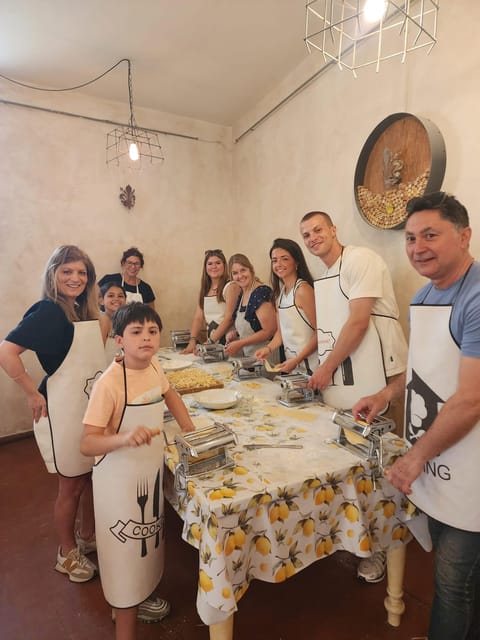
Milan’s best souvenir may be a skill you can use at home. In this three-hour class, you make fresh pasta and tiramisu in a working Italian restaurant, then sit down to eat what you prepared with wine. I especially like the own workstation and the clear lesson on pasta fresca, pasta secca, and flour. The welcome Prosecco also gets the evening off to a friendly start.
I also like that this is more than a quick demonstration. You knead, shape, and prepare the food yourself, with a chef guiding each stage. The main consideration is group size: one session had about 15 to 20 people, so asking detailed questions may take some effort. The recipes follow traditional versions with gluten, dairy, and eggs, even when substitutions are offered.
Key points to know before booking
- Your own pasta station: You prepare the dough and pasta yourself rather than simply watching a chef work.
- Two Italian classics: The class covers fresh pasta and tiramisu, then serves both as part of the finished meal.
- Prosecco, wine, and food included: You receive a welcome glass of Prosecco, fine wine with the meal, fresh pasta, tiramisu, and chef instruction.
- A social Milan evening: The class can include roughly 15 to 20 people, making it a good choice for meeting others.
- Chef-led and English-language: Instruction is in English, with hosts including Mimo and Damiano mentioned by name in recent sessions.
- Traditional recipes first: Substitutions are possible for some dietary needs, but the teaching centers on recipes containing gluten, dairy, and eggs.
Why a Milan cooking class is worth three hours
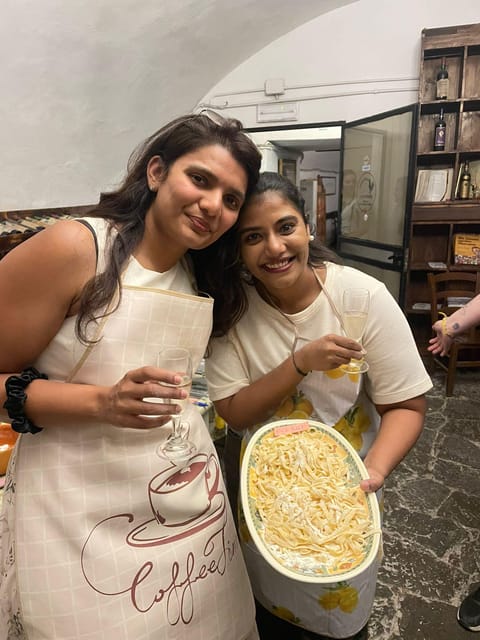
Sightseeing in Milan can become a parade of churches, museums, and grand shopping streets. A cooking class gives you a different way to understand the city. Instead of only looking at Italian food, you handle the flour, make the dough, prepare the dessert, and eat the finished dishes at the same table.
That hands-on part matters. A restaurant meal shows you the result. Here, you see how a few basic ingredients become something worth serving. You also leave with a better sense of why flour choice, dough texture, and timing matter in Italian cooking.
The experience lasts three hours, which is long enough to feel like a real activity without taking up an entire day. It works especially well on an evening when you want a break from sightseeing, or on a rainy afternoon when Milan’s outdoor attractions are less appealing.
The class takes place in a locally loved Milan restaurant. The exact meeting point can change depending on the option you book, so check the details for your chosen session rather than assuming every class begins at the same address.
More Workshops in Milan:
- Gnocchi, Pasta, Tiramisù and Wine Class
★ 5.0 · 691 reviews - Milan: Pasta and Tiramisu Small Group Cooking Class with Wine
★ 5.0 · 660 reviews - Milan: Italian Cooking Class with Food and Wine
★ 4.7 · 509 reviews
Starting with Prosecco and the restaurant kitchen
When you arrive, you step inside the restaurant and receive a welcome glass of Prosecco. That small drink does useful work. It gives you time to settle in, meet the people around you, and move from sightseeing mode into cooking mode.
You also get a look behind the scenes of an authentic Italian restaurant. This is not just a classroom with a few cooking props. The setting connects the lesson to the food served in Milan every day, even if the exact kitchen arrangement varies by session.
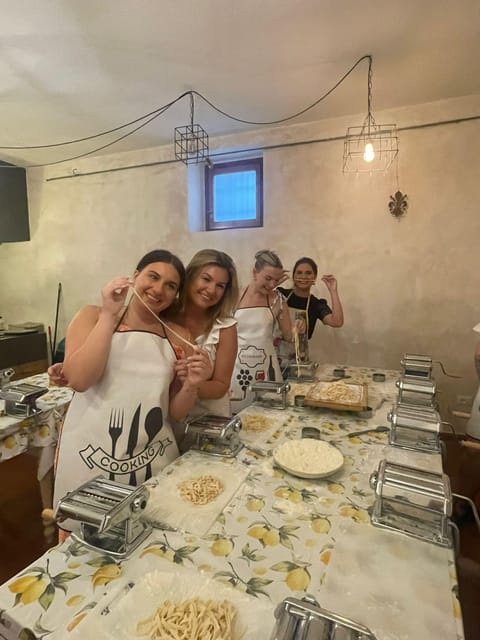
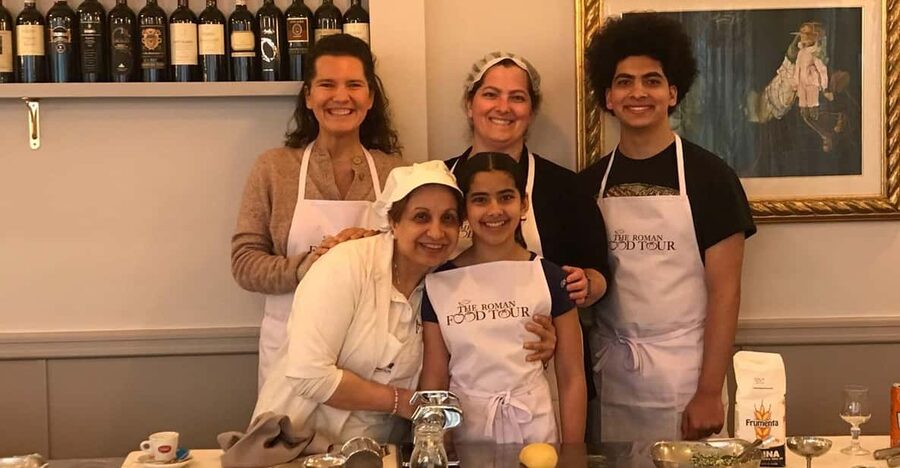
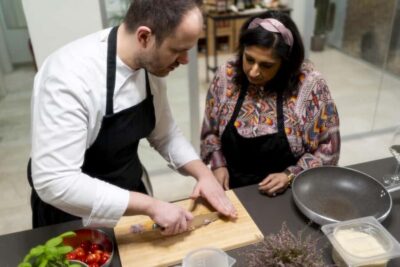
Then comes the apron and your workstation. Having a personal place to prepare the food is one of the strongest parts of the class. You can focus on your own dough instead of trying to share every task with a partner or crowd around a single counter.
The welcome is meant to be social rather than formal. That suits the subject. Italian food is often tied to conversation and long meals, and this class carries that feeling from the first glass of Prosecco.
Making fresh pasta from flour and dough
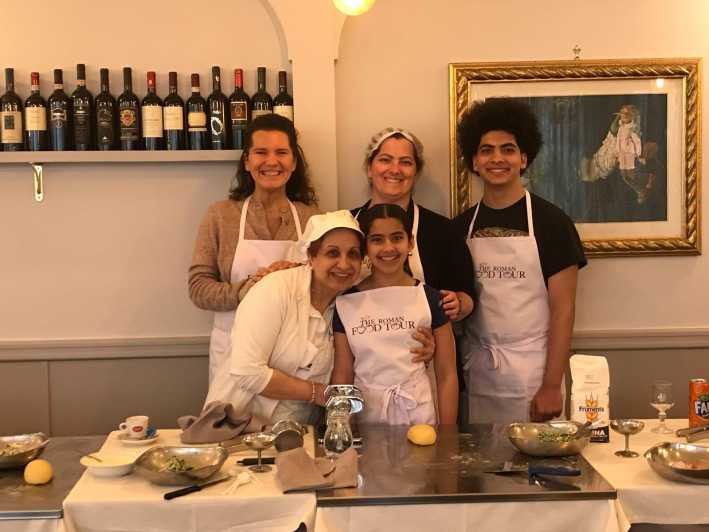
The pasta lesson begins with the basics. You learn which flour to use, how to bring the ingredients together, and what makes a workable dough. For someone who has tried making pasta at home and given up, this is the useful part. The process becomes less mysterious when a chef shows you what the dough should feel like at each stage.
You also learn the difference between pasta fresca and pasta secca. Fresh pasta is made from a soft dough and used soon after preparation. Dried pasta is made and dried for later use. That distinction helps explain why different pasta shapes and sauces work better with different types of pasta.
The class focuses on some of the region’s best-known pasta dishes. The supplied details do not specify every shape or sauce used in every session, so you should expect the exact menu to vary. You will, however, work through the main stages rather than merely receiving a recipe sheet.
A chef gives step-by-step guidance, which is important for beginners. Pasta dough can look too dry one minute and too sticky the next. Small changes in flour and moisture make a difference. The instruction helps you understand what to adjust instead of blindly following a measurement.
At the same time, a group class has limits. With around 15 to 20 people in one session, the chef cannot spend unlimited time at every station. You may need to listen closely and ask questions at the right moment. The tradeoff is a livelier class with more people to meet.
Learning tiramisu before dinner
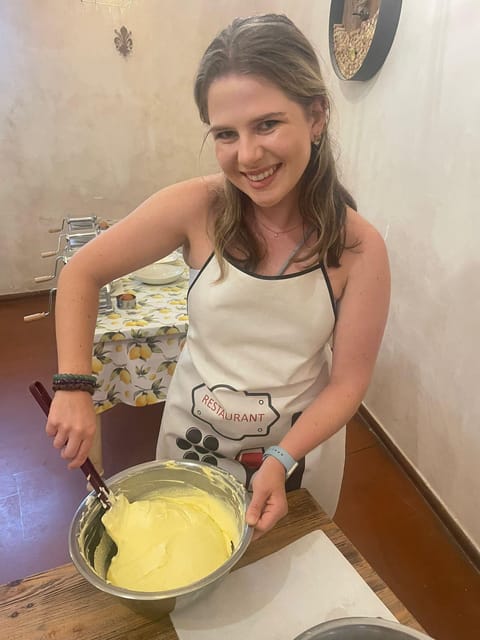
The tiramisu portion gives the class a sweet change of pace. You learn how to prepare one of Italy’s most loved desserts, including the basic method behind its creamy texture and coffee-flavored character.
The order can vary. One participant described making tiramisu first, followed by two types of pasta. That order makes practical sense because the dessert can rest while you work on the pasta. You should not assume every session follows precisely the same sequence, but tiramisu and fresh pasta are the central projects.
This is a good pairing for a cooking class. Pasta teaches you about dough, flour, and texture. Tiramisu shows how a few prepared components come together into a dessert that feels more polished than its ingredients suggest.
You also prepare the tiramisu yourself, rather than simply receiving a portion at the end. That gives you a recipe you can try again at home. The finished dessert is part of the meal, so you get to see how the preparation turns out after the other cooking is complete.
The traditional lesson includes dairy and eggs. Substitutions may be available for some food preferences, but the teaching remains based on the standard recipe. If you have allergies or restrictions, tell the provider when booking, not only after you arrive.
More Wine Tours in Milan:
- Small-Group Barolo Wine Tasting, Alba & UNESCO Piedmont Hills
★ 5.0 · 689 reviews - Milan Urban Winery: Taste & Tour at Cantina Urbana
★ 4.7 · 683 reviews - Milan: Pasta Class with Gelato or Tiramisù & Unlimited Wine
★ 4.9 · 233 reviews - Milan: Pasta, Gnocchi and Tiramisù Cooking Class with Wine
★ 5.0 · 117 reviews
Sitting down to eat the food you made
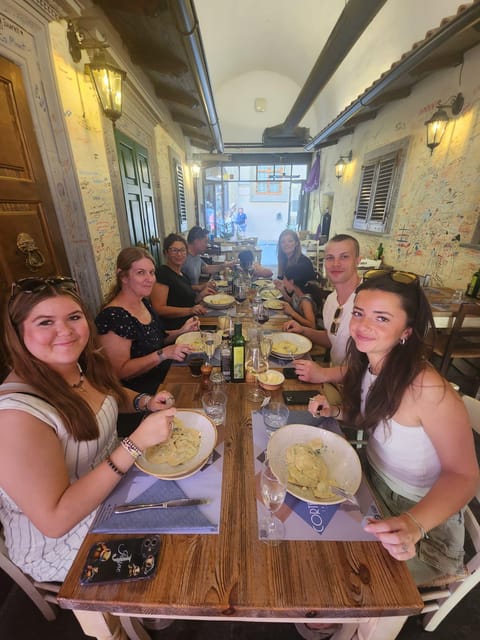
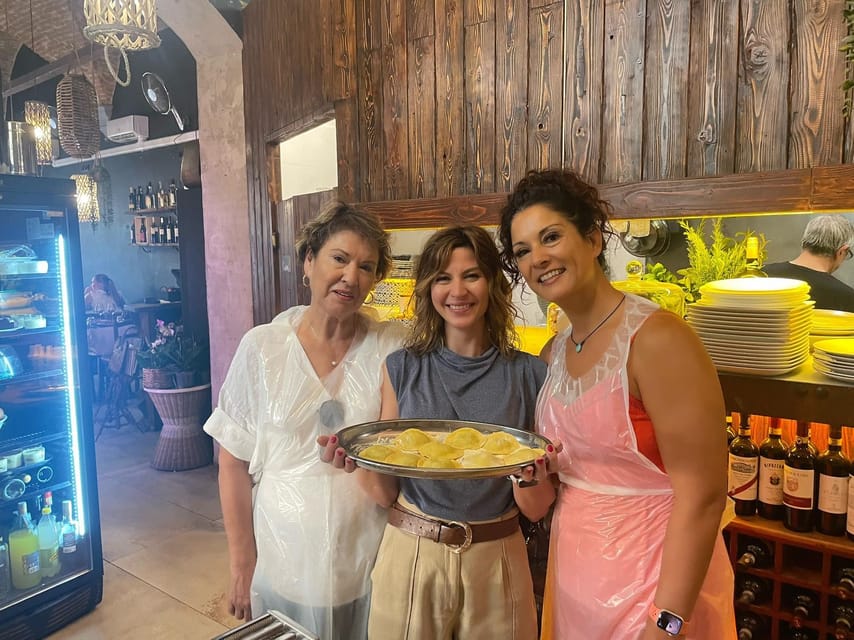
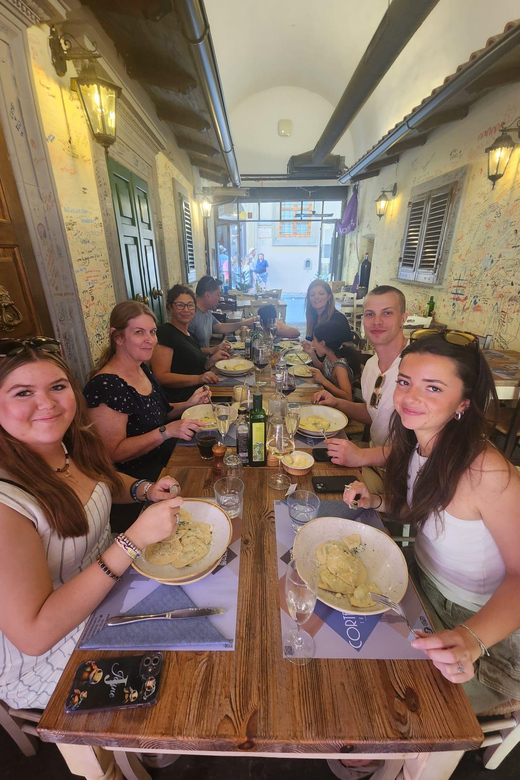
Once the hands-on work is finished, the restaurant staff cooks the pasta and adds the sauces. You then sit down together for lunch or dinner and eat the meal you helped prepare.
This is more satisfying than leaving with uncooked dough or a small tasting portion. The class can produce a generous amount of food. One session included two pasta preparations and tiramisu, and the portion was described as a full meal. Plan accordingly if you have a large dinner booked later.
The sauces received particular praise, and they are an important part of the experience. Fresh pasta by itself is only half the story. The sauce shows how the restaurant turns the class’s work into a finished Italian meal.
Wine is served with the food. The drink adds to the relaxed, shared-table feeling, but you can still focus on the meal and conversation. Fine wine is included in the price, along with the Prosecco, pasta, tiramisu, and chef instruction.
This final meal is where the social side of the class pays off. You have spent the previous hours working beside other people, so sitting down together feels like a natural finish rather than a separate restaurant booking.
The atmosphere and the teaching style
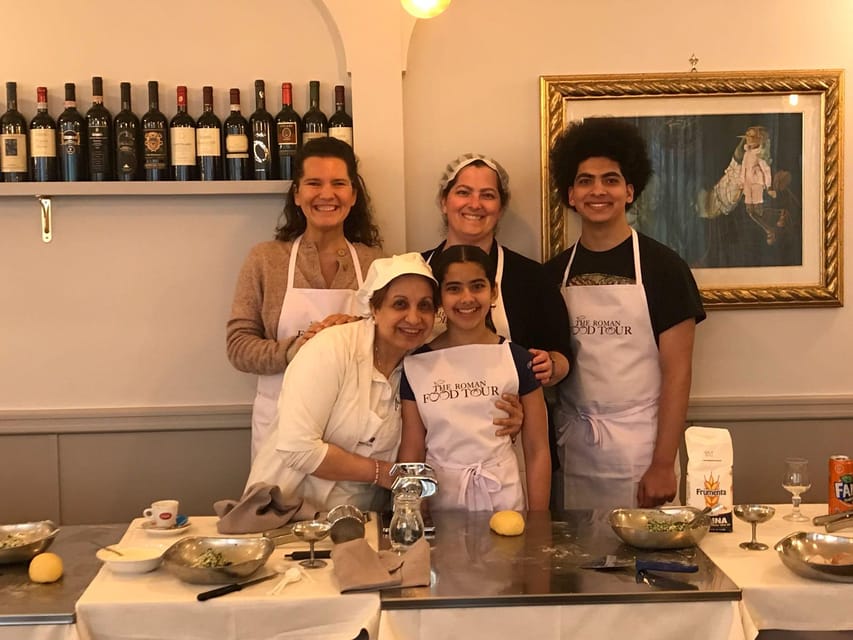
The hosts are a major part of the experience. Mimo is named in several enthusiastic comments, and Damiano is also singled out for bringing high energy to the class. The tone can be lively and playful, not stiff or overly technical.
That atmosphere is useful if you are booking this as a date-night activity, a family outing, or something to do with friends. You do not need to be an experienced cook. The class is built around participation and clear instructions, not culinary exams.
Families can also fit comfortably into the format. One account described it as suitable for adults and children, with each person having a workstation. The formal age restrictions still matter: children under three are not suitable, and babies under one year are not accepted.
The group size deserves honest attention. A class of 15 to 20 people creates a social room and helps keep the price reasonable, but it is not the right format if you want a private lesson. You may get less one-on-one correction than in a small workshop.
I would choose a seat where you can clearly see the chef’s demonstrations and hear the instructions. That is practical advice for any group cooking class, especially when dough texture and hand movements are part of the lesson.
What the $61 price really buys you
At $61 per person, the class offers more than a meal. You receive three hours of instruction, a welcome glass of Prosecco, fresh pasta, tiramisu, and wine with the food. The restaurant setting and social format add value for visitors who want an activity as well as dinner.
The price looks strongest when you count the components together. A Milan restaurant meal with wine can take up much of the cost on its own. Here, you also get chef instruction and the chance to make the dishes. The value is less impressive if you only want to eat and have no interest in cooking.
You should also consider your schedule. Three hours is a meaningful block of time. If you have only one day in Milan and a packed sightseeing plan, the class will replace another major activity. If you have several evenings, it offers a pleasant change from ordering another restaurant meal.
The experience is especially good value for couples, friends, and solo visitors who enjoy social activities. Solo participants can join a group without needing to arrange their own cooking partner. Families with older children can turn dinner into an activity, though young children are excluded by the age rules.
Dietary needs and traditional ingredients
The provider asks you to report allergies and food restrictions when booking. Vegetarian options are available upon request, and substitutions may be offered for some preferences.
The important caution is cross-contamination. The traditional instruction focuses on gluten, dairy, and eggs, and the provider cannot guarantee a completely contamination-free environment. This means the class is not suitable for people with gluten intolerance or lactose intolerance according to the stated restrictions.
The information also lists vegans as not suitable, even though dietary options are described more broadly elsewhere. If you follow a vegan diet, do not assume a plant-based class is available. Ask before booking, but plan on this being a traditional egg-and-dairy-focused lesson.
You will sample the dishes you prepare. That sounds obvious, but it matters if you have a serious allergy or a food preference that limits tasting. Tell the provider exactly what you need before the activity date.
Who should book this Milan experience?
I would recommend it to you if you like food, enjoy meeting people, and want a practical memory of Milan. It is a particularly good fit if you have never made pasta before but want enough instruction to try again at home.
You should also book it if you want an evening with more structure than a restaurant reservation. The class gives you something to do, then rewards you with dinner. Several recent sessions were praised for being fun, welcoming, and full of food.
This may not be the best choice if you want a quiet, private culinary lesson. The group can be fairly large, and the social energy is part of the appeal. It is also a poor fit for strict dietary restrictions, especially gluten, lactose, or vegan diets.
The activity is conducted in English. That makes it accessible to many international visitors, though you still need to follow demonstrations and instructions in a working kitchen.
Booking, cancellation, and timing advice
The class runs for three hours, with starting times available according to the date you choose. The meeting point may differ by booking option, so check your confirmation carefully.
You can reserve now and pay later, which helps if your Milan schedule is still changing. Free cancellation is available up to 24 hours in advance for a full refund. Keep that deadline in mind if your train, flight, or museum plans are uncertain.
I would book this for the first half of your trip if possible. That gives you time to use the pasta and tiramisu ideas later in Italy, or at home after you return. If you prefer a relaxed final evening, it also works well as a last taste of Italian food before departure.
Should you book the pasta and tiramisu class?
Book it if you want a friendly, hands-on Milan activity that combines cooking, dinner, wine, and conversation. The own-station format, generous meal, strong sauces, and upbeat hosts such as Mimo and Damiano give the class real appeal.
Skip it if you dislike group activities, need a fully controlled allergy-free kitchen, or would rather spend three hours visiting another sight. For most food-loving visitors who can manage the traditional ingredients, $61 is a fair price for both the meal and the lesson. Bring curiosity, an appetite, and the willingness to get flour on your hands.
FAQ
How long does the Milan pasta and tiramisu class last?
The class lasts three hours. You spend that time learning to prepare fresh pasta and tiramisu, then eating the finished dishes with wine.
What food will I make?
You will make fresh pasta from scratch and learn to prepare tiramisu. Sessions may include two types of pasta, and the exact pasta dishes or order can vary.
Is wine included?
Yes. You receive a welcome glass of Prosecco when you arrive, and fine wine is served with the meal at the end.
Is the class taught in English?
Yes. The listed language for the instructor is English.
Can I request a vegetarian option?
Yes. Vegetarian options are available upon request. Tell the activity provider about dietary needs when booking.
Is the class suitable for vegans or people with gluten and lactose intolerance?
The stated restrictions list vegans, people with gluten intolerance, and people with lactose intolerance as not suitable. Traditional instruction includes gluten, dairy, and eggs, and substitutions cannot guarantee a completely contamination-free preparation area.
Can I cancel the booking?
Yes. You can cancel up to 24 hours in advance for a full refund. You can also reserve now and pay later to keep your plans flexible.
Newest wine reviews around Milan
- Pizza and Tiramisu Cooking Class with Wine in Milan★ 4.9 · 80 reviews
- Milan Wine Tasting Aperitivo★ 4.4 · 31 reviews
- Milan: Wine Tasting Experience in the City Centre★ 4.5 · 113 reviews
- Milan: Pasta, Gnocchi and Tiramisù Cooking Class with Wine★ 5.0 · 117 reviews
- Milan: Food and Wine Experience★ 4.5 · 30 reviews
- Milan: Pasta Class with Gelato or Tiramisù & Unlimited Wine★ 4.9 · 233 reviews
- Milan: Small Group – Duomo & Rooftop, Wine & Food Tasting★ 5.0 · 27 reviews
- Milan: History & Street Food Tour with Wine Tasting★ 4.9 · 30 reviews
Milan Wine Tours, compared.
Small-Group Barolo Wine Tasting, Alba & UNESCO Piedmont Hills
Read our review →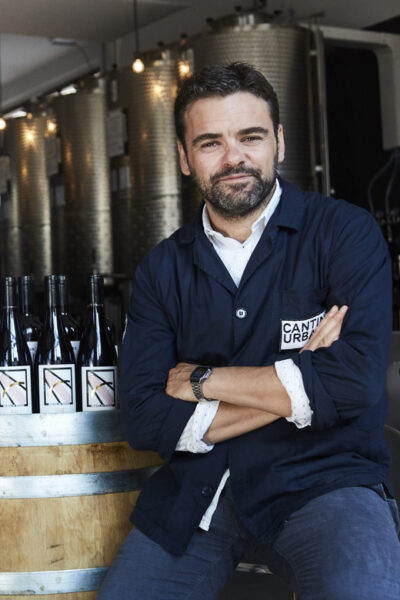
Milan Urban Winery: Taste & Tour at Cantina Urbana
Read our review →
Pasta and Tiramisu Small Group Cooking Class with Wine
Read our review →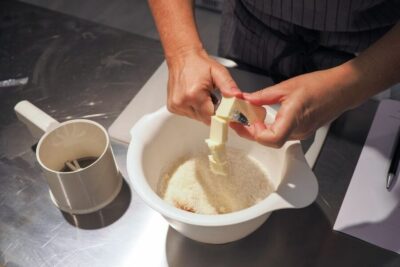
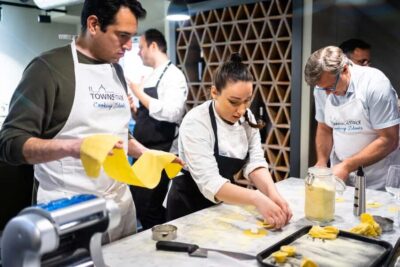
Pasta Class with Gelato or Tiramisù & Unlimited Wine
Read our review →
Pizza and Tiramisu Cooking Class with Wine in Milan
Read our review →Lists this tasting appears in