
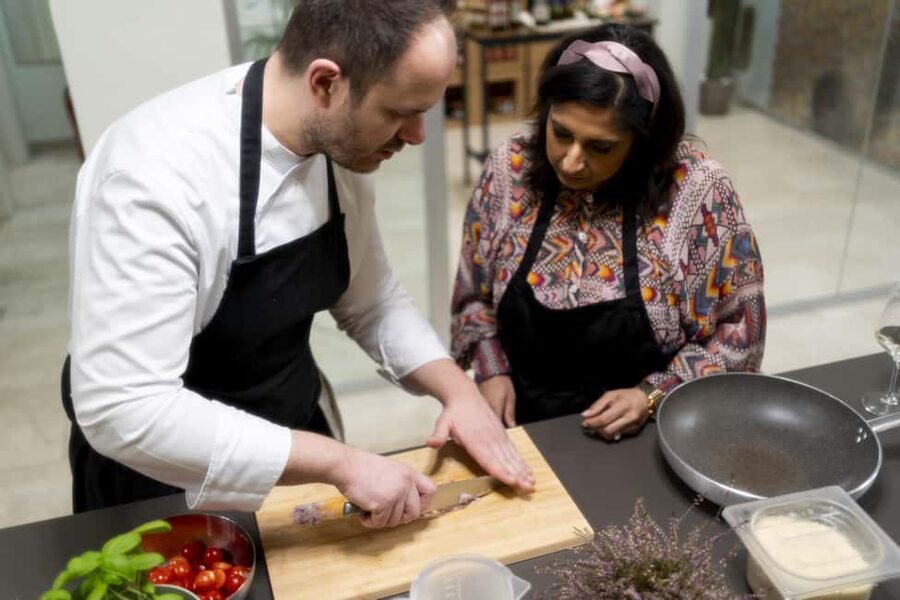
Reviewed · MILAN WINE TOURS
Pizza and Tiramisu Cooking Class with Wine in Milan
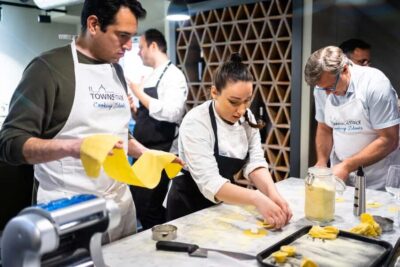
Milan’s best food lesson may be the one that sends you home with a new pizza habit. In two hours, you make tiramisù, mix and shape pizza dough, choose toppings, bake your own dinner, and eat it with Prosecco or Italian red wine. The Michelin-trained chefs, including Francesco, Denisse, and Liù, keep the class practical and hands-on.
I like the small-group format, since you do the work instead of watching a chef perform. I also like the useful focus on technique: kneading, shaping, baking, ingredient quality, and the small mistakes that turn good pizza into great pizza. The main consideration is time. Two hours goes quickly, so this is a lively introduction rather than a slow, detailed culinary course.
Key points
- Make both dishes yourself: Prepare individual tiramisù, then mix, shape, top, and bake your own pizza.
- Learn from Michelin-trained chefs: Francesco, Denisse, and Liù are among the instructors associated with the class.
- Enjoy wine as part of the lesson: Prosecco and Italian red wine are served during the experience.
- Eat a full dinner: Your pizza and tiramisù are not just practice dishes. They become the meal.
- Meet near Porta Venezia: The class is at Via Lodovico Settala 1, about 25 minutes on foot from Milan Cathedral.
- Plan for special diets: Vegetarian and gluten-free options are available when requested in advance.
Why this Milan cooking class works so well
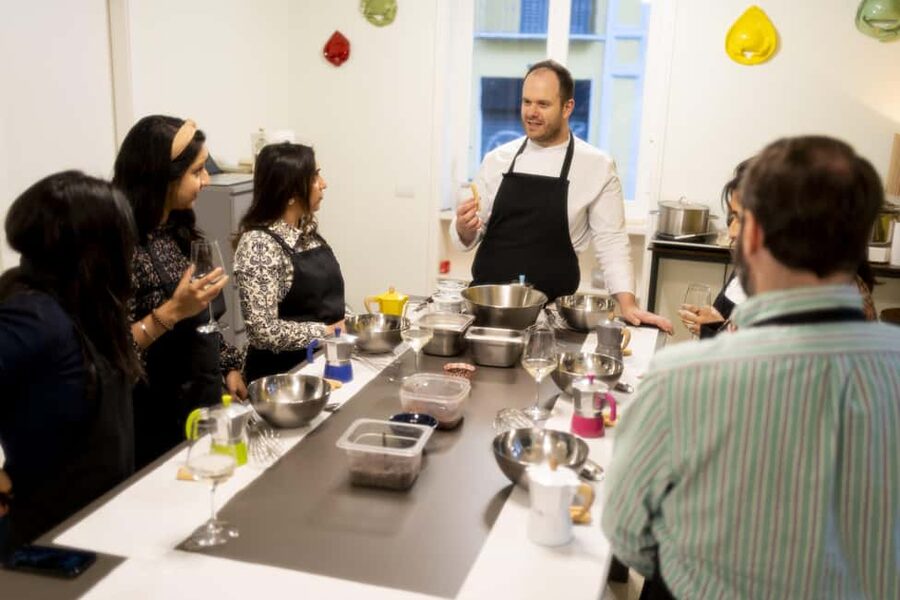
Pizza and tiramisù make a smart pairing. Pizza gives you hands-on work with dough, heat, and timing. Tiramisù offers a calmer start, with cream, coffee-soaked biscuits, and careful assembly. You get two very different Italian kitchen skills in one compact session.
I also like the social shape of the class. You cook beside other people, share wine, and sit down together at the end. It has the feel of a relaxed dinner with a lesson built in, rather than a formal demonstration where you spend most of the time holding a camera.
The class is taught in English, which matters when the lesson depends on small details. You need to understand how the dough should feel, how much topping is too much, and what the chef means when explaining texture or timing. Past instructors have included Francesco, Denisse, and Liù, and the teaching style is consistently described as patient, clear, friendly, and attentive.
The small-group setting is another real advantage. The exact group size is not stated, but the class is described as small, and the hands-on format means you should have room to prepare your own food. That is a better setup for learning than standing at the back of a large room.
More Workshops in Milan:
- Milan: Pasta and Tiramisu Cooking Class with Wine
★ 4.8 · 1,106 reviews - Gnocchi, Pasta, Tiramisù and Wine Class
★ 5.0 · 691 reviews - Milan: Pasta and Tiramisu Small Group Cooking Class with Wine
★ 5.0 · 660 reviews
Starting with tiramisù before the pizza
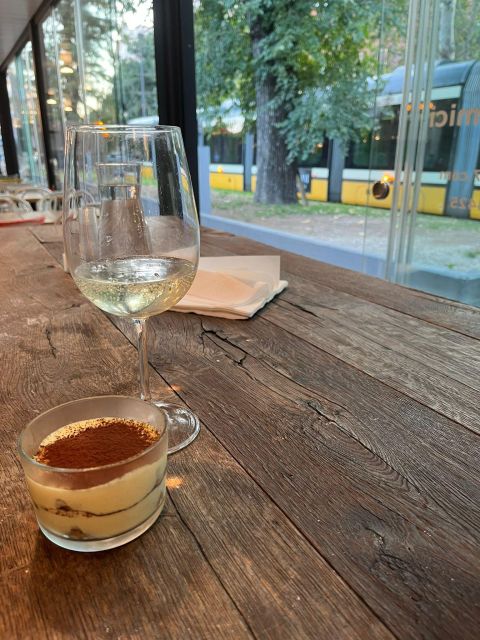
The class begins with tiramisù. This is a sensible order because the dessert needs time to rest in the refrigerator while you work on the pizza.
You prepare the cream, assemble your individual portion, and place it to chill. The process is simple enough for beginners, but it still gives the chef a chance to explain the balance between the cream and the coffee-soaked biscuits. You are not just spooning dessert into a dish. You are learning how the parts fit together and why texture matters.
The tiramisù also breaks the class into manageable stages. You finish one dish early, then move on to a more physical task. By the time the pizza is ready, the dessert has had time to set, and you can eat both near the end of the session.
This part should suit families particularly well. Children and teenagers can take part in assembling their dessert without needing advanced cooking skills. Adults who already cook will still find value in the chef’s small tips about ingredients and proportions.
One limitation is that the tiramisù portion is assembled rather than baked. If your main interest is pastry, this will not feel like a full dessert workshop. It is best understood as a practical introduction to one of Italy’s most famous sweets, paired with the main pizza lesson.
Turning flour into Neapolitan pizza
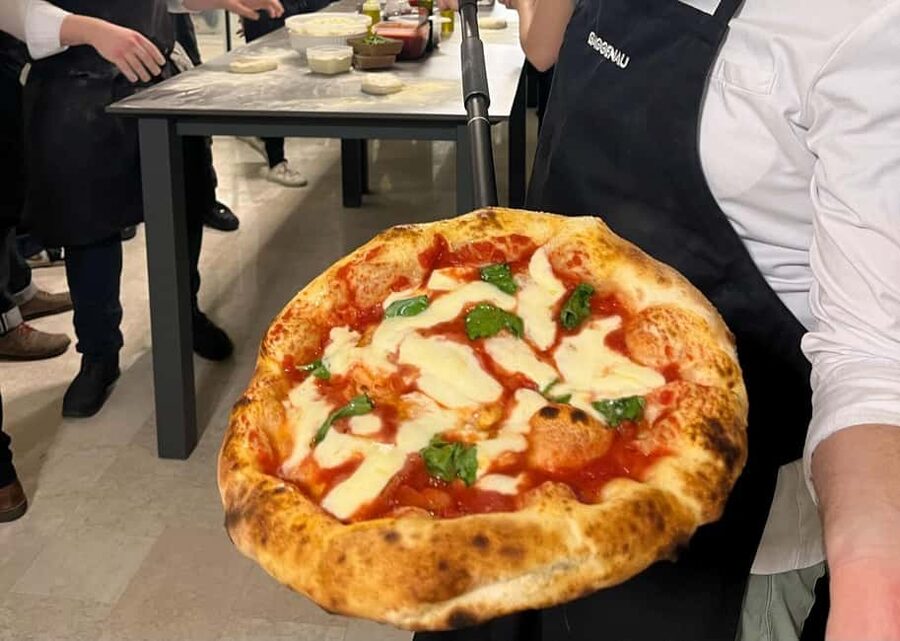
Pizza is the heart of the experience. You begin with dough from scratch, then knead it and learn how it should look and feel. This is where a good instructor makes a difference. Written recipes can list quantities, but they do not easily tell you when dough feels too dry, too sticky, or properly elastic.
The chef guides you through the process and explains the reasons behind each step. You learn how to shape the dough without treating it roughly, how to spread the base, and how to add toppings without weighing down the center.
The class focuses on authentic Neapolitan pizza. That does not mean you simply receive a ball of dough and add toppings. You work through the stages yourself, from flour to finished pizza, with advice on technique and common mistakes.
The baking stage is especially useful. Pizza can look ready before the base has the right texture, and a heavy load of toppings can create a soggy center. The chef shows you how to judge the result and bake your pizza properly. One helpful detail from the class format is that the pizzas may go into the oven in batches, so the order of baking can affect when you eat. You should still have time to enjoy your own pizza during the session.
The most valuable lesson is the one you can repeat at home. Several people have left feeling able to make better pizza in their own kitchens, and one Italian participant rated the finished pizza among the best they had tasted. That is a strong sign that the instruction is not only entertaining. It gives you techniques you can use again.
Do not expect to master every part of Neapolitan pizza in one afternoon. Dough can take practice, especially when working without the same oven or ingredients used in class. But you should leave with a clearer idea of what to aim for and what errors to avoid.
Wine, dinner, and the social side
Prosecco and Italian red wine are served during the class. The wine is not an optional extra added after the cooking. It forms part of the relaxed rhythm of the experience, giving you something to enjoy while the dough rests, the pizza bakes, or the tiramisù chills.
You do not need to be a wine expert. The format is a guided tasting rather than a serious wine course. You can sample sparkling and red wine alongside the food, while the chef keeps the attention on cooking and conversation.
If you do not drink alcohol, the food remains the main attraction. One group included a person who did not drink wine, while others enjoyed the quality of the wine. The class description does not specify a nonalcoholic alternative, so ask ahead if that matters to you.
At the end, you sit down and eat what you have made. This is important for the value of the class. You are not paying only for an hour of instruction and a recipe card. You receive a pizza dinner, tiramisù, wine tasting, and a shared meal in one experience.
The portions are substantial enough to count as dinner. One participant was surprised by how filling the pizza was. Still, appetites vary, and the class should be booked for the experience as much as for the meal.
More Wine Tours in Milan:
- Small-Group Barolo Wine Tasting, Alba & UNESCO Piedmont Hills
★ 5.0 · 689 reviews - Milan Urban Winery: Taste & Tour at Cantina Urbana
★ 4.7 · 683 reviews - Milan: Italian Cooking Class with Food and Wine
★ 4.7 · 509 reviews - Milan: Pasta Class with Gelato or Tiramisù & Unlimited Wine
★ 4.9 · 233 reviews
The chefs and teaching style
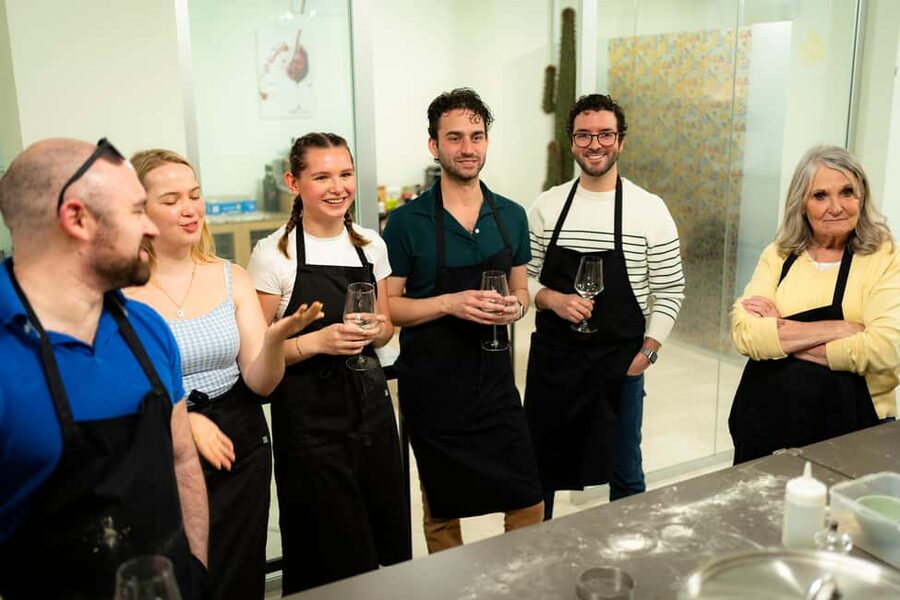
The class is led by a professional chef with Michelin restaurant experience. The supplied information names Francesco, Denisse, and Liù among the instructors connected with the experience, so the exact chef may depend on the date.
Francesco is described as patient, funny, attentive, and easy to understand in English. He has worked in different countries and in a Michelin restaurant, and his teaching covers more than a basic recipe. You learn why a step matters, how to spot problems, and how to improve the final texture.
Denisse is also described as warm, informative, and kind. Liù has been praised for giving personal attention, answering questions, and sharing practical tips. The common thread is a teaching style aimed at beginners, not a display of chef theatrics.
That makes the class a good fit if you want to ask questions. You can clarify a technique as you work instead of trying to remember everything from a fast demonstration.
Because the instructor can change, do not book expecting a particular chef unless your confirmation specifically names one. The teaching background and English-language format are the reliable parts. The individual personality may vary.
Location near Porta Venezia
The meeting point is Via Lodovico Settala 1. At the address, ring number 18. The nearest Metro stops are Porta Venezia and Repubblica.
From Milan Cathedral, the class is about 2 kilometers away, or roughly 25 minutes on foot. That makes it possible to pair with central Milan sightseeing, but allow enough time to arrive without rushing. Walking from the Duomo can work well if you want to see more of the city, while the Metro is the simpler choice if your legs are tired or the weather is poor.
The location is not beside the cathedral, so check your route before leaving. Arriving late could mean missing the early tiramisù preparation or the first pizza steps. Since the class lasts only two hours, every stage matters.
The meeting instructions are specific, but the entry requires ringing at number 18. Keep that detail handy rather than assuming the kitchen will look like a street-front restaurant.
Price and what you get for $77
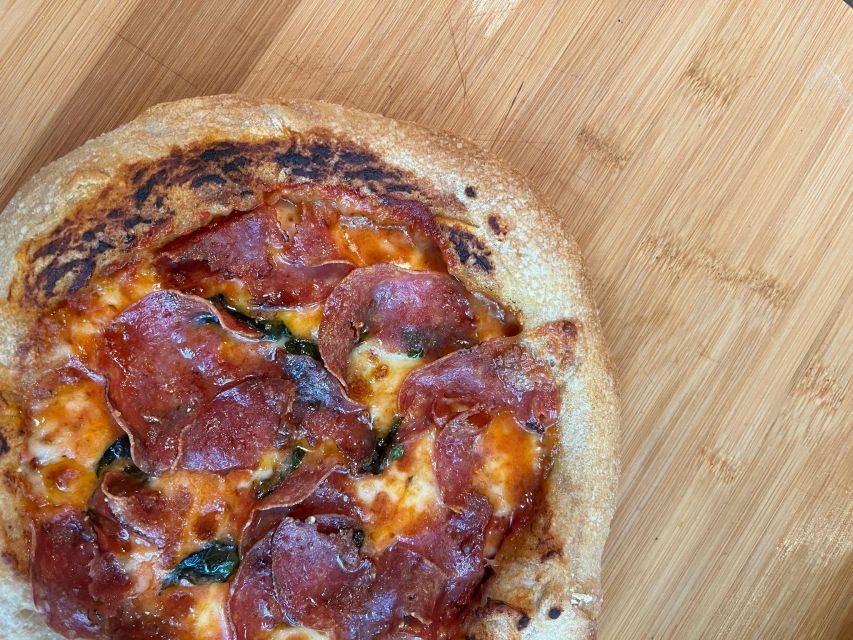
At $77 per person, this is not the cheapest meal in Milan. You can buy pizza and dessert for less, especially if your only goal is to eat.
The value improves when you count everything included: a professional cooking lesson, your own pizza, tiramisù, Prosecco, Italian red wine, and a small-group dinner. You also take home skills that can be used again, even though the class does not mention a printed recipe or follow-up material as a standard inclusion. One past participant did receive recipes from Liù, but you should not assume that is guaranteed.
I consider the price fair for couples, families, and small groups who want an activity rather than another restaurant meal. It is especially worthwhile if you enjoy cooking or want a food experience that gives you a story to remember.
For a family, the cost adds up quickly, so consider how much each person will participate. The class is most valuable when everyone kneads, shapes, assembles, and tastes. If someone in your group does not want to cook, a regular pizzeria may offer better value.
Who should book this experience
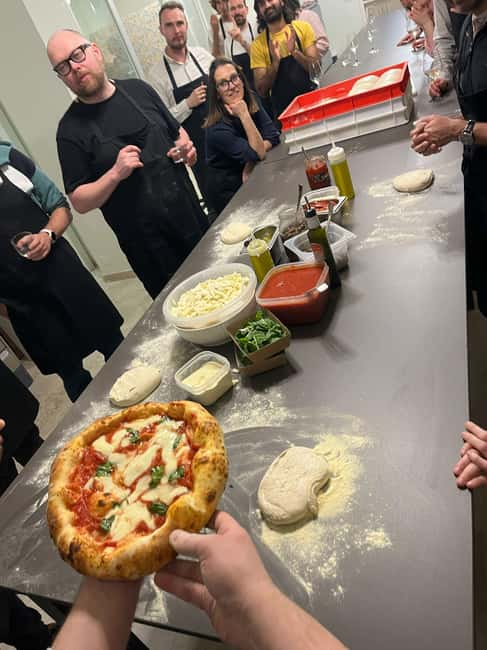
I would choose this class for couples who want a relaxed evening activity, parents looking for a practical activity with a teenager, and friends who enjoy eating together.
It also suits first-time cooks. The chefs explain the steps clearly, and the work is divided into simple tasks. You do not need to arrive with pizza-making experience.
Food lovers with more kitchen experience can still enjoy it, especially if they want to improve dough technique. The class gives you a chance to compare your habits with a professional chef’s method.
Vegetarians can request an appropriate option, and gluten-free choices are available on request. Ask before booking rather than waiting until you arrive, since the dough and ingredients need planning.
I would be less likely to recommend it to someone seeking a long, technical workshop. Two hours is enough for a satisfying meal and a useful introduction, but not enough for a full study of fermentation, oven science, or regional Italian baking.
Practical details before you book
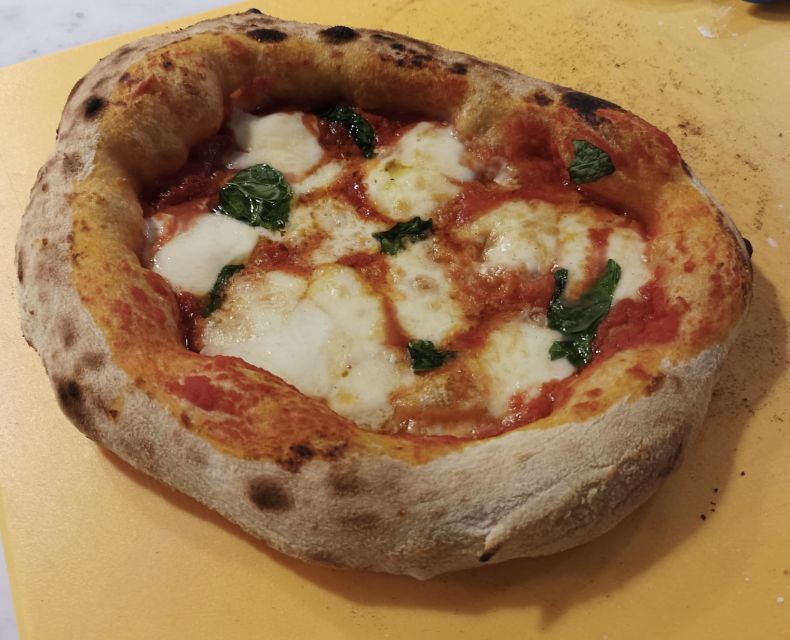
The experience lasts two hours, with starting times based on availability. The instructor speaks English.
You can cancel up to 24 hours before the activity for a full refund, and the reserve-now, pay-later option lets you hold a place without paying at the time of booking. These policies are useful if your Milan schedule is still changing.
Wear something comfortable for kitchen work. The provided information does not list a dress code, but flour, sauce, and coffee are easier to manage in practical clothing than in your best evening outfit.
Tell the provider about dietary needs when you reserve. Vegetarian and gluten-free options are available on request, but the class details do not specify how cross-contact is handled, so people with serious allergies should ask directly.
Should you book the pizza and tiramisù class?
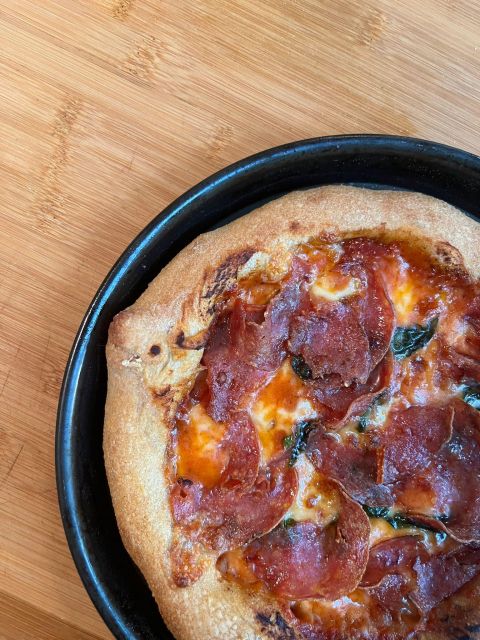
Yes, if you want to cook, eat, and meet people in one compact Milan experience. The strongest reasons to book are the hands-on work, the clear English instruction, the Michelin-trained chef, and the fact that you eat a complete meal you made yourself.
I especially like that the class teaches repeatable skills rather than only staging a food demonstration. You will not become a Neapolitan pizzaiolo in two hours, but you can leave knowing more about dough, toppings, baking, and tiramisù assembly than when you arrived.
Skip it if you want a quiet restaurant dinner, a serious wine seminar, or a slow multi-course cooking course. For everyone else, $77 buys a sociable evening, a full stomach, and a useful souvenir that fits in your memory instead of your suitcase.
FAQ
How long does the pizza and tiramisù class last?
The class lasts two hours.
Where does the class meet?
It meets at Via Lodovico Settala n. 1 in Milan. Ring at number 18 when you arrive.
How do I reach the meeting point?
The nearest Metro stops are Porta Venezia and Repubblica. From Milan Cathedral, the meeting point is about 2 kilometers away, or around 25 minutes on foot.
Is the class taught in English?
Yes. The instructor language is English.
What food will I make?
You will prepare tiramisù and make pizza dough from scratch. You will shape, top, and bake your pizza, then eat both dishes.
Are wine and dinner included?
Yes. The experience includes pizza, tiramisù, a wine tasting with Prosecco and Italian red wine, and dinner with the food you make.
Are vegetarian and gluten-free options available?
Yes. Vegetarian and gluten-free options are available on request. Let the provider know when you book.
Can I cancel the booking?
You can cancel up to 24 hours in advance for a full refund. The activity also offers reserve now and pay later.
Newest wine reviews around Milan
- Milan Wine Tasting Aperitivo★ 4.4 · 31 reviews
- Milan: Wine Tasting Experience in the City Centre★ 4.5 · 113 reviews
- Milan: Pasta, Gnocchi and Tiramisù Cooking Class with Wine★ 5.0 · 117 reviews
- Milan: Food and Wine Experience★ 4.5 · 30 reviews
- Milan: Pasta Class with Gelato or Tiramisù & Unlimited Wine★ 4.9 · 233 reviews
- Milan: Small Group – Duomo & Rooftop, Wine & Food Tasting★ 5.0 · 27 reviews
- Milan: History & Street Food Tour with Wine Tasting★ 4.9 · 30 reviews
- From Milan: Barolo Wine Tasting, Alba Tour and Castle Visit★ 4.9 · 44 reviews
Milan Wine Tours, compared.
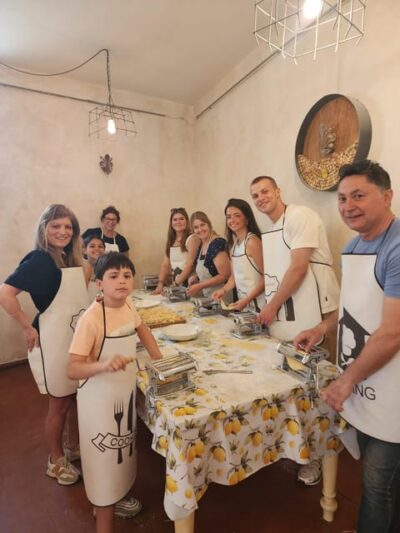
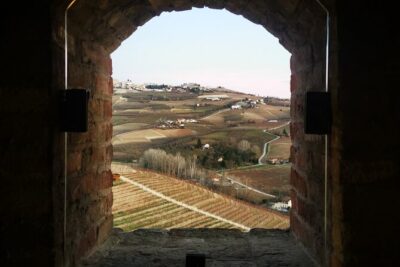
Small-Group Barolo Wine Tasting, Alba & UNESCO Piedmont Hills
Read our review →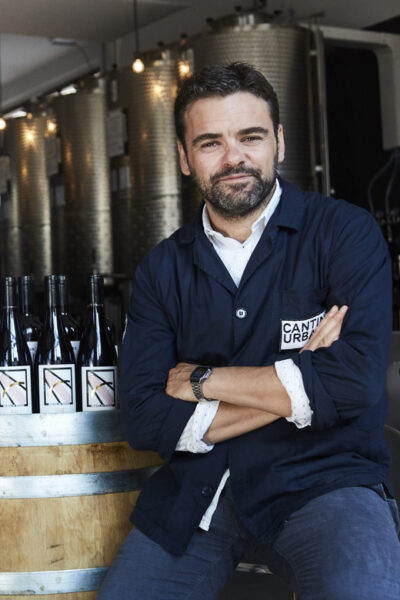
Milan Urban Winery: Taste & Tour at Cantina Urbana
Read our review →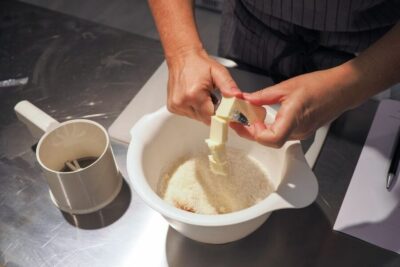
Pasta Class with Gelato or Tiramisù & Unlimited Wine
Read our review →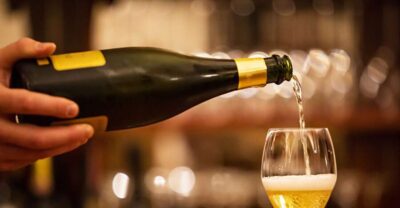
Barolo Wine Tasting, Alba Tour and Castle Visit
Read our review →Lists this tasting appears in