
Reviewed · MILAN WINE TOURS
Milan: Pasta and Tiramisu Small Group Cooking Class with Wine
The best part of this Milan cooking class is that you do more than eat Italian food. You make it. With a glass of Prosecco in hand, you’ll learn pasta dough, roll and cut fresh noodles, prepare ricotta and spinach ravioli, and finish with tiramisu. Francesco, Mimmo, Alba, and Federico are among the chefs who have led sessions, each bringing a friendly, hands-on style.
I like the small group limit of 12, which gives you room to work and ask questions. I also like the useful kitchen lessons, especially the explanation of flour and the difference between fresh pasta and dried pasta. The main thing to consider is that the restaurant also serves regular diners, so the cooking and meal service can sometimes move slowly, and one report says the finished pasta may be combined rather than served as each person’s own portion.
Key points before you book
- You make two Italian staples: fresh pasta and tiramisu, with step-by-step guidance.
- The menu is substantial: fettuccine with tomato sauce, ricotta and spinach ravioli with butter and sage, tiramisu, wine, Prosecco, and soft drinks.
- The class is capped at 12 people: a good size for meeting others without losing the hands-on part.
- The setting is central Milan: the restaurant is near public transportation and convenient for combining with sightseeing.
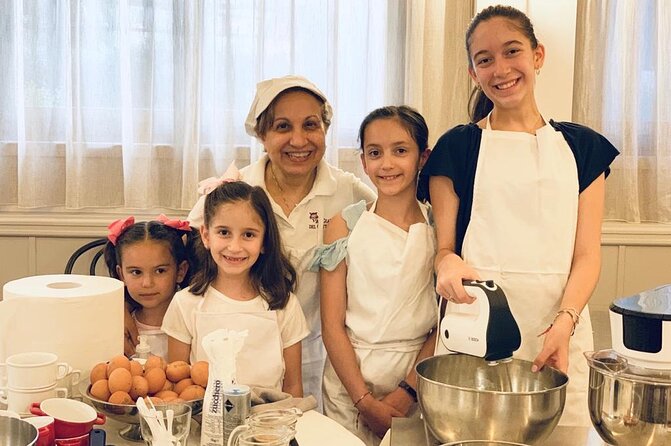
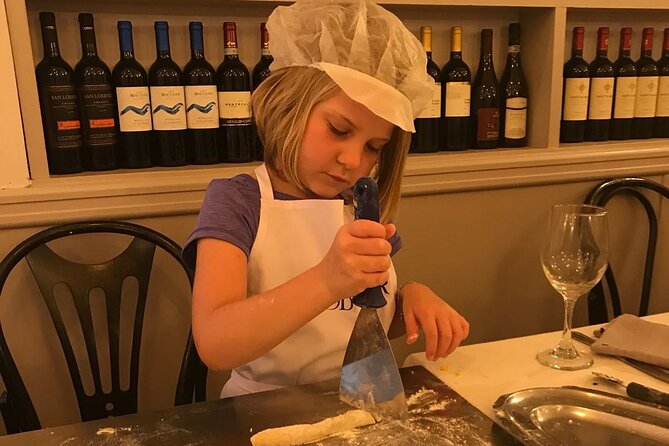
- Children can take part: a 12-year-old and younger children have successfully joined family sessions.
- The class lasts about three hours: enough time for cooking, eating, and conversation without taking a full day.
Starting with Prosecco in central Milan
You begin by entering a restaurant in central Milan, receiving a welcome glass of Prosecco, and getting settled at your workstation. The opening is not simply a quick greeting. You are shown something of how an Italian restaurant operates before moving into the kitchen work.
That restaurant setting matters. You are not standing in a hotel conference room with industrial equipment and no sense of place. You are learning in a working food business, with the meal served in the same place where the class takes place. The trade-off is that a working restaurant can have competing demands, especially at busy times.
The location is practical for a city visit. It is near public transportation, and one session was held at a restaurant near the Navigli canals. Since the exact restaurant arrangement can vary, check the meeting details carefully before setting out. The venue is described as easy to find, but allow extra time if you are driving, since traffic and parking have caused delays for some people.
The small-group format is one of the strongest reasons to choose this activity. A maximum of 12 people means you are likely to share a table and cooking space with enough room to participate. It also creates an easy social setting for solo visitors, couples, and families.
More Workshops in Milan:
- Milan: Pasta and Tiramisu Cooking Class with Wine
★ 4.8 · 1,106 reviews - Gnocchi, Pasta, Tiramisù and Wine Class
★ 5.0 · 691 reviews - Milan: Italian Cooking Class with Food and Wine
★ 4.7 · 509 reviews
Making pasta dough from flour to noodles
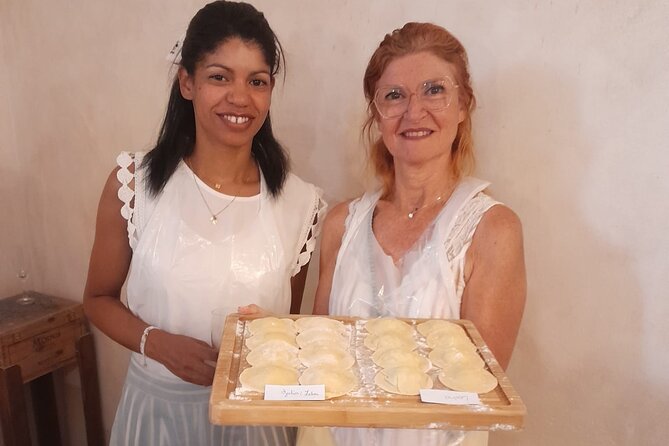
The pasta lesson begins with the basics: which flour to use, how pasta fresca differs from pasta secca, and how to prepare the dough. You are not simply watching a chef prepare a bowl while you take photographs. Each participant makes dough, rolls it out, and cuts it into noodles.
That hands-on work is where the class earns its keep. Fresh pasta looks simple, but the texture depends on the flour, the dough’s consistency, and the way you roll it. The chef gives direct help as you work, which is especially useful if your dough feels too dry, too soft, or difficult to shape.
You’ll prepare fettuccine and ricotta and spinach ravioli. The ravioli adds a little more interest than a basic noodle lesson because you work with a filling and learn how the pasta comes together around it. The class also explains the difference between fresh and dried pasta, a small lesson that helps you understand why Italian shops and restaurants use different shapes and textures.
The teaching style can vary with the chef leading your session. Francesco is described as lively, funny, and clear, while Mimmo and Memmo are noted for patience and practical help. Alba has led demonstrations of both pasta and tiramisu techniques, and Federico has offered advice on flour and dough. Names and teaching styles may differ by date, but the common thread is direct instruction rather than a formal lecture.
One point deserves a little caution. You may not personally cook the pasta in boiling water. The kitchen prepares it for the meal, and one less-positive account says the pasta was combined from the whole group rather than served as separate portions from each person’s work. If your main goal is to eat exactly the noodles you shaped, ask about the serving process at the start.
Fettuccine, ravioli, and the sauces at the table
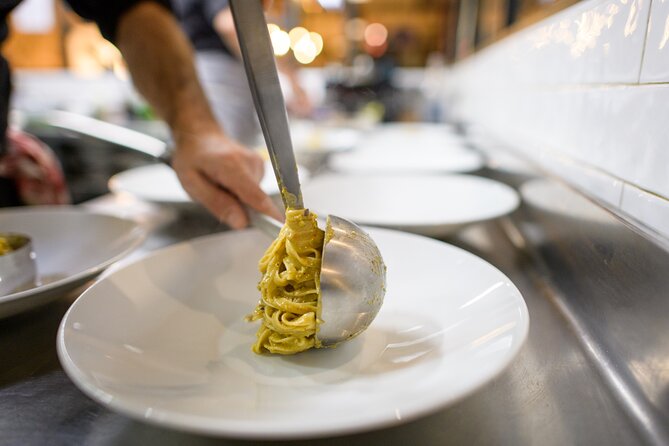
Once the pasta has been shaped, the kitchen cooks it and serves the meal. The listed menu includes fettuccine with tomato sauce and ricotta and spinach ravioli with butter and sage. You can also encounter sauce choices such as amatriciana, which paired well with red wine during one session.
This part of the experience is less about advanced cooking technique and more about seeing how fresh pasta becomes a complete meal. The chef may handle the boiling and final saucing while you concentrate on the dough and shaping. That arrangement keeps the class manageable in a restaurant, though it also explains why the experience is partly a cooking lesson and partly a group meal.
The meal is served at the table with wine, soft drinks, and the food you have prepared as a group. Prosecco appears at the beginning, and wine accompanies the final meal. White wine, red wine, and non-alcoholic beverages are included, so you are not required to drink alcohol.
I like this format for a first cooking class in Italy. You get enough time to work with the ingredients, then you sit down and enjoy a proper meal without having to manage every pan and pot yourself. If you want a serious chef-training session with complete control over the cooking, this may feel too light.
The food itself has received plenty of praise, but expectations should stay sensible. This is a group activity in a restaurant, not a private tasting menu. The strongest part is the combination of making the pasta, learning the technique, and then eating in a relaxed setting.
Tiramisu without the fuss
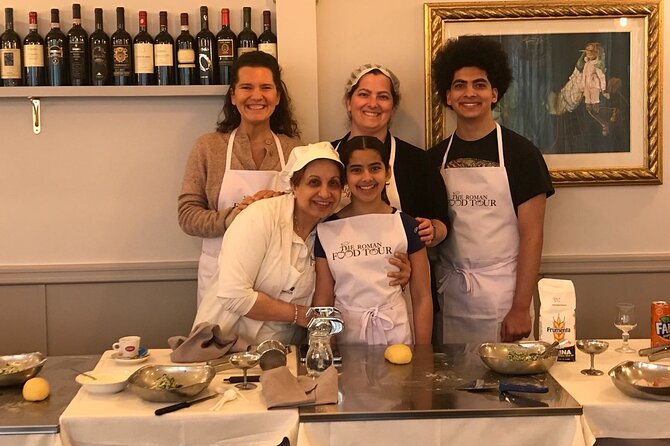
After the pasta work, you learn to prepare tiramisu. The class treats it as a second practical lesson, not just a dessert placed on the table. You work with the mascarpone filling and assemble the dish under the chef’s direction.
Tiramisu is an excellent choice for a short cooking class because the method is approachable and easy to repeat at home. You leave with a better idea of how the filling should come together and how the layers are built. The lesson is also family-friendly. Children have been able to take part in preparing both the pasta and dessert.
There is a nice bit of honesty in the process: you may find the mascarpone mixture hard to resist before the dessert is finished. One couple admitted to eating so much of the filling that there was not quite enough left for the top. That is not a serious culinary problem, but it captures the relaxed nature of the class.
The finished tiramisu is served as part of the meal. It is a sweet reward after the pasta work, and it gives you a second recipe to take home. If you are choosing between a class focused only on pasta and one that includes dessert, the added tiramisu lesson makes this a fuller three-hour activity.
More Wine Tours in Milan:
- Small-Group Barolo Wine Tasting, Alba & UNESCO Piedmont Hills
★ 5.0 · 689 reviews - Milan Urban Winery: Taste & Tour at Cantina Urbana
★ 4.7 · 683 reviews - Milan: Pasta Class with Gelato or Tiramisù & Unlimited Wine
★ 4.9 · 233 reviews - Milan: Pasta, Gnocchi and Tiramisù Cooking Class with Wine
★ 5.0 · 117 reviews
A social meal with wine and new faces
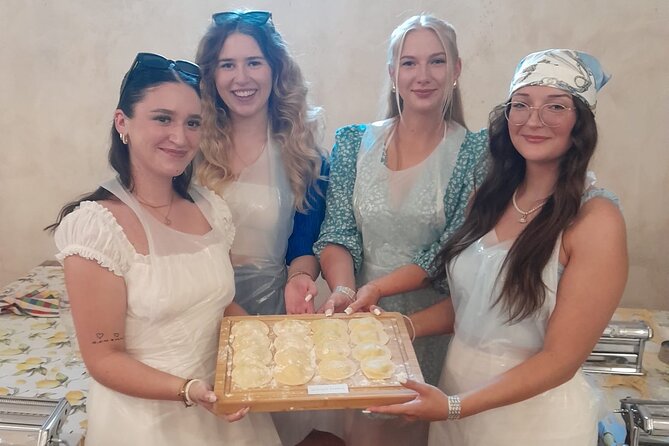
The final meal is designed to bring the group together. You sit down with the other participants, eat the pasta and tiramisu, and continue with wine, soft drinks, and conversation. This makes the class a good choice if you are traveling alone or want an evening activity that does not feel like another restaurant reservation.
The small size helps. People may need a little time to get comfortable, especially at the beginning, but shared work at the counter gives everyone an easy subject to discuss. The tone is informal, with chefs helping, joking, and moving around the group.
Families also fit well here. Children as young as five have taken part in a family session, and a 12-year-old was able to handle the work independently. You should still expect a few practical tasks that require attention, including handling dough and following instructions around food preparation.
Couples can enjoy it as a date-style activity, but it is not an intimate private lesson. You will share the space and meal with other people. Solo visitors may get the most social value from the format, since the cooking gives you a natural way to meet the rest of the group.
What the three-hour schedule feels like
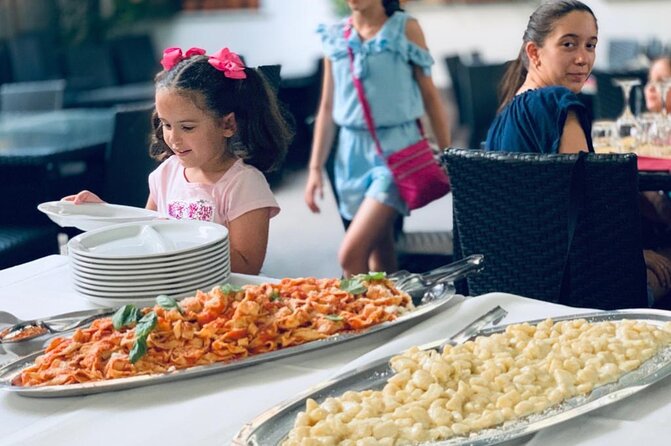
The class takes about three hours from the welcome to the last course. That is long enough for the dough lesson, pasta shaping, tiramisu preparation, meal service, and wine without requiring you to give up an entire day in Milan.
The pace may not be perfectly even. Cooking instruction can take longer than expected, and the restaurant’s regular service can add delays. One person found the explanations too long and the final service too slow. That criticism is worth keeping in mind if you have a train, theater booking, or timed museum entry soon afterward.
On the other hand, many sessions have started and finished on schedule. The safest plan is to leave a generous buffer after the class. You will enjoy the meal more if you are not watching the clock.
Lunch and dinner versions are available according to the booking time. Lunch can work well between morning sightseeing and an afternoon visit, while dinner gives the class the feel of a relaxed evening out. In either case, remember that the activity is about three hours, not a quick pasta demonstration.
Is $83.44 a fair price?
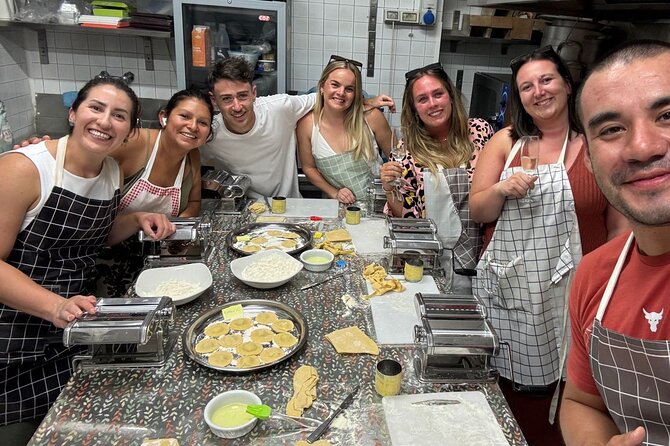
At $83.44 per person, this is not the cheapest meal in Milan. It can still offer fair value if you want instruction, food, drinks, and a social activity in one booking.
You are paying for more than the final plate of pasta. The price includes the cooking lesson, fresh pasta and tiramisu, Prosecco, wine, and soft drinks. It also covers the convenience of a central restaurant and a small group capped at 12 people.
The value is strongest if you plan to use what you learn at home. The flour lesson, dough guidance, pasta shapes, and tiramisu method are practical enough to repeat. If you mainly want a low-cost dinner, you can eat for less elsewhere. If you want a meal plus a hands-on activity, the price makes more sense.
The class is also a useful option when the weather is poor. Milan sightseeing can be tiring or chilly in winter, and a warm indoor activity gives you a break while still connecting with local food. It is not a substitute for seeing the city, but it adds something a museum or standard restaurant meal cannot.
Who should choose this class?
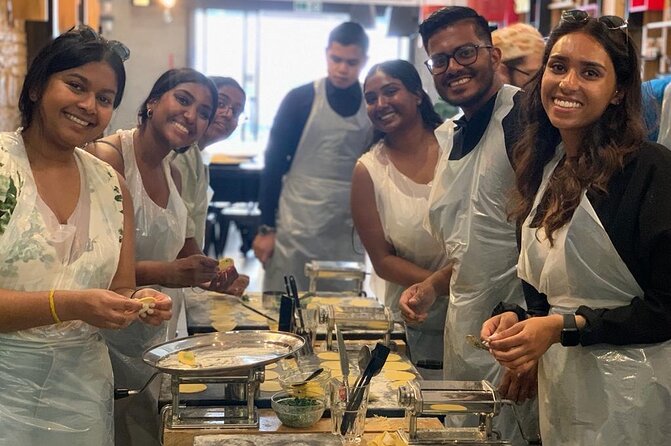
I would point families toward this experience first. Children can take part in the actual work, and the meal gives everyone a clear reward at the end. It is more engaging than asking younger children to sit through a long food tour.
Couples should choose it if they enjoy doing things together rather than simply being served. You will get flour on your hands, share a table, and spend time with other people, so it suits a relaxed and social evening better than a private romantic dinner.
Solo visitors should find the group format welcoming. The class gives you a built-in activity and conversation, with a maximum of 12 people rather than a large crowd.
It also suits home cooks who want a few reliable Italian techniques. You will not leave as a professional pasta maker, but you will understand more about flour, fresh dough, ravioli, sauces, and tiramisu.
I would be less enthusiastic for anyone seeking a highly polished, tightly timed culinary workshop. The restaurant setting can bring delays, and you may not cook the pasta through its final boiling and saucing yourself.
Practical details worth knowing
Your confirmation arrives at booking, and the experience is offered in English. The meeting point is near public transportation, and the central location makes it fairly easy to add before or after other Milan plans.
Tips are not included. Bring a willingness to work with your hands, and avoid scheduling an important appointment immediately afterward.
The experience is free to cancel up to 24 hours before the start time for a full refund. Cancellations or changes made less than 24 hours before the start are not refunded or accepted, based on local Milan time.
Should you book the pasta and tiramisu class?
Book it if you want a practical food experience with a real meal attached. The combination of pasta dough, fettuccine, ravioli, tiramisu, wine, and a small group gives you a fuller taste of Italian cooking than a simple demonstration.
The strongest reasons are the friendly chef-led instruction, the chance to make your own dough, and the fact that children and solo visitors can fit comfortably into the format. The main caution is the restaurant service. The class may feel slower than expected, and the kitchen may combine the finished pasta rather than serving each person’s exact portion.
For most families, couples, and independent visitors, I think the price is reasonable for three hours of activity, food, and drinks in central Milan. Just treat it as a social cooking meal, not a precision cooking school, and leave plenty of time after it ends.
FAQ
How long does the Milan pasta and tiramisu class last?
The class lasts approximately three hours, including the cooking lessons, meal, dessert, and drinks.
What food will I prepare?
You will learn to make fresh pasta and tiramisu. The meal includes fettuccine with tomato sauce and ricotta and spinach ravioli with butter and sage.
Are drinks included?
Yes. The experience includes Prosecco, red wine, white wine, and non-alcoholic beverages, along with the pasta and tiramisu meal.
How many people can join the class?
The group has a maximum of 12 participants.
Is the class suitable for children?
Yes. The experience is described as suitable for families, and children have taken part in making the pasta and tiramisu.
What happens if I need to cancel?
You can cancel up to 24 hours before the start time for a full refund. Cancellations or changes made less than 24 hours before the start time are not accepted and are not refunded.
Newest wine reviews around Milan
- Pizza and Tiramisu Cooking Class with Wine in Milan★ 4.9 · 80 reviews
- Milan Wine Tasting Aperitivo★ 4.4 · 31 reviews
- Milan: Wine Tasting Experience in the City Centre★ 4.5 · 113 reviews
- Milan: Pasta, Gnocchi and Tiramisù Cooking Class with Wine★ 5.0 · 117 reviews
- Milan: Food and Wine Experience★ 4.5 · 30 reviews
- Milan: Pasta Class with Gelato or Tiramisù & Unlimited Wine★ 4.9 · 233 reviews
- Milan: Small Group – Duomo & Rooftop, Wine & Food Tasting★ 5.0 · 27 reviews
- Milan: History & Street Food Tour with Wine Tasting★ 4.9 · 30 reviews
Milan Wine Tours, compared.
Small-Group Barolo Wine Tasting, Alba & UNESCO Piedmont Hills
Read our review →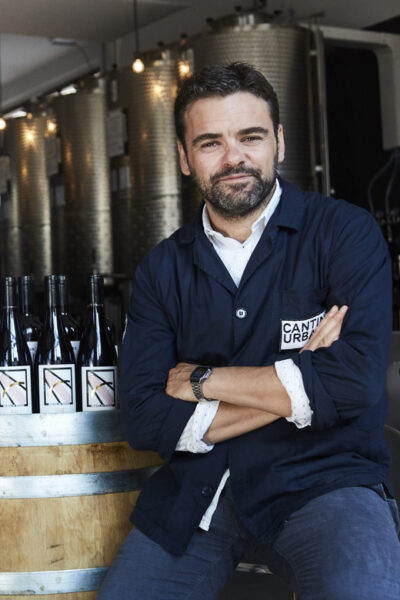
Milan Urban Winery: Taste & Tour at Cantina Urbana
Read our review →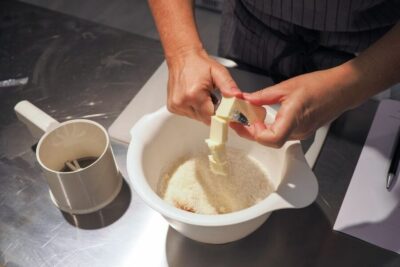
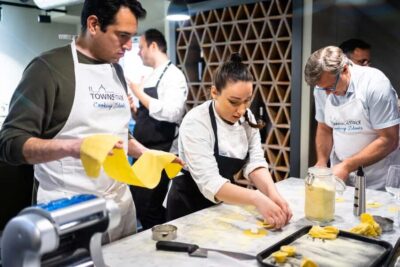
Pasta Class with Gelato or Tiramisù & Unlimited Wine
Read our review →
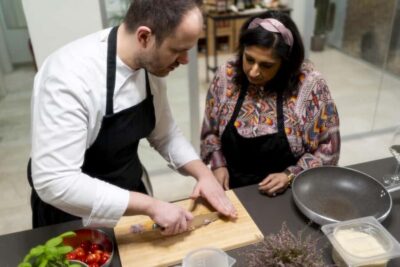
Pizza and Tiramisu Cooking Class with Wine in Milan
Read our review →Lists this tasting appears in