
Reviewed · MILAN WINE TOURS
Milan: Pasta, Gnocchi and Tiramisù Cooking Class with Wine
Milan’s best food lesson may happen away from the grand sights, around a kitchen table with flour on your hands. In this three-hour class, you make ravioli-style fresh pasta, potato gnocchi, and tiramisù from scratch, then eat the meal you helped prepare with Prosecco and Italian wine.
I like two things right away: the class is genuinely hands-on, and the recipes are practical enough to repeat at home. Chefs such as Francesco, Denise, and Erica explain technique, food customs, ingredient choices, and the mistakes that can ruin a dough or sauce. The main consideration is timing: three dishes, wine, and dinner make this a full evening, not a quick demonstration.
Key points to know before booking
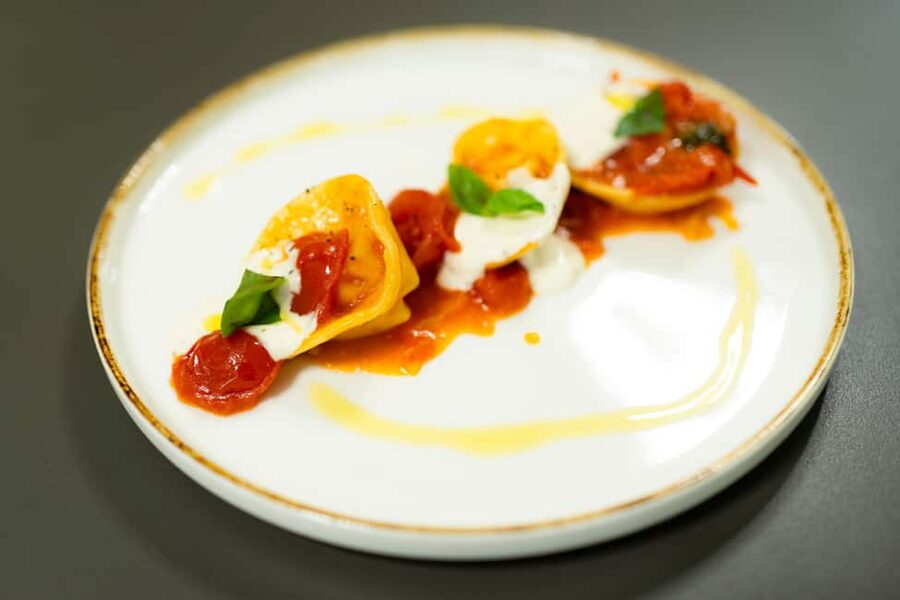
- Make three dishes from scratch: Prepare fresh ravioli-style pasta, potato gnocchi, and tiramisù with step-by-step help.
- Learn from working chefs: The instructors include Michelin-trained chefs such as Francesco, Denise, and Erica, with clear demonstrations and personal help.
- Eat what you cook: The class ends with dinner at a shared table, including the pasta, gnocchi, and dessert you made.
- Wine is part of the lesson: Start with Prosecco, then taste selected Italian wines alongside the food.
- Useful for home cooks: You receive recipes and tips on ingredients, sauces, supermarket shopping, and technique.
- Dietary requests are possible: Vegetarian, vegan, gluten-free, and other food needs can be accommodated when arranged ahead of time.
A Milan cooking class built around real kitchen work
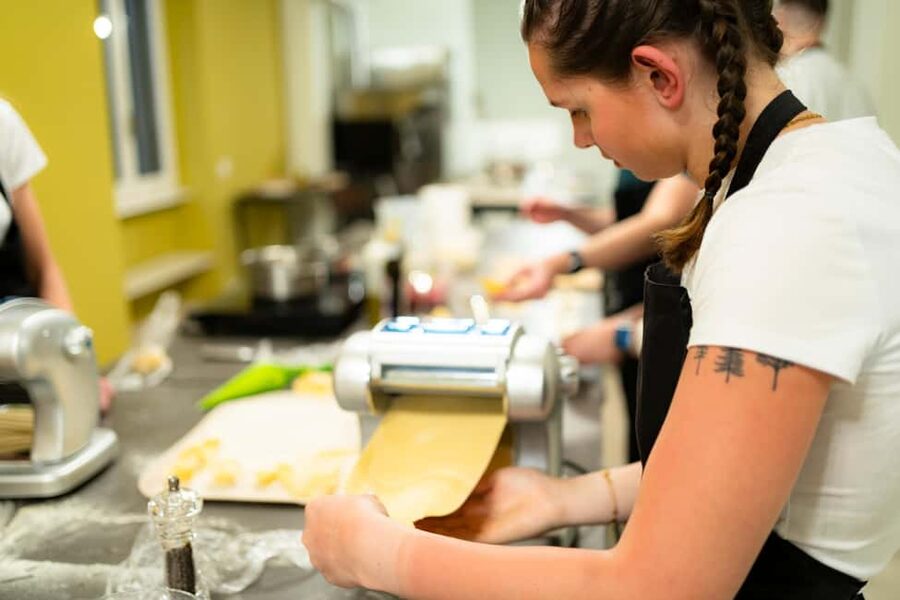
Many cooking classes ask you to watch a chef do the difficult parts. This one puts the work in your hands. You mix, shape, cut, and assemble the food, while the chef moves around the group to check your technique.
That matters most with pasta and gnocchi. The dough may look simple, but small choices affect the result. The class explains how the ingredients should behave, what texture to look for, and how to avoid common errors. You do not need advanced cooking skills. Beginners can follow the demonstrations, while experienced cooks can ask more specific questions about dough, sauces, and ingredient selection.
The teaching style seems to be one of the strongest parts of the experience. Francesco is repeatedly described as funny, patient, and easy to follow. Denise and Erica have also led sessions, and another instructor, Liù, adapted a ravioli preparation so a diner with a cheese restriction could still take part fully. The exact chef may depend on the date, but the pattern is clear: expect an involved instructor rather than a distant demonstrator.
The class is taught in English, which makes it a practical choice if you want food instruction without a language barrier. You also get stories about regional customs, family recipes, and the Italian way of choosing ingredients. This gives the meal some context without turning the evening into a formal lecture.
More Workshops in Milan:
- Milan: Pasta and Tiramisu Cooking Class with Wine
★ 4.8 · 1,106 reviews - Gnocchi, Pasta, Tiramisù and Wine Class
★ 5.0 · 691 reviews - Milan: Pasta and Tiramisu Small Group Cooking Class with Wine
★ 5.0 · 660 reviews
Starting with Prosecco and Italian food culture
The class begins with a welcome glass of Prosecco. It is a good way to settle in, meet the group, and shift from sightseeing mode to kitchen mode. Wine tasting continues as the cooking progresses, with Italian reds selected to accompany the food.
The wine is not just an extra drink added to the price. It helps shape the pace of the evening. You cook, listen, taste, and talk, rather than rushing through a set of recipes. If you do not drink alcohol, keep in mind that wine is a listed part of the experience. The available information does not specify a nonalcoholic pairing, so ask ahead if that matters to you.
Food traditions are woven into the instruction. You may hear why Italians use particular ingredients, how sauces fit different types of pasta, and what to look for when shopping at home. One useful feature is the practical advice about supermarket products and ingredient quality. That sort of guidance can be more valuable than a fancy cooking trick because it helps you repeat the dish after your holiday.
The social side also matters. Solo participants can join, and couples, families, and mixed-age groups have all fitted into the class. A 15-year-old enjoyed the activity with a parent, while other sessions brought together people of different ages. You will be cooking beside other people, not sitting at a private table, so this suits anyone happy to share tools, counter space, conversation, and dinner.
Making ravioli and fresh pasta by hand
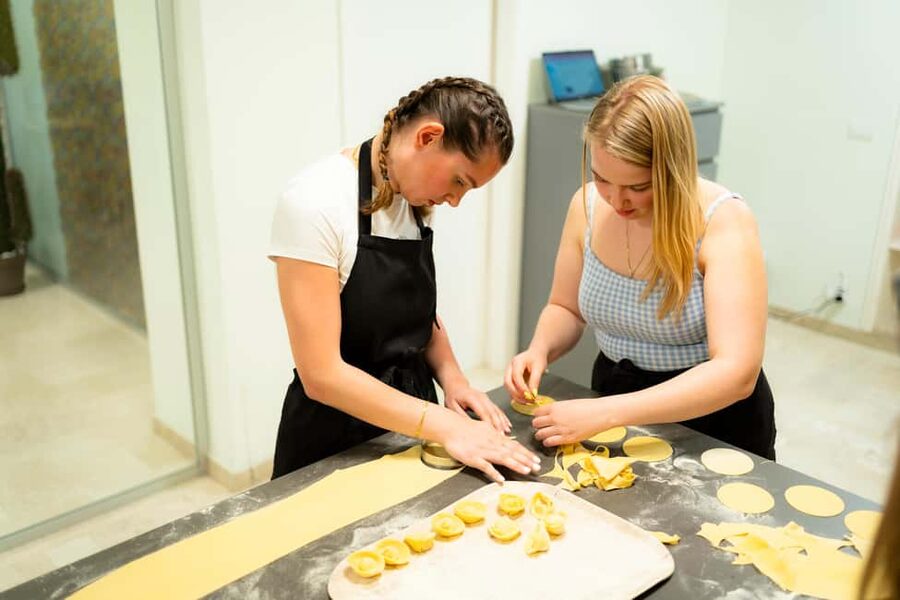
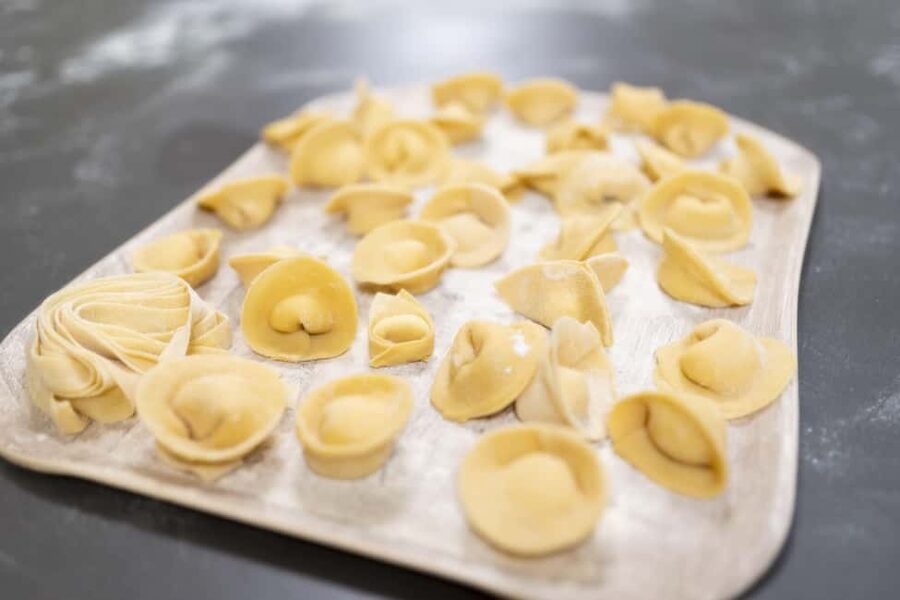
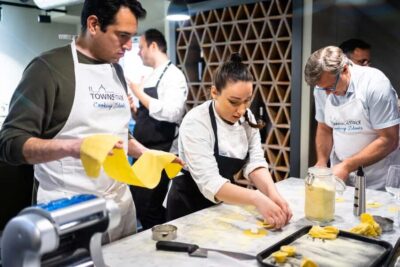
The pasta portion is the heart of the class. The experience is described as pasta from scratch, with ravioli included in the dinner. You learn the basic process, then work through shaping and filling the pasta with guidance from the chef.
This is where the class earns its keep. Fresh pasta can seem out of reach until someone shows you the right texture and pressure. One participant arrived unsure about making pasta and left considering buying a pasta machine. That is a useful sign for beginners: you should come away seeing the task as manageable, even if your first pieces are not perfectly shaped.
Do not expect every ravioli to look like it came from a factory. The point is to learn the method, and handmade pasta often has uneven edges or different sizes. The chef can correct problems as they appear, which is far more useful than receiving a finished plate and being told how it was made.
The class also includes sauces served with the pasta. The recipes and demonstrations help connect the pasta shape to the sauce, rather than treating the dough as an isolated craft. Some sessions have included extra explanations about other pasta and sauce combinations, so you may leave with more ideas than the three dishes on the main menu.
If you cook at home, pay close attention to the small instructions. How thin to roll the dough, how much filling to use, and how to seal the edges are the details that determine whether ravioli holds together. You can ask questions as you work, and the chef repeats demonstrations around the group so people at the back do not miss the important steps.
Rolling and shaping potato gnocchi
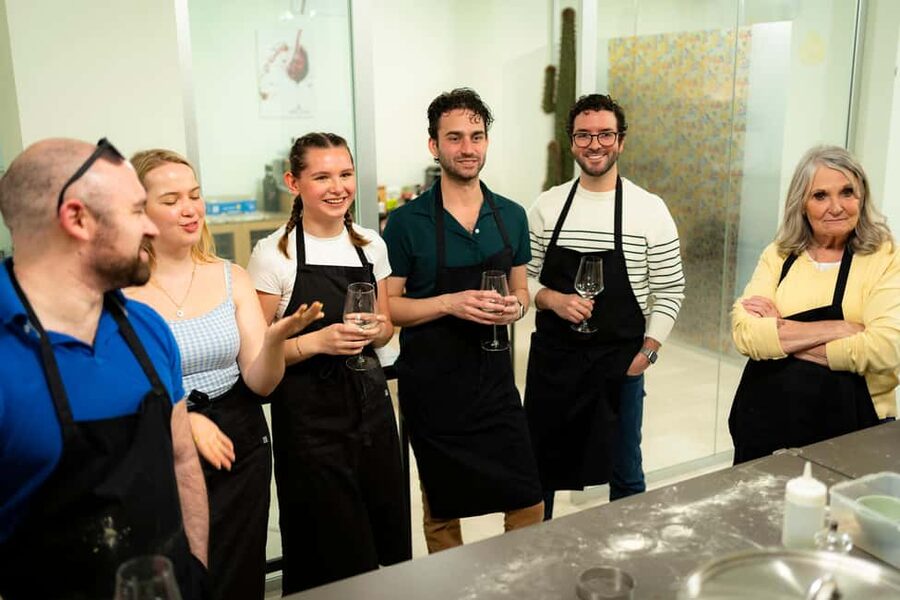
Gnocchi brings a different lesson. Instead of working with pasta dough, you learn how to create soft potato dumplings and shape them for cooking. The goal is light, tender gnocchi, not heavy lumps that sit in your stomach.
The class pairs the gnocchi with sauce, including a truffle sauce in at least one session. That pairing received particular praise from someone who normally does not care for potatoes. It is a useful reminder that the finished dish depends on both the dumpling and the sauce.
For you, the value is in learning what the dough should feel like. Gnocchi becomes difficult when it is overworked or weighed down with too much flour. A chef can show you the difference between workable dough and dough that needs adjustment. That visual and tactile lesson is hard to gain from a recipe alone.
The shaping stage is also relaxed. Your gnocchi may not be uniform on the first try, and that is fine. You are learning a repeatable process, not competing for a prize. The meal gives you an immediate test of the result, so you can connect the technique with taste and texture before trying it in your own kitchen.
More Wine Tours in Milan:
- Small-Group Barolo Wine Tasting, Alba & UNESCO Piedmont Hills
★ 5.0 · 689 reviews - Milan Urban Winery: Taste & Tour at Cantina Urbana
★ 4.7 · 683 reviews - Milan: Italian Cooking Class with Food and Wine
★ 4.7 · 509 reviews - Milan: Pasta Class with Gelato or Tiramisù & Unlimited Wine
★ 4.9 · 233 reviews
Finishing with tiramisù
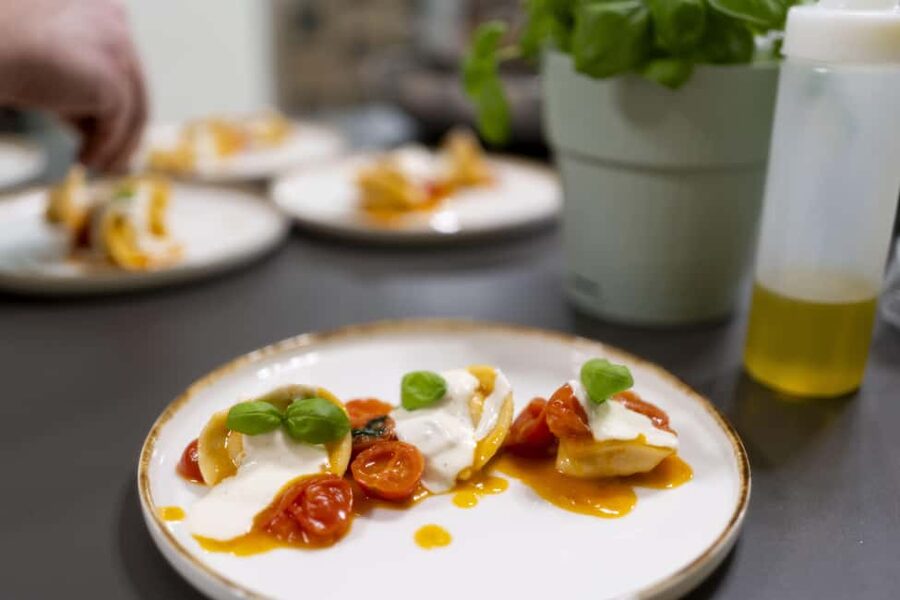
Tiramisù provides a calmer finish to the cooking work. It requires different skills from pasta and gnocchi, with attention to layers, texture, and balance rather than kneading and shaping.
The dessert is made from scratch as part of the class. One participant who did not usually like tiramisù became a convert after making and eating it here. That may be because you get a clearer idea of how the dessert comes together and how its ingredients work as a whole.
The class treats dessert as part of the meal, not a token final course. You prepare it during the session, then enjoy it at the shared table. Since it is made ahead of the final meal, the three-course structure also gives the evening a sensible rhythm: prepare, cook, sit down, and eat.
If you want to reproduce it at home, the recipe booklet is especially helpful. You do not have to rely on memory after a busy evening of cooking and wine tasting. The recipes are sent or provided for home use, so you can try again when you have more time to shape the pasta neatly.
Sitting down to eat what you made
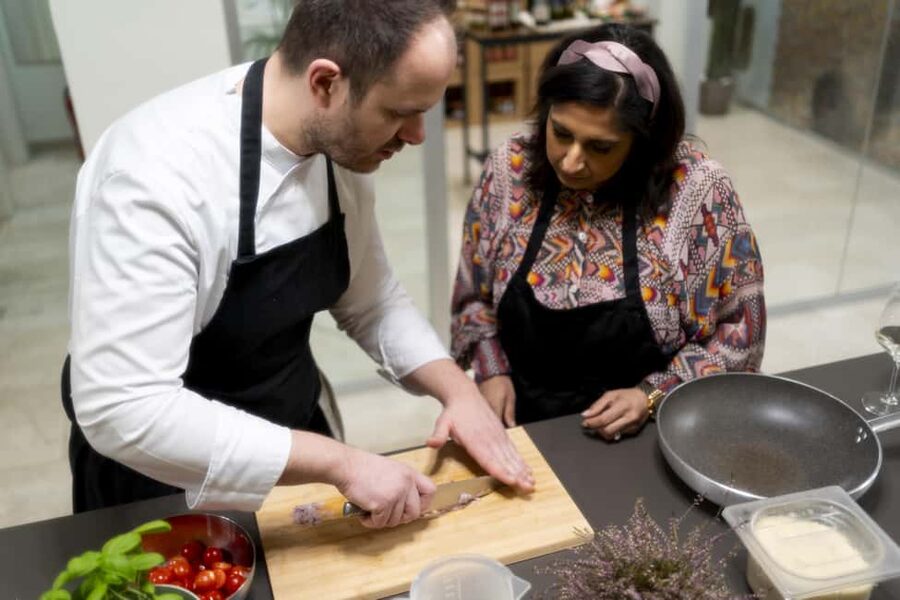
The final meal is the reward, but it is also part of the lesson. You sit with the group and eat the ravioli, gnocchi, and tiramisù you prepared, with wine served alongside the food.
I like this format because it turns a class into a proper evening out. You are not left to find dinner afterward, and the meal gives you a chance to compare your results with the chef’s guidance. It also creates an easy setting for conversation with people from different places.
The shared-table setup may not suit someone seeking a quiet, private dinner. The class is social by design, and the atmosphere is described as warm, friendly, and informal. For many people, that is a strength. It can also be a good way to meet others when you are in Milan alone.
The food appears to be a serious part of the experience, not merely a sample. The ingredients, sauces, wine pairings, and final presentation all receive attention. Still, remember that you are eating food made by a group of students. The pleasure comes partly from the work behind it, and your pasta may look more handmade than polished.
What $74 means for the value
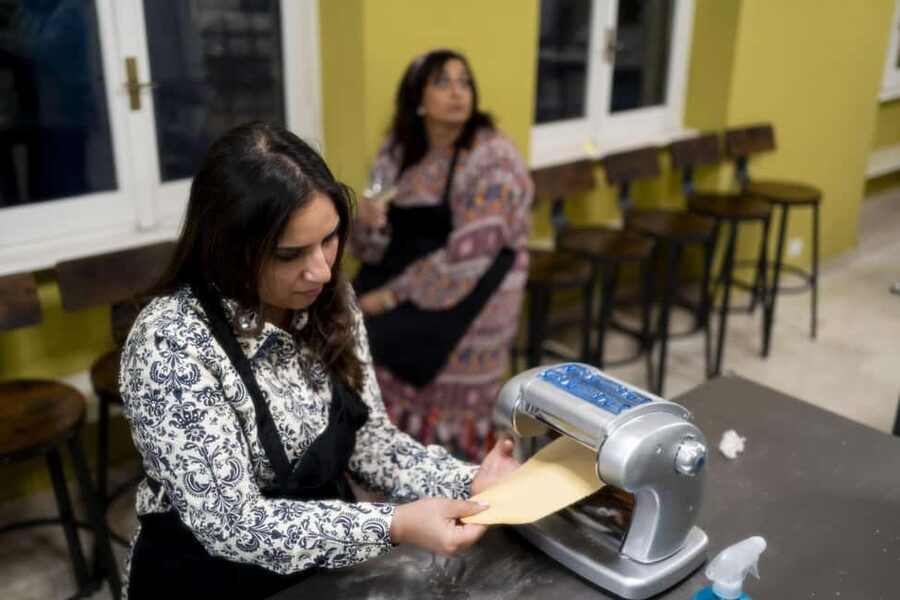
At $74 per person, this is not the cheapest way to eat in Milan. You could buy a plate of pasta and dessert for less. But the comparison is not quite fair, because the price includes a three-hour activity, instruction from a professional chef, wine tasting, dinner, and recipes to take home.
The strongest value is practical. You are paying to learn several dishes that can be made again, rather than paying only for a meal that disappears after one sitting. The class also covers techniques that are often harder to understand from a cookbook, especially pasta texture, ravioli filling, and gnocchi dough.
It is a good choice if you want one evening that combines food, conversation, and a useful skill. It is less attractive if your priority is a fast meal, a private cooking lesson, or a strictly regional Milanese menu. The focus is on classic Italian cooking, with pasta, gnocchi, and tiramisù at the center.
The wine helps the value, too. You receive Prosecco at the start and Italian wine during the meal rather than needing to order drinks separately. If you are booking for a family, note that the food is suitable for young participants, but the wine is for adults.
Location, timing, and food restrictions
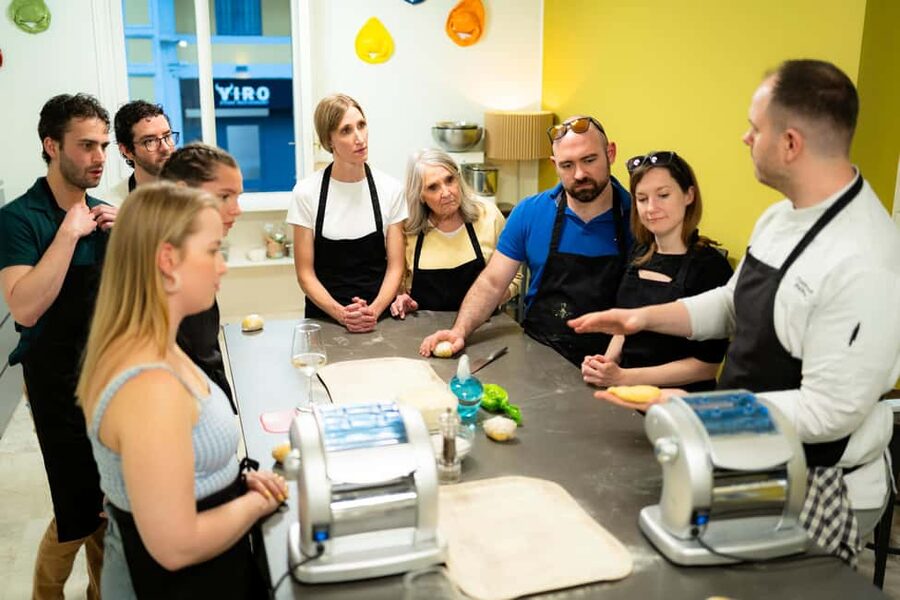
The meeting point is Via Lodovico Settala 1. Ring at number 18 when you arrive. Porta Venezia and Repubblica are the nearest subway stops, and the address is about 2 kilometres from Milan Cathedral, roughly a 25-minute walk.
A three-hour class makes the timing worth planning carefully. A 5 p.m. start has worked well for people who wanted to make their own dinner, but check the available start time for your date. Allow time to find the entrance, especially if you are arriving by subway or walking from the Duomo.
Tell the provider about allergies or intolerances in advance. Vegetarian, vegan, and gluten-free options can be arranged, and the chefs have adapted dishes for lactose-free diners and people who do not eat cheese. Do not wait until you arrive, since the ingredients and recipes need to be planned before the class.
The activity allows free cancellation up to 24 hours before the start time, and you can reserve while paying later. Those terms are useful if your Milan schedule may shift, though you should still check the exact booking conditions for your date.
Who should book this Milan class
I would recommend it most strongly to:
- First-time pasta makers who want hands-on help
- Couples looking for a social evening with dinner included
- Families with older children or teenagers interested in food
- Solo visitors who enjoy meeting people around a table
- Home cooks who want recipes they can repeat
- Anyone with dietary needs who contacts the provider early
It is also a good rainy-day plan. Milan has plenty of grand indoor sights, but a cooking class gives you something active to do and leaves you with a skill rather than just another photograph.
You may want to skip it if you dislike group activities, do not want to drink wine, or prefer to spend an evening in a quiet restaurant. It is also not the right choice if you want to focus only on Lombardy-specific dishes. The menu is built around widely loved Italian classics.
Should you book it?
Yes, if you want to do more than eat Italian food in Milan. The class gives you real work, clear instruction, a full meal, wine, and recipes you can use later. The most praised features are the patient chefs, the friendly group setting, the quality of the food, and the fact that beginners leave feeling able to try pasta and gnocchi at home.
Book it with realistic expectations. Your ravioli may be uneven, your gnocchi may need practice, and the evening will be social rather than private. That is part of the charm. For $74, you get an entertaining dinner plus a set of skills that can keep your Milan memories alive in your own kitchen.
FAQ
How long does the cooking class last?
The class lasts three hours, including cooking, wine tasting, and the meal you prepare.
What dishes will I make?
You will make fresh pasta in the form of ravioli, potato gnocchi, and tiramisù from scratch.
Is dinner included?
Yes. Dinner includes the ravioli, gnocchi, and tiramisù prepared during the class.
Is wine included?
Yes. The experience includes a welcome glass of Prosecco and a selection of Italian wine for tasting with the food.
Is the class taught in English?
Yes. The instructor language is English.
Who teaches the class?
The class is led by a professional, Michelin-trained chef. Instructors named for different sessions include Francesco, Denise, Denisse, Erica, and Liù.
Where is the meeting point?
Meet at Via Lodovico Settala 1 and ring at number 18. The closest subway stops are Porta Venezia and Repubblica.
How far is the class from Milan Cathedral?
The meeting point is about 2 kilometres from Milan Cathedral, around a 25-minute walk.
Can dietary restrictions be accommodated?
Vegetarian, vegan, gluten-free, lactose-free, and other dietary needs may be accommodated when you notify the provider in advance. You should also report food allergies or intolerances before the class.
Do I receive the recipes afterward?
Yes. You receive recipes to take home so you can prepare the pasta, gnocchi, and tiramisù again.
Newest wine reviews around Milan
- Pizza and Tiramisu Cooking Class with Wine in Milan★ 4.9 · 80 reviews
- Milan Wine Tasting Aperitivo★ 4.4 · 31 reviews
- Milan: Wine Tasting Experience in the City Centre★ 4.5 · 113 reviews
- Milan: Food and Wine Experience★ 4.5 · 30 reviews
- Milan: Pasta Class with Gelato or Tiramisù & Unlimited Wine★ 4.9 · 233 reviews
- Milan: Small Group – Duomo & Rooftop, Wine & Food Tasting★ 5.0 · 27 reviews
- Milan: History & Street Food Tour with Wine Tasting★ 4.9 · 30 reviews
- From Milan: Barolo Wine Tasting, Alba Tour and Castle Visit★ 4.9 · 44 reviews
Milan Wine Tours, compared.
Small-Group Barolo Wine Tasting, Alba & UNESCO Piedmont Hills
Read our review →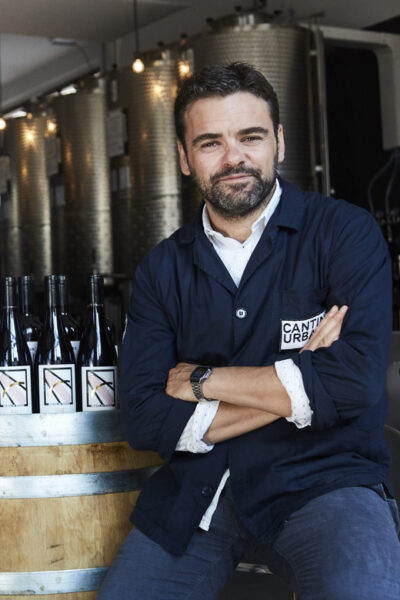
Milan Urban Winery: Taste & Tour at Cantina Urbana
Read our review →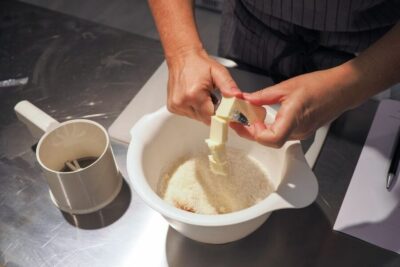
Pasta Class with Gelato or Tiramisù & Unlimited Wine
Read our review →
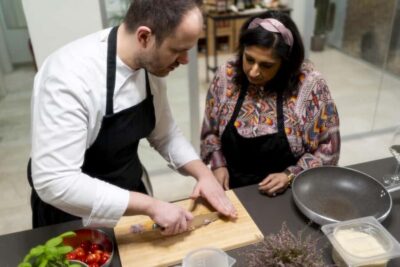
Pizza and Tiramisu Cooking Class with Wine in Milan
Read our review →Lists this tasting appears in